





Baking Emulsifier - Enhancing Bread Quality, Freshness & Sustainability Globally
Understanding Baking Emulsifier: Why It’s a Game-Changer Globally
If you bake bread or pastries, you might have wondered how some products manage to stay soft, fresh, and perfectly textured for days on end. The secret often lies in a humble but remarkable ingredient known as the baking emulsifier. Although it sounds like a technical term for food scientists, baking emulsifiers have become a global staple in food industries, especially as the demand for longer shelf life, better quality, and sustainable food solutions grows.
Globally, as the food industry seeks to reduce waste, improve food security, and meet consumer expectations, understanding baking emulsifiers becomes more than a niche interest—it’s about ensuring affordable, tasty, and safe food reaching millions. Plus, for manufacturers and bakers, it offers a way to innovate while optimizing costs. That blend of art and science behind a perfect loaf? Baking emulsifier is often pulling the strings.
A Global Look at Baking Emulsifier’s Role in Food Production
The global bakery products market is projected to exceed $500 billion by 2027, according to data from the Statista Global Market Report. Baking emulsifiers have become critical players, especially in regions where large-scale food systems must keep bread fresh during long supply chains. The UN notes that about one-third of all food produced globally is wasted, and improving shelf life through additives like emulsifiers is one way the industry fights this.
But it’s not just about shelf life. In many developing countries, where food preservation infrastructure is limited, baking emulsifiers help small and medium bakeries provide stable products without expensive packaging or refrigeration. They address the challenge of feeding rapidly urbanizing populations with consistent quality and safety, all while supporting local economies.
What Exactly Is a Baking Emulsifier?
Simply put, a baking emulsifier is a type of ingredient added to dough or batter to improve texture, volume, and freshness. It works by reducing the surface tension between ingredients - like fats and water - ensuring they mix more uniformly. This emulsification not only helps create softer bread and cakes but also stabilizes the product over time.
These emulsifiers can either be naturally derived, such as lecithin from soybeans or sunflower seeds, or synthetically produced to meet specific functional requirements. Considering modern food industry needs—scalability, safety, and cost-effectiveness—baking emulsifiers sit at the crossroads of science and consumer demand.
Mini takeaway:
Think of baking emulsifiers as the behind-the-scenes artists ensuring your bread has that perfect crumb and stays fresh longer without artificial preservatives.
Key Characteristics That Define Effective Baking Emulsifiers
1. Functionality in Dough Conditioning
Baking emulsifiers improve dough handling by enhancing its extensibility and gas retention. This means bakers can work doughs that are easier to shape, proof, and bake, producing consistently even crumb structures.
2. Shelf Life Extension
By stabilizing fat and moisture distribution, emulsifiers slow down staling—the dreaded drying or hardening of baked goods. This reduces food waste and increases product marketability.
3. Cost Efficiency in Manufacturing
With less dough damage and longer-lasting products, manufacturers save on raw materials and returns. Some emulsifiers even allow for reduced fat content in recipes without compromising texture, which appeals greatly to health-conscious markets.
4. Compatibility with Various Ingredients
A good baking emulsifier is versatile — it works well with flavors, fats, and other dough improvers, adding flexibility in recipe design.
5. Regulatory Compliance & Safety
Global food safety regulations are strict, and baking emulsifiers must meet standards from authorities like the FDA, EFSA, and ISO, ensuring they’re safe for consumption worldwide.
Typical Baking Emulsifier Product Specifications
| Specification | Typical Range | Notes |
|---|---|---|
| Physical form | Powder or Liquid | Varies with type (mono/diglycerides, lecithin, etc.) |
| Recommended usage rate | 0.3%–1.5% (weight of flour) | Depends on application |
| Moisture content | Critical for powder emulsifiers | |
| pH stability | 4.5 – 7.5 | Ensures broad application range |
| Shelf life | 12–24 months | Depends on packaging and storage |
How Baking Emulsifiers Are Revolutionizing Food Industries Worldwide
From large commercial bakeries in Europe to small artisan producers in Asia, baking emulsifiers are everywhere. In countries like India and Brazil, they play a pivotal role in scaling bakery production while maintaining quality. Food aid organizations have often relied on products containing emulsifiers to extend the shelf life of baked goods distributed in disaster-affected zones—essentially helping sustain nutrition under challenging logistics.
Another example is the Middle East’s explosive bakery market growth amid urbanization trends. The ability to preserve freshly baked goods longer in hot climates—without refrigeration—has boosted demand for emulsifiers there.
Vendor Comparison: Top Baking Emulsifier Suppliers
| Supplier | Range of Products | Global Presence | USP | Website |
|---|---|---|---|---|
| Tenger Chemical | Mono- & diglycerides, lecithin blends | Asia, Europe, Americas | Custom formulations, strong technical support | tengerchemical.com |
| Kerry Group | Wide baking emulsifier portfolio | Global | Integrated solutions & flavor systems | kerry.com |
| Cargill | Specialty emulsifiers & texturizers | Global | Sustainability-focused ingredient sourcing | cargill.com |
Why Baking Emulsifiers Matter: Advantages and Long-Term Value
From an economic standpoint, baking emulsifiers reduce production costs by enhancing dough consistency and fresh shelf life, thereby limiting product returns and waste. Socially, they help ensure safe, high-quality nutrition is accessible, particularly in regions where refrigeration isn't always available.
Such ingredients also answer consumers’ growing preferences for cleaner labels and natural alternatives—many suppliers now focus on plant-based emulsifiers. Emotionally, the trust in a product that retains its freshness is a subtle but powerful driver of brand loyalty.
What’s Next? The Future of Baking Emulsifiers
As sustainability trends shape food production, expect green emulsifiers derived from renewable plant sources to dominate innovation pipelines. Digital transformation has also enabled precise formulation adjustments via AI modeling to tailor emulsifier blends for specific bakery products, climates, or shelf life needs.
Biotechnological advances are exploring enzyme-based emulsifiers and cleaner extraction processes—it's a fascinating crossroads. And with stricter regulatory landscapes emerging in the EU and North America, transparency will only become more important.
Challenges Facing the Baking Emulsifier Market & Solutions
Challenges include sometimes unpredictable interactions with various dough recipes, variable raw material sourcing, and rising consumer demand for ‘no additives’ foods. Tackling these requires collaboration between ingredient suppliers, bakers, and researchers to optimize formulas and educate consumers on safety and benefits.
FAQ: Frequently Asked Questions About Baking Emulsifier
Q1. Can baking emulsifiers reduce fat content without affecting bread quality?
Yes, certain emulsifiers like mono- and diglycerides improve texture and volume such that recipes can use less fat without losing softness or flavor. This aligns with health-focused reformulations common today.
Q2. Are all baking emulsifiers safe for consumers with allergies?
Most baking emulsifiers are safe, but some like soy lecithin may pose risks for soy-allergic individuals. Always check ingredient sources and allergen labeling. Suppliers like Tenger Chemical provide clear documentation.
Q3. How do baking emulsifiers contribute to shelf life?
They stabilize gas bubbles and moisture, slowing down crumb hardening and moisture loss. This keeps bread softer and fresher longer, reducing waste.
Q4. Is it expensive to add emulsifiers to bakery recipes?
The cost impact is usually minimal and is offset by savings in longer shelf life, less waste, and better-quality product yield overall.
Q5. How environmentally friendly are baking emulsifiers?
Today, many suppliers emphasize natural and sustainably sourced emulsifiers. Choosing plant-based options reduces carbon footprints compared to synthetic chemicals.
Conclusion: Softness, Freshness, and Innovation with Baking Emulsifiers
Baking emulsifiers may seem a behind-the-scenes player, but their impact on texture, shelf life, and sustainability is enormous. They allow bakery producers worldwide—from huge industrial facilities to family-owned shops—to create better products that stay fresher, cost less, and delight customers. The future holds even greener, smarter emulsifiers that fit evolving food trends and environmental demands. Curious to explore formulations or find the right baking emulsifier for your needs? Visit Tenger Chemical and discover how science and passion blend in every batch.
Final thought:
Baking emulsifiers aren’t just additives; they’re part of a global food solution that touches everyday lives in nourishment and comfort. Oddly enough, a small molecule can make such a big difference.
References:
-
The Essential Guide to Sorbates as Food Preservatives for SafetyNewsApr.16,2026
-
The Ultimate Guide to Sorbate Preservative in Modern IndustryNewsApr.09,2026
-
Comprehensive Guide to Sodium Stearoyl Lactylate Emulsifier Applications and BenefitsNewsApr.07,2026
-
Comprehensive Guide to Sodium Cyclamate Sweetener Properties and ApplicationsNewsApr.04,2026
-
Comprehensive Guide to Sodium Citrate Food Additive and Its ApplicationsNewsMar.31,2026
-
Comprehensive Guide to Sodium Bicarbonate Food Additive Applications and BenefitsNewsMar.28,2026
-
Understanding Sodium Benzoate Preservative in Cosmetics and Its ApplicationsNewsMar.26,2026
Hebei Tenger Chemical Technology Co., Ltd. focuses on the chemical industry and is committed to the export service of chemical raw materials.
-
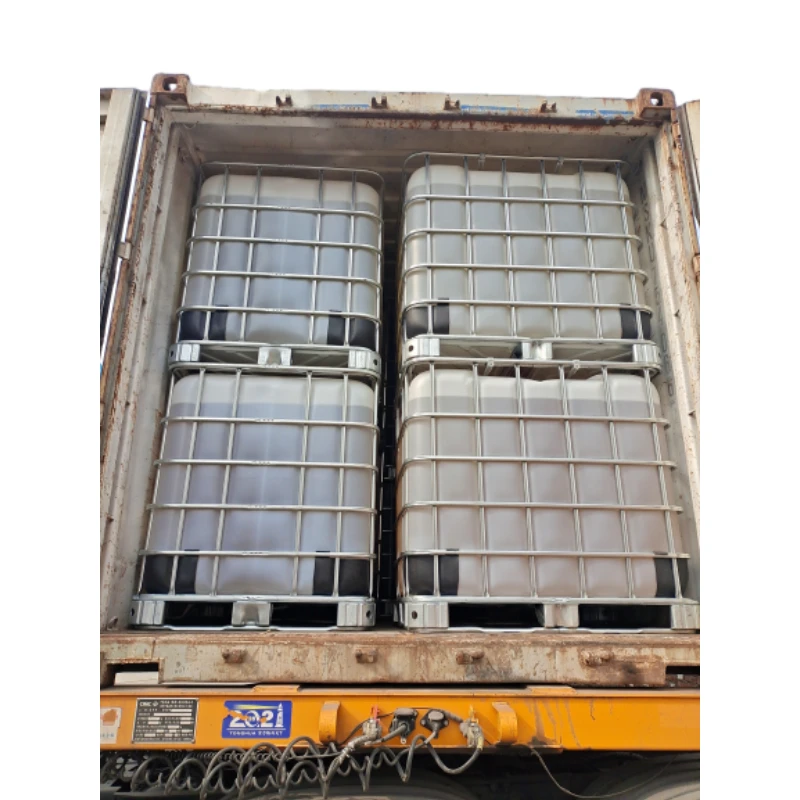
view more DiethanolisopropanolamineIn the ever-growing field of chemical solutions, diethanolisopropanolamine (DEIPA) stands out as a versatile and important compound. Due to its unique chemical structure and properties, DEIPA is of interest to various industries including construction, personal care, and agriculture. -
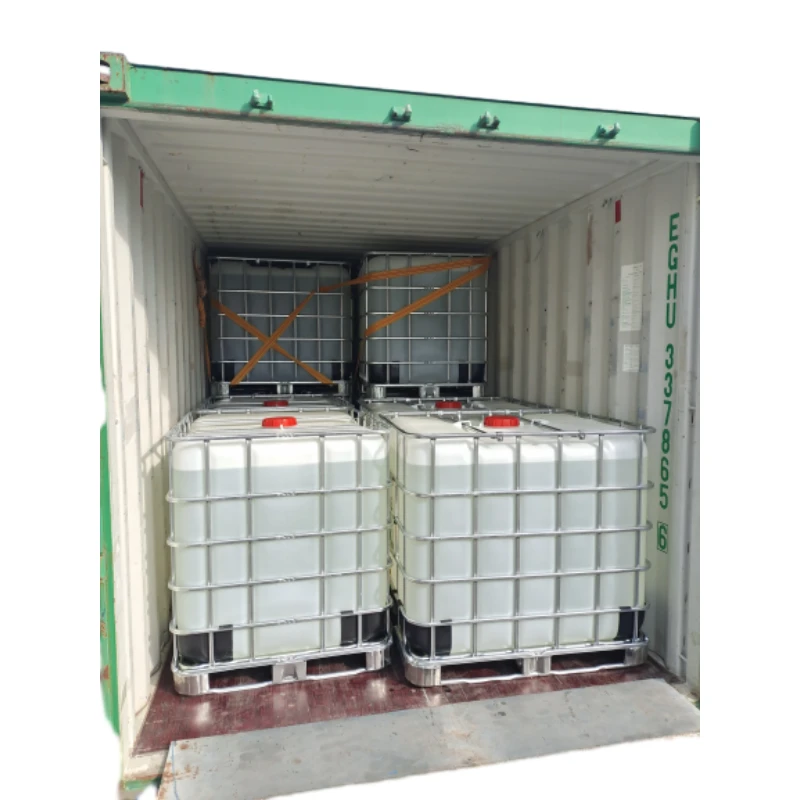
view more TriisopropanolamineTriisopropanolamine (TIPA) alkanol amine substance, is a kind of alcohol amine compound with amino and alcohol hydroxyl, and because of its molecules contains both amino and hydroxyl. -
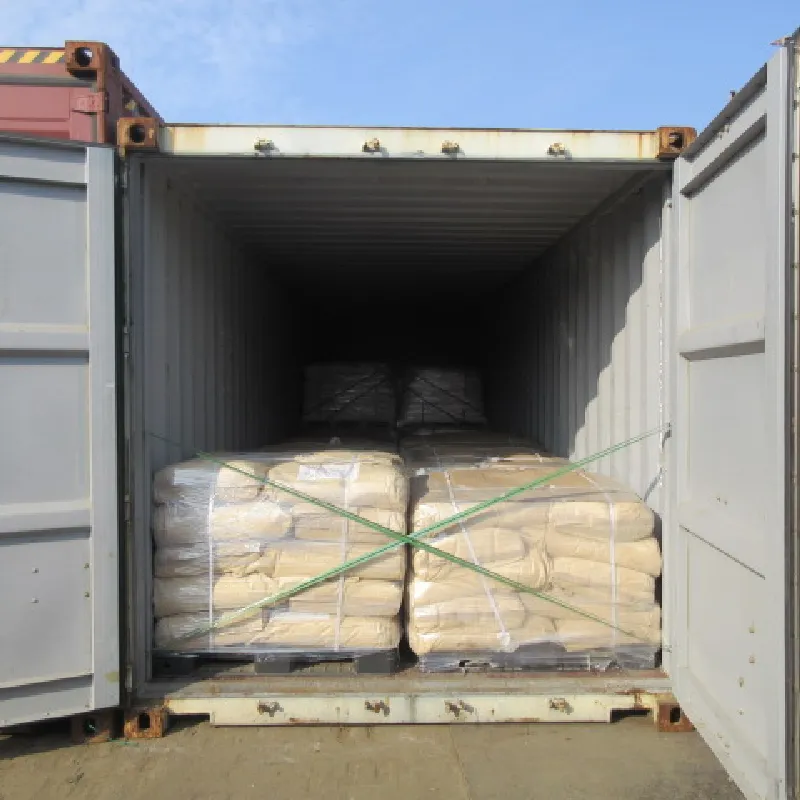
view more Tetramethyl Thiuram DisulfideTetramethyl thiuram disulfide, also known as TMTD, is a white to light-yellow powder with a distinct sulfur-like odor. It is soluble in organic solvents such as benzene, acetone, and ethyl acetate, making it highly versatile for use in different formulations. TMTD is known for its excellent vulcanization acceleration properties, which makes it a key ingredient in the production of rubber products. Additionally, it acts as an effective fungicide and bactericide, making it valuable in agricultural applications. Its high purity and stability ensure consistent performance, making it a preferred choice for manufacturers across various industries.