





Citric Acid as a Preservative in Beverages: Benefits, Applications & Trends
Citric Acid as a Preservative in Beverages: Unlocking Freshness and Safety
Citric acid as a preservative in beverages might sound like a niche topic, but it's surprisingly central to the global beverage industry—and to millions of people’s daily hydration and health. Why? Because this naturally occurring organic acid helps maintain flavor, extends shelf life, and inhibits microbial growth in drinks of all kinds. Understanding its role isn’t just for food scientists—it matters for producers across continents aiming to deliver safe, fresh beverages worldwide.
Introduction: Why Citric Acid Preservation Matters Globally
Globally, beverage consumption continues to rise, with the World Bank estimating that the processed beverage industry grew over 5% annually in many regions over the past decade. Yet, with freshness comes fragility. Drinks spoil quickly without preservatives, especially in warm climates with unstable supply chains. Here’s where citric acid as a preservative in beverages steps in—playing a vital role that’s recognized by multiple food safety standards including those of the ISO and Codex Alimentarius. Oddly enough, this simple acid impacts the economics and sustainability of the industry, helping tackle spoilage issues that otherwise cause massive food waste—estimated at billions of dollars worldwide.
Mini takeaway: Citric acid preservation helps make beverages safer and more shelf-stable, helping meet growing global demand for convenient, long-lasting drinks.
What is Citric Acid as a Preservative in Beverages?
Simply put, citric acid is a weak organic acid found naturally in citrus fruits. When used as a preservative in beverages, it acts mainly by lowering the pH and creating an environment unfavorable to bacterial and fungal growth. This safekeeping quality prevents spoilage and maintains the fresh taste consumers expect. It also chelates metal ions, which can otherwise catalyze oxidative degradation of flavors or nutrients. So, its role is both about safety and sensory quality. Its connection to humanitarian needs is subtle but real—by extending the shelf life of juice or rehydration drinks, it supports better nutrition accessibility, especially in disaster relief or remote areas where fresh produce isn’t always available.
Key Factors Behind Citric Acid's Role in Beverage Preservation
1. Effective Microbial Inhibition
Citric acid lowers the pH to under 4.5, which most pathogenic microbes dislike. By creating a slightly acidic environment, it prevents many bacteria and yeasts from spoiling beverages.
2. Flavor Stability
Unlike harsher preservatives, citric acid subtly enhances flavor by balancing tartness and preventing off-flavors caused by oxidation.
3. Cost Efficiency
It remains affordable at scale, making it attractive for small and large producers alike. Plus, it’s widely available due to commercial fermentation processes.
4. Regulatory Approval and Safety
Recognized as GRAS (“Generally Recognized as Safe”) by the FDA and backed by strict EFSA guidelines, it assures producers and consumers of its safety in approved quantities.
5. Compatibility
Citric acid works well with a wide range of beverage types—juices, carbonated drinks, energy drinks, and even some dairy-based beverages.
Mini takeaway:
Its multipurpose nature—cost, safety, flavor, and microbial control—makes citric acid a go-to preservative in beverages worldwide.
Real-World Applications & Use Cases
Citric acid is everywhere—from American iced teas to Southeast Asian fruit drinks, European sparkling waters to African malt beverages. Here are a few snapshots:
- Post-disaster relief: Ready-to-drink electrolyte solutions containing citric acid preserve freshness for longer shelf life, critical in unstable logistics.
- Remote industrial zones: Citric acid-enhanced bottled water and juices withstand temperature challenges during transport.
- Sustainability-minded brands: Use citric acid to reduce artificial preservatives while meeting clean label demands.
It’s also a staple for NGOs distributing nutrient-rich beverages in humanitarian contexts, enhancing both safety and nutritional integrity.
Product Specification Table: Typical Citric Acid Use in Beverages
| Parameter | Typical Value | Unit | Notes |
|---|---|---|---|
| Purity (anhydrous citric acid) | ≥ 99.5% | % | Food-grade standard |
| pH in 1% solution | ~2.2 | - | Indicates acidity |
| Typical dosage in beverages | 0.05 – 0.3 | % | Varies by product and pH requirements |
| Solubility in water at 25°C | 59 | g/100mL | Highly soluble |
Comparing Citric Acid Vendors: What to Look For
| Vendor | Purity (%) | Pricing (per MT) |
Certification | Delivery Options |
|---|---|---|---|---|
| Tenger Chemical | ≥ 99.5 | Competitive | FDA, ISO, Halal | Global shipping, bulk & container |
| Vendor B | ≥ 99.0 | Mid-range | FDA | Regional distribution only |
| Vendor C | ≥ 98.5 | Lower | Basic food safety | Limited export |
Advantages & Long-Term Value of Using Citric Acid in Beverages
It’s easy to fixate on cost or immediate function, but citric acid delivers more subtle, enduring benefits. Economically, it reduces spoilage losses. Socially, it helps deliver safe hydration to vulnerable populations. Environmentally, citric acid is biodegradable, supporting more sustainable production compared to synthetic alternatives. Emotionally, consumers trust beverages that taste fresh and consistent—something citric acid helps maintain. It’s the quiet hero behind many trusted brands.
Emerging Trends & Innovations
There’s growing attention to “clean label” ingredients, pushing citric acid into the spotlight, since it’s natural and familiar to most consumers. On a tech front, fermentation-derived citric acid is becoming greener and more efficient. Digital quality control and AI-driven formulation adjustments ensure the acid’s dosing is optimized for every batch, reducing waste. Also, sustainable packaging combined with citric acid preservation means beverages can endure longer without refrigeration—opening markets in hotter, less connected regions.
Challenges & Solutions
One limitation is that citric acid alone sometimes can’t fully prevent spoilage, especially in complex beverages. The solution? It’s often combined with other preservatives or advanced processing like High-Pressure Processing (HPP) to boost effectiveness without compromising flavor or safety. Another challenge is variation in global regulatory limits requiring producers to stay nimble and well-informed—here, partnering with trusted suppliers like Tenger Chemical helps navigate these complexities.
Frequently Asked Questions About Citric Acid as a Preservative in Beverages
- Q: Is citric acid safe for children’s beverages?
- A: Yes, citric acid is considered safe by most food safety agencies for use in beverages designed for children, as long as it’s within regulated limits. It helps prevent harmful microbial growth while maintaining taste.
- Q: Can citric acid replace artificial preservatives entirely?
- A: Sometimes yes, especially in simpler juices and waters. But for highly perishable or complex drinks, it’s often combined with other preservation methods to ensure safety and shelf stability.
- Q: How does citric acid affect the taste of beverages?
- A: It adds a mild tartness that balances sweetness, making flavors more vibrant. When used correctly, it enhances taste rather than overpowering it.
- Q: What is the usual shelf life increase when adding citric acid?
- A: That varies by beverage type and storage, but typically, citric acid can extend shelf life by weeks to months, reducing spoilage rates significantly.
Conclusion & Call to Action
In a nutshell, citric acid as a preservative in beverages represents a cornerstone for freshness, safety, and trust in the drinks industry worldwide. It combines natural origin, cost-effectiveness, and regulatory approval to meet both consumer expectations and industrial challenges. Whether you’re a beverage manufacturer or supplier, knowing the ins and outs of citric acid preservation can elevate your product’s quality and longevity. For sourcing high-quality citric acid and expert support, visit Tenger Chemical today.
Sometimes it’s the simplest solutions that carry the world’s hydration needs forward… Citric acid quietly keeps drinks fresh and safe, sip after sip.
Mini takeaway: Citric acid preservation is a proven, natural approach to extending beverage shelf life while supporting flavor and safety.
References
-
The Essential Guide to Sorbates as Food Preservatives for SafetyNewsApr.16,2026
-
The Ultimate Guide to Sorbate Preservative in Modern IndustryNewsApr.09,2026
-
Comprehensive Guide to Sodium Stearoyl Lactylate Emulsifier Applications and BenefitsNewsApr.07,2026
-
Comprehensive Guide to Sodium Cyclamate Sweetener Properties and ApplicationsNewsApr.04,2026
-
Comprehensive Guide to Sodium Citrate Food Additive and Its ApplicationsNewsMar.31,2026
-
Comprehensive Guide to Sodium Bicarbonate Food Additive Applications and BenefitsNewsMar.28,2026
-
Understanding Sodium Benzoate Preservative in Cosmetics and Its ApplicationsNewsMar.26,2026
Hebei Tenger Chemical Technology Co., Ltd. focuses on the chemical industry and is committed to the export service of chemical raw materials.
-
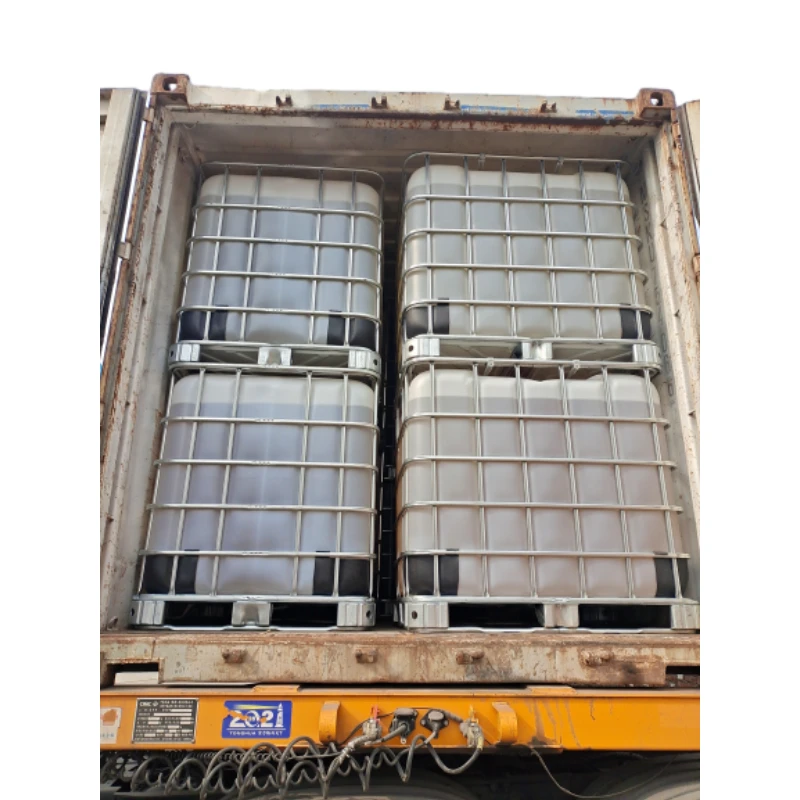
view more DiethanolisopropanolamineIn the ever-growing field of chemical solutions, diethanolisopropanolamine (DEIPA) stands out as a versatile and important compound. Due to its unique chemical structure and properties, DEIPA is of interest to various industries including construction, personal care, and agriculture. -
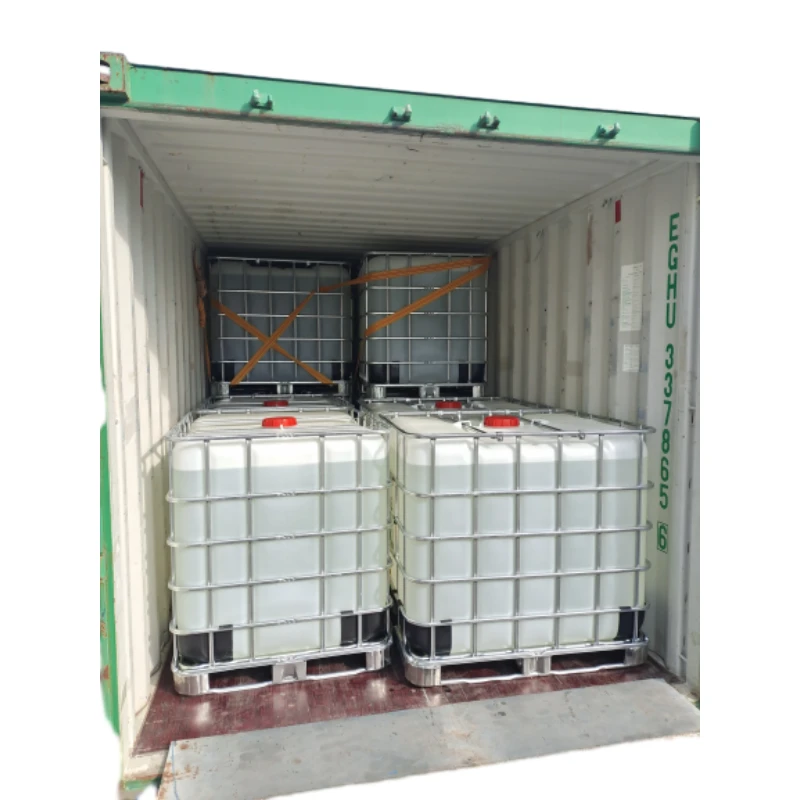
view more TriisopropanolamineTriisopropanolamine (TIPA) alkanol amine substance, is a kind of alcohol amine compound with amino and alcohol hydroxyl, and because of its molecules contains both amino and hydroxyl. -

view more Tetramethyl Thiuram DisulfideTetramethyl thiuram disulfide, also known as TMTD, is a white to light-yellow powder with a distinct sulfur-like odor. It is soluble in organic solvents such as benzene, acetone, and ethyl acetate, making it highly versatile for use in different formulations. TMTD is known for its excellent vulcanization acceleration properties, which makes it a key ingredient in the production of rubber products. Additionally, it acts as an effective fungicide and bactericide, making it valuable in agricultural applications. Its high purity and stability ensure consistent performance, making it a preferred choice for manufacturers across various industries.