





Comprehensive Guide to Artificial Emulsifiers: Industry Applications & Trends
The Role of Artificial Emulsifiers in Modern Industry and Global Sustainability
If you've ever wondered how two very different liquids—like oil and water—stay perfectly blended in your favorite salad dressing or your daily skincare cream, artificial emulsifiers are the hidden heroes behind that magic. More than just chemistry tricks, these compounds have rapidly become crucial in a range of industries—from food production to pharmaceuticals and even environmental technologies. Understanding artificial emulsifiers is no longer just a niche topic for chemists but is vital for anyone interested in how industrial innovations meet global challenges like food security, sustainable manufacturing, and humanitarian relief.
In a fast-evolving global economy, where the intricacies of material science often decide the fate of products and solutions, grasping the nuances of emulsification—especially artificial emulsifiers—means understanding a cornerstone of innovation.
Global Context: Why Artificial Emulsifiers Matter Today
The worldwide production of emulsifiers and surfactants is projected to surpass tens of billions of dollars by the mid-2020s, according to market research firms and the ISO. The food and cosmetics industries alone consume a lion’s share, with staple processed food production reliant on stable emulsions to maintain texture and extend shelf life. But here’s the kicker: artificial emulsifiers also play an essential role in humanitarian contexts.
For instance, when disaster strikes—whether a typhoon in Southeast Asia or drought in Sub-Saharan Africa—ready-to-use therapeutic foods (RUTFs) and medical ointments need to be stable and effective under challenging conditions. Artificial emulsifiers ensure these lifesaving products maintain consistency and bioavailability during storage and transport, which is often painstakingly difficult in such environments.
Yet, the challenge remains in balancing the benefits of emulsifiers against emerging concerns about environmental impact and consumer health—three factors that industry experts from the United Nations frequently highlight.
Mini takeaway: Artificial emulsifiers are not just scientific curiosities but pivotal enablers of critical supply chains and consumer goods worldwide.
What Exactly Are Artificial Emulsifiers?
Put simply, artificial emulsifiers are man-made molecules designed to stabilize mixtures of immiscible liquids—like fats and water—by reducing surface tension at the interface. Unlike natural emulsifiers extracted from plants or animals, artificial emulsifiers are synthesized for predictable quality and tailored properties. This reliability is particularly valuable in large-scale manufacturing.
Their connection to modern industry goes deeper than stabilizing sauces or lotions. In humanitarian aid, they enable products to retain useful shelf lives in harsh conditions; in pharmaceuticals, they ensure drug formulations are effective; and in cosmetics, they help create textures and finishes consumers expect. They’re a vivid example of chemistry meeting real-world necessity.
Mini takeaway: Artificial emulsifiers act like molecular referees that keep liquids mixing harmoniously—without them, many products would literally fall apart.
Key Aspects of Artificial Emulsifiers in Practical Use
1. Stability & Durability
Arguably the most critical factor, emulsifiers must withstand temperature fluctuations, mechanical agitation, and time without breaking down. Many engineers say durability is their first criterion—after all, nothing looks or feels worse to end users than separation or spoilage.
2. Scalability
Artificial emulsifiers can be synthesized consistently on massive industrial scales—one reason they are preferred over natural counterparts in commercial products. This scalability means they can meet global demand without significant shortages or price spikes.
3. Cost Efficiency
While natural emulsifiers tend to be more expensive or variable, artificial emulsifiers are often more cost-efficient if you factor in the potency and stability. This matters especially in the fast-moving consumer goods sector.
4. Compatibility & Versatility
From oil-in-water to water-in-oil emulsions, artificial emulsifiers can be engineered for a wide range of chemical environments, giving formulators immense flexibility.
5. Regulatory Compliance
Many markets have strict regulations regarding synthetic food additives and cosmetic ingredients. Artificial emulsifiers on the market typically undergo rigorous safety testing and certification, ensuring compliance—though navigating this can be a headache for manufacturers.
6. Environmental Impact
While artificial emulsifiers often outperform natural ones in functionality, their environmental footprint—covering raw material sourcing and biodegradability—is an increasing focus in green chemistry circles.
Mini takeaway:
- Stability and scalability dominate—but cost and environmental-friendliness are fast-climbing priorities.
Real-World Applications: Where Artificial Emulsifiers Make a Difference
Artificial emulsifiers crop up in areas you might expect—and a few you probably wouldn’t. Here's a quick roundup:
- Food Industry: Ice creams, margarine, salad dressings, and baked goods count on emulsifiers for texture and freshness.
- Pharmaceuticals: Creams, ointments, and capsules need stable emulsions for efficacy and shelf life.
- Cosmetics: Lotions, foundations, and sunscreens depend on emulsifiers to blend oils and waters seamlessly.
- Humanitarian Relief: Stabilizing therapeutic nutrition bars and medical supplies during transport to remote locations.
- Industrial Uses: Emulsifiers also appear in lubricants, paints, and some agrochemicals.
For example, in remote industrial zones in Canada, heavy machinery lubricants often rely on emulsifiers to maintain mixture properties during temperature swings between -30°C and +30°C. Or consider NGOs distributing nutrient-dense food packets to refugees in arid zones—artificial emulsifiers ensure the product remains palatable and stable over months.
Mini takeaway: Wherever stability, texture, or shelf life matters, artificial emulsifiers weave quietly behind the scenes.
Advantages and Long-Term Value of Artificial Emulsifiers
The benefits of artificial emulsifiers extend beyond the obvious technical. From a cost perspective, they reduce waste—a win for manufacturers and consumers. Socially, they help ensure that lifesaving goods reach vulnerable populations intact, preserving dignity and health.
Innovation does not happen in a vacuum either. Many formulators trust artificial emulsifiers because they guarantee reliable performance, which fosters brand loyalty—customers expect their products not to separate or spoil.
On the sustainability front, manufacturers are increasingly developing bio-based synthetic emulsifiers that straddle the intersection of performance and eco-friendliness.
Mini takeaway: Artificial emulsifiers balance economic realities with social good—kind of like unsung heroes in every product lifecycle.
Future Trends: What’s Next for Artificial Emulsifiers?
The future is exciting and a bit fuzzy—which is typical for any fast-evolving field. Currently, a few shifts stand out:
- Green Chemistry: Innovations aim to create emulsifiers from renewable feedstocks rather than petroleum derivatives, aligning with broader sustainability goals.
- Digital Formulation Tools: Machine learning is helping chemists predict emulsifier behavior faster and more accurately than ever.
- Regulatory Evolution: Stricter global regulations on additives push manufacturers toward safer and more transparent ingredients.
- Customization: Formulations tailored to hyper-specific needs—like emulsifiers designed explicitly for cold climates or vegan cosmetics.
It feels like the industry is on the cusp of bench-scale chemistry meeting digital integration and sophisticating smart product design.
Challenges and Practical Solutions
Despite their many benefits, artificial emulsifiers aren’t perfect. One major challenge is consumer perception: "synthetic" sometimes gets a bad rap, despite extensive safety testing. Another hurdle involves biodegradability—many conventional emulsifiers persist in the environment, potentially disrupting aquatic ecosystems.
To combat these, companies are investing in biodegradable and bio-sourced options, detailed toxicity studies, and transparent labeling. Regulatory bodies are also updating standards based on evolving scientific consensus. It’s a bit of a balancing act—ensuring functionality without compromising health or planet.
FAQ: Frequently Asked Questions About Artificial Emulsifiers
- What exactly makes artificial emulsifiers different from natural ones?
- Artificial emulsifiers are chemically synthesized to deliver consistent performance, whereas natural emulsifiers come from plant or animal sources and can vary batch to batch. Artificial ones often have better shelf stability and are easier to scale for mass production.
- Are artificial emulsifiers safe for human consumption?
- Yes, when approved by regulatory agencies like the FDA or EFSA, artificial emulsifiers are rigorously tested for safety. However, as with all additives, consumption should be within recommended limits.
- Can artificial emulsifiers be environmentally friendly?
- Increasingly, yes. New bio-based synthetic emulsifiers with enhanced biodegradability are under development, aiming to reduce environmental impact without sacrificing functionality.
- How do artificial emulsifiers improve shelf life?
- By stabilizing the mixture and preventing separation, emulsifiers keep products uniform over time, which helps maintain freshness, texture, and efficacy.
- Where can I learn more about sourcing artificial emulsifiers?
- Check out industry leaders and specialty chemical suppliers, including artificial emulsifiers providers that can offer tailored solutions matched to your application needs.
Summary and Next Steps
Artificial emulsifiers power much of the modern economy from the inside out — literally mixing things up to make them better, safer, and longer-lasting. Their global relevance touches food security, industrial productivity, healthcare, and sustainability. As innovation continues to push cleaner, smarter, and more tailored emulsifiers, understanding their role will only grow more important.
Interested in how artificial emulsifiers can transform your product? Visit our website for in-depth insights and supplier connections at https://www.tengerchemical.com.
Product Specification Table
| Specification | Typical Value | Notes |
|---|---|---|
| Type | Non-ionic synthetic emulsifier | Commonly food grade and cosmetic grade |
| HLB (Hydrophilic-Lipophilic Balance) | 12.5 | Optimal for oil-in-water emulsions |
| Appearance | Pale yellow viscous liquid | Typical commercial form |
| pH Range | 5.0 - 7.0 | Compatible with neutral to mildly acidic formulations |
| Shelf Life | 24 months | Stored in cool, dry environment |
| Biodegradability | Moderate (40-60% in 28 days) | Varies by formulation |
Vendor Comparison Table
| Vendor | Product Range | Sustainability Focus | Price Range (USD/kg) | Regional Availability |
|---|---|---|---|---|
| Tenger Chemical | Wide (synthetic & bio-based) | High - R&D on bio-based emulsifiers | 3.50 - 7.00 | Global with strong Asia-Pacific presence |
| Global Emulsifiers Inc. | Moderate (mostly synthetic) | Medium - Some biodegradable options | 4.00 - 6.50 | North America, Europe |
| EcoMix Solutions | Focused on bio-based emulsifiers | Very High - Certified eco-labels | 5.00 - 8.00 | Europe, select global markets |
Closing Thoughts
At the end of the day, artificial emulsifiers are more than just additives. They are quietly improving product quality, enabling innovations, and supporting global supply chains that many depend on daily. Even with environmental and perception challenges, advancements way down the pipeline promise cleaner, greener, and smarter emulsifiers tomorrow.
For industry players, staying informed and connected to reliable suppliers like Tenger Chemical is essential for success in what feels like a small but absolutely essential corner of modern chemistry.
References:
1. Wikipedia – Emulsifiers
2. International Organization for Standardization (ISO)
3. United Nations Global Issues
-
The Essential Guide to Sorbates as Food Preservatives for SafetyNewsApr.16,2026
-
The Ultimate Guide to Sorbate Preservative in Modern IndustryNewsApr.09,2026
-
Comprehensive Guide to Sodium Stearoyl Lactylate Emulsifier Applications and BenefitsNewsApr.07,2026
-
Comprehensive Guide to Sodium Cyclamate Sweetener Properties and ApplicationsNewsApr.04,2026
-
Comprehensive Guide to Sodium Citrate Food Additive and Its ApplicationsNewsMar.31,2026
-
Comprehensive Guide to Sodium Bicarbonate Food Additive Applications and BenefitsNewsMar.28,2026
-
Understanding Sodium Benzoate Preservative in Cosmetics and Its ApplicationsNewsMar.26,2026
Hebei Tenger Chemical Technology Co., Ltd. focuses on the chemical industry and is committed to the export service of chemical raw materials.
-
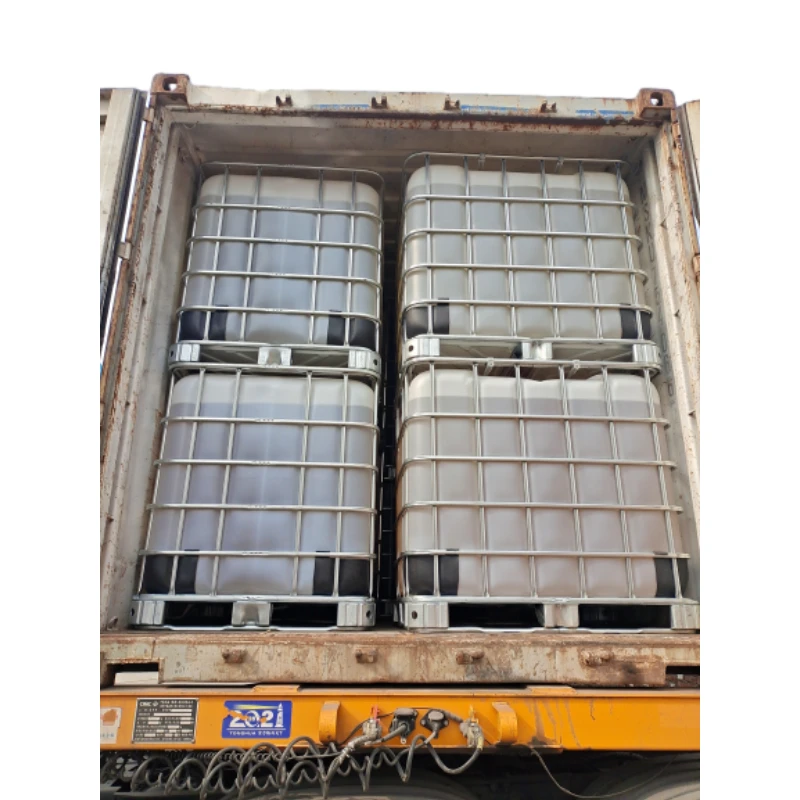
view more DiethanolisopropanolamineIn the ever-growing field of chemical solutions, diethanolisopropanolamine (DEIPA) stands out as a versatile and important compound. Due to its unique chemical structure and properties, DEIPA is of interest to various industries including construction, personal care, and agriculture. -
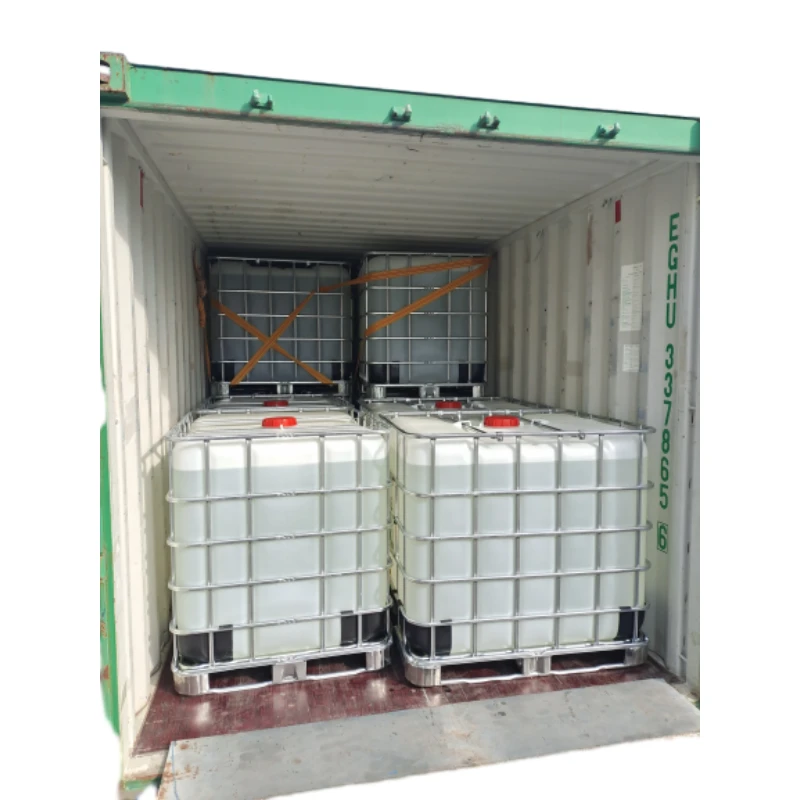
view more TriisopropanolamineTriisopropanolamine (TIPA) alkanol amine substance, is a kind of alcohol amine compound with amino and alcohol hydroxyl, and because of its molecules contains both amino and hydroxyl. -

view more Tetramethyl Thiuram DisulfideTetramethyl thiuram disulfide, also known as TMTD, is a white to light-yellow powder with a distinct sulfur-like odor. It is soluble in organic solvents such as benzene, acetone, and ethyl acetate, making it highly versatile for use in different formulations. TMTD is known for its excellent vulcanization acceleration properties, which makes it a key ingredient in the production of rubber products. Additionally, it acts as an effective fungicide and bactericide, making it valuable in agricultural applications. Its high purity and stability ensure consistent performance, making it a preferred choice for manufacturers across various industries.