





Comprehensive Guide to Bread Preservatives: Benefits, Usage, and Global Impact
Understanding Bread Preservatives: Why They Matter More Than You Think
At first glance, bread preservatives might seem like just a small detail on a bakery label — a tiny chemical to keep your loaf fresh a bit longer. But zoom out, and it's a fascinating crossroads of food science, global food security, and sustainability. Globally, bread is a staple food for billions, and keeping it safe and edible across supply chains plays a surprisingly pivotal role in reducing food waste and improving nutrition.
So why do bread preservatives matter? Simply put, they extend shelf life, prevent mold growth, and ensure safety — helping reduce millions of tons of food wasted annually. For industries and humanitarian efforts alike, understanding and using bread preservatives effectively means feeding more people, saving money, and minimizing environmental harm.
The Rising Global Importance of Bread Preservatives
Look at the numbers: According to the United Nations Food Systems Summit, about one-third of all food produced globally goes to waste. Bread, with its high moisture content and delicate crumb, is particularly prone to spoilage. This challenge is felt everywhere — from bustling urban bakeries in Europe to remote aid stations in sub-Saharan Africa.
In many developing regions, bread preservatives help overcome logistical hurdles where cold storage is scarce or unreliable. Even in developed countries, the demand for longer-lasting, safer bread puts preservatives front and center, especially for large-scale commercial production and supermarkets.
Yet, the industry walks a tightrope — balancing effectiveness, consumer health concerns, and regulatory standards — which vary widely from country to country. That tension fuels ongoing research and discussion about what preservatives to use and how to use them responsibly.
What Exactly Are Bread Preservatives?
Simply put, bread preservatives are substances added during baking or afterward to inhibit mold, bacteria, and sometimes staling. They don't just preserve freshness — some can subtly affect texture and shelf life in other ways. Common examples include calcium propionate, sorbates, and natamycin.
Modern food science and industry rely on these additives not only for economic reasons but increasingly to meet humanitarian needs — think disaster relief or refugee camps, where bread must survive transport and time with minimal spoilage.
Core Components of Effective Bread Preservatives
1. Durability
This refers to how long the bread remains mold-free and fresh. Preservatives like calcium propionate can keep bread safe for up to two weeks under room conditions, compared to just a few days without.
2. Scalability
If you're producing thousands of loaves daily, the preservative must be easy to integrate with industrial baking processes without compromising quality or safety.
3. Cost Efficiency
Many producers work on razor-thin margins. Preservatives need to be affordable yet effective, or else the product won't reach the market effectively. It’s a balance between investment and return.
4. Consumer Safety & Regulatory Compliance
Because these substances enter our food directly, compliance with international laws and understanding of health impacts is critical. Institutions like ISO set relevant safety standards.
5. Environmental Impact
With growing consumer demand for sustainability, some preservatives are now evaluated on their ecological footprint during production and disposal.
Real-World Use Cases: Who Benefits From Bread Preservatives?
- Urban bakeries in North America and Europe: rely on preservatives to meet supermarket shelf-life demands.
- Food aid organizations: in crises zones like Syria or South Sudan use preservatives to safely deliver bread that lasts the course of distribution.
- Remote industrial outposts: where refrigeration isn't practical, preservatives keep bread edible for workers and their families.
- Small-scale bakeries in Asia: adopt preservatives to reduce local post-production waste and enhance customer satisfaction.
Take an operation in Eastern Europe that shifted from preservative-free artisan bread to using calcium propionate — they reported a 40% reduction in spoilage losses and widened their distribution radius.
Advantages & Long-Term Value of Bread Preservatives
On a practical level, preservatives cut down waste, trim costs, and help maintain nutritional quality. But there's also a social dimension — safer, fresher bread helps provide food security, fosters trust in food brands, and improves consumer confidence. It's funny how something so small can carry that weight.
Environmentally, preservative use supports sustainability efforts by reducing landfill waste, which otherwise contributes significant greenhouse gases. Plus, by extending supply chains, they facilitate the availability of bread in underserved regions. Truly a multi-win scenario.
The Future of Bread Preservation: Innovations on the Horizon
New trends hint at exciting shifts: naturally derived preservatives from plant extracts, fermentation-based alternatives, and smart packaging that monitors freshness in real-time. Digital transformation means bakeries might someday track bread’s freshness status end-to-end across supply chains.
Meanwhile, sustainability isn't a buzzword — it's a mission. Expect tighter regulations, more labels for "preservative-free" alongside alternatives that are greener. So-called clean-label preservatives are gaining ground — helping balance consumer desire for natural ingredients with real shelf life improvements.
Challenges & Emerging Solutions in Bread Preservation
Some hurdles remain, like consumer skepticism toward chemical additives and complex global regulations that can fragment markets. Also, variability in shelf conditions — humidity, transport time — makes consistency tough.
Solutions? Experts are exploring multi-hurdle technologies, combining mild preservatives with packaging innovations and modified atmospheres. Education also helps consumers understand the safety and benefits, rather than fearing what sounds “chemical.”
Frequently Asked Questions About Bread Preservatives
- What are the most common preservatives used in bread?
- Calcium propionate and sodium propionate are widely used to prevent mold. Potassium sorbate helps with yeast and fungus control. Natamycin is another option, often used for mold specifically. Each has different suitability depending on the bread type and regulations.
- Are bread preservatives safe to consume regularly?
- Yes, when used within regulatory limits established by bodies like the FDA and EFSA, these preservatives are considered safe for regular consumption. They undergo rigorous testing for toxicity and allergic potential before approval.
- Can bread preservatives affect the taste or texture?
- Some can subtly impact flavor or crumb texture, but modern formulations are optimized to remain practically undetectable. Artisanal products sometimes avoid them to maintain traditional characteristics.
- Is it possible to have preservative-free bread with a good shelf life?
- Yes, but usually with trade-offs such as refrigeration, shorter shelf life, or alternative technologies like sourdough fermentation. These approaches aren't always scalable or practical for all markets.
- Where can one learn more about regulations on bread preservatives?
- Good sources include the U.S. Food & Drug Administration, European Food Safety Authority, and ISO for standards.
Bread Preservative Product Specification Table
| Preservative | Type | Effective Against | Typical Use Level | Notes |
|---|---|---|---|---|
| Calcium Propionate | Salt of propionic acid | Mold, bacteria | 0.1–0.4% | Most commonly used in commercial breads |
| Potassium Sorbate | Potassium salt of sorbic acid | Yeasts, molds | 0.05–0.2% | Good for moisture-rich products |
| Natamycin | Polyene antifungal antibiotic | Mold | Up to 0.02% | Often used as surface coating |
Vendor Comparison: Leading Bread Preservative Suppliers
| Vendor | Product Range | Global Reach | Key Differentiator | Typical Clients |
|---|---|---|---|---|
| Tenger Chemical | Calcium propionate, sorbates | Global (with focus on Asia, Europe) | High purity & customizable formulations | Bakeries, food processors |
| Brenntag | Wide additive portfolio | Extensive global presence | Integrated supply chain & technical support | Large-scale industrial bakers |
| DuPont Nutrition & Health | Innovative and natural preservative solutions | Global | Focus on clean-label and sustainability | Health-conscious and artisanal brands |
Final Thoughts: Bread Preservatives in Context
Bread preservatives quietly yet indispensably enhance the journey from oven to table. They help keep bread safe, affordable, and tasty across diverse regions and needs — from the humanitarian frontlines to everyday supermarkets. Understanding their roles, benefits, and future trends equips producers and consumers alike to make smarter, kinder food choices.
For more details on bread preservatives, formulations, and sourcing, do check out bread preservatives at Tenger Chemical — a name many bakers trust worldwide.
References
-
The Essential Guide to Sorbates as Food Preservatives for SafetyNewsApr.16,2026
-
The Ultimate Guide to Sorbate Preservative in Modern IndustryNewsApr.09,2026
-
Comprehensive Guide to Sodium Stearoyl Lactylate Emulsifier Applications and BenefitsNewsApr.07,2026
-
Comprehensive Guide to Sodium Cyclamate Sweetener Properties and ApplicationsNewsApr.04,2026
-
Comprehensive Guide to Sodium Citrate Food Additive and Its ApplicationsNewsMar.31,2026
-
Comprehensive Guide to Sodium Bicarbonate Food Additive Applications and BenefitsNewsMar.28,2026
-
Understanding Sodium Benzoate Preservative in Cosmetics and Its ApplicationsNewsMar.26,2026
Hebei Tenger Chemical Technology Co., Ltd. focuses on the chemical industry and is committed to the export service of chemical raw materials.
-
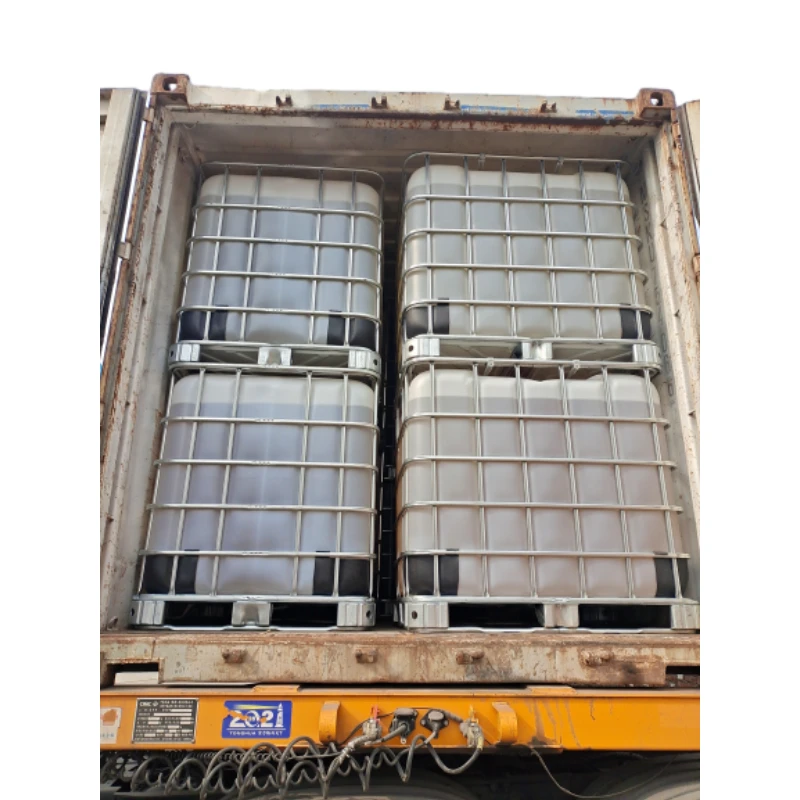
view more DiethanolisopropanolamineIn the ever-growing field of chemical solutions, diethanolisopropanolamine (DEIPA) stands out as a versatile and important compound. Due to its unique chemical structure and properties, DEIPA is of interest to various industries including construction, personal care, and agriculture. -
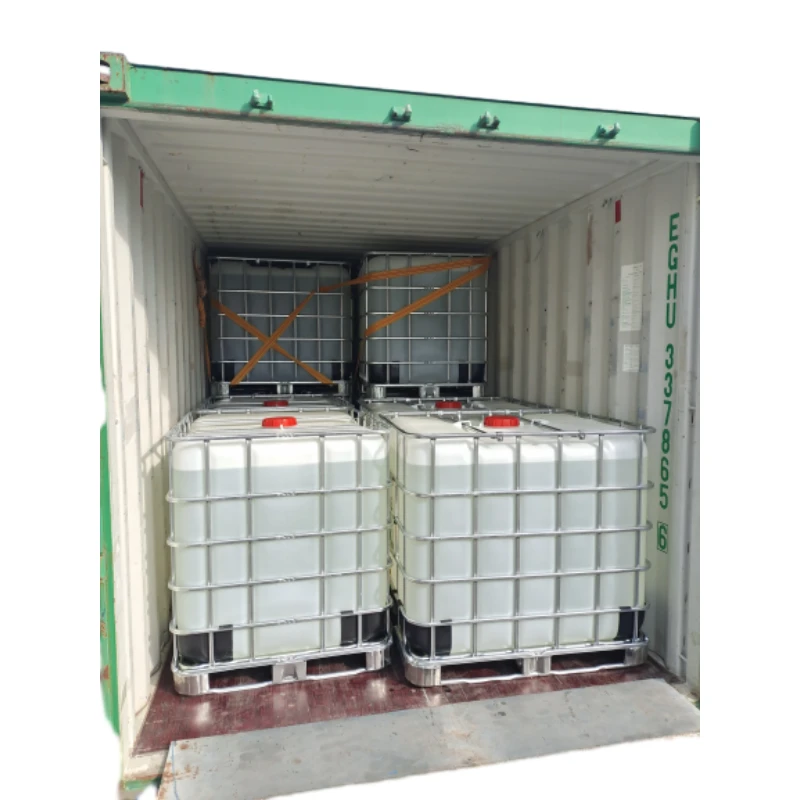
view more TriisopropanolamineTriisopropanolamine (TIPA) alkanol amine substance, is a kind of alcohol amine compound with amino and alcohol hydroxyl, and because of its molecules contains both amino and hydroxyl. -
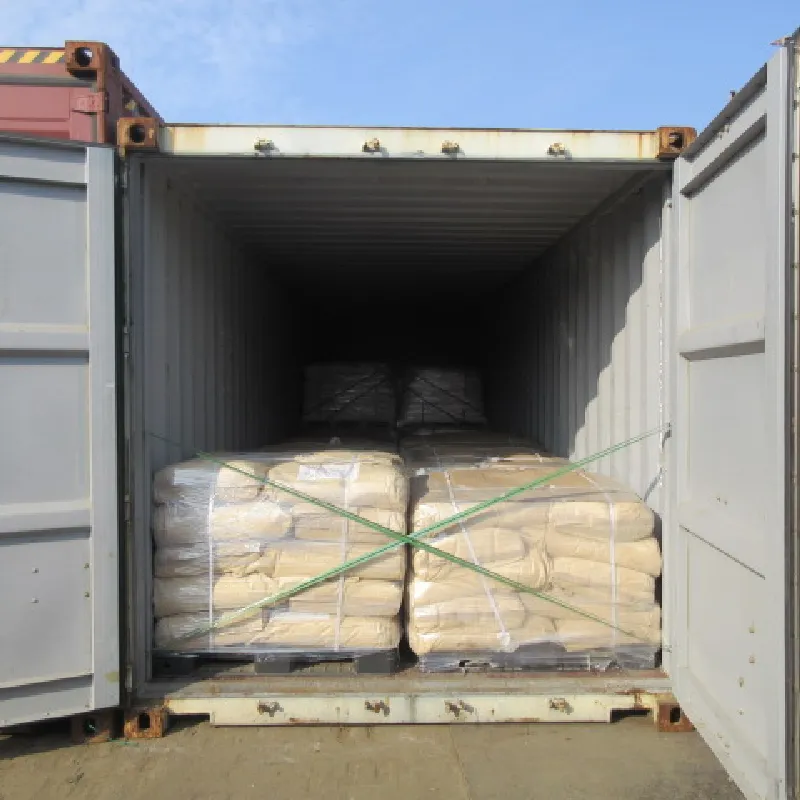
view more Tetramethyl Thiuram DisulfideTetramethyl thiuram disulfide, also known as TMTD, is a white to light-yellow powder with a distinct sulfur-like odor. It is soluble in organic solvents such as benzene, acetone, and ethyl acetate, making it highly versatile for use in different formulations. TMTD is known for its excellent vulcanization acceleration properties, which makes it a key ingredient in the production of rubber products. Additionally, it acts as an effective fungicide and bactericide, making it valuable in agricultural applications. Its high purity and stability ensure consistent performance, making it a preferred choice for manufacturers across various industries.