





Essential Guide to Bread Emulsifiers: Benefits, Uses, and Future Trends
Why Bread Emulsifiers Matter More Than You Think
Bread emulsifiers are one of those baking ingredients you rarely think about — yet they quietly shape how your favorite loaves rise, stay fresh, and taste just right. Globally, they play a pivotal role in feeding millions efficiently while reducing waste. In a world that demands more sustainable, longer-lasting food products, understanding bread emulsifiers isn’t just for bakers. It’s about food security, industrial innovation, and even humanitarian aid.
Simply put: these additives transform dough behavior, and in doing so, they impact everything from economic bakery operations to everyday consumer satisfaction. So let’s slice into the topic and see why this little ingredient carries so much weight in the global food industry.
Understanding the Bread Emulsifier: A Global Perspective
Here’s a quick backdrop: Bread is a staple in diets worldwide, with global production estimated at over 400 billion loaves annually (FAO data, 2023). But big quantities mean big challenges. Freshness is fleeting, transportation can damage delicate crumb structures, and conventional baking often relies on large amounts of preservatives or energy-intensive methods.
Enter the bread emulsifier — a chemical marvel that helps stabilize dough, extend shelf life, and improve texture without compromising on naturalness. According to the International Union of Food Science & Technology, emulsifiers contribute to approximately 20-30% reduction in food wastage in bakery products globally. For large-scale commercial bakeries, that’s not small change.
The real kicker? Bread emulsifiers enable manufacturers from bustling urban centers to remote regions to consistently craft products meeting reliable quality standards. And in humanitarian contexts — refugee camps, disaster zones — shelf-stable bread can mean the difference between spoilage and sustenance.
What Exactly Is a Bread Emulsifier?
Simply put, a bread emulsifier is an additive that helps blend ingredients that normally wouldn’t mix well — think water and fat, or flour proteins and oils. It improves dough stability by reducing stickiness, enhances gas retention, and softens crumb texture.
From a scientific angle, these are surface-active agents; they interact with starch, gluten, and fat molecules in the dough matrix. In real terms, this means stronger dough, better rise, and improved shelf life. The substance is typically food-grade lecithins, monoglycerides, or enzyme-based compounds.
This tech has roots in modern industrial baking, where consistency and scalability dominate. But its benefits ripple beyond, touching nutrition, supply chain resilience, and global food sustainability goals.
Key Components and Factors That Define Bread Emulsifiers
1. Compatibility with Flour and Fat Types
Not all flours behave the same way — durum wheat versus wholegrain has different gluten and fat content. A good emulsifier must adapt seamlessly, improving mixing without overpowering the dough’s natural characteristics.
2. Enhancement of Dough Handling
Many bakers say dough stickiness and tearing are persistent headaches. Bread emulsifiers reduce these problems by improving extensibility and elasticity, enabling machines to run faster and produce consistent loaves.
3. Shelf Life Extension
Through delaying starch retrogradation and moisture loss, bread emulsifiers help keep bread fresh days longer. This is especially critical for commercial distributors and retailers aiming to cut down wastage.
4. Sensory Improvement
The crumb softness and mouthfeel improvements are subtle but vital. Consumers subconsciously prefer bread with even texture and moistness — attributes emulsifiers help secure.
5. Cost and Dosage Efficiency
Because they’re used in small amounts, a well-chosen emulsifier can reduce overall ingredient costs by improving yield and reducing rejects. This efficiency links back to sustainability and profitability.
Practical Applications: Where Bread Emulsifiers Shine
The versatility of bread emulsifiers shows in their global usage, across both artisanal and industrial bakeries. In Europe and North America, large-scale operations use them routinely to maintain product consistency across long supply chains.
Meanwhile, in fast-growing markets like Southeast Asia, emulsifiers enable the rise of mass-produced packaged bread, reaching new urban populations quickly and affordably. Even in field kitchens and relief efforts, shelf-stable bread production is boosted by emulsification technology — a remarkable feat considering unpredictable environments.
For example, in humanitarian operations coordinated by organizations like the UN World Food Programme, bread emulsifiers have been essential in producing fortified loaves that nourish displaced populations without heavy refrigeration.
Advantages and Sustained Value of Using Bread Emulsifiers
- Cost Efficiency: Lower raw material waste and better dough yields improve bottom lines.
- Reduced Food Waste: Longer shelf life means fewer discarded loaves, a real environmental plus.
- Consistent Quality: Consumers get reliably soft, fresh bread across batches.
- Social Impact: Stable supply helps feed vulnerable groups more effectively.
- Innovation Catalyst: Enables modern non-traditional recipes and health-conscious formulations.
Emotionally, there’s something reassuring about bread that feels fresh days after purchase — it’s about comfort, dignity, and trust in the food system.
Looking Ahead: Innovations and the Future of Bread Emulsifiers
Future trends include biodegradable, plant-based emulsifiers derived from sustainable crops, critical as the industry embraces “clean label” demands. Digital testing methods are emerging to optimize formulations quickly, saving R&D time.
Green chemistry innovations are shrinking the carbon footprint of emulsifier production as well. Combined with automated mixing and IoT monitoring in smart bakeries, we’re looking at a bakery revolution that balances tradition with technology.
Challenges and How Industry Is Overcoming Them
One pain point is balancing emulsifier effectiveness with consumer desire for “natural” ingredients. Another is navigating diverse baking traditions that require customized solutions. Experts recommend tailoring formulations to local raw materials and processing conditions.
Additionally, regulatory differences across countries can complicate ingredient sourcing and import/export — but leading vendors now offer global compliance assurances and technical support to smooth the path.
Quick FAQ About Bread Emulsifiers
- What exactly does a bread emulsifier do in my dough?
- It helps blend ingredients like fats and water more uniformly, improving dough stability, elasticity, and gas retention, which leads to better volume and softer crumb.
- Are bread emulsifiers safe to consume?
- Yes, reputable emulsifiers meet global food safety standards (e.g., ISO, FDA) and are used in tiny dosages well below harmful levels. They’ve been tested extensively for safety.
- Can I use emulsifiers for gluten-free bread?
- Some emulsifiers aid gluten-free formulations by improving texture and moisture retention, but choices depend on the recipe. It’s best to test formulations with your specific emulsifier.
- How do emulsifiers affect bread shelf life?
- By slowing moisture loss and preventing starch retrogradation, emulsifiers help bread stay fresh and soft for several days longer, reducing waste and increasing consumer satisfaction.
Comparing Popular Bread Emulsifier Products
| Product | Type | Dosage (% Flour Weight) | Shelf Life Extension | Best For |
|---|---|---|---|---|
| Tenger EmulSoft | Monoglycerides blend | 0.3–0.5% | ~4 days | Artisanal & Commercial |
| LecithoPure 2000 | Soy lecithin | 0.2–0.4% | ~3 days | Gluten-Free & Organic |
| EmuloPlus | Enzyme-based emulsifier | 0.1–0.3% | ~5 days | Industrial-Scale Baking |
Vendor Comparison: Choosing Your Bread Emulsifier Partner
| Vendor | Global Reach | Product Range | Technical Support | Sustainability Credentials |
|---|---|---|---|---|
| Tenger Chemical | Worldwide | Broad – lecithins, monoglycerides, enzymes | 24/7 Expert Hotline | ISO 14001 Certified |
| Baker’s Choice Inc. | Regional (NA, EU) | Selective lecithin blends | Standard Business Hours | Limited Green Policies |
| Global EmulTech | Emerging Markets | Specialized enzyme emulsifiers | Onsite Technical Training | Sourcing from sustainable farms |
In Conclusion: Why Invest in Bread Emulsifiers Now?
Bread emulsifiers might feel like a backstage player, but in reality, they’re the unsung heroes of consistent, sustainable, and appealing bakery products worldwide. They reduce waste, improve quality, boost shelf life, and align with modern consumer and environmental demands. And frankly, taking advantage of their benefits today can future-proof your bakery business or aid efforts alike.
Ready to explore which bread emulsifier suits your needs? Visit bread emulsifier for trusted industry-leading options and expert advice.
References:
1. Food and Agriculture Organization of the United Nations (FAO), World Bread Production Data (2023)
2. International Union of Food Science & Technology - Emulsifiers and Process Efficiency Report (2021)
3. ISO 14001 Environmental Management Standards Documentation (2023)
-
The Essential Guide to Sorbates as Food Preservatives for SafetyNewsApr.16,2026
-
The Ultimate Guide to Sorbate Preservative in Modern IndustryNewsApr.09,2026
-
Comprehensive Guide to Sodium Stearoyl Lactylate Emulsifier Applications and BenefitsNewsApr.07,2026
-
Comprehensive Guide to Sodium Cyclamate Sweetener Properties and ApplicationsNewsApr.04,2026
-
Comprehensive Guide to Sodium Citrate Food Additive and Its ApplicationsNewsMar.31,2026
-
Comprehensive Guide to Sodium Bicarbonate Food Additive Applications and BenefitsNewsMar.28,2026
-
Understanding Sodium Benzoate Preservative in Cosmetics and Its ApplicationsNewsMar.26,2026
Hebei Tenger Chemical Technology Co., Ltd. focuses on the chemical industry and is committed to the export service of chemical raw materials.
-
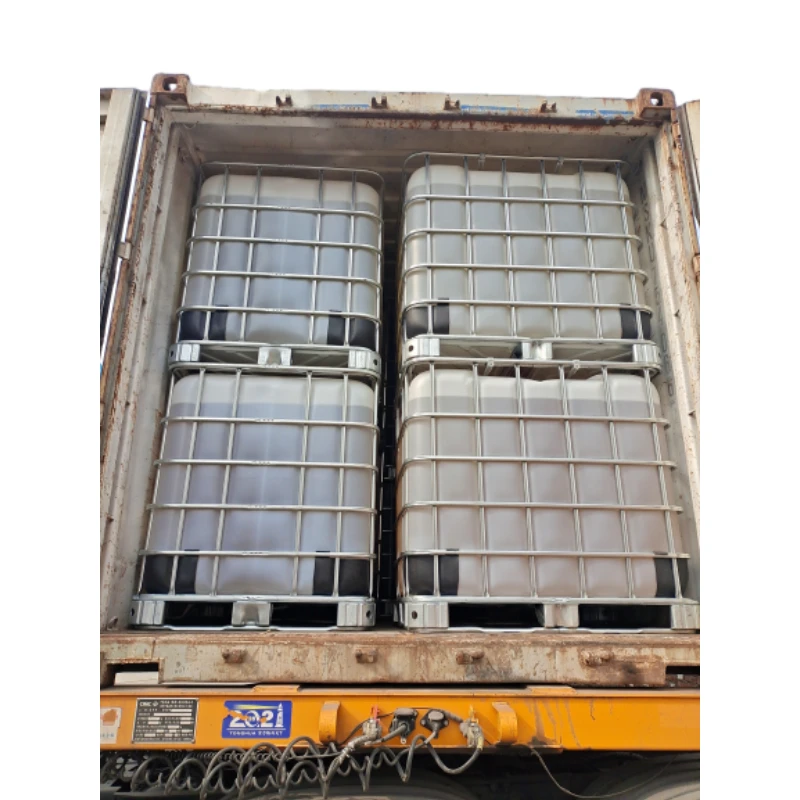
view more DiethanolisopropanolamineIn the ever-growing field of chemical solutions, diethanolisopropanolamine (DEIPA) stands out as a versatile and important compound. Due to its unique chemical structure and properties, DEIPA is of interest to various industries including construction, personal care, and agriculture. -
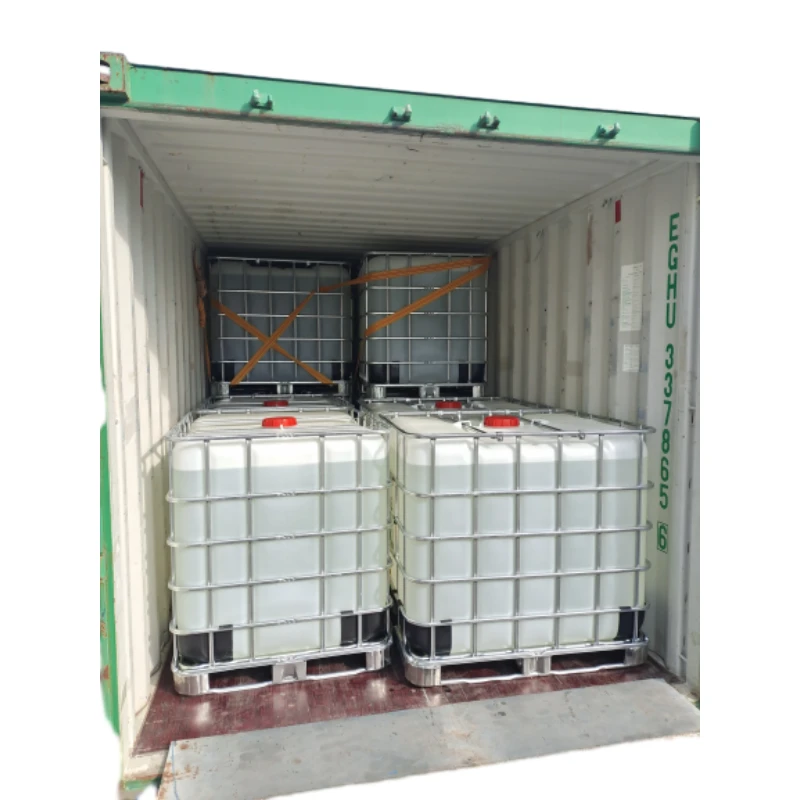
view more TriisopropanolamineTriisopropanolamine (TIPA) alkanol amine substance, is a kind of alcohol amine compound with amino and alcohol hydroxyl, and because of its molecules contains both amino and hydroxyl. -
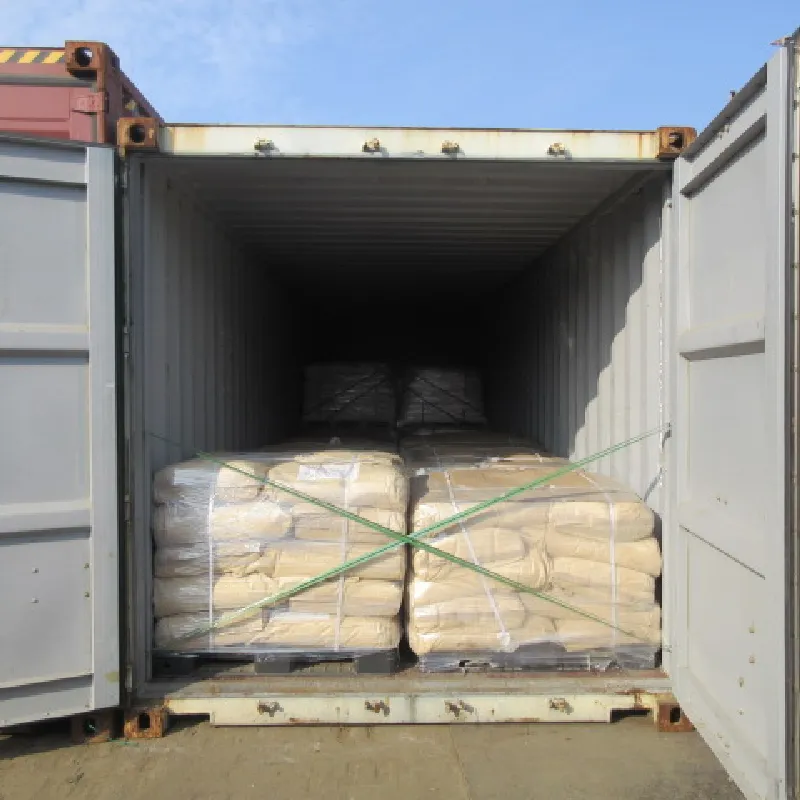
view more Tetramethyl Thiuram DisulfideTetramethyl thiuram disulfide, also known as TMTD, is a white to light-yellow powder with a distinct sulfur-like odor. It is soluble in organic solvents such as benzene, acetone, and ethyl acetate, making it highly versatile for use in different formulations. TMTD is known for its excellent vulcanization acceleration properties, which makes it a key ingredient in the production of rubber products. Additionally, it acts as an effective fungicide and bactericide, making it valuable in agricultural applications. Its high purity and stability ensure consistent performance, making it a preferred choice for manufacturers across various industries.