





Reliable Flavor Enhancer E621 | Quality & Supplier Insights
Exploring the Industrial Use of Flavor Enhancer E621
Having spent a good chunk of my career amid the hum and clang of industrial chemical production, I’ve learned to appreciate the subtle but vital roles certain compounds play in our everyday products. One such compound—familiar yet oddly underestimated—is the flavor enhancer E621, better known as monosodium glutamate or MSG. Now, before you shrug it off as just a kitchen staple, it’s worth grasping how this additive fits industrial processes, quality benchmarks, and even global market demands.
In real terms, E621 is a crystalline powder renowned for its unique umami flavor-enhancing capability. It’s highly soluble and stable under various conditions—qualities that make it a darling in the food industry but also a steadily reliable product for chemical manufacturers. I remember one project where our team optimized the particle size distribution to improve the flow properties, which, frankly, made a big difference on the production line.
Oddly enough, while E621 often stirs debates about health, from an industrial perspective, it’s about consistent quality, purity, and compliance. Manufacturers pay keen attention to these specs, ensuring the product meets stringent standards without fail. Plus, it’s fascinating how regional preferences influence product grading and even packaging sizes. For instance, Asian markets often demand a very fine grade, whereas European buyers sometimes prefer coarser variations for specific food uses.
E621 Product Specification Snapshot
| Specification | Typical Value | Test Method |
|---|---|---|
| Purity (MSG content) | ≥ 99% | HPLC |
| Moisture | ≤ 2% | Karl Fischer Titration |
| pH (1% solution) | 6.5 - 7.5 | pH meter |
| Loss on Drying | ≤ 0.5% | Gravimetric method |
| Appearance | White crystalline powder | Visual |
From my on-the-ground experience, selecting a vendor for E621 isn’t just about price—though that’s obviously a factor. It’s about reliability, production scale, certifications, and, most importantly, the ability to supply custom-tailored grades on demand. Here’s a quick comparison to shed light on how different suppliers stack up.
E621 Vendor Comparison
| Vendor | Annual Capacity | Quality Certifications | Customization | Notable Market |
|---|---|---|---|---|
| Tenger Chemical | 50,000 MT | ISO 9001, HACCP | Wide (particle size, packaging) | Asia, Europe |
| Global Flavors Inc. | 30,000 MT | ISO 9001, FSSC 22000 | Moderate | North America |
| EastChem Solutions | 20,000 MT | ISO 22000 | Limited | Emerging Markets |
Interestingly, I once worked closely with a mid-sized food manufacturer that was struggling with inconsistent flavor profiles in their savory snack line. Upon switching their supplier to a more consistent E621 source—one that guaranteed purity above 99.5% and steadier particle size—they achieved remarkable product stability. Sometimes, the difference lies exactly where you least expect it: in the powder.
Given the complex layers of food science, manufacturing scale, and market regulations, I suppose it’s no surprise that E621 remains a critical, if behind-the-scenes, player in flavor enhancement. Whether you’re sourcing for large-scale production or carefully formulating small artisanal batches, knowing your supplier and specs profoundly impacts your final product.
So next time you hear “E621,” the thought doesn’t have to linger on mere additives or health debates. Instead, consider the careful engineering and logistics involved in delivering consistently tasty experiences around the globe. If you want to dig deeper into high-quality E621, Tenger Chemical is a name I’ve seen earn both respect and reliability firsthand.
One takeaway? The magic of flavor isn’t just in recipes—it’s in the molecules and the manufacture that delivers them flawlessly.
References:
1. Industrial MSG Production Methods, Journal of Food Engineering, 2021
2. Food Additive Regulations and Compliance, Global Industry Review, 2022
3. Tenger Chemical Product Catalog, 2023
-
The Essential Guide to Sorbates as Food Preservatives for SafetyNewsApr.16,2026
-
The Ultimate Guide to Sorbate Preservative in Modern IndustryNewsApr.09,2026
-
Comprehensive Guide to Sodium Stearoyl Lactylate Emulsifier Applications and BenefitsNewsApr.07,2026
-
Comprehensive Guide to Sodium Cyclamate Sweetener Properties and ApplicationsNewsApr.04,2026
-
Comprehensive Guide to Sodium Citrate Food Additive and Its ApplicationsNewsMar.31,2026
-
Comprehensive Guide to Sodium Bicarbonate Food Additive Applications and BenefitsNewsMar.28,2026
-
Understanding Sodium Benzoate Preservative in Cosmetics and Its ApplicationsNewsMar.26,2026
Hebei Tenger Chemical Technology Co., Ltd. focuses on the chemical industry and is committed to the export service of chemical raw materials.
-
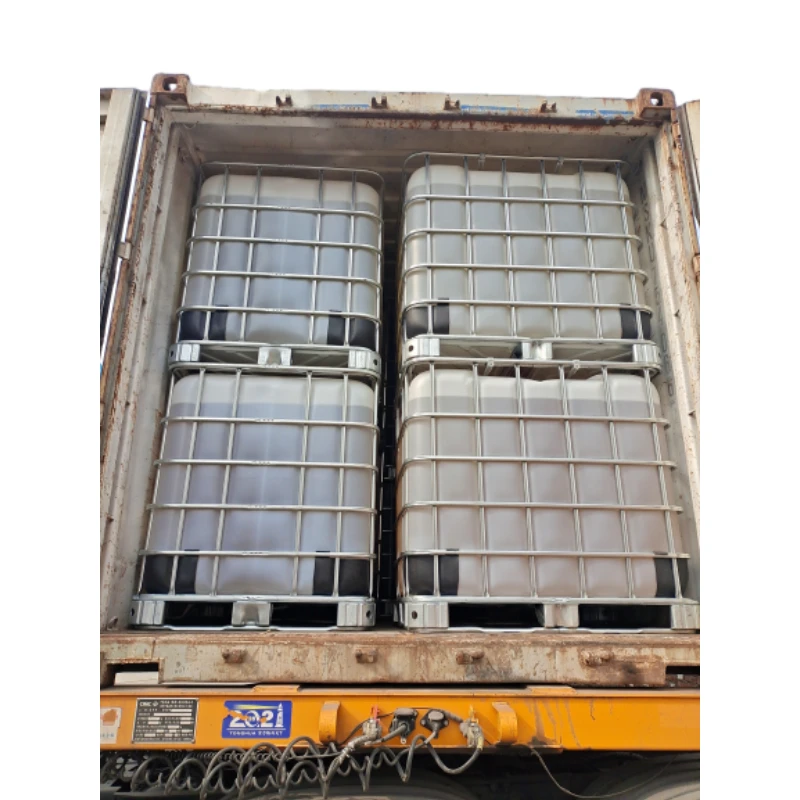
view more DiethanolisopropanolamineIn the ever-growing field of chemical solutions, diethanolisopropanolamine (DEIPA) stands out as a versatile and important compound. Due to its unique chemical structure and properties, DEIPA is of interest to various industries including construction, personal care, and agriculture. -
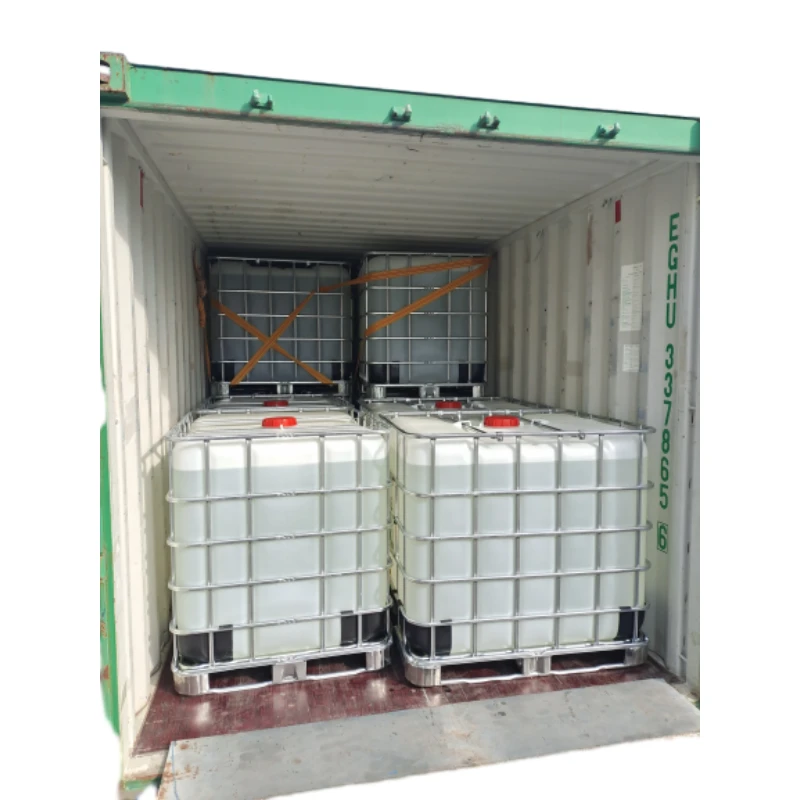
view more TriisopropanolamineTriisopropanolamine (TIPA) alkanol amine substance, is a kind of alcohol amine compound with amino and alcohol hydroxyl, and because of its molecules contains both amino and hydroxyl. -
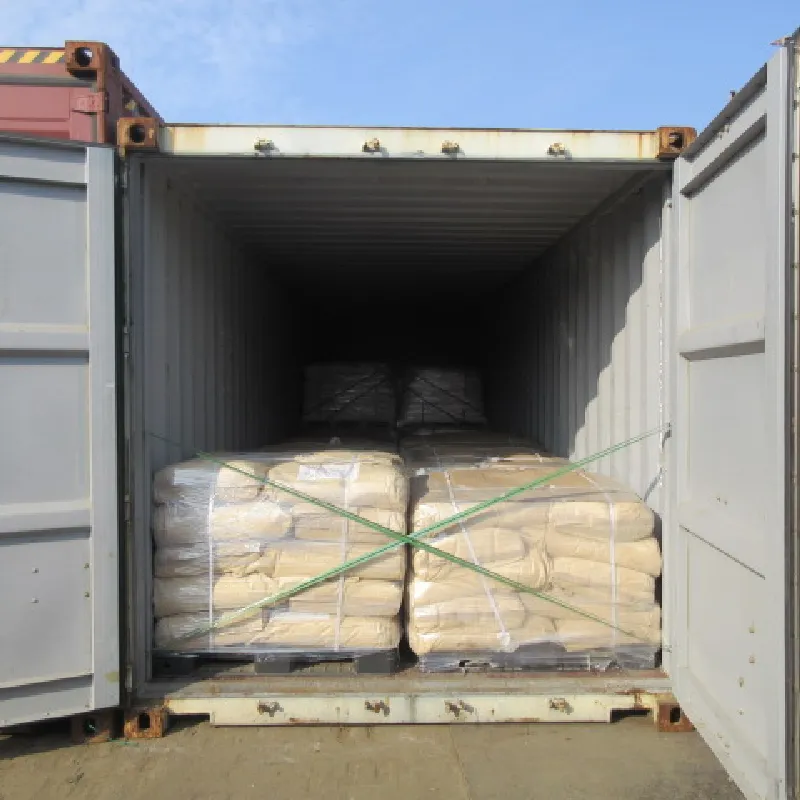
view more Tetramethyl Thiuram DisulfideTetramethyl thiuram disulfide, also known as TMTD, is a white to light-yellow powder with a distinct sulfur-like odor. It is soluble in organic solvents such as benzene, acetone, and ethyl acetate, making it highly versatile for use in different formulations. TMTD is known for its excellent vulcanization acceleration properties, which makes it a key ingredient in the production of rubber products. Additionally, it acts as an effective fungicide and bactericide, making it valuable in agricultural applications. Its high purity and stability ensure consistent performance, making it a preferred choice for manufacturers across various industries.