





The Essential Guide to Citric Acid Food Additive: Uses, Benefits & Global Trends
Citric Acid Food Additive: What It Is and Why It Matters Globally
Citric acid food additive is something many of us consume daily without really thinking about it. But this humble ingredient plays a surprisingly critical role in the global food industry — from preserving freshness to enhancing flavor, and even contributing to food safety. Frankly, understanding the significance of citric acid as a food additive helps us appreciate modern food production's complexity and technological advancement. Plus, with rising awareness about clean, safe ingredients, knowing about citric acid’s benefits and applications is more relevant than ever.
Introduction: The Global Context of Citric Acid in Food
Citric acid is one of the most widely used organic acids in the food sector worldwide. According to the International Organization for Standardization (ISO), tens of thousands of tons of citric acid are produced annually, primarily through fermentation processes. The global market for this additive is expected to grow steadily, fueled by increasing demand for processed foods and beverages. Oddly enough, despite its prevalence, many people don't realize just how crucial it is in addressing major challenges like food spoilage, safety, and even sustainability.
For instance, food waste is a staggering global problem, with the United Nations estimating that about one-third of all food produced is lost or wasted. Citric acid food additive helps combat this by extending shelf life naturally, reducing spoilage rates, and thereby supporting food security efforts internationally.
Defining Citric Acid Food Additive
In simplest terms, citric acid food additive is a weak organic acid naturally found in citrus fruits like lemons and limes. Industrially, it’s produced mainly via fermentation of sugars by Aspergillus niger mold, which is kind of fascinating if you think about it. As an additive, it serves multiple roles:
- Preservative — by lowering pH and creating an unfavorable environment for microbes.
- Flavor enhancer — introducing a mild tanginess.
- Acidulant — helping maintain food stability and color.
This versatility makes citric acid indispensable to many sectors, from soft drinks to canned goods, even pharmaceuticals and cosmetics.
Key Factors of Citric Acid Food Additive
1. Purity & Food Grade Standards
One cannot overlook the importance of the purity level of citric acid used as a food additive. Regulatory bodies like the FDA and EFSA set strict guidelines on acceptable limits of impurities. Food-grade citric acid must meet these standards to ensure safety and consumer trust.
2. Scalability of Production
Industrial production methods ensure that citric acid food additive is scalable to meet the growing food industry's needs. The common fermentation processes have been refined over decades for efficiency and environmental compliance.
3. Cost Efficiency
Compared with other preservatives and acidulants, citric acid is relatively low-cost, thanks in part to abundant raw materials and optimized production pathways. This makes it accessible even to food producers in developing regions.
4. Versatility in Application
Citric acid’s ability to function across varied food types—from dairy to baked goods to beverages—makes it a go-to additive. Plus, it pairs well with other preservatives or antioxidants to boost overall efficacy.
5. Environmental Impact
Oddly enough, because it's biodegradable and generally regarded as safe, citric acid scores well on environmental impact, especially compared to synthetic alternatives.
Product Specification Table: Typical Food-Grade Citric Acid
| Property | Specification |
|---|---|
| Appearance | White crystalline powder |
| Purity | ≥ 99.5% |
| pH (5% solution) | 1.7 - 2.0 |
| Heavy metals (Pb) | ≤ 5 ppm |
| Solubility | Soluble in water |
Global Applications & Real-World Use Cases
You’ll find citric acid everywhere, but specific regions and industries highlight its importance:
- Asia-Pacific: The rapidly growing processed food market here relies heavily on citric acid to meet consumer demand for convenience and freshness.
- Europe: Strict food safety regulations make citric acid crucial for compliance in dairy and beverage sectors.
- Post-disaster relief operations: Citric acid helps maintain food safety and quality for emergency rations, where refrigeration is scarce.
- Remote industrial zones: Food manufacturers use it to prolong shelf life and stabilize products during long transport times.
Vendor Comparison: Top Citric Acid Suppliers
| Supplier | Purity (%) | Monthly Capacity (tons) | Certifications | Region |
|---|---|---|---|---|
| Tenger Chemical | 99.9 | 2000 | ISO, FDA, Kosher | Asia |
| Company X | 99.5 | 1500 | ISO, FDA | Europe |
| Supplier Y | 99.7 | 1000 | FDA, Halal | North America |
Advantages & Long-Term Value of Citric Acid Additive
Citric acid scores highly in multiple dimensions: it’s affordable, safe, and multifunctional. From a sustainability standpoint, it supports reduced food waste and aligns with consumer demand for natural ingredients. Socially, it contributes to safer food supplies in vulnerable populations, which really underscores its value beyond economics.
Emotionally, it creates trust—food producers and consumers alike appreciate how citric acid helps keep products fresh and flavorful without synthetic chemicals. Innovation-wise, its integration with evolving food tech is only ramping up, which hints at even more exciting uses down the line.
Future Trends & Innovations
Looking ahead, there’s growing research on bio-based citric acid production that’s even more environmentally friendly. Digitally integrated supply chains are improving traceability from farm to table, also affecting how additives like citric acid are sourced and monitored.
Automation in production and packaging is speeding up delivery times. Furthermore, with the food industry increasingly focused on clean labels, citric acid’s natural origin is an important asset that companies leverage in marketing and regulatory compliance.
Challenges & Solutions in Using Citric Acid
Despite its many positives, citric acid does face some limitations. Sometimes excessive use can affect food texture or taste negatively. Sourcing quality raw materials consistently can also be tricky.
Innovations like enhanced purification technologies and blending with complementary natural additives help mitigate these drawbacks. Plus, ongoing dialogue between manufacturers, regulators, and researchers fosters safer, more efficient application guidelines.
FAQ: Frequently Asked Questions About Citric Acid Food Additive
- What is the difference between citric acid powder and liquid form for food use?
- Citric acid powder is the most common form used due to ease of measurement and longer shelf life. The liquid form is typically a solution for industrial applications or where quick mixing is needed. Both forms serve the same functions as additives.
- Is citric acid safe for children and pregnant women?
- Yes, when used within regulated limits, citric acid food additive is safe for all age groups, including pregnant women. It’s recognized as Generally Recognized As Safe (GRAS) by the FDA.
- Can citric acid help reduce food waste at home?
- Indeed, citric acid’s preservative power can extend shelf life in homemade preserves, canned foods, and beverages, reducing spoilage and waste.
- Are there any allergens associated with citric acid?
- Citric acid itself is not an allergen. However, people with mold allergies should note industrial citric acid production involves molds, though finished products are purified.
- Where can I buy food-grade citric acid in bulk?
- Reputable suppliers like Tenger Chemical offer bulk purchasing options with certifications for food safety and quality assurance.
Conclusion: Why Citric Acid Food Additive Matters Long-Term
Ultimately, citric acid represents much more than a simple sour taste; it’s a pillar of modern food technology supporting safety, quality, and sustainability worldwide. Whether you’re a manufacturer, distributor, or curious consumer, appreciating the role of this additive enriches our connection to the food we eat daily.
For those interested in sourcing reliable, food-grade citric acid, be sure to visit https://www.tengerchemical.com to learn more.
Mini Takeaway: Citric acid food additive is a natural, safe, and cost-effective solution to many modern food industry challenges, blending tradition with innovation.
References:
-
The Essential Guide to Sorbates as Food Preservatives for SafetyNewsApr.16,2026
-
The Ultimate Guide to Sorbate Preservative in Modern IndustryNewsApr.09,2026
-
Comprehensive Guide to Sodium Stearoyl Lactylate Emulsifier Applications and BenefitsNewsApr.07,2026
-
Comprehensive Guide to Sodium Cyclamate Sweetener Properties and ApplicationsNewsApr.04,2026
-
Comprehensive Guide to Sodium Citrate Food Additive and Its ApplicationsNewsMar.31,2026
-
Comprehensive Guide to Sodium Bicarbonate Food Additive Applications and BenefitsNewsMar.28,2026
-
Understanding Sodium Benzoate Preservative in Cosmetics and Its ApplicationsNewsMar.26,2026
Hebei Tenger Chemical Technology Co., Ltd. focuses on the chemical industry and is committed to the export service of chemical raw materials.
-
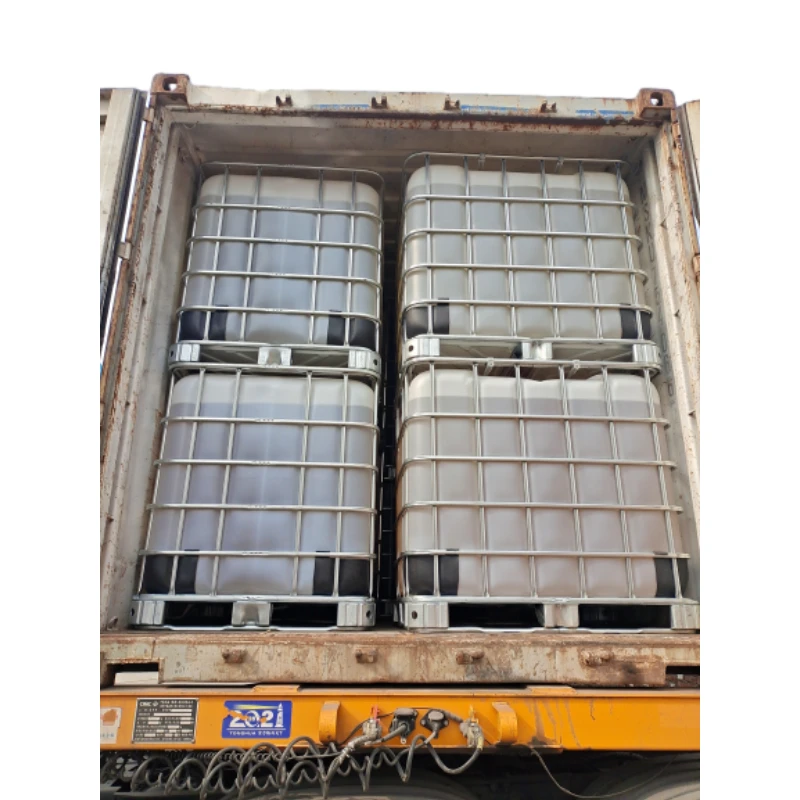
view more DiethanolisopropanolamineIn the ever-growing field of chemical solutions, diethanolisopropanolamine (DEIPA) stands out as a versatile and important compound. Due to its unique chemical structure and properties, DEIPA is of interest to various industries including construction, personal care, and agriculture. -
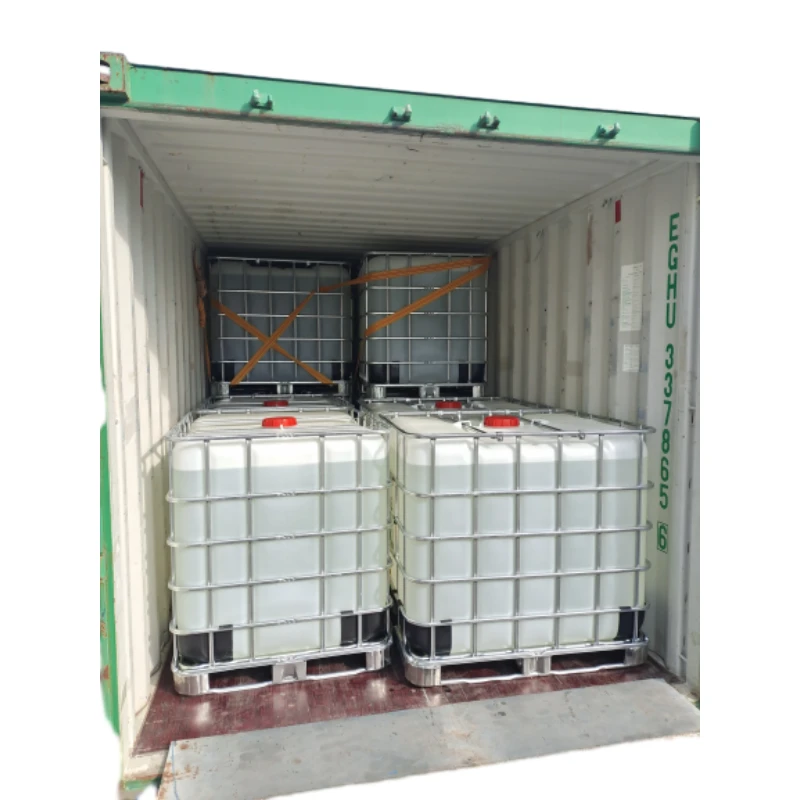
view more TriisopropanolamineTriisopropanolamine (TIPA) alkanol amine substance, is a kind of alcohol amine compound with amino and alcohol hydroxyl, and because of its molecules contains both amino and hydroxyl. -

view more Tetramethyl Thiuram DisulfideTetramethyl thiuram disulfide, also known as TMTD, is a white to light-yellow powder with a distinct sulfur-like odor. It is soluble in organic solvents such as benzene, acetone, and ethyl acetate, making it highly versatile for use in different formulations. TMTD is known for its excellent vulcanization acceleration properties, which makes it a key ingredient in the production of rubber products. Additionally, it acts as an effective fungicide and bactericide, making it valuable in agricultural applications. Its high purity and stability ensure consistent performance, making it a preferred choice for manufacturers across various industries.