





The Vital Role of Citric Acid Preservative in Global Food and Product Safety
Understanding Citric Acid Preservative: Its Role and Importance Globally
Citric acid preservative isn’t just a fancy term tossed around in food science or cosmetics; it's a quietly powerful player in global preservation technology. Whether you’re munching on a tangy snack or applying skincare, it’s quite likely this humble molecule is at work, keeping things safe, fresh, and effective. But this goes beyond convenience—on a global scale, mastering how to use citric acid preservatives smartly can improve food security, reduce waste, and even aid humanitarian efforts.
Why does it matter so much? Because preserving products safely and sustainably is a challenge that transcends borders. Growth in global food demand, increasing attention to natural and organic solutions, and the need for longer shelf lives in remote areas all point to citric acid preservatives as a subtle but vital answer.
Global Context: Why Citric Acid Preservation Matters Today
The Food and Agriculture Organization of the United Nations reports that roughly one-third of all food produced globally is wasted. Citizens in less developed regions face spoilage due to limited refrigeration or transport. Citric acid preservative, a natural organic acid found in citrus fruits, is extensively employed to curb microbial growth and oxidation—key culprits in spoilage. According to ISO 22000 standards on food safety, controlling such factors ensures consumer health and extends product usability.
Frankly, the challenge is striking a balance between effective preservation and safety. Synthetic preservatives have their drawbacks, and consumers increasingly prefer natural alternatives. Citric acid really shines here because it’s biodegradable, widely available, and cost-effective. It helps industries and NGOs respond to consumer demands while tackling spoilage and contamination issues.
Defining Citric Acid Preservative
Simply put, a citric acid preservative is an additive derived from citric acid used mainly to slow down spoilage in various products—food, beverages, cosmetics, even pharmaceuticals. It acts primarily by lowering pH and chelating metal ions, which in effect inhibits the growth of bacteria, yeasts, and molds.
This connection to modern industries is crucial. As demands for clean-label ingredients rise, citric acid preservative fits neatly into preserving without artificial chemicals. In some humanitarian relief contexts, where refrigeration access is limited, its presence in food rations can extend shelf life significantly to reduce waste and health risk.
Core Aspects of Citric Acid Preservative
Effectiveness in Microbial Control
Citric acid's acidic nature disrupts microbial enzymatic activity, slowing spoilage. It’s especially effective against certain bacteria and molds, making it a trusted agent in the preservative arsenal.
Compatibility with Natural Formulations
Many manufacturers favor formulations avoiding synthetic chemicals. Citric acid fits well because it occurs naturally and blends easily without harsh side effects.
Cost Efficiency
While not the cheapest preservative outright, citric acid’s abundance and multifunctionality mean fewer ingredient needs overall, lowering net costs.
Environmental Sustainability
Biodegradable and derived from renewable sources, it plays into sustainable product cycles, helping brands meet increasingly strict regulatory standards and consumer expectations.
Scalability for Industrial Use
Large-scale citric acid production is well-established globally, making sourcing reliable—whether in manufacturing cosmetics, beverages, or pharmaceuticals.
Citric Acid Preservative in Global Applications
Its use is wide-ranging. In Asia and Europe, food and beverage producers incorporate it to extend the shelf life of juices, canned fruits, dairy products, and jams. Cosmetic companies worldwide use it to maintain product integrity. Health organizations involved in disaster relief in Africa and South America rely on citric acid-preserved foods for durability during shipping and storage.
For example, in humanitarian aid contexts, bottled drinks fortified with citric acid preservatives ensure safe hydration and vitamin delivery when refrigeration isn’t an option. Oddly enough, some remote industrial zones deploy it to stabilize water treatment chemicals, underscoring versatility.
Advantages & Long-Term Value of Citric Acid Preservative
- Cost Savings: Reduced spoilage equals less waste and replenishment expense.
- Sustainability: Helps companies lean towards green chemistry.
- Consumer Trust: Natural origin appeals to health-conscious markets.
- Safety Improvement: Limits harmful microbial contamination risks.
- Innovation Potential: Enables clean-label product creativity.
Combining logic and emotion, citric acid preservative works quietly behind the scenes, ensuring products remain safe and trustworthy—something consumers often take for granted, but industries prize dearly.
Product Specification Table: Common Citric Acid Preservative Grades
| Specification | Food Grade | Pharmaceutical Grade | Industrial Grade |
|---|---|---|---|
| Purity (%) | ≥ 99.5 | ≥ 99.9 | ≥ 98.0 |
| Heavy Metals (ppm) | ≤ 5 | ≤ 1 | ≤ 20 |
| Moisture (%) | ≤ 0.5 | ≤ 0.2 | ≤ 1.5 |
| Typical Usage | Food & Beverage | Medicine & Supplements | Industrial Cleaning & Buffer |
Vendor Comparison Table
| Feature | Tenger Chemical | Vendor A | Vendor B |
|---|---|---|---|
| Purity | ≥ 99.7% | ≥ 99.5% | ≥ 98.8% |
| Certifications | ISO 9001, ISO 22000 | ISO 9001 | None |
| Sourcing | Non-GMO Corn / Citrus | Synthetic | Agricultural Waste |
| Delivery Time | 7-10 Days | 10-15 Days | 15-20 Days |
| Price Competitiveness | High | Medium | Low |
Future Trends & Innovations in Citric Acid Preservation
The future looks promising for citric acid preservatives. Innovations focus on greener production methods—like fermentation using renewable feedstocks—and enhancing synergistic blends with other natural compounds to boost efficacy. Automation in manufacturing ensures consistent quality, while digital tracking allows better supply chain transparency and compliance with evolving regulations on food safety and natural labeling.
Common Challenges and How Experts Address Them
One ongoing challenge is that citric acid alone may not cover the full spectrum of microbial threats, requiring complementary preservatives. Some manufacturers struggle with taste changes in sensitive products, too. Experts recommend optimizing concentrations and pairing with natural antimicrobials. Rigorous testing and adapting formulations by region and climate really help overcome these hurdles.
FAQ: Common Questions About Citric Acid Preservative
- Q: Is citric acid preservative safe for children and infants?
A: Yes, at regulated levels it is Generally Recognized As Safe (GRAS) by authoritative bodies like the FDA, making it suitable in many baby foods and formulas. - Q: How does citric acid compare to synthetic preservatives?
A: While synthetic preservatives often provide broader antimicrobial coverage, citric acid is favored for natural labeling, biodegradability, and fewer allergic reactions. - Q: Can citric acid preservative extend shelf life in tropical climates?
A: It helps, especially when combined with refrigeration or other preservation methods, but it’s not a standalone solution for high humidity and heat. - Q: What industries besides food use citric acid preservatives?
A: Cosmetics, pharmaceuticals, and cleaning products frequently use citric acid for preservation and pH adjustment.
Conclusion
In sum, citric acid preservative holds a vital spot in the ever-evolving tapestry of global preservation strategies. Its natural origin, safety profile, and effectiveness make it invaluable for food security, sustainable manufacturing, and humanitarian operations. If you want to explore more about how citric acid preservative can benefit your products or projects, feel free to visit Tenger Chemical—a trusted partner leading in quality and innovation in this sphere.
Mini takeaway: Understanding citric acid preservative isn’t just a technical detail—it’s an entry point into safer, more sustainable products and global food security.
References:
It feels like every ingredient on a label has a story—and for citric acid preservative, it’s one of innovation, care, and quiet efficiency that touches people worldwide.
-
The Essential Guide to Sorbates as Food Preservatives for SafetyNewsApr.16,2026
-
The Ultimate Guide to Sorbate Preservative in Modern IndustryNewsApr.09,2026
-
Comprehensive Guide to Sodium Stearoyl Lactylate Emulsifier Applications and BenefitsNewsApr.07,2026
-
Comprehensive Guide to Sodium Cyclamate Sweetener Properties and ApplicationsNewsApr.04,2026
-
Comprehensive Guide to Sodium Citrate Food Additive and Its ApplicationsNewsMar.31,2026
-
Comprehensive Guide to Sodium Bicarbonate Food Additive Applications and BenefitsNewsMar.28,2026
-
Understanding Sodium Benzoate Preservative in Cosmetics and Its ApplicationsNewsMar.26,2026
Hebei Tenger Chemical Technology Co., Ltd. focuses on the chemical industry and is committed to the export service of chemical raw materials.
-
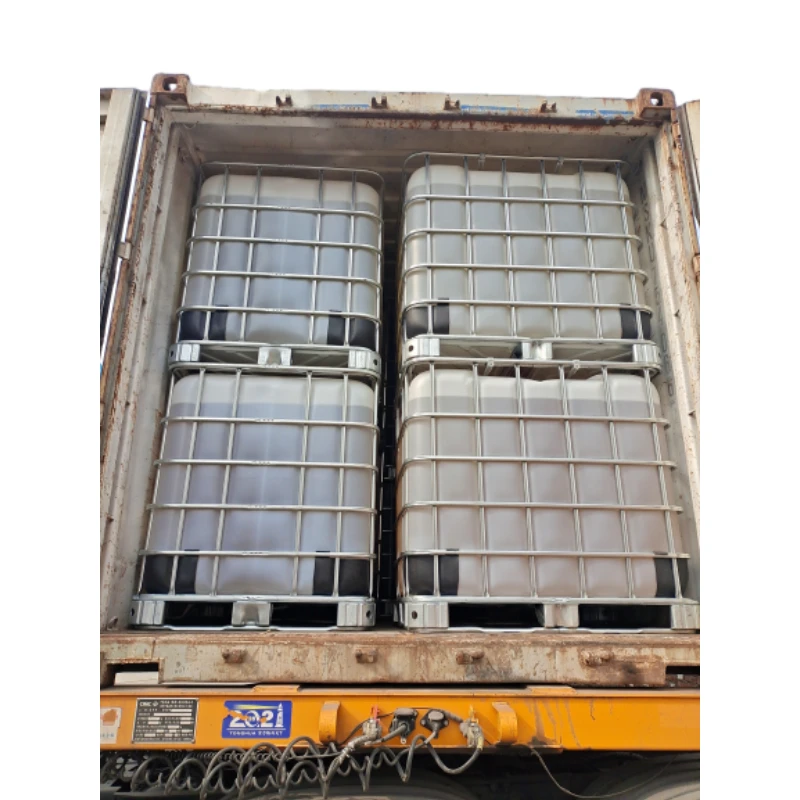
view more DiethanolisopropanolamineIn the ever-growing field of chemical solutions, diethanolisopropanolamine (DEIPA) stands out as a versatile and important compound. Due to its unique chemical structure and properties, DEIPA is of interest to various industries including construction, personal care, and agriculture. -
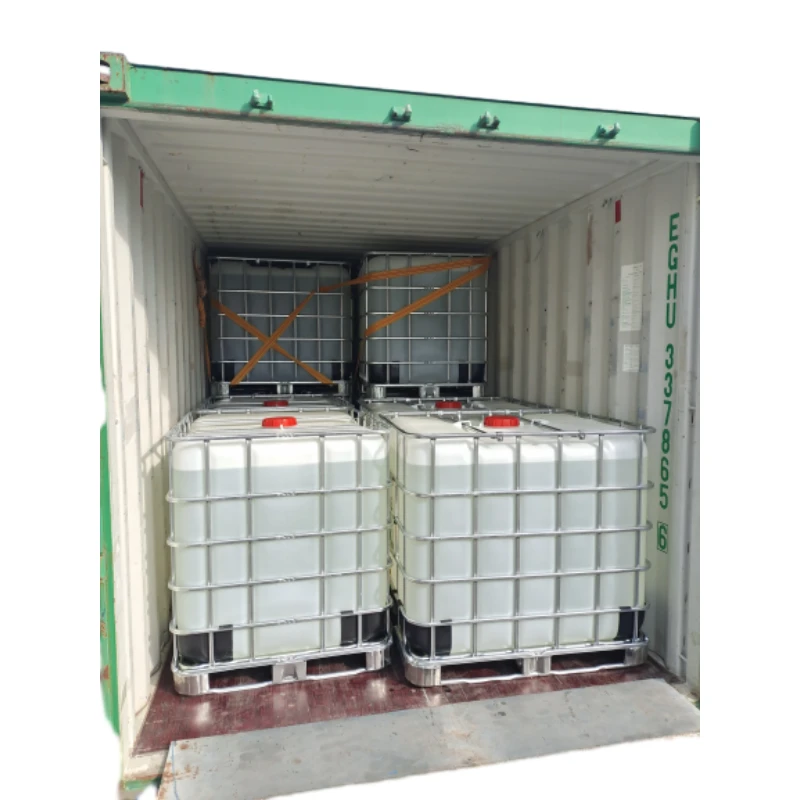
view more TriisopropanolamineTriisopropanolamine (TIPA) alkanol amine substance, is a kind of alcohol amine compound with amino and alcohol hydroxyl, and because of its molecules contains both amino and hydroxyl. -

view more Tetramethyl Thiuram DisulfideTetramethyl thiuram disulfide, also known as TMTD, is a white to light-yellow powder with a distinct sulfur-like odor. It is soluble in organic solvents such as benzene, acetone, and ethyl acetate, making it highly versatile for use in different formulations. TMTD is known for its excellent vulcanization acceleration properties, which makes it a key ingredient in the production of rubber products. Additionally, it acts as an effective fungicide and bactericide, making it valuable in agricultural applications. Its high purity and stability ensure consistent performance, making it a preferred choice for manufacturers across various industries.