





Understanding Anticaking Agents in Salt – Global Benefits & Innovations
Anticaking Agent in Salt: Why It’s More Important Than You Think
Salt. It’s one of those everyday essentials you probably don’t think twice about, but behind the scenes, keeping salt free-flowing and clump-free is a subtle art. This is where the anticaking agent in salt plays a starring role—helping industries, humanitarian efforts, and millions of households worldwide maintain product quality and reliability. Understanding this tiny additive unveils a global story of chemistry, logistics, food safety, and humble innovation that keeps things running smoothly, literally without a hitch.
So why does anticaking matter on a global scale? Imagine large-scale food distribution networks in developing countries or salt supplied to coastal industries. When moisture or humidity hits, salt can cake into hard lumps—messing with everything from packaging to precise industrial processes. The right anticaking agents fix this. So let’s unpack how these tiny powder-perfecting compounds fit into the bigger picture.
Global Context: Tackling a Universal Challenge
According to the United Nations Food and Agriculture Organization, salt is not just table seasoning—it’s fundamental in food preservation, water treatment, and even in chemical manufacturing. Globally, salt consumption stands at roughly 300 million tons annually (1), and all of this salt faces the same enemy: moisture-induced clumping.
Whether you’re shipping to a tropical port in Southeast Asia or storing salt in a temperate European warehouse, anticaking agents guard product consistency. The problem? Approximately 20–30% of salt shipments without proper anticaking compounds show degraded quality by the time they reach consumers (2). That’s costly waste and potential health concerns. Thus, the need for effective anticaking agents in salt is more than a packaging issue; it’s an industry-wide essential.
What Exactly Is an Anticaking Agent in Salt?
Put simply, an anticaking agent is a natural or synthetic substance added to table salt (and other powdered products) to prevent lumps or aggregation. Their job is to combat moisture, reduce friction between particles, and keep salt free-flowing.
Think of anticaking agents as microscopic traffic controllers, constantly preventing the tiny salt grains from sticking together as humidity and packaging shifts challenge their dryness. Without them, salt would quickly turn into a hardened rock—useless for sprinkling, processing, or even measuring accurately.
Beyond the kitchen, these agents play vital roles in industries like food processing, chemical manufacturing, and humanitarian aid, where powder flowability can impact everything from machine operation to nutritional delivery (e.g., iodized salt quality).
Key Factors Behind Effective Anticaking Agents
1. Hygroscopicity Control
The best agents manage how moisture interacts with salt crystals—absorbing or repelling water just right to prevent clumps. Common agents like calcium silicate or magnesium carbonate absorb moisture before the salt does.
2. Particle Size Compatibility
Anticaking agents need particle sizes compatible with salt grains — too large or dense, and they won’t mix evenly, which can cause unexpected clumps or separation.
3. Food Safety and Regulatory Approval
Since salt is consumed daily, anticaking agents must meet strict food safety standards like FDA or EFSA regulations, ensuring no harmful residues.
4. Cost Efficiency and Scalability
Given salt’s large annual production, anticaking agents must be affordable and easy to apply in huge volumes without compromising quality.
5. Environmental Impact
Increasingly, producers prefer anticaking agents with minimal ecological footprints and biodegradability, aligning with sustainability goals.
Real World Uses: How Anticaking Agents Keep Salt Ready Everywhere
- Food Industry: Prevent clumping in table and industrial salts used in seasoning, baking, and preserving.
- Humanitarian Relief: Aid workers distribute iodine-fortified salt in post-disaster zones where humidity reigns. Anticaking agents ensure packets arrive usable.
- Chemical Sector: Salt used in water treatment plants needs reliable flow to feed automated dosing systems.
- Winter Maintenance: Road salts spread during icy conditions benefit from additives preventing wet caking in storage garages.
In fact, many remote regions, such as parts of Sub-Saharan Africa or coastal South Asia, rely heavily on well-packaged salts stabilized with anticaking agents to avoid spoilage during high-humidity seasons.
Product Specification Table: Typical Anticaking Agent in Salt
| Specification | Description |
|---|---|
| Chemical Type | Calcium Silicate |
| Appearance | White, odorless powder |
| Particle Size | 5 - 40 microns |
| Dosage Rate | 0.25% - 0.5% weight/weight |
| Moisture Absorption | Up to 2.5 times own weight |
| Food Safety | GRAS / EFSA approved |
Comparing Top Anticaking Agent Vendors
| Vendor | Product Type | Price Range (per ton) | Food Grade Certification | Sustainability |
|---|---|---|---|---|
| Tenger Chemical | Calcium Silicate | $800–$1,200 | FDA / EFSA | Low environmental impact |
| ChemDust Ltd. | Magnesium Carbonate | $1,000–$1,400 | EFSA | Moderate |
| SaltSafe Co. | Tricalcium Phosphate | $900–$1,100 | FDA Certified | Low |
Why Use Anticaking Agents in Salt? The Long-Term Value
Practically, anticaking agents save money by reducing waste and improving shelf life. But beyond the ledger, they bring dignity and safety to food distribution. Imagine a disaster relief package where salt lumps into an unusable block—something so trivial in affluent places becomes a real hurdle in affected communities.
They also support innovation in packaging and distribution methods. Many engineers say the reliability of free-flowing salt has allowed them to automate food seasoning in large-scale kitchens, and even ensure accurate micronutrient delivery in iodine-enriched salt products.
In social terms, anticaking agents foster trust between brands and consumers, keeping product promise intact. “You get what you pack” rings true here, especially when billions rely on salt for health and hygiene.
Future Trends & Emerging Innovations
Looking ahead, anticaking technology is moving towards greener solutions. Biopolymer-based agents and nano-scale additives promise more efficient moisture control with less environmental impact. Automation now integrates inline moisture sensors to adjust anticaking dosing dynamically during salt milling — quite a leap from the “sprinkle and mix” days.
Digital transformation also helps trace additive origins, pushing transparency and better regulatory compliance. And as anticaking agent in salt demand surges globally, manufacturers race to offer customizable blends targeting regional climate specifics — a smart way to reduce spoilage in humid tropical markets versus dry colder zones.
Challenges and How to Overcome Them
One big issue is balancing anticaking agent dosage — too little, and salt cakes; too much, and you risk altering flavor or violating regulations. Also, uneven mixing at scale can cause patchy performance, frustrating quality control teams.
Experts recommend advanced mixing technologies, real-time moisture monitoring, and supplier audits to ensure consistent product performance. Choosing trusted vendors like Tenger Chemical, with decades of industry insight, often minimizes these headaches.
Frequently Asked Questions About Anticaking Agent in Salt
Q1: What types of anticaking agents are safest for food-grade salt?
A: Agents like calcium silicate, tricalcium phosphate, and magnesium carbonate are widely recognized as safe when used within recommended limits and approved by FDA or EFSA standards.
Q2: Can anticaking agents affect the taste of salt?
A: When correctly dosed, anticaking agents have no perceptible taste. Overdosing, however, may slightly alter flavor, so quality-controlled application is crucial.
Q3: How does humidity impact salt quality without anticaking agents?
A: Without effective anticaking agents, salt absorbs moisture, leading to caking and hard lumps that are difficult to use, reducing shelf life and causing inconsistent seasoning.
Q4: Are there eco-friendly anticaking agents available?
A: Yes, modern research is developing biodegradable, plant-based agents and reducing reliance on synthetic compounds to meet sustainability targets.
Q5: How can manufacturers ensure even distribution of anticaking agents in salt?
A: Employing advanced blending machinery and inline quality checks help achieve homogeneous mixing to prevent localized clumping or overconcentration.
Wrapping It Up: Why Small Agents Make a Big Difference
In the grand scheme, the anticaking agent in salt might seem like a small player—but it’s a linchpin of quality, consistency, and trust worldwide. From enabling global food supply chains to supporting lifesaving relief efforts, these additives quietly but decisively improve how we store, transport, and use one of humanity’s oldest essentials.
If you want to explore high-quality, food-grade anticaking agents and ensure your salt products never let you down, don’t hesitate to visit Tenger Chemical’s website. Their expertise and commitment to sustainability are just the kind of partnership today’s global salt market needs.
And that’s a wrap on anticaking science. Oddly satisfying, isn’t it? Salt without lumps — a tiny victory of chemistry for our everyday lives.
References:
- United Nations Food and Agriculture Organization, Salt Consumption Statistics, 2023.
- International Salt Association Report on Hygroscopicity and Quality Loss, 2022.
- EFSA Guidance on Food Additives, 2023.
-
The Essential Guide to Sorbates as Food Preservatives for SafetyNewsApr.16,2026
-
The Ultimate Guide to Sorbate Preservative in Modern IndustryNewsApr.09,2026
-
Comprehensive Guide to Sodium Stearoyl Lactylate Emulsifier Applications and BenefitsNewsApr.07,2026
-
Comprehensive Guide to Sodium Cyclamate Sweetener Properties and ApplicationsNewsApr.04,2026
-
Comprehensive Guide to Sodium Citrate Food Additive and Its ApplicationsNewsMar.31,2026
-
Comprehensive Guide to Sodium Bicarbonate Food Additive Applications and BenefitsNewsMar.28,2026
-
Understanding Sodium Benzoate Preservative in Cosmetics and Its ApplicationsNewsMar.26,2026
Hebei Tenger Chemical Technology Co., Ltd. focuses on the chemical industry and is committed to the export service of chemical raw materials.
-
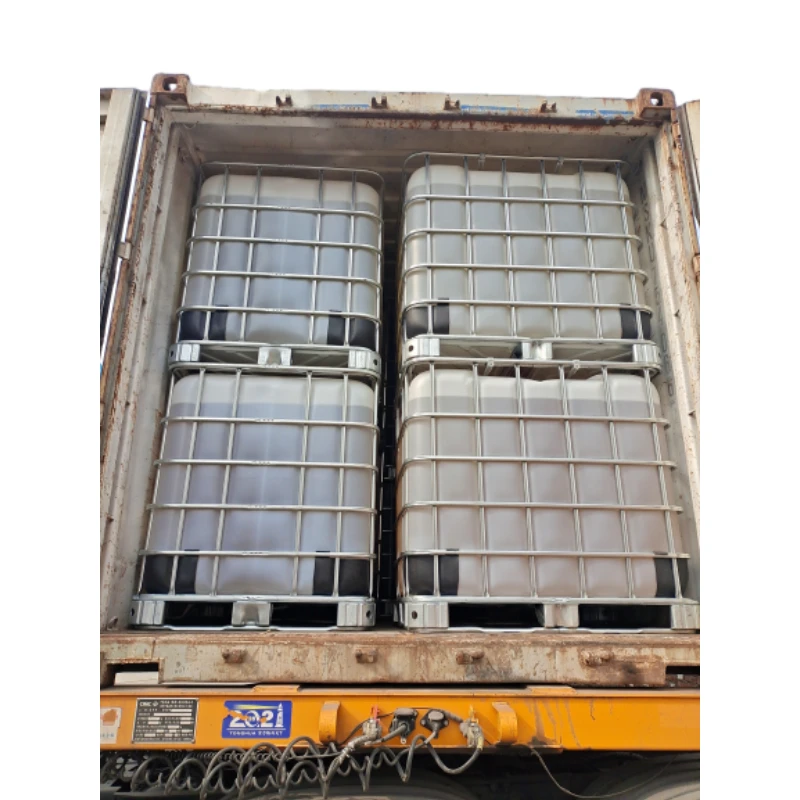
view more DiethanolisopropanolamineIn the ever-growing field of chemical solutions, diethanolisopropanolamine (DEIPA) stands out as a versatile and important compound. Due to its unique chemical structure and properties, DEIPA is of interest to various industries including construction, personal care, and agriculture. -
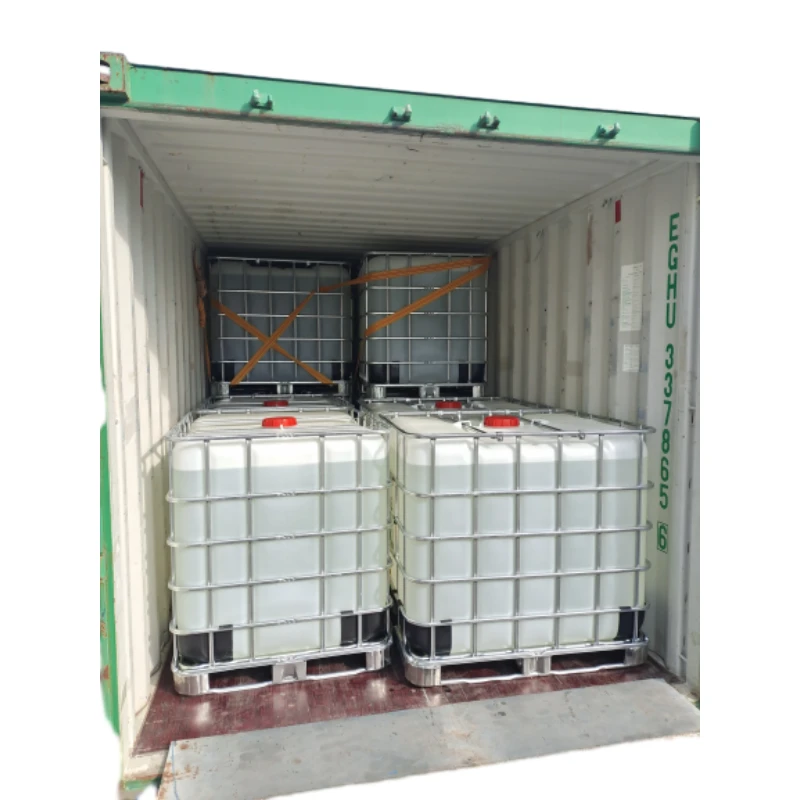
view more TriisopropanolamineTriisopropanolamine (TIPA) alkanol amine substance, is a kind of alcohol amine compound with amino and alcohol hydroxyl, and because of its molecules contains both amino and hydroxyl. -
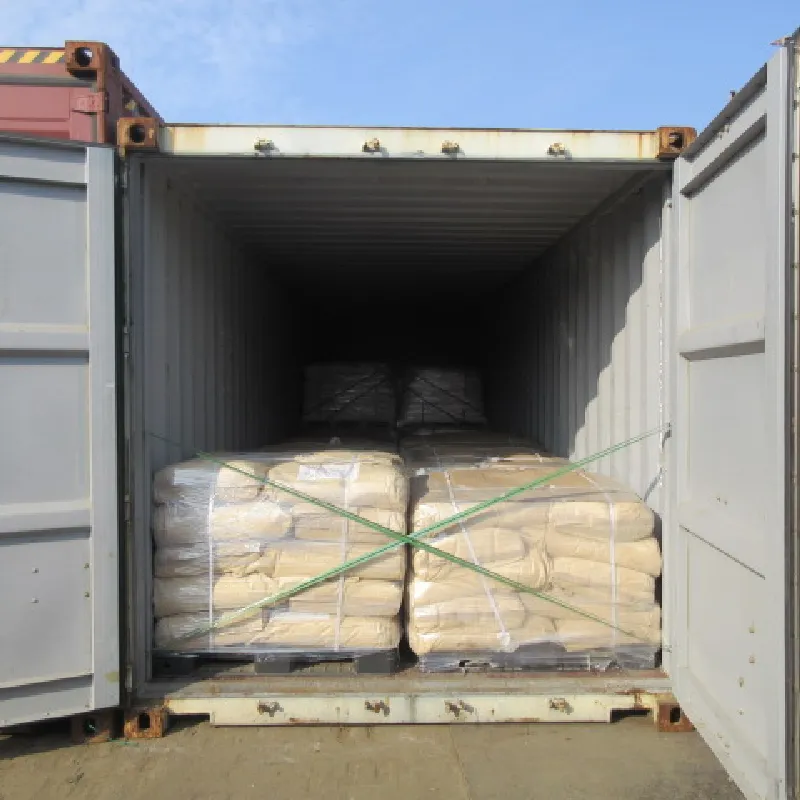
view more Tetramethyl Thiuram DisulfideTetramethyl thiuram disulfide, also known as TMTD, is a white to light-yellow powder with a distinct sulfur-like odor. It is soluble in organic solvents such as benzene, acetone, and ethyl acetate, making it highly versatile for use in different formulations. TMTD is known for its excellent vulcanization acceleration properties, which makes it a key ingredient in the production of rubber products. Additionally, it acts as an effective fungicide and bactericide, making it valuable in agricultural applications. Its high purity and stability ensure consistent performance, making it a preferred choice for manufacturers across various industries.