





Understanding Carrageenan Gelling Agent – Benefits, Uses, and Industry Insights
Understanding Carrageenan Gelling Agent: What It Is and Why It Matters
If you’ve ever enjoyed your favorite ice cream or marveled at the smooth texture of a processed meat product, odds are you’ve encountered the effects of carrageenan gelling agent without really realizing it. This natural polysaccharide extracted from red seaweed plays an outsize role globally—not just in food, but in pharmaceuticals, cosmetics, and more. Frankly, it’s kind of a silent hero in today’s industrial landscape.
Why should we care? Simply put, mastering carrageenan gelling agents means unlocking better, more sustainable food preservation, enhanced product textures, and even potential humanitarian benefits in food aid. Plus, with increasing demand for natural additives rather than synthetic ones, understanding this agent’s role feels more crucial than ever.
Global Context: How Carrageenan Fits Into Our Industry and World
Globally, the carrageenan market is projected to grow significantly, with reports from the UN Food and Agriculture Organization (FAO) highlighting a steady rise in seaweed farming since the early 2000s—primarily in countries like Indonesia, the Philippines, and Ireland. This growth is driven by the rising need for natural food thickeners and gelling agents in processed foods as well as non-food products. Interestingly, the World Bank notes that seaweed cultivation not only supports coastal economies but also promotes marine ecosystem health, giving a double win.
However, the industry also faces challenges—sustainable harvesting, supply chain transparency, and quality consistency among them. Carrageenan gelling agents step into this space as natural, renewable, and versatile ingredients that can address these problems better than some synthetic alternatives.
Defining Carrageenan Gelling Agent
Simply put, carrageenan is an extract from red seaweed used as a gelling, thickening, and stabilizing agent. It's a family of linear sulfated polysaccharides and exists mainly in three types: kappa, iota, and lambda — each yielding different textures from firm gels to soft, elastic curds.
Its modern industrial uses stretch across food manufacturing—to improve texture and moisture retention in dairy and meat products—into pharmaceuticals, where it stabilizes emulsions and suspensions. More interestingly, carrageenan gelling agent is even finding ground in humanitarian applications, such as improving shelf life and safety of nutrition aids sent to disaster-stricken zones.
Key Factors of Carrageenan Gelling Agent
1. Versatility in Texture Formation
The main strength of carrageenan is how it behaves in water, interacting with proteins and salts to form a spectrum of gel strengths. Kappa carrageenan forms strong, brittle gels, whereas iota yields more elastic gels. This versatility offers food manufacturers the flexibility to tailor textures to their product needs.
2. Stability and Shelf Life Enhancement
By stabilizing emulsions and suspensions, carrageenan prevents phase separation, keeping products consistent during storage—a crucial factor for refrigerated or frozen goods.
3. Cost Efficiency and Natural Sourcing
Compared to synthetic thickeners, carrageenan is competitively priced, especially as seaweed cultivation scales. Its natural origin also appeals to the rising consumer demand for “clean-label” products.
4. Compatibility and Safety
Extensive testing (ISO and FDA standards) confirms that carrageenan is safe at regulated concentrations. It works well with common food ingredients without off-flavors or toxicity concerns, making it reliable.
5. Environmental Impact
Seaweed farming can sequester carbon and requires no freshwater or fertilizers, marking carrageenan as a sustainable alternative to petrochemical-based gelling agents.
Global Applications & Use Cases
Across continents, carrageenan is a quiet powerhouse. In North America and Europe, it is widely used in dairy product manufacturing, such as chocolate milk and yogurts, to improve mouthfeel. In Asia, where seaweed is part of traditional diets, carrageenan extraction supports rural economies.
In post-disaster relief efforts, organizations incorporate carrageenan in ready-to-use therapeutic foods (RUTF), such as nutrient-dense spreads, because it helps improve texture and shelf life—critical when delivery logistics are complicated or unreliable.
Furthermore, the cosmetics industry utilizes carrageenan for gels and lotions, appreciating its moisturizing qualities and natural label. Even certain pharmaceutical suspensions rely on it for precise dosage and texture control.
Advantages & Long-Term Value
- Economic sustainability: Helps maintain affordable prices while boosting rural economies via seaweed farming.
- Environmental benefits: Seaweed cultivation can reduce ocean acidification and enhance biodiversity.
- Consumer trust: Certifications on natural sourcing resonate with ethically minded buyers.
- Innovative potential: Enables new textures and product innovations previously impossible or costly.
On an emotional note, it offers a sense of safety and dignity—especially important in humanitarian food formulations where texture and palatability influence acceptance and nutrition.
Future Trends & Innovations
Looking ahead, one exciting prospect is the integration of biotechnologies to improve yields and tailor carrageenan extraction to be more efficient and environmentally friendly. Digital transformation in quality control—using spectroscopy and AI—allows real-time monitoring, ensuring batch consistency.
In parallel, greener methods of processing carrageenan—such as enzymatic instead of chemical extraction—are gaining ground, reducing waste and energy consumption. This aligns nicely with the global push toward sustainable food systems under frameworks like the UN’s Sustainable Development Goals.
Challenges & Solutions
Of course, it’s not all straightforward. Supply chain fragility—due to climate impacts on seaweed beds—and occasional misinformation about carrageenan’s safety pose hurdles.
Experts recommend diversified farming locations and transparent certification to mitigate risks. There's also ongoing research clarifying health implications, aiming to dispel myths and ensure consumer confidence. Innovation in blending carrageenan with other natural polymers helps optimize functionality while reducing any unwanted effects.
Frequently Asked Questions About Carrageenan Gelling Agent
- Is carrageenan safe to consume?
- When used within regulatory limits, carrageenan is recognized as safe by agencies like the FDA and EFSA. It’s been used in food for decades without verified adverse health effects.
- What types of carrageenan should I choose for food products?
- Kappa carrageenan is ideal for firm gels, iota for elastic, soft gels, and lambda for thickening without gelling. Selection depends on your texture goals.
- Can carrageenan be used in non-food industries?
- Yes. Cosmetics, pharmaceuticals, and even some industrial applications leverage it for thickening, stabilizing, or emulsifying properties.
- How is carrageenan sourced sustainably?
- Via certified seaweed farms that follow responsible harvesting, limiting environmental impact and promoting marine biodiversity.
- Where can I find reliable carrageenan suppliers?
- Look for vendors with ISO or equivalent certifications, transparent sourcing, and proven quality control systems, like those listed in our comparison table above.
Product Specification Table: Typical Carrageenan Grades
| Type | Gel Texture | Water Solubility | Typical Applications |
|---|---|---|---|
| Kappa | Firm, brittle | Cold water soluble | Dairy desserts, processed meats |
| Iota | Elastic, soft | Cold water soluble | Jellies, toothpaste |
| Lambda | Non-gelling, thickening | Cold water soluble | Beverages, sauces |
Vendor Comparison Table: Top Carrageenan Suppliers
| Supplier | Certification | Price Range (USD/kg) | Sustainability Practices | Global Reach |
|---|---|---|---|---|
| Tenger Chemical | ISO 9001, FDA | 3.5 – 4.5 | Certified seaweed farms, eco-friendly extraction | Asia, Europe, Americas |
| GlobalSeaweed Co. | ISO 22000 | 3.8 – 4.8 | Sustainable harvest, carbon offset programs | Europe, North America |
| MarineGels Ltd. | FDA | 3.2 – 4.2 | Locally sourced, manual processing | Asia-Pacific |
Mini takeaway: Carrageenan gelling agent is an adaptable, natural ingredient harmonizing industry demand with sustainability goals—a rare and valuable combination.
Conclusion: Why Carrageenan Matters Long-Term
To wrap things up, the carrageenan gelling agent isn’t just some obscure additive. It’s a key enabler of innovation, sustainability, and food security on a global scale. Whether you’re formulating a new dairy dessert, stabilizing pharmaceuticals, or supporting disaster relief nutrition, it bridges needs with nature’s solutions. And that’s pretty powerful.
Interested in exploring high-quality carrageenan options? Feel free to visit our website at https://www.tengerchemical.com to learn more about trusted suppliers, certifications, and cutting-edge developments.
Oddly enough, embracing these natural gelling agents feels a bit like rediscovering an ancient secret adapted for modern times. Seaweed, the humble ocean plant, quietly shaping the future of food and industry—that’s something worth knowing.
References:
-
The Essential Guide to Sorbates as Food Preservatives for SafetyNewsApr.16,2026
-
The Ultimate Guide to Sorbate Preservative in Modern IndustryNewsApr.09,2026
-
Comprehensive Guide to Sodium Stearoyl Lactylate Emulsifier Applications and BenefitsNewsApr.07,2026
-
Comprehensive Guide to Sodium Cyclamate Sweetener Properties and ApplicationsNewsApr.04,2026
-
Comprehensive Guide to Sodium Citrate Food Additive and Its ApplicationsNewsMar.31,2026
-
Comprehensive Guide to Sodium Bicarbonate Food Additive Applications and BenefitsNewsMar.28,2026
-
Understanding Sodium Benzoate Preservative in Cosmetics and Its ApplicationsNewsMar.26,2026
Hebei Tenger Chemical Technology Co., Ltd. focuses on the chemical industry and is committed to the export service of chemical raw materials.
-
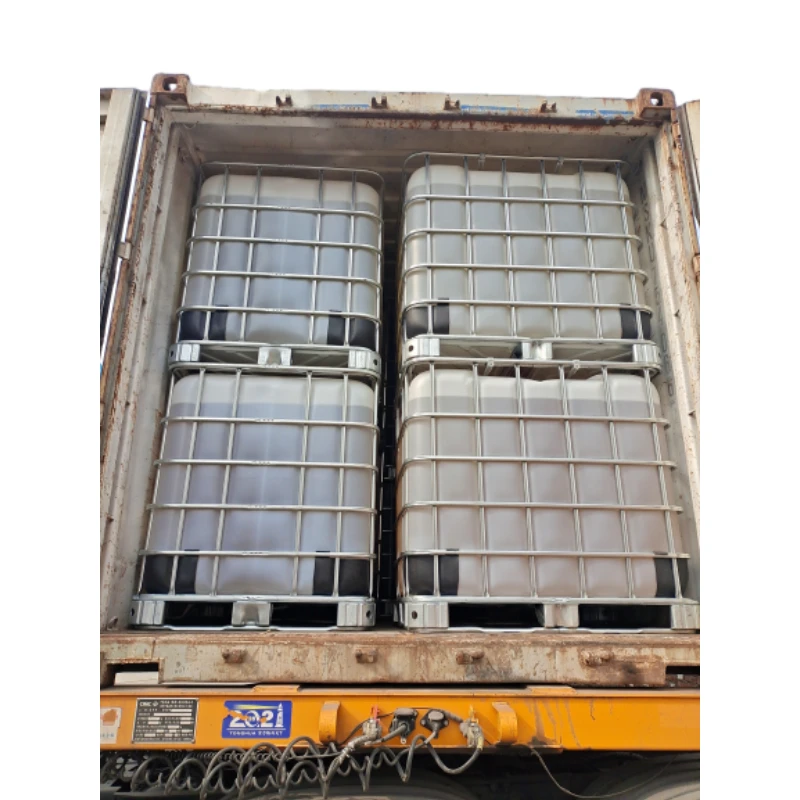
view more DiethanolisopropanolamineIn the ever-growing field of chemical solutions, diethanolisopropanolamine (DEIPA) stands out as a versatile and important compound. Due to its unique chemical structure and properties, DEIPA is of interest to various industries including construction, personal care, and agriculture. -
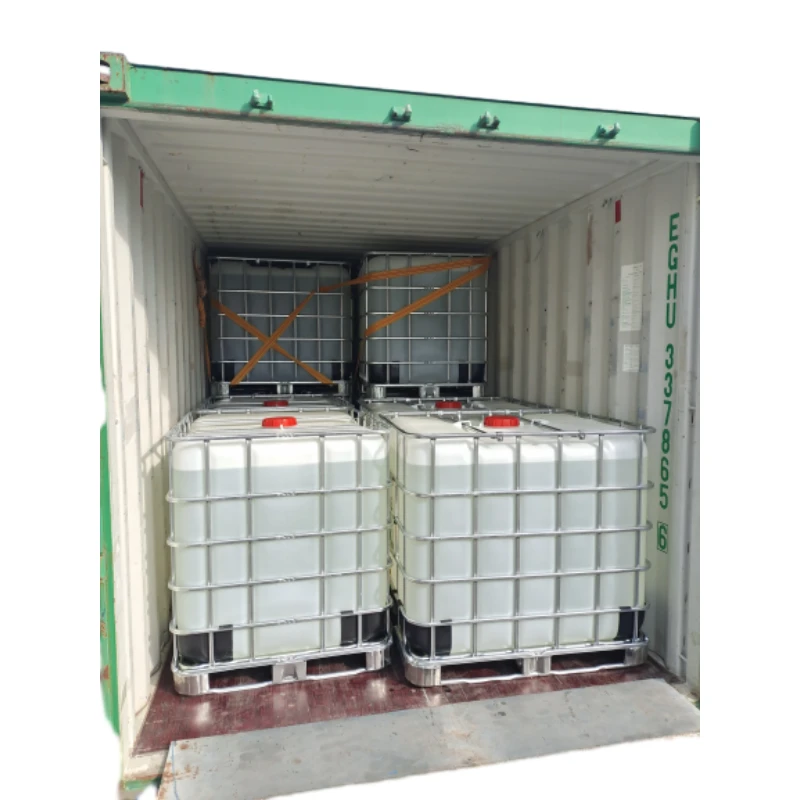
view more TriisopropanolamineTriisopropanolamine (TIPA) alkanol amine substance, is a kind of alcohol amine compound with amino and alcohol hydroxyl, and because of its molecules contains both amino and hydroxyl. -
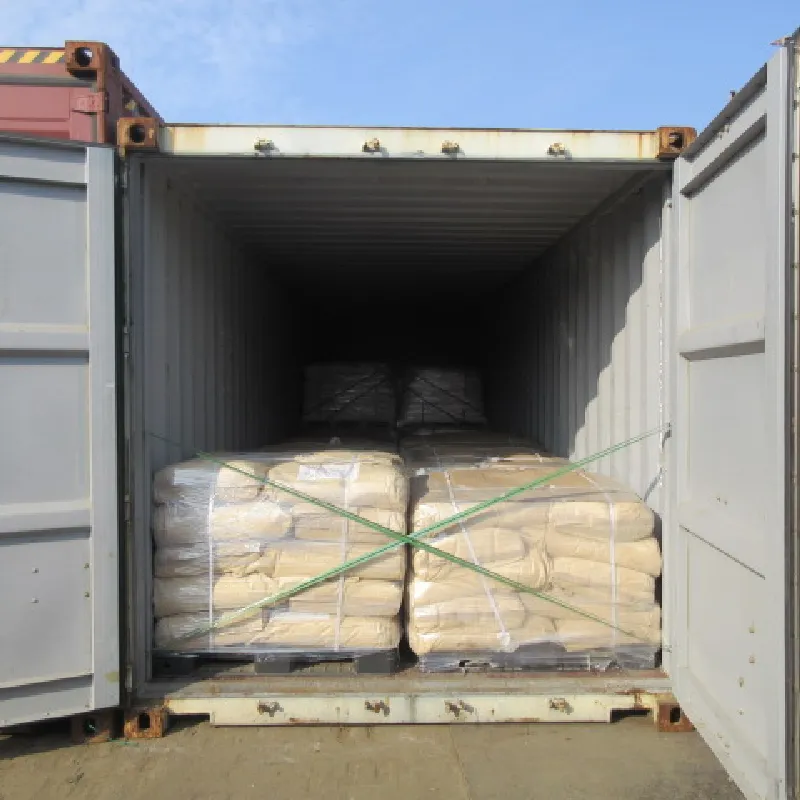
view more Tetramethyl Thiuram DisulfideTetramethyl thiuram disulfide, also known as TMTD, is a white to light-yellow powder with a distinct sulfur-like odor. It is soluble in organic solvents such as benzene, acetone, and ethyl acetate, making it highly versatile for use in different formulations. TMTD is known for its excellent vulcanization acceleration properties, which makes it a key ingredient in the production of rubber products. Additionally, it acts as an effective fungicide and bactericide, making it valuable in agricultural applications. Its high purity and stability ensure consistent performance, making it a preferred choice for manufacturers across various industries.