




Carrageenan Thickener: Natural Solutions for Sustainable Industry and Innovation
Understanding Carrageenan Thickener: A Vital Ingredient in Modern Industry
If you’ve ever wondered how your favorite dairy or plant-based products maintain their perfect creaminess or why some sauces cling so delightfully to your fork, you’re already experiencing the magic of carrageenan thickener. More than just a food additive, carrageenan plays a subtle but crucial role across a range of industries worldwide. Given its natural origins and versatile performance, understanding this remarkable substance is both fascinating and increasingly relevant in today’s sustainability-focused markets.
Why Carrageenan Thickener Matters Globally
Globally, the demand for natural, plant-derived thickeners is growing fast. According to recent market research, the carrageenan market is expected to expand at a steady CAGR of around 5% over the next decade. This growth is driven by an increasing consumer preference for clean-label products and a broader shift towards more sustainable manufacturing practices.[1]
Beyond consumer goods, carrageenan thickener also helps solve practical challenges in food preservation, pharmaceutical formulations, and even personal care items. Frankly, its ability to stabilize emulsions and gels without synthetic chemicals puts it in a unique position compared to alternatives.
What Is Carrageenan Thickener?
In simple terms, carrageenan thickener is a natural polysaccharide extracted from red seaweeds (specifically from the Rhodophyceae family). It’s primarily used to enhance texture, improve viscosity, and stabilize products — think of it as nature’s handy “texture fixer.”
Carrageenan’s relevance goes beyond cooking or food science. It aligns with global humanitarian needs by supporting better shelf life for emergency food rations and offering biodegradable, sustainable solutions for industries aiming to reduce synthetic additives.
Key Factors That Make Carrageenan Thickener Stand Out
- Natural Origin & Sustainability: Derived from seaweed, carrageenan is renewable and biodegradable. Unlike many synthetic thickeners, it carries less environmental baggage.
- Versatility: It works across temperature ranges and pH levels — which makes it invaluable for complex formulations.
- Safety & Regulatory Approval: Recognized as safe by the FDA and EFSA, it meets strict food and pharmaceutical standards worldwide.[2]
- Cost Efficiency: Compared to alternatives like xanthan gum or guar gum, carrageenan often requires lower dosages for similar effects, reducing overall costs.
- Functional Performance: It provides excellent gel strength and suspension stability, crucial in dairy, plant milk, meat processing, and even cosmetics.
All these elements combine to make carrageenan thickener a kind of Swiss Army knife for industrial formulators — simple, effective, and reliable.
Product Specifications at a Glance
| Specification | Typical Value |
|---|---|
| Source | Red seaweed (Kappaphycus, Eucheuma) |
| Type | Kappa, Iota, Lambda variants |
| Appearance | Fine off-white powder |
| Solubility | Cold and hot water soluble |
| Viscosity Range | 50–2000 cP (varies by type and concentration) |
| pH Stability | 4 to 10 (depending on variant) |
Global Applications & Use Cases of Carrageenan Thickener
Applications of carrageenan thickener are diverse and often region-specific. For example:
- Food Industry: In North America and Europe, carrageenan is widely used in dairy products, plant-based milk alternatives, sausages, and bakery fills to improve mouthfeel and extend shelf life.
- Pharmaceuticals: European pharma companies rely on carrageenan’s film-forming properties for tablets and gels.
- Cosmetics: In Asia, it’s gaining ground in skincare formulations for smooth texture and enhanced moisture retention.
- Emergency Relief: UN agencies and NGOs incorporate carrageenan in ready-to-eat meal formulations providing stable nutrition in disaster zones.
Oddly enough, in remote industrial zones like parts of Africa and South America, companies use carrageenan-enhanced products for more reliable food and cosmetic supply chains where refrigeration is scarce.
Vendor Comparison: Popular Carrageenan Suppliers
| Vendor | Product Variants | Sustainability Practices | Pricing | Global Reach |
|---|---|---|---|---|
| Tenger Chemical | Kappa, Iota, Lambda | Seaweed sustainably harvested | Competitive, volume discounts | Global Distribution |
| CP Kelco | Multiple grades | Certified sustainable sourcing | Premium pricing | Global |
| Gelymar | Kappa, Iota mix | Focus on traceability | Mid-range pricing | Primarily Americas |
Advantages & Long-Term Value of Carrageenan Thickener
From a practical standpoint, the advantages of using carrageenan thickener are striking:
- Cost-effectiveness: Lower dosing requirements equal savings at scale.
- Sustainability: Being plant-based, it supports corporate goals of reducing fossil fuel dependency and plastic pollution.
- Consistency & Reliability: Ensures product uniformity batch-to-batch, critical for brand trust.
- Social Impact: Supports seaweed farming communities in coastal regions, offering economic empowerment.
Moreover, in emergency relief or harsh environments, the safety and stability carrageenan brings can literally make a difference in human dignity and health — that’s real-world value you don’t see every day.
Future Trends & Innovations in Carrageenan Thickener
The horizon looks bright. Innovations are pushing carrageenan use beyond traditional boundaries. For instance, biotech firms are exploring enzyme-assisted extraction to improve purity and reduce environmental footprint.[3] Likewise, combinations of carrageenan with other biopolymers are reshaping cosmetic formulations to boost skin benefits while staying eco-friendly.
Digitally powered supply chains and AI are also becoming game changers in predicting raw material availability and quality, thus reducing waste and optimizing costs. These trends align perfectly with global sustainability frameworks like the UN SDGs.
Challenges & Solutions in Carrageenan Thickener Use
No product is without odds. Often, carrageenan faces criticism over digestive intolerance in sensitive individuals, although recent studies suggest this usually links to degraded forms, not food-grade variants.[2] Another challenge is supply chain volatility due to environmental conditions affecting seaweed harvests.
Solutions lie in more transparent sourcing, improved processing technologies, and educating end-users on product safety. Partnerships between suppliers, industry groups, and researchers are key to ensuring quality and sustainability in the future.
FAQ: Frequently Asked Questions About Carrageenan Thickener
- Q: How safe is carrageenan thickener for human consumption?
- A: Food-grade carrageenan has been approved by global regulatory agencies like the FDA and EFSA. It’s generally recognized as safe when used within recommended levels. Concerns mainly pertain to degraded forms, which are not present in food products.
- Q: Can carrageenan thickener be used in vegan and plant-based foods?
- A: Absolutely. Carrageenan is a plant-derived ingredient from seaweed, making it a popular choice in vegan dairy alternatives for improving texture and creaminess.
- Q: How does carrageenan compare to other natural thickeners like guar or xanthan gum?
- A: Carrageenan often requires lower concentration doses, offers stronger gelation, and performs well in a wider pH range. However, some formulations benefit from blending thickeners for optimal results.
- Q: What are the environmental impacts of carrageenan production?
- A: When harvested sustainably, seaweed farming can be carbon negative, help with nutrient cycling, and avoid deforestation. Responsible farming practices are essential to minimize ecological footprints.
Conclusion: Why Carrageenan Thickener Will Continue to Matter
To wrap it up, carrageenan thickener is more than just an industrial additive — it’s a natural solution meeting the demands of modern industries for effective, safe, and sustainable functionality. Its broad global usage, combined with ongoing innovations and responsible sourcing, suggests that carrageenan will remain essential in helping formulators and manufacturers create better products with less impact.
Curious to see how carrageenan thickener can enhance your product line? Visit Tenger Chemical for expert guidance and quality supply.
It feels like the more we understand these natural ingredients, the better we can harness their potential for a sustainable future...
References
-
The Essential Guide to Sorbates as Food Preservatives for SafetyNewsApr.16,2026
-
The Ultimate Guide to Sorbate Preservative in Modern IndustryNewsApr.09,2026
-
Comprehensive Guide to Sodium Stearoyl Lactylate Emulsifier Applications and BenefitsNewsApr.07,2026
-
Comprehensive Guide to Sodium Cyclamate Sweetener Properties and ApplicationsNewsApr.04,2026
-
Comprehensive Guide to Sodium Citrate Food Additive and Its ApplicationsNewsMar.31,2026
-
Comprehensive Guide to Sodium Bicarbonate Food Additive Applications and BenefitsNewsMar.28,2026
-
Understanding Sodium Benzoate Preservative in Cosmetics and Its ApplicationsNewsMar.26,2026
Hebei Tenger Chemical Technology Co., Ltd. focuses on the chemical industry and is committed to the export service of chemical raw materials.
-
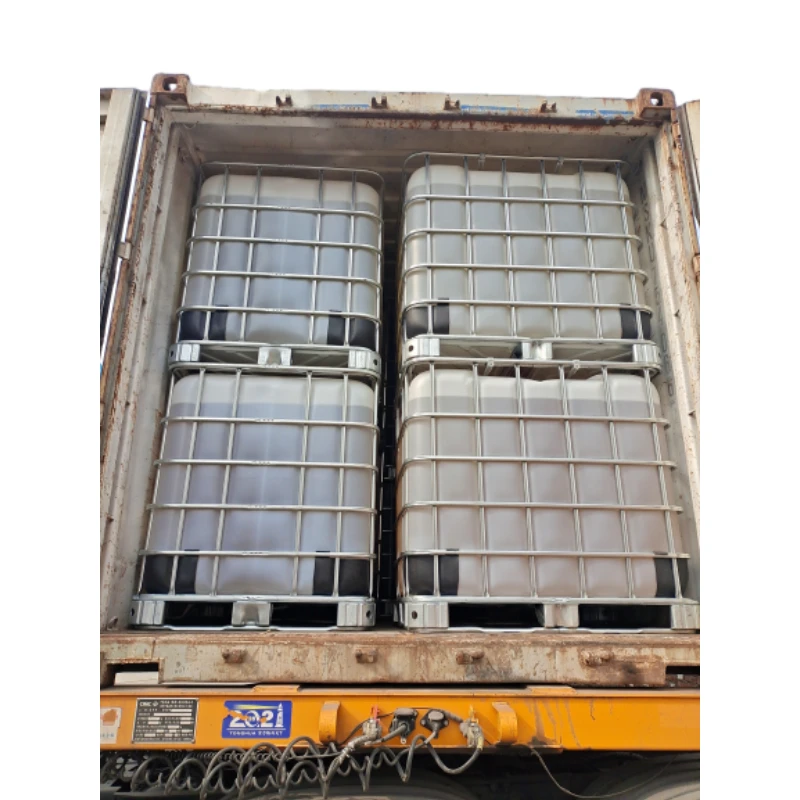
view more DiethanolisopropanolamineIn the ever-growing field of chemical solutions, diethanolisopropanolamine (DEIPA) stands out as a versatile and important compound. Due to its unique chemical structure and properties, DEIPA is of interest to various industries including construction, personal care, and agriculture. -
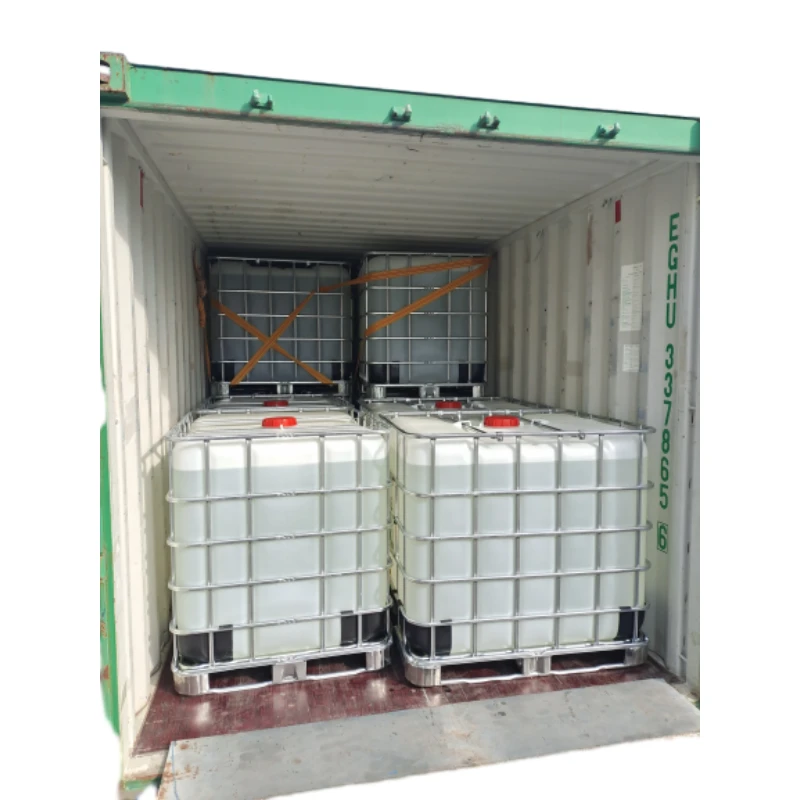
view more TriisopropanolamineTriisopropanolamine (TIPA) alkanol amine substance, is a kind of alcohol amine compound with amino and alcohol hydroxyl, and because of its molecules contains both amino and hydroxyl. -
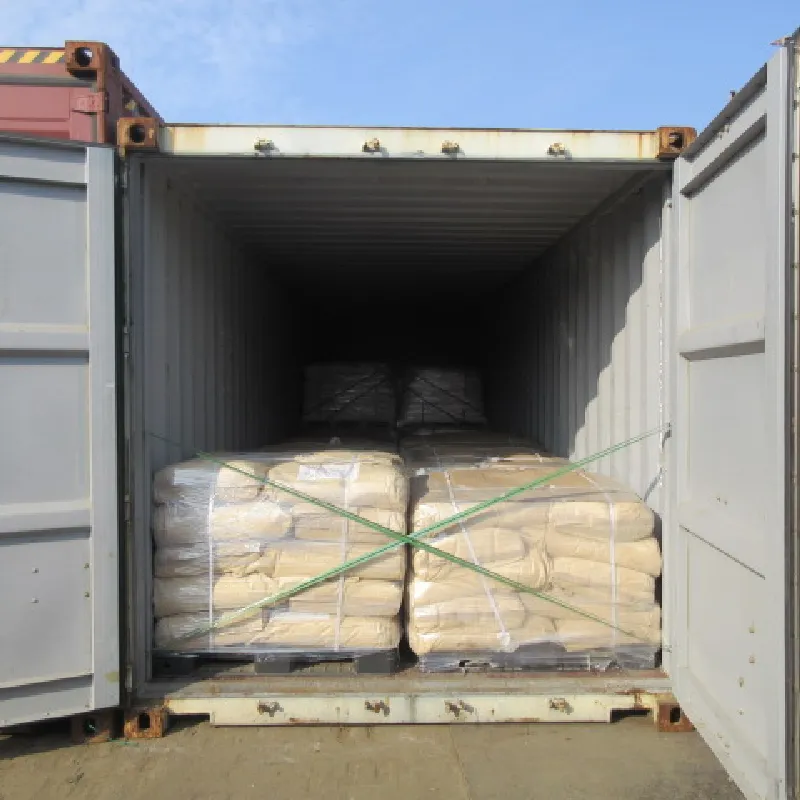
view more Tetramethyl Thiuram DisulfideTetramethyl thiuram disulfide, also known as TMTD, is a white to light-yellow powder with a distinct sulfur-like odor. It is soluble in organic solvents such as benzene, acetone, and ethyl acetate, making it highly versatile for use in different formulations. TMTD is known for its excellent vulcanization acceleration properties, which makes it a key ingredient in the production of rubber products. Additionally, it acts as an effective fungicide and bactericide, making it valuable in agricultural applications. Its high purity and stability ensure consistent performance, making it a preferred choice for manufacturers across various industries.