





Comprehensive Guide to Acidity Regulator 296: Uses, Benefits & Suppliers
Why Acidity Regulator 296 Matters in Today’s World
Imagine a tiny ingredient in your food that quietly keeps everything balanced and safe — that’s exactly what acidity regulator 296 does. It’s a vital additive used across food industries globally to maintain precise pH levels, ensuring taste, texture, and shelf life remain optimal. Understanding acidity regulators like 296 isn’t just food geek territory; it ties into global supply chains, health standards, and even sustainability efforts. With the world’s food systems under increasing pressure — from climate change to rising food demands — these humble additives help keep everything consistent and safe.
In real terms, acidity regulators help foods stay fresh longer, taste better, and stay stable during transport. More than that, they play a quiet but essential role in food safety and consumer trust. If you’ve ever enjoyed a perfectly balanced yogurt or a fizzy drink that didn’t turn sour too soon, you’ve probably tasted the difference it makes.
The Global Relevance of Acidity Regulator 296
According to the FAO and ISO food safety standards, food product stability is a worldwide challenge. The global food additives market was valued at over $20 billion in 2023, with acidity regulators forming a substantial slice of that. In particular, acidity regulator 296, often used in acidic beverages and processed foods, helps manufacturers maintain consistency amid variable raw materials.
But here’s the rub: with increasingly complex supply chains that stretch across continents, controlling acidity can get tricky. From tropical fruit juices to European dairy products, the regulator helps companies overcome these hurdles — ensuring products reach consumers just as intended. Without this balance, flavors might skew off, spoilage might increase, and food waste could spike.
What Exactly is Acidity Regulator 296?
Acidity regulator 296 is typically a food additive code that designates a specific acidifier or buffering agent used to control the pH in food and beverages. While the actual chemical behind the “296” can vary slightly depending on regulatory frameworks, it often refers to malic acid — a naturally occurring acid found in many fruits.
This acid helps modulate acidity in foods, enhancing tartness, flavor complexity, and microbial stability. It’s favored because it’s recognized as safe by numerous global agencies, including the US FDA and the European Food Safety Authority. Its connection to natural fruit acids makes it preferable to some more synthetic alternatives.
In humanitarian terms, acidity regulator 296 is also used in food aid formulations. It's essential for maintaining the quality of donated food items during long storage and transportation to crisis zones.
Key Characteristics of Acidity Regulator 296
pH Control and Stability
At its core, acidity regulator 296 serves as a buffer to keep food products within a specific pH range. This is crucial to prevent spoilage, maintain texture, and stabilize flavors. Many engineers say it’s the secret behind consistent taste buds worldwide, and frankly, they’re right.
Flavor Enhancement
Malic acid brings a pleasant tartness rather than a sharp acidic bite. It enhances flavors without overpowering, which is why it’s preferred in candies, beverages, and baked goods. It’s kind of like a gentle symphony conductor, ensuring all flavors play nicely together.
Compatibility with Other Ingredients
It works harmoniously with sugars, preservatives, and sweeteners, making it versatile for various product types. Oddly enough, this synergy helps reduce the quantity of preservatives needed, indirectly aiding cleaner labels.
Safety and Regulations
Approved globally under food additive codes, acidity regulator 296 must meet strict purity and dosage guidelines. Manufacturers conduct regular tests to comply with authorities like the Codex Alimentarius, ensuring consumer safety remains paramount.
Sourcing and Sustainability
Malic acid can be derived both naturally (from fruit fermentation) or synthesized chemically. With growing green chemistry trends, the push for bio-based sources is strengthening. This is where future innovations are likely to shine.
How Is Acidity Regulator 296 Used Globally?
From the vineyards of France to beverage plants in the United States, acidity regulator 296 finds a vast array of applications:
- Beverage Industry: Used in fruit juices, sodas, and energy drinks for tartness and preservation.
- Dairy Processing: Helps control acidity in flavored yogurts and fermented milk products.
- Confectionery: Controls sourness in candies and gum.
- Food Aid: Keeps large-scale prepared meals and ration packs fresh during long-haul distribution to disaster zones.
Regions benefiting include Europe, North America, and growing markets across Asia and Africa. In disaster relief efforts, its role cannot be overstated. Emergency nutrition depends on stable, safe products that acidity regulators help ensure, even in extreme transport conditions.
Product Specification Overview
| Specification | Details |
|---|---|
| Chemical Name | Malic Acid (E296) |
| Appearance | White crystalline powder |
| Solubility | Highly soluble in water |
| pH Range (1% solution) | 2.0 to 3.0 |
| Usage Limits | Up to 0.5% w/w, varies by food type and regulation |
| Storage | Cool, dry place away from moisture |
Comparing Top Vendors of Acidity Regulator 296
| Vendor | Origin | Purity (%) | Certifications | Price Range (per kg) |
|---|---|---|---|---|
| Tenger Chemical | China | >99.5% | ISO, HACCP, FDA | $3.00 – $4.50 |
| Brenntag | Germany | >99.0% | ISO, FSSC 22000 | $4.00 – $5.50 |
| Cargill | USA | >99.7% | USDA Organic, Non-GMO | $4.50 – $6.00 |
The Lasting Value of Acidity Regulator 296
Using acidity regulator 296 isn’t just about meeting regulatory checkboxes or ticking flavor boxes. It’s about delivering safety and reliability to millions of consumers while supporting sustainability goals. Reduced spoilage means less waste, which feeds into global efforts to combat food loss — something the UN Food Systems Summit highlights as crucial.
There’s also a social impact angle: by helping maintain food quality in aid packages, it supports dignity and nutrition for vulnerable populations. And on a more personal note, it helps innovators craft exciting new flavors and healthier snacks that delight consumers.
Future Innovations on the Horizon
With rising interest in green chemistry, expect bio-fermentation to dominate malic acid production soon, reducing fossil fuel dependency. Digital tech is also helping monitor acidity levels precisely during manufacturing, improving consistency and cutting defects. Automation in ingredient dosing helps manufacturers adapt quickly to new recipes or local taste preferences.
Regulation might tighten too, pushing suppliers to provide cleaner labels and clearer sourcing disclosures. This aligns well with consumers wanting transparency and natural ingredients.
Common Challenges and Expert Solutions
One hurdle with acidity regulator 296 is sensitivity to heat and moisture during storage. Ineffective storage can degrade quality or cause clumping. Innovative packaging with moisture barriers is increasingly common — and adopting just-in-time delivery models helps minimize storage risks.
Another challenge is uneven affects in complex matrices or multi-ingredient formulations. Food scientists use models and small-scale tests to dial in precise dosages, avoiding unpleasant aftertastes or stability issues.
FAQ: Common Questions About Acidity Regulator 296
- Q: Is acidity regulator 296 safe for children and pregnant women?
- A: Yes, when used within regulated limits, acidity regulator 296 (malic acid) is safe for all population groups, including children and pregnant women. It naturally occurs in many fruits and has good safety profiles confirmed by global agencies.
- Q: Can acidity regulator 296 replace citric acid in recipes?
- A: In some cases, yes. Malic acid offers a milder, longer-lasting tartness compared to citric acid and might provide better flavor balance. However, it depends on the specific product and sensory goals.
- Q: How should I store acidity regulator 296 for best shelf life?
- A: Store it in a cool, dry environment away from direct sunlight and humidity. Airtight packaging is recommended to prevent moisture absorption which can affect quality.
- Q: Is acidity regulator 296 suitable for vegan products?
- A: Generally, yes. Malic acid sourced via fermentation or chemical synthesis is vegan-friendly, but always check supplier certification if this is critical to your product.
- Q: How do regulations vary globally for acidity regulator 296?
- A: Most countries approve malic acid under similar conditions, but maximum usage levels and labeling rules may differ. It’s best to consult local food safety authorities or detailed standards.
In Closing: Why Acidity Regulator 296 Deserves Your Attention
It’s remarkable how a seemingly minor additive shapes so much of our daily food experience and broader food security efforts. Acidity regulator 296 helps manufacturers deliver both safety and flavor consistency while enabling modern food systems to be more resilient and sustainable.
If you want to explore more about how acidity regulator 296 could enhance your food production or distribution, I highly recommend visiting Tenger Chemical’s website — their expertise and product quality certainly stand out in this space.
-
The Essential Guide to Sorbates as Food Preservatives for SafetyNewsApr.16,2026
-
The Ultimate Guide to Sorbate Preservative in Modern IndustryNewsApr.09,2026
-
Comprehensive Guide to Sodium Stearoyl Lactylate Emulsifier Applications and BenefitsNewsApr.07,2026
-
Comprehensive Guide to Sodium Cyclamate Sweetener Properties and ApplicationsNewsApr.04,2026
-
Comprehensive Guide to Sodium Citrate Food Additive and Its ApplicationsNewsMar.31,2026
-
Comprehensive Guide to Sodium Bicarbonate Food Additive Applications and BenefitsNewsMar.28,2026
-
Understanding Sodium Benzoate Preservative in Cosmetics and Its ApplicationsNewsMar.26,2026
Hebei Tenger Chemical Technology Co., Ltd. focuses on the chemical industry and is committed to the export service of chemical raw materials.
-
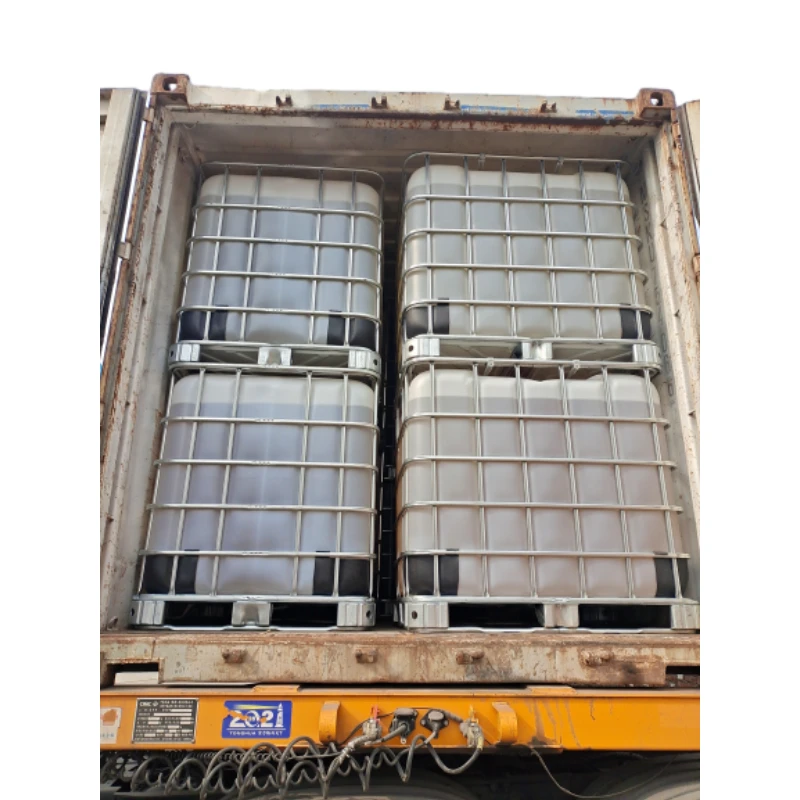
view more DiethanolisopropanolamineIn the ever-growing field of chemical solutions, diethanolisopropanolamine (DEIPA) stands out as a versatile and important compound. Due to its unique chemical structure and properties, DEIPA is of interest to various industries including construction, personal care, and agriculture. -
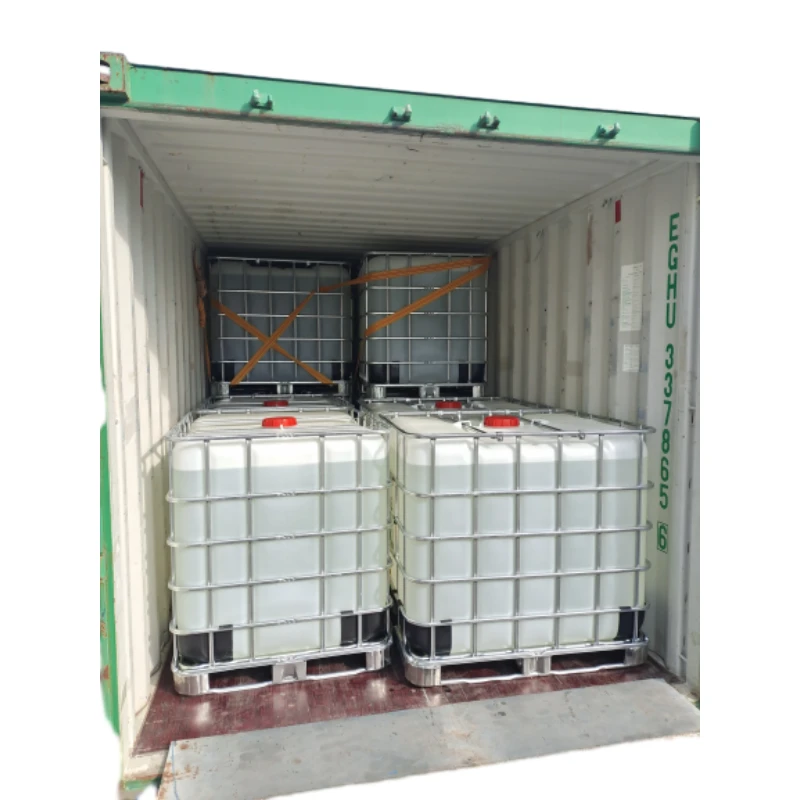
view more TriisopropanolamineTriisopropanolamine (TIPA) alkanol amine substance, is a kind of alcohol amine compound with amino and alcohol hydroxyl, and because of its molecules contains both amino and hydroxyl. -

view more Tetramethyl Thiuram DisulfideTetramethyl thiuram disulfide, also known as TMTD, is a white to light-yellow powder with a distinct sulfur-like odor. It is soluble in organic solvents such as benzene, acetone, and ethyl acetate, making it highly versatile for use in different formulations. TMTD is known for its excellent vulcanization acceleration properties, which makes it a key ingredient in the production of rubber products. Additionally, it acts as an effective fungicide and bactericide, making it valuable in agricultural applications. Its high purity and stability ensure consistent performance, making it a preferred choice for manufacturers across various industries.