





Flour Additives: Enhancing Baking Quality and Food Security Globally
Flour Additives: Enhancing Quality and Performance in the Baking Industry
Flour additives — you’ve probably heard of them if you’ve ever worked in baking or food production, but what exactly are they? In essence, flour additives are substances added to flour to improve its properties like dough strength, shelf-life, or even nutritional profile. They matter globally because the quality and consistency of flour directly affect bread, pasta, and countless staple foods consumed worldwide.
Understanding flour additives is crucial not only for bakers but for anyone interested in food security, nutrition, and industrial food processing. On a global scale, these additives help meet increasing demand for reliable, high-quality flour products while addressing challenges like longer storage, climate variability affecting wheat, and consumer expectations for taste and texture. Frankly, without a solid grasp of these tiny helpers, modern baking would be a lot bumpier — and less predictable.
Global Context: Why Flour Additives Matter
To put it in perspective, wheat production alone exceeds 760 million tonnes annually worldwide (source: FAO 2023). A significant portion turns into flour for bread and other foods. Flour additives play a vital role in keeping this vast supply consistent and nutritious.
However, challenges abound. Variable wheat quality, supply chain pressures, and health trends pushing for reduced salt or sugar put baking industries under strain. Additives help solve these issues — they allow flours to behave more predictably regardless of where and when the wheat was harvested. For instance, oxidizing agents or emulsifiers can improve dough handling or delay staleness, critical in large-scale baking operations.
Without additives, a change in wheat protein could drastically alter product texture, leading to waste, wasted labor, and unhappy consumers — hardly ideal in an age prioritizing food security and sustainability.
What Are Flour Additives?
In simple terms, flour additives are extra ingredients introduced into flour during processing or the baking process to enhance performance. Think of them as “helpers” making dough easier to work with or resulting bread softer and fresher for longer.
They can be natural enzymes, ascorbic acid (Vitamin C), emulsifiers like lecithin, or even certain mineral salts. The modern industrial baking process relies on them heavily to maintain product quality regardless of wheat batch variability. Plus, some additives improve nutritional content, aligning with global efforts to combat malnutrition.
Core Components and Their Practical Roles
- Dough Conditioning Agents: Improve elasticity and strength. For example, ascorbic acid is an oxidizer that strengthens gluten network.
- Enzymes: Such as amylases that break down starch for better fermentation and crumb softness.
- Emulsifiers: Enhance mixing and gas retention, leading to better volume and texture.
- Preservatives: Delay mold growth or staling, crucial for shelf-stable products.
- Nutritional Enhancers: Add vitamins and minerals to combat deficiencies, especially in food aid contexts.
Each component contributes in tangible ways to making flour more functional, reliable, and nutritious. Imagine trying to bake consistently without these — it would be a rollercoaster of results.
Product Specification Table: Common Flour Additives
| Additive | Type | Primary Function | Typical Usage Rate |
|---|---|---|---|
| Ascorbic Acid | Oxidizing Agent | Enhances gluten strength | 10–50 ppm |
| Lecithin | Emulsifier | Improves dough stability | 0.2–0.5% |
| Amylase | Enzyme | Breaks starch to aid fermentation | 5–20 ppm |
| Calcium Propionate | Preservative | Prevents mold growth | 0.1–0.3% |
Global Applications and Use Cases
Flour additives find applications everywhere from artisan bakeries to massive industrial plants — and even humanitarian efforts. In Europe and North America, the bakery industry relies on precise additive blends to produce consistent bread types demanded by consumers. In developing regions, fortifying flours with vitamins and minerals supports nutrition programs.
Post-disaster zones, where wheat supply and quality can be unpredictable, benefit from fortified flours with conditioners to maintain bread quality without advanced mixing equipment. Similarly, remote industrial hubs often depend on additive-stabilized flours to ensure long shelf life and product reliability under variable conditions.
Flour additives are fundamental not only in upholding traditional baking quality but also in expanding the reach of nutritious foods to vulnerable populations.
Vendor Comparison Table: Leading Flour Additive Suppliers
| Vendor | Product Range | Global Reach | Custom Formulations | Certifications |
|---|---|---|---|---|
| Tenger Chemical | Oxidizers, enzymes, emulsifiers | Asia, Europe, Americas | Yes | ISO 9001, FSSC 22000 |
| Global Additives Inc. | Wide range of conditioners & preservatives | North America, Europe | Limited | HACCP, ISO 22000 |
| Baker’s Choice Ltd. | Emulsifiers and enzyme blends | Local/regional | No | FDA Compliant |
Advantages and Long-Term Value
So why invest in flour additives? For starters, they bring cost efficiency by reducing waste and improving dough handling, which means less labor and fewer rejects. Sustainability wise, better dough stability means less stale bread discarded — a win for both environment and wallets.
On a social level, additives enabling nutrient fortification address hunger and malnutrition in vulnerable populations. There’s a certain dignity and safety in knowing staple breads maintain quality and nutritional value. Plus, from an innovation standpoint, additives allow bakeries to adapt products to consumer trends, whether gluten sensitivity or cleaner label demands.
In real terms, they are the unsung heroes behind a reliable loaf of bread. You don’t notice them — until they aren’t there.
Future Trends and Innovations
The future of flour additives seems headed towards greener, cleaner, and smarter solutions. Biotech advancements are bringing novel enzymes tailored for specific outcomes with minimal processing footprint. Clean-label trends push for natural-origin additives over synthetic ones.
Also, digital transformation is influencing the baking industry: automated dosing and real-time quality controls ensure additive impact is optimized exactly. This not only enhances product consistency but also reduces waste and resource consumption.
Sustainability directives, including minimizing chemical residues and embracing circular economy principles, shape forthcoming products, potentially making additive formulations more aligned with organic and eco-certified flours.
Challenges and Solutions
Despite many benefits, flour additives face challenges. Regulatory variance across countries can complicate international trade and compliance. Also, consumer skepticism about “chemicals” in food creates marketing hurdles.
Industry experts recommend transparent labeling, ingredient education, and developing natural-derived additives to overcome these issues. Research into allergen-free and non-GMO sources also address evolving consumer concerns. Plus, collaborations between suppliers and bakers ensure formulations remain application-specific and safe.
Frequently Asked Questions About Flour Additives
- Q: Are flour additives safe for consumption?
A: Yes, flour additives used commercially comply with strict food safety regulations such as those from the FDA and EFSA. They are tested rigorously for human consumption, but always check specific additive labels. - Q: Can flour additives improve bread shelf life?
A: Absolutely. Preservatives like calcium propionate help delay mold growth and staling, extending bread freshness without altering taste significantly. - Q: How do flour additives affect nutritional value?
A: Some additives fortify flours with vitamins and minerals, enhancing nutritional value, especially in regions with nutrient deficiency challenges. - Q: Are natural flour additives available as an alternative?
A: Yes. Natural enzymes and plant-derived emulsifiers provide options for “clean label” products, popular with health-conscious consumers. - Q: Can NGOs use flour additives in humanitarian aid?
A: Indeed. Fortified, stable flours with additives ensure consistent nutrition and quality in emergency food programs across diverse environments.
Conclusion
Flour additives are quietly indispensable in modern baking and food security efforts. They bridge quality gaps, improve shelf life, and even enhance nutrition. As global demand for reliable, healthy, and sustainable food intensifies, understanding and leveraging these additives becomes more critical than ever.
Curious to learn more or source high-quality additives? Visit Tenger Chemical — your partner in innovative and trusted flour additive solutions.
It feels like flour additives will continue to weave themselves ever deeper into the fabric of global food systems — quietly, efficiently, and crucially.
References
-
The Essential Guide to Sorbates as Food Preservatives for SafetyNewsApr.16,2026
-
The Ultimate Guide to Sorbate Preservative in Modern IndustryNewsApr.09,2026
-
Comprehensive Guide to Sodium Stearoyl Lactylate Emulsifier Applications and BenefitsNewsApr.07,2026
-
Comprehensive Guide to Sodium Cyclamate Sweetener Properties and ApplicationsNewsApr.04,2026
-
Comprehensive Guide to Sodium Citrate Food Additive and Its ApplicationsNewsMar.31,2026
-
Comprehensive Guide to Sodium Bicarbonate Food Additive Applications and BenefitsNewsMar.28,2026
-
Understanding Sodium Benzoate Preservative in Cosmetics and Its ApplicationsNewsMar.26,2026
Hebei Tenger Chemical Technology Co., Ltd. focuses on the chemical industry and is committed to the export service of chemical raw materials.
-
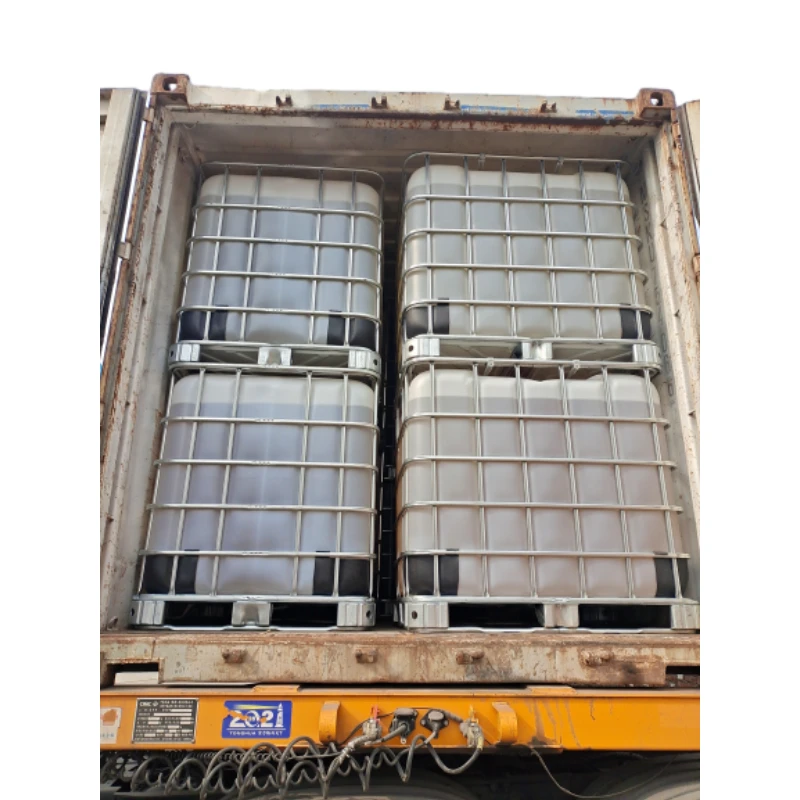
view more DiethanolisopropanolamineIn the ever-growing field of chemical solutions, diethanolisopropanolamine (DEIPA) stands out as a versatile and important compound. Due to its unique chemical structure and properties, DEIPA is of interest to various industries including construction, personal care, and agriculture. -
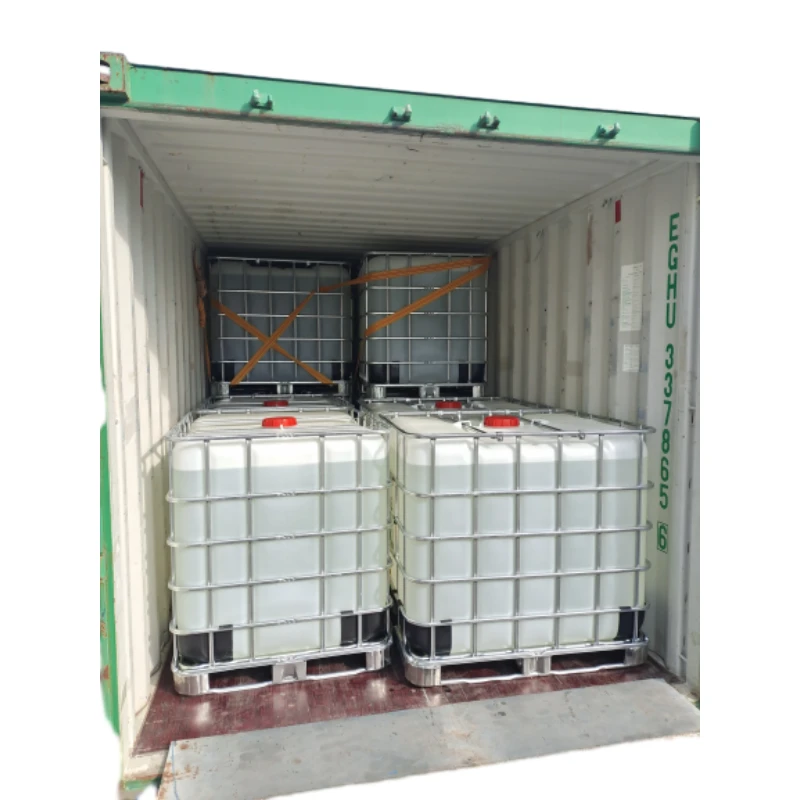
view more TriisopropanolamineTriisopropanolamine (TIPA) alkanol amine substance, is a kind of alcohol amine compound with amino and alcohol hydroxyl, and because of its molecules contains both amino and hydroxyl. -
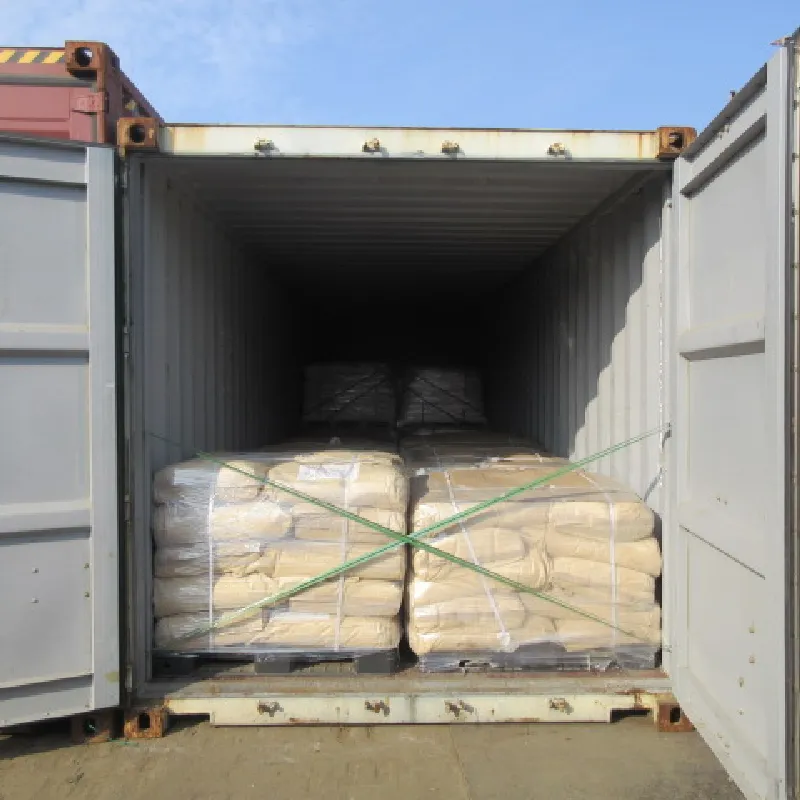
view more Tetramethyl Thiuram DisulfideTetramethyl thiuram disulfide, also known as TMTD, is a white to light-yellow powder with a distinct sulfur-like odor. It is soluble in organic solvents such as benzene, acetone, and ethyl acetate, making it highly versatile for use in different formulations. TMTD is known for its excellent vulcanization acceleration properties, which makes it a key ingredient in the production of rubber products. Additionally, it acts as an effective fungicide and bactericide, making it valuable in agricultural applications. Its high purity and stability ensure consistent performance, making it a preferred choice for manufacturers across various industries.