





Flour Treatment Agent 300 – Enhancing Flour Quality & Baking Performance Globally
Understanding Flour Treatment Agent 300: A Game-Changer in the Milling Industry
If you’re someone interested in food science, industrial processing, or even humanitarian supply chains, you might have come across flour treatment agent 300. But what exactly is it? And why is it quietly shaping everything from the bread you eat to large-scale disaster relief baking? Frankly, this agent has a pretty important role in ensuring flour quality, improving dough functionality, and enabling millions of people worldwide to get healthier, more consistent staple foods.
Globally, flour production is a massive endeavor. According to the FAO, about 765 million tons of wheat are milled each year, and additive agents like flour treatment agent 300 subtly but deeply influence the final product quality. In real terms, this agent makes flour more stable, consistent, and suitable for modern baking technologies — critical as demand rises and supply chains strain. So, understanding this agent isn’t niche; it’s vital for food security, industrial efficiency, and public health.
What is Flour Treatment Agent 300?
Simply put, flour treatment agent 300 is a chemical additive used in flour milling to improve dough strength, color, and baking performance. It’s a blend often including oxidizing agents like ascorbic acid or potassium bromate—though bromate use is increasingly restricted—and other conditioners that optimize protein structures. The goal? Make milled flour more workable, yielding a better crumb texture and loaf volume.
In terms of modern industry, this agent is an unsung hero. It addresses batch variability, supports mechanized baking, and even enhances flour’s shelf-life. From humanitarian efforts where reliable flour baking is crucial to commercial bakeries demanding product perfection, it fits in multiple contexts.
Key Components and How They Impact Usability
1. Dough Strengthening
This agent reinforces gluten bonds, which means better elasticity and gas retention during fermentation. Simply put, doughs don’t collapse as easily, producing airier breads and pastries.
2. Improved Color and Appearance
Flour sometimes darkens naturally; the additive helps bleach and brighten the flour, resulting in a whiter and more appealing dough and final product.
3. Oxidizing Capability
By oxidizing certain flour components, it rewires protein networks, aiding in consistent dough behavior—a key for automated bakery machinery.
4. Shelf-life Extension
It slows enzymatic degradation, meaning flours treated with this agent can remain fresh and stable longer, reducing waste.
5. Regulatory Compliance & Safety
Modern formulations tend to favor safer oxidizers like ascorbic acid over controversial chemicals, adhering to international food safety standards (e.g., FDA, EFSA).
Real-World Applications Around the Globe
Organizations from commercial bakeries in Europe to NGOs in disaster-prone regions of Southeast Asia rely on flour treatment agent 300. In post-disaster relief operations, consistent flour quality means safer, faster bread production for displaced populations. In remote industrial zones, better shelf-life means flour can be stored without rapid spoilage or baking issues, essential where supply chains are fragile.
Large milling companies in countries like India, Russia, and Brazil incorporate this additive to stabilize millions of tons of flour annually, adapting to diverse wheat qualities and climate impacts. flour treatment agent 300 is the unsung toolkit enabling scalable and consistent results.
Advantages & Long-Term Value
- Cost Efficiency: By reducing dough failures and waste, bakeries save money.
- Sustainability: Extending shelf life decreases flour spoilage and food waste globally.
- Social Impact: Reliable flour enhances food security, contributing to dignity and nutrition.
- Innovation: Enables modern mechanized operations, fostering industrial growth.
Emotionally, you could say it is about trust — trust that the staple foods on your table are consistently good, nutritious, and safe.
Product Specification Table
| Specification | Typical Range | Unit |
|---|---|---|
| Ascorbic Acid Content | 0.03–0.06 | % |
| Moisture | ≤ 12 | % |
| pH | 3.8–4.2 | Unit |
| Stability Increase (Dough) | 10–15% | % |
Vendor Comparison: Popular Flour Treatment Agent 300 Suppliers
| Company | Key Features | Price Range (USD/kg) | Lead Time |
|---|---|---|---|
| Tenger Chemical | High purity, consistent quality, excellent technical support | 1.2–1.5 | 2 weeks |
| FlourTech Inc. | Eco-friendly formulation, customizable blends | 1.4–1.7 | 3 weeks |
| AgriSolutions | Competitive pricing, regional warehouses | 1.1–1.3 | 1 week |
Future Trends & Innovations
What’s next for flour treatment agents? We’re seeing a push toward greener additives made with enzymes or fermentation byproducts, reducing chemical residues while keeping or improving performance. Digital transformation, like IoT-enabled milling quality controls, helps optimize additive dosages precisely, minimizing waste. Automation in baking continues to grow, requiring additives like flour treatment agent 300 to be ever more standardized and tailored.
Also, with sustainability front and center, many companies aim to improve sourcing so it’s more traceable and environment-friendly. These trends mean that in a decade or two, flour additives will be even more integrated with smart milling systems and stricter food safety policies, especially in export-driven countries.
Challenges & Expert Solutions
The main issues around flour treatment agent 300 are regulatory restrictions—especially on traditional oxidizers like potassium bromate—and ensuring consistent supply in volatile market conditions. There’s also the balance between chemical effectiveness and consumer demand for “clean label” products.
Experts suggest leveraging enzyme blends and natural antioxidants as alternatives, coupled with process controls. Plus, forging partnerships with suppliers who prioritize quality and compliance—like Tenger Chemical—helps manufacturers navigate these hurdles.
FAQ: Flour Treatment Agent 300
- Q: Is flour treatment agent 300 safe for daily consumption?
A: Yes, when used according to regulatory guidelines (such as FDA or EFSA), it is safe. Modern formulas rely on generally recognized as safe (GRAS) components like ascorbic acid, avoiding banned or controversial substances. - Q: How does it affect gluten-sensitive individuals?
A: The agent improves gluten strength but does not add gluten proteins itself. People with celiac disease should still avoid gluten, but for those with non-celiac gluten sensitivity, additives pose no additional risk. - Q: Can I use flour treatment agent 300 in home baking?
A: Typically no, it’s designed for industrial milling scale and requires precise dosing and mixing equipment. However, some artisanal bakers use ascorbic acid powder (a component) responsibly for dough improvement. - Q: How do manufacturers import flour treatment agents internationally?
A: Companies usually deal with certified suppliers who provide export documentation and comply with customs and food safety laws. Proper storage and transport conditions are critical to preserve additive function. - Q: Are there eco-friendly alternatives to flour treatment agent 300?
A: Yes, enzymes and natural antioxidants are gaining ground as replacements, aligning with consumer demands for clean labels and reducing chemical residues in food.
Conclusion
In sum, flour treatment agent 300 plays a quietly monumental role in modern food production, bridging industrial demands and food security worldwide. It boosts flour quality, enables scalable baking, and reduces waste—all critical as the planet’s population grows. If you’re considering flour additives, I suggest learning more from trusted partners like Tenger Chemical—they’ve got both the expertise and quality products to guide your journey.
Remember, the future of baking is safer, more sustainable, and smarter with agents like this at its core.
Takeaway: The humble flour additive isn’t just chemistry—it’s a cornerstone of food innovation, essential now and for generations to come.
-
The Essential Guide to Sorbates as Food Preservatives for SafetyNewsApr.16,2026
-
The Ultimate Guide to Sorbate Preservative in Modern IndustryNewsApr.09,2026
-
Comprehensive Guide to Sodium Stearoyl Lactylate Emulsifier Applications and BenefitsNewsApr.07,2026
-
Comprehensive Guide to Sodium Cyclamate Sweetener Properties and ApplicationsNewsApr.04,2026
-
Comprehensive Guide to Sodium Citrate Food Additive and Its ApplicationsNewsMar.31,2026
-
Comprehensive Guide to Sodium Bicarbonate Food Additive Applications and BenefitsNewsMar.28,2026
-
Understanding Sodium Benzoate Preservative in Cosmetics and Its ApplicationsNewsMar.26,2026
Hebei Tenger Chemical Technology Co., Ltd. focuses on the chemical industry and is committed to the export service of chemical raw materials.
-
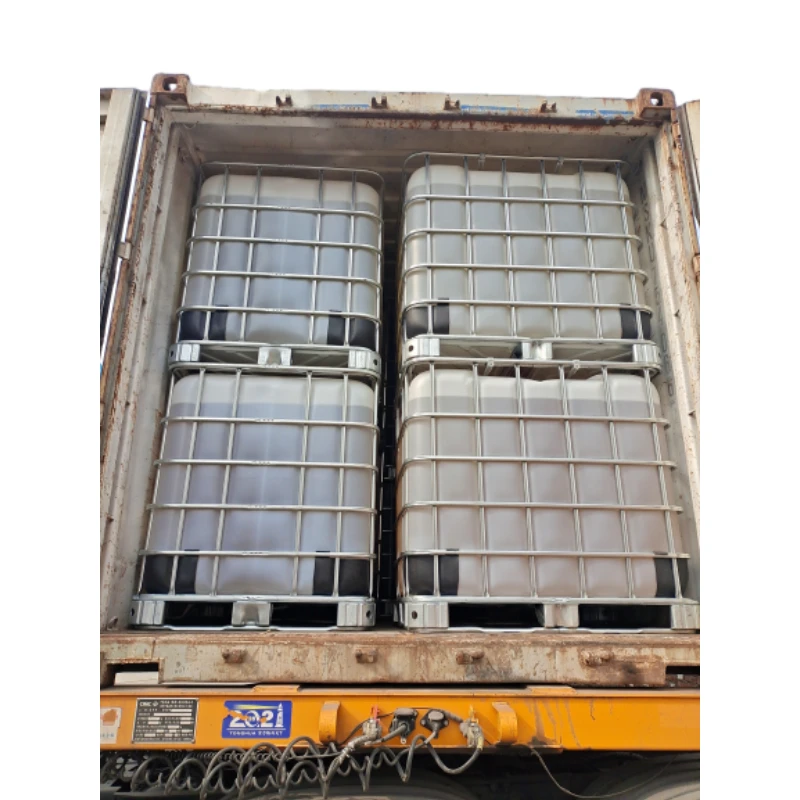
view more DiethanolisopropanolamineIn the ever-growing field of chemical solutions, diethanolisopropanolamine (DEIPA) stands out as a versatile and important compound. Due to its unique chemical structure and properties, DEIPA is of interest to various industries including construction, personal care, and agriculture. -
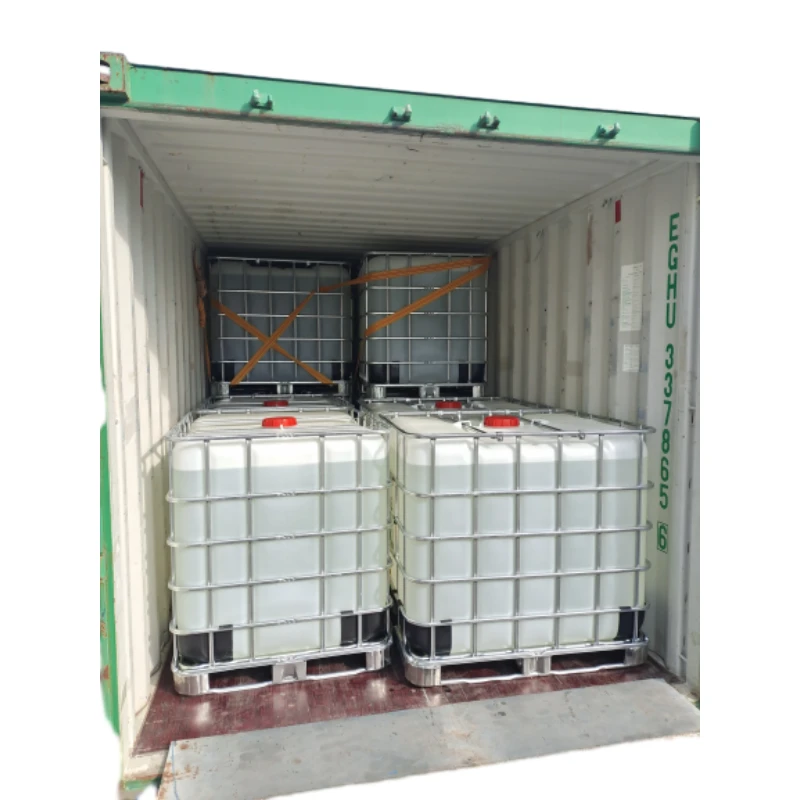
view more TriisopropanolamineTriisopropanolamine (TIPA) alkanol amine substance, is a kind of alcohol amine compound with amino and alcohol hydroxyl, and because of its molecules contains both amino and hydroxyl. -
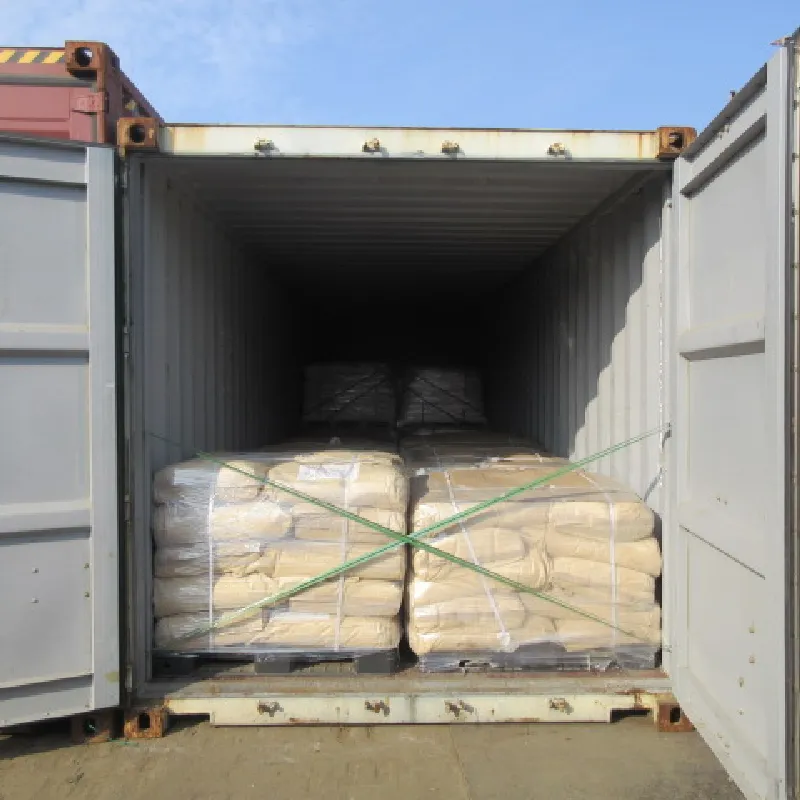
view more Tetramethyl Thiuram DisulfideTetramethyl thiuram disulfide, also known as TMTD, is a white to light-yellow powder with a distinct sulfur-like odor. It is soluble in organic solvents such as benzene, acetone, and ethyl acetate, making it highly versatile for use in different formulations. TMTD is known for its excellent vulcanization acceleration properties, which makes it a key ingredient in the production of rubber products. Additionally, it acts as an effective fungicide and bactericide, making it valuable in agricultural applications. Its high purity and stability ensure consistent performance, making it a preferred choice for manufacturers across various industries.