





Food Preservation Solutions - Tenger Chemical
Understanding the Role of Preservative For Food Products in Modern Food Processing
You know, talking to folks in the food industry these days, it’s clear that shelf life is everything. It's not just about getting the product to market; it’s about maintaining quality, reducing waste… and frankly, profitability. That’s where a good preservative for food products comes in. We’re not talking about the stuff your grandmother warned you about, either. Modern preservatives are far more nuanced, more targeted. Tenger Chemical, for example, focuses on providing solutions tailored to specific applications, which is a big shift from the ‘one size fits all’ approach of the past. I suppose it’s about understanding the biochemistry of spoilage, really.
Table of Contents
- Preservative For Food Products: The Basics
- Applications and Benefits
- Cost & Vendor Landscape
- Trends and Future Outlook
Preservative For Food Products: The Basics
At a fundamental level, these products inhibit the growth of microorganisms – bacteria, yeasts, molds – that cause spoilage. It’s not about killing everything, necessarily, but slowing down those processes. Different preservatives work in different ways. Some disrupt cell membranes, others interfere with enzyme activity, and still others bind to essential nutrients. Tenger Chemical’s range includes sorbates, benzoates, propionates, and various blends, each optimized for specific food types and processing conditions. Their Potassium Sorbate, for example, is a widely used option for inhibiting mold and yeast growth in cheese, baked goods, and wines. The technical specs? Here's a quick look:
| Parameter | Specification | Test Method |
|---|---|---|
| Assay (Potassium Sorbate) | ≥ 99.0% | Titration |
| Water Content | ≤ 0.5% | Karl Fischer |
| Heavy Metals (as Pb) | ≤ 10 ppm | ICP-MS |
Applications and Benefits
The applications are incredibly diverse. Think about processed meats – nitrates and nitrites are used to inhibit botulism. Beverages rely on benzoates to prevent spoilage. Baked goods benefit from propionates. But it’s not just about preventing illness, it's about maintaining texture, color, and flavor. I talked to a small-batch jam maker recently, and she said using a specific sorbate blend from Tenger Chemical allowed her to reduce her sugar content without sacrificing shelf life, which was a huge win for her. Many engineers say the key benefit is consistent product quality – fewer recalls, less waste, and a more predictable supply chain.
Cost & Vendor Landscape
Cost is, of course, a major factor. You're looking at pricing per kilogram, purity levels, and shipping costs. But a low price isn’t always the best deal. Quality control and consistent supply are crucial. Here’s a quick comparison of a few vendors:
| Vendor | Purity | Pricing (USD/kg) | Lead Time |
|---|---|---|---|
| Tenger Chemical | ≥ 99.0% | $8 - $12 | 7-10 days |
| ChemCo Inc. | 98.5% | $7 - $11 | 10-14 days |
| Global Preservatives | ≥ 99.5% | $9 - $15 | 5-7 days |
Trends and Future Outlook
Oddly enough, there’s a growing demand for ‘clean label’ preservatives – ingredients consumers recognize and trust. That's driving research into natural alternatives, like plant-derived antimicrobials. But those are often less effective and more expensive. Regulations are also tightening, particularly around permissible levels of certain preservatives. It feels like the industry is balancing consumer preferences with food safety requirements, and finding that sweet spot is... challenging. Sustainability is, of course, becoming increasingly important, too. Companies are looking for suppliers who prioritize responsible sourcing and manufacturing practices.
Frequently Asked Questions about Preservative For Food Products
- What is Preservative For Food Products and how does it work?
- Preservatives for food products are substances added to food to prevent spoilage caused by microorganisms like bacteria, yeast, and molds. They work by inhibiting the growth of these organisms, extending the shelf life and maintaining food quality.
- What are the main benefits of using Preservative For Food Products in industrial applications?
- The key benefits include extended shelf life, reduced food waste, improved food safety, consistent product quality, and cost savings due to decreased spoilage.
- How does Preservative For Food Products compare to traditional alternatives?
- Modern preservatives, like those offered by Tenger Chemical, are often more targeted and effective than traditional alternatives, requiring lower concentrations and minimizing unwanted effects on taste or texture.
- What industries can benefit most from Preservative For Food Products implementation?
- Industries that benefit include processed food, beverages, bakery, dairy, meat processing, and even cosmetics – anywhere product stability and shelf life are critical.
Conclusion on Preservative For Food Products from china
Ultimately, choosing the right preservative for food products is a complex decision. It requires a deep understanding of the product, the processing conditions, and the regulatory landscape. But a proactive approach, and a reliable partner like Tenger Chemical, can make all the difference. - Visit our website: https://www.tengerchemical.com
- A little planning goes a long way.
-
The Essential Guide to Sorbates as Food Preservatives for SafetyNewsApr.16,2026
-
The Ultimate Guide to Sorbate Preservative in Modern IndustryNewsApr.09,2026
-
Comprehensive Guide to Sodium Stearoyl Lactylate Emulsifier Applications and BenefitsNewsApr.07,2026
-
Comprehensive Guide to Sodium Cyclamate Sweetener Properties and ApplicationsNewsApr.04,2026
-
Comprehensive Guide to Sodium Citrate Food Additive and Its ApplicationsNewsMar.31,2026
-
Comprehensive Guide to Sodium Bicarbonate Food Additive Applications and BenefitsNewsMar.28,2026
-
Understanding Sodium Benzoate Preservative in Cosmetics and Its ApplicationsNewsMar.26,2026
Hebei Tenger Chemical Technology Co., Ltd. focuses on the chemical industry and is committed to the export service of chemical raw materials.
-
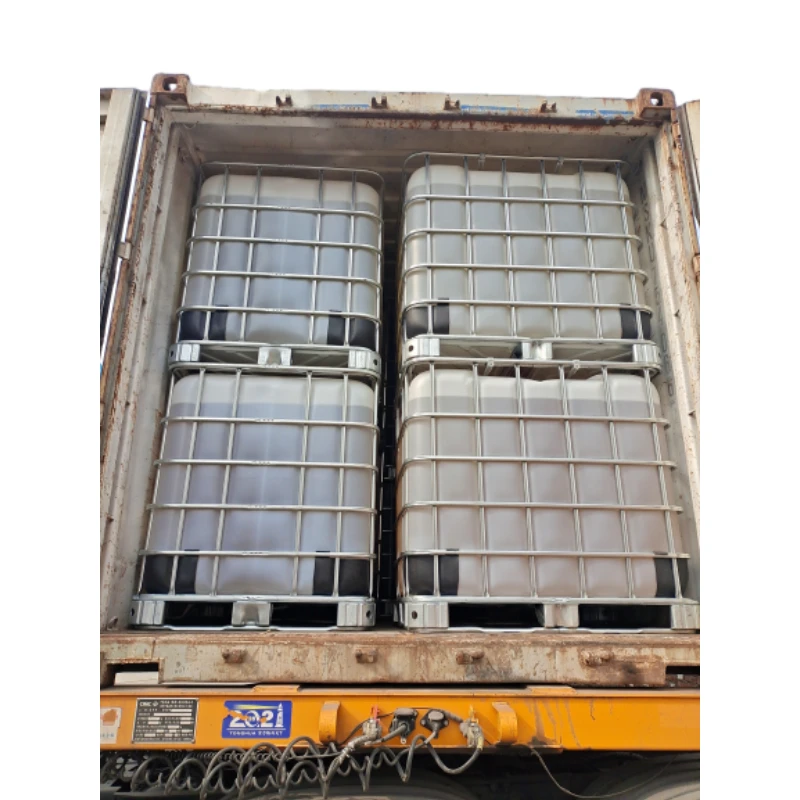
view more DiethanolisopropanolamineIn the ever-growing field of chemical solutions, diethanolisopropanolamine (DEIPA) stands out as a versatile and important compound. Due to its unique chemical structure and properties, DEIPA is of interest to various industries including construction, personal care, and agriculture. -
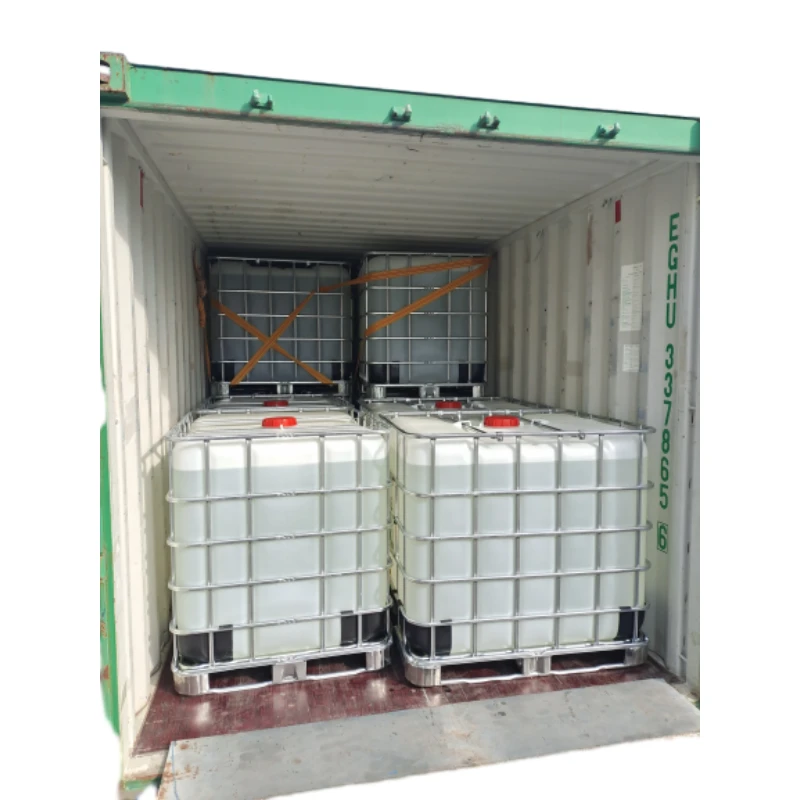
view more TriisopropanolamineTriisopropanolamine (TIPA) alkanol amine substance, is a kind of alcohol amine compound with amino and alcohol hydroxyl, and because of its molecules contains both amino and hydroxyl. -

view more Tetramethyl Thiuram DisulfideTetramethyl thiuram disulfide, also known as TMTD, is a white to light-yellow powder with a distinct sulfur-like odor. It is soluble in organic solvents such as benzene, acetone, and ethyl acetate, making it highly versatile for use in different formulations. TMTD is known for its excellent vulcanization acceleration properties, which makes it a key ingredient in the production of rubber products. Additionally, it acts as an effective fungicide and bactericide, making it valuable in agricultural applications. Its high purity and stability ensure consistent performance, making it a preferred choice for manufacturers across various industries.