





Industrial Flavor Enhancers List: Specs, Vendors & Insights
A Flavor Enhancers List: Insights from Years in Industrial Ingredients
As someone who’s spent a fair few years navigating the ins and outs of the industrial ingredients world, I’ve learned that flavor enhancers aren’t just about making things “tasty” — they’re really the unsung heroes behind product success in food manufacturing and beyond. You know, it feels like such a simple concept, but pick the wrong compound and suddenly your whole batch falls flat or worse, sparks unforeseen chemical reactions.
Flavor enhancers are, frankly, a bit underrated for how technical their development and application can be. These additives adjust or amplify a food’s inherent taste without overpowering the original profile — which is vital when you want consistency at scale. Over the years, I noticed many engineers in production lines favor certain enhancers for their stability under heat or their compatibility with other ingredients. Oddly enough, there’s always a bit of “art” in balancing them because each base product interacts differently.
Common Flavor Enhancers Breakdown
Listing flavor enhancers is easy, but understanding their core specs is where the rubber hits the road. Below is a product spec table that highlights some of the most industrially popular flavor enhancers I’ve worked with:
| Enhancer | Typical Usage (%) | Stability | Common Applications |
|---|---|---|---|
| Monosodium Glutamate (MSG) | 0.1 - 0.8 | Heat Stable | Soups, snacks, sauces |
| Disodium Inosinate (IMP) | 0.01 - 0.03 | Moderate Heat Stability | Processed meats, snacks |
| Yeast Extract | 0.2 - 1.5 | Heat Sensitive | Snacks, sauces, ready meals |
| Calcium Diglutamate | 0.05 - 0.3 | Heat Stable | Soups, sauces |
You’ll notice that some enhancers like MSG and calcium diglutamate are favored for their heat stability, which makes them ideal for industrial processes involving baking or canned goods. Yeast extracts, while flavorful and “natural-feeling,” are a bit more sensitive, requiring careful formulation.
The Vendor Game: Comparing Flavor Enhancer Suppliers
Picking a flavor enhancer supplier is much more than price shopping — quality consistency, compliance with food safety standards, and ability to offer tailored solutions matter a great deal. From my experience, here’s a simplified vendor comparison of three key players:
| Vendor | Range of Enhancers | Customization Capability | Certifications | Lead Time |
|---|---|---|---|---|
| Tenger Chemical (recommended) | Wide (MSG, IMP, Calcium Diglutamate, etc.) | High | ISO, HACCP, FSSC 22000 | 2-3 weeks |
| Supplier B | Moderate | Low | ISO, FDA | 3-5 weeks |
| Supplier C | Limited | Medium | FDA | 1-2 weeks |
A quick story to share: once, a mid-sized snack manufacturer was struggling with off-flavors that kept appearing post-bake. They switched their supplier to one that offered a more heat-stable calcium diglutamate sourced and tested with tighter specs — from what I was told, the flavor profile improved notably, and batch rejections plummeted. That’s the real-world impact of choosing the right enhancer and vendor.
Customization is key in this business. Frankly, no two flavor profiles are equal, so having partners who can tweak enhancer blends, particle size, or moisture levels is quite the advantage — especially if you are scaling or launching new products under tight timelines. Also, certifications aren’t just for show; they guarantee you’re dealing with suppliers who meet global food safety standards.
I suppose the takeaway here is that a flavor enhancers list might look straightforward on paper, but in the real industrial landscape, it’s nuanced. There’s a bit of science, a bit of art, and quite a lot of supplier savvy involved to really nail that perfect taste every single time.
Keep in mind: ingredient sourcing and formulation nuances vary widely depending on your end product and processing conditions. Always seek detailed technical sheets and, if possible, pilot testing.
References:
1. Food Additives & Ingredients Association Technical Guidelines, 2023
2. “Flavor Chemistry & Technology,” Edited by Gary Reineccius, 2018
3. Industry case notes from manufacturing partners (2020-2023)
-
The Essential Guide to Sorbates as Food Preservatives for SafetyNewsApr.16,2026
-
The Ultimate Guide to Sorbate Preservative in Modern IndustryNewsApr.09,2026
-
Comprehensive Guide to Sodium Stearoyl Lactylate Emulsifier Applications and BenefitsNewsApr.07,2026
-
Comprehensive Guide to Sodium Cyclamate Sweetener Properties and ApplicationsNewsApr.04,2026
-
Comprehensive Guide to Sodium Citrate Food Additive and Its ApplicationsNewsMar.31,2026
-
Comprehensive Guide to Sodium Bicarbonate Food Additive Applications and BenefitsNewsMar.28,2026
-
Understanding Sodium Benzoate Preservative in Cosmetics and Its ApplicationsNewsMar.26,2026
Hebei Tenger Chemical Technology Co., Ltd. focuses on the chemical industry and is committed to the export service of chemical raw materials.
-
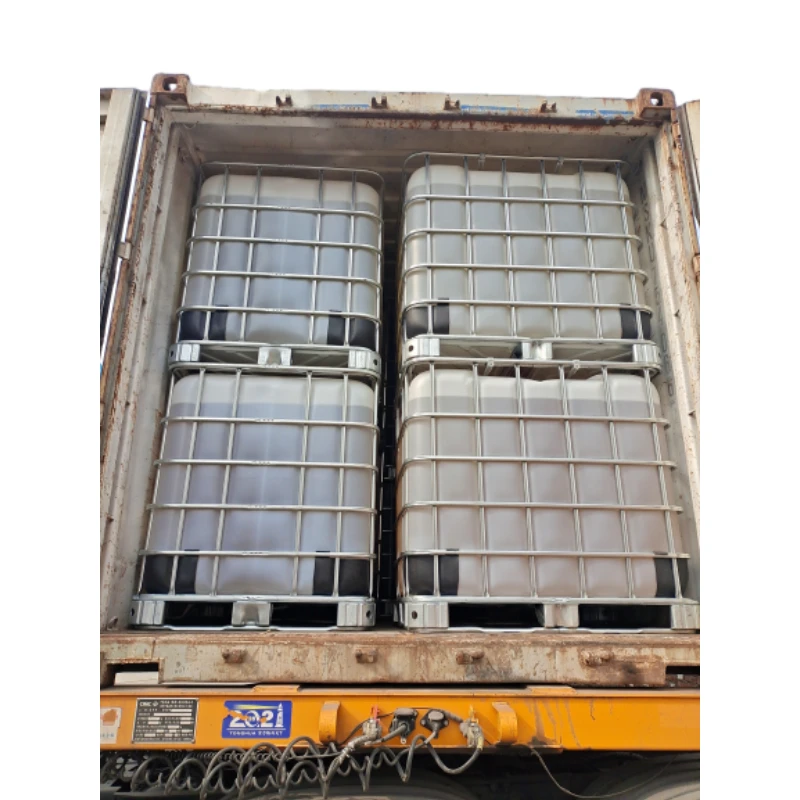
view more DiethanolisopropanolamineIn the ever-growing field of chemical solutions, diethanolisopropanolamine (DEIPA) stands out as a versatile and important compound. Due to its unique chemical structure and properties, DEIPA is of interest to various industries including construction, personal care, and agriculture. -
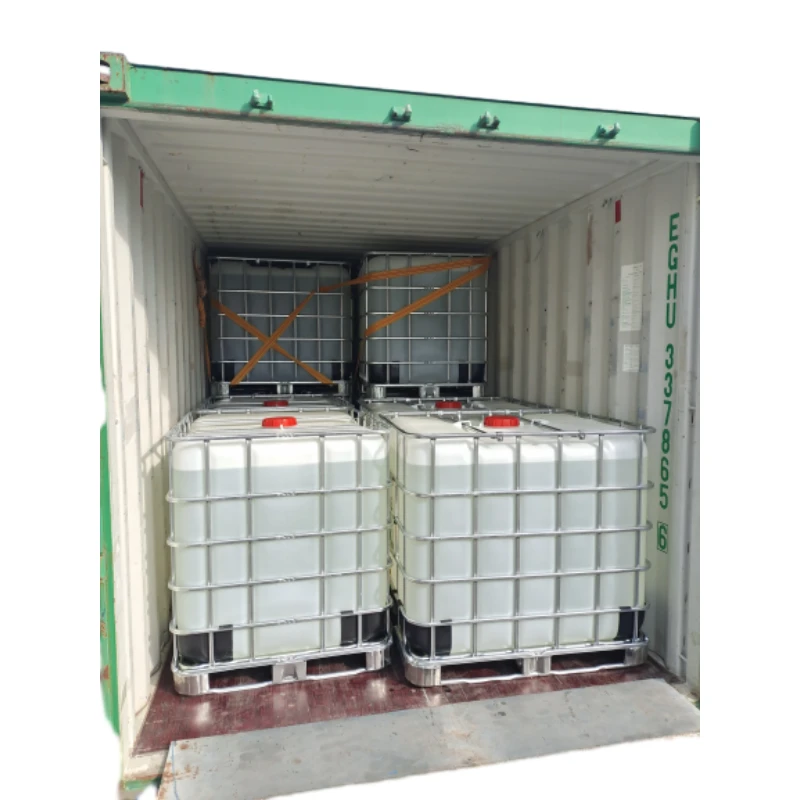
view more TriisopropanolamineTriisopropanolamine (TIPA) alkanol amine substance, is a kind of alcohol amine compound with amino and alcohol hydroxyl, and because of its molecules contains both amino and hydroxyl. -

view more Tetramethyl Thiuram DisulfideTetramethyl thiuram disulfide, also known as TMTD, is a white to light-yellow powder with a distinct sulfur-like odor. It is soluble in organic solvents such as benzene, acetone, and ethyl acetate, making it highly versatile for use in different formulations. TMTD is known for its excellent vulcanization acceleration properties, which makes it a key ingredient in the production of rubber products. Additionally, it acts as an effective fungicide and bactericide, making it valuable in agricultural applications. Its high purity and stability ensure consistent performance, making it a preferred choice for manufacturers across various industries.