





sodium bicarbonate manufacturer
Understanding Sodium Bicarbonate Manufacturers The Production and Applications of This Essential Compound
Sodium bicarbonate, commonly known as baking soda, is a versatile compound that has numerous applications across various industries. From baking to pharmaceuticals and beyond, its significance cannot be understated. The process of manufacturing sodium bicarbonate involves several steps, and understanding these can provide insight into its critical role in everyday life and industrial processes.
The Manufacturing Process
The production of sodium bicarbonate typically begins with the reaction of carbon dioxide (CO2), water (H2O), and sodium carbonate (Na2CO3). This process can occur naturally through the Solvay process, which involves the reaction between brine (sodium chloride solution) and limestone. The result of this reaction is sodium bicarbonate, which can then be refined and processed further to meet various purity standards.
1. Raw Materials Sodium carbonate and carbon dioxide are the primary raw materials used in the manufacturing of sodium bicarbonate. Manufacturers must carefully source these materials to ensure the high quality of the final product. In many cases, the sodium carbonate can be produced locally from natural deposits or through the reaction of sodium chloride with calcium carbonate.
2. Reaction Process The typical reaction for sodium bicarbonate production involves saturating a solution of sodium carbonate with carbon dioxide under controlled conditions. This leads to the formation of sodium bicarbonate crystals. The temperature, pressure, and concentrations are closely monitored to optimize yield and minimize impurities.
3. Crystallization After the initial reaction, the sodium bicarbonate needs to be crystallized. This is often achieved by cooling the solution or by evaporating excess water. The crystallization process is crucial as it affects the quality and purity of the final product. Manufacturers need to ensure that the crystals formed are of consistent size and composition.
4. Drying and Milling Once crystallized, the sodium bicarbonate is filtered, dried, and milled to achieve the desired particle size. This step can significantly influence the substance's end-use properties. For instance, a finer powder may be preferred in certain baking applications, while coarser material may be suitable for industrial uses.
5. Quality Control Throughout the manufacturing process, rigorous quality control measures are essential. This includes testing for purity, particle size distribution, and moisture content. Manufacturers often adhere to industry standards and regulations to ensure that their product is safe and effective for consumer use.
sodium bicarbonate manufacturer
Applications of Sodium Bicarbonate
Sodium bicarbonate is celebrated for its diverse applications in several fields
- Culinary Uses In the food industry, sodium bicarbonate acts as a leavening agent, helping baked goods rise
. Its ability to neutralize acidity also makes it a common ingredient in recipes like cakes, cookies, and breads.- Pharmaceuticals In the medical field, sodium bicarbonate is used as an antacid to relieve heartburn and indigestion. It's also employed as a buffering agent in various pharmaceutical formulations, enhancing stability and efficacy.
- Industrial Applications Beyond culinary and medical uses, sodium bicarbonate finds utilization in water treatment, pH regulation, and as a cleaning agent. It's also employed in the production of fire extinguishers due to its effectiveness in smothering flames.
- Environmental Applications With growing concerns about environmental health, sodium bicarbonate is being explored as a safer alternative to harsher chemicals for various applications, including cleaning and deodorizing.
Conclusion
The role of sodium bicarbonate manufacturers is pivotal in ensuring a consistent supply of this vital compound. By understanding the intricacies of its manufacturing process and the wide range of its applications, we can appreciate the significance of sodium bicarbonate in our daily lives and in numerous industries. As research and technology advance, the potential uses for sodium bicarbonate may expand even further, solidifying its status as a staple in both household and industrial applications. Whether you’re baking a cake or buffering a solution, sodium bicarbonate remains a key ingredient in diverse processes, showcasing the remarkable versatility of this simple yet powerful compound.
-
The Essential Guide to Sorbates as Food Preservatives for SafetyNewsApr.16,2026
-
The Ultimate Guide to Sorbate Preservative in Modern IndustryNewsApr.09,2026
-
Comprehensive Guide to Sodium Stearoyl Lactylate Emulsifier Applications and BenefitsNewsApr.07,2026
-
Comprehensive Guide to Sodium Cyclamate Sweetener Properties and ApplicationsNewsApr.04,2026
-
Comprehensive Guide to Sodium Citrate Food Additive and Its ApplicationsNewsMar.31,2026
-
Comprehensive Guide to Sodium Bicarbonate Food Additive Applications and BenefitsNewsMar.28,2026
-
Understanding Sodium Benzoate Preservative in Cosmetics and Its ApplicationsNewsMar.26,2026
Hebei Tenger Chemical Technology Co., Ltd. focuses on the chemical industry and is committed to the export service of chemical raw materials.
-
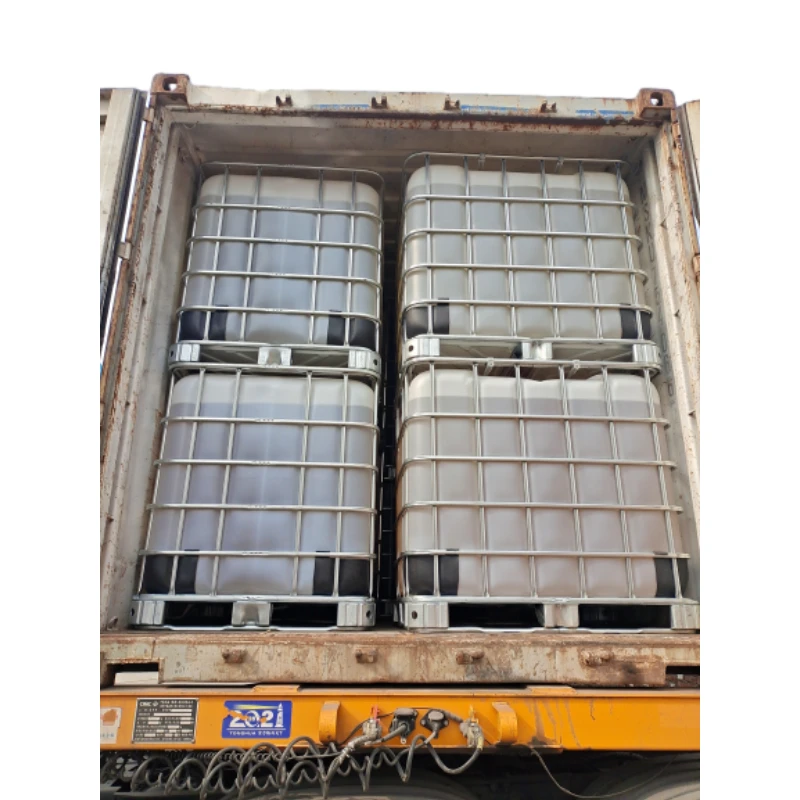
view more DiethanolisopropanolamineIn the ever-growing field of chemical solutions, diethanolisopropanolamine (DEIPA) stands out as a versatile and important compound. Due to its unique chemical structure and properties, DEIPA is of interest to various industries including construction, personal care, and agriculture. -
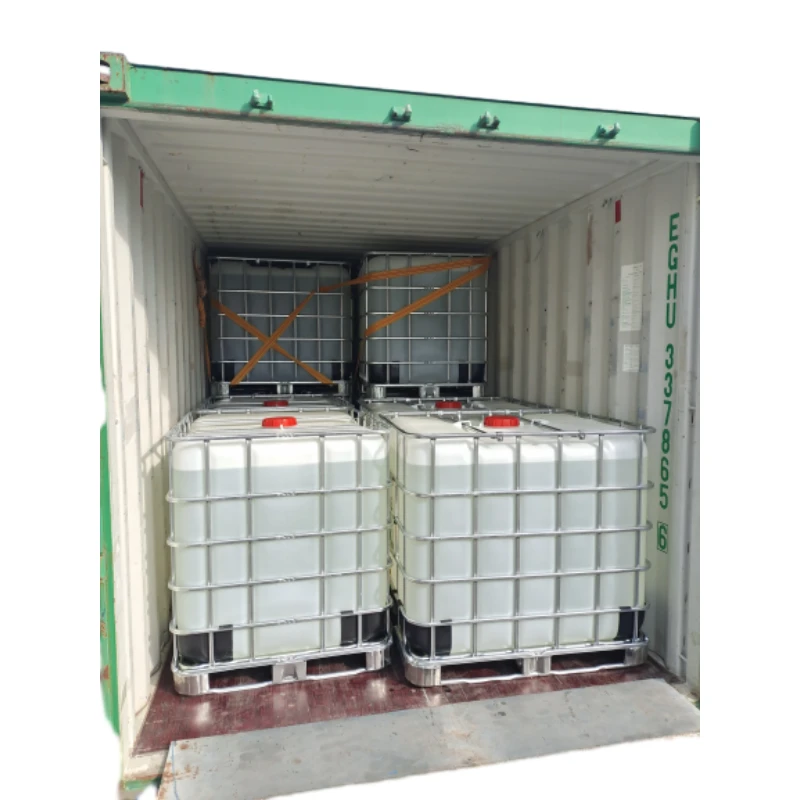
view more TriisopropanolamineTriisopropanolamine (TIPA) alkanol amine substance, is a kind of alcohol amine compound with amino and alcohol hydroxyl, and because of its molecules contains both amino and hydroxyl. -
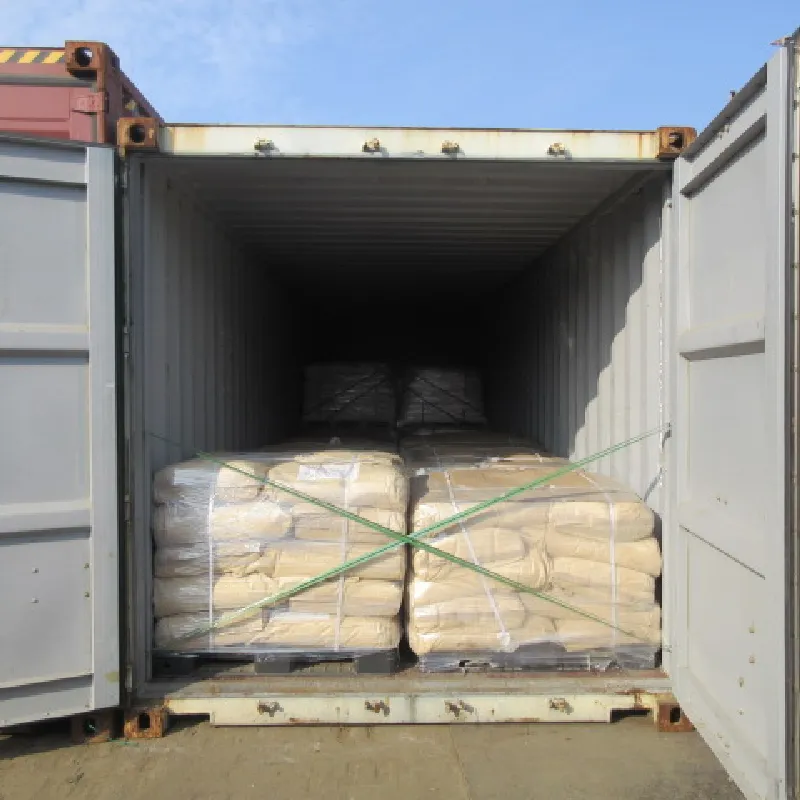
view more Tetramethyl Thiuram DisulfideTetramethyl thiuram disulfide, also known as TMTD, is a white to light-yellow powder with a distinct sulfur-like odor. It is soluble in organic solvents such as benzene, acetone, and ethyl acetate, making it highly versatile for use in different formulations. TMTD is known for its excellent vulcanization acceleration properties, which makes it a key ingredient in the production of rubber products. Additionally, it acts as an effective fungicide and bactericide, making it valuable in agricultural applications. Its high purity and stability ensure consistent performance, making it a preferred choice for manufacturers across various industries.