





The Essential Guide to Acidity Regulator E330: Uses, Benefits, and Trends
What Is Acidity Regulator E330 and Why Should We Care?
Have you ever glanced at a food label and seen “E330” listed? That little code actually packs a punch far beyond the average grocery list. Acidity regulator E330, commonly known as citric acid, plays a crucial role not just in our kitchen cupboards but in industries globally. Why the fuss? Because it balances acidity in an impressively sustainable way, impacting everything from food preservation to pharmaceuticals.
On a global scale, understanding and utilizing E330 isn’t just a matter of flavor—it ties directly into food security, safety regulations, and cutting waste. Given that nearly a third of food produced is wasted worldwide (according to the UN Food & Agriculture Organization), acidity regulators like E330 help prolong freshness naturally, contributing to sustainability efforts. If you’re curious about what makes E330 such a favorite, you’re in the right place. Let’s break it down.
The Global Context: E330 in a World That Needs Stability
Citric acid’s impact isn’t a niche issue. According to UN Food Security programs, stabilizing food acidity is essential to controlling microbial growth, a big challenge especially in regions with limited refrigeration. The global citric acid market reached approximately USD 3 billion in recent years, illustrating its ever-growing demand. Whether it’s in beverages in Europe or canned goods in Southeast Asia, acidity regulators ensure products are shelf-stable and safe.
Oddly enough, even in humanitarian contexts, E330 matters. During disaster recovery phases, food that stays edible longer means fewer resources spent on transport and emergency logistics. If you think about it, acidity regulators quietly yet profoundly support food chains worldwide.
Acidity Regulator E330 Explained: Simply Put
So, what exactly is acidity regulator E330? In simple terms, it's citric acid, a natural organic compound found in citrus fruits. In industry, it is used primarily to control the acidity or pH level of foods and beverages, preserving flavor and preventing spoilage.
Beyond flavor, it offers a non-toxic, cost-effective means to balance acidity—an ongoing necessity as we rely more on processed and packaged foods globally. In modern manufacturing and humanitarian aid alike, having a reliable acidity regulator like E330 means safer, longer-lasting products.
Key Components and Factors of Acidity Regulator E330
1. Purity and Food-Grade Quality
Citric acid must meet strict purity standards, especially when used in consumables. Food-grade E330 contains minimal impurities, ensuring that it doesn’t alter the taste adversely or cause health issues. This purity also makes it ideal for pharmaceuticals and cosmetics, beyond the food realm.
2. Versatility
One of E330’s strengths is how adaptable it is — you’ll find it in soft drinks, canned vegetables, dairy products, even in detergents and cleaning agents. Its ability to regulate acidity ranges from mild adjustments to significant pH shifts, which is why industries love it.
3. Cost Efficiency & Scalability
Compared to synthetic additives, citric acid is relatively cheap to produce, especially given the advances in fermentation technology. This keeps costs down and helps small-scale producers afford effective preservatives too.
4. Sustainability
Since a significant portion of E330 is produced through microbial fermentation rather than extraction straight from citrus fruits, it often boasts a lower environmental footprint than many alternatives. This aligns with the push for greener food production.
Real-World Applications: Where Acidity Regulator E330 Shines
Industries—from food processing hubs in Europe to pharmaceutical plants in India—rely on E330 daily. It’s indispensable in:
- Soft drink manufacturing, where it balances tang and preserves carbonation
- Canning and preserving to inhibit bacterial growth
- Cosmetic formulations to stabilize pH and improve shelf-life
- Pharmaceuticals, especially buffered solutions and effervescent tablets
Interestingly, NGOs operating in emergency feeding programs also depend on E330-treated food supplies to maximize shelf life without refrigeration. In many remote relief contexts, this can be a literal lifesaver.
Product Specification Table: Typical Acidity Regulator E330
| Specification | Details |
|---|---|
| Chemical Name | Citric Acid Monohydrate (E330) |
| Purity | ≥ 99.5% |
| Appearance | White crystalline powder |
| Solubility | Water-soluble |
| pH Value (1% solution) | 2.2 - 2.5 |
| Packaging | 25kg bags / bulk containers |
The Benefits and Lasting Value of Acidity Regulator E330
On a practical level, using E330 helps reduce spoilage, which cuts costs and waste—a critical point with food inflation still on the rise worldwide. But beyond finances, there's an emotional element here. For producers and consumers alike, E330 contributes to safer food, greater trust, and a sense of security.
Its relatively low environmental impact compared to synthetic acids also enhances sustainability, offering a win-win. This is particularly vital as more companies commit to greener supply chains.
Comparing Major E330 Vendors: What Sets Them Apart?
| Vendor | Origin | Purity (%) | Bulk Pricing | Sustainability Profile |
|---|---|---|---|---|
| Tenger Chemical | China | ≥ 99.9 | Competitive, Flexible | Eco-conscious fermentation |
| Cargill | USA | ≥ 99.5 | Premium pricing | Sustainable sourcing program |
| Jungbunzlauer | Switzerland | ≥ 99.8 | Mid-range | Strong focus on environmental practices |
Looking Ahead: Innovations and Trends in Acidity Regulation
The future of acidity regulation feels like a quiet revolution. Researchers are exploring bioengineered strains for fermentation that could push production efficiency even higher while cutting emissions. There’s also a growing interest in combining E330 with natural antioxidants to extend shelf life further without synthetic preservatives.
In industry 4.0 settings, digital pH monitoring combined with smart dosing systems helps tailor acidity regulation with unprecedented precision—less waste, better taste, improved safety.
Plus, as consumers demand “clean labels,” E330’s natural origin is a boon in marketing—brands can tout natural acidity regulators over chemical-sounding alternatives, which frankly sounds nicer on a package.
Challenges We Face and How to Solve Them
It’s not all sunshine. Bulk E330 transport and storage require careful moisture control—citric acid is hygroscopic and clumps if neglected. Some regions also struggle with counterfeits or substandard imports.
Experts recommend robust quality control standards and sourcing from reputable manufacturers — like Tenger Chemical — to avoid these problems. Transparency in supply chains and adherence to international certifications (think ISO and FCC standards) are increasingly essential.
FAQ: Your Questions About Acidity Regulator E330 Answered
Q1: Is acidity regulator E330 safe for all types of food products?
A1: Yes, E330 is generally recognized as safe (GRAS) by global food safety authorities, including the FDA and EFSA. It is widely used across beverages, dairy, confectionery, and canned goods without adverse effects, provided it’s used within recommended limits.
Q2: Can E330 be used as a natural preservative in organic products?
A2: Absolutely. Since citric acid is naturally sourced and biodegradable, many organic certifications accept it as a preservative, making it a popular choice for organic juices and snacks.
Q3: How does E330 affect the shelf life of products?
A3: By regulating pH levels, E330 inhibits bacterial growth and enzymatic reactions responsible for spoilage, thereby extending shelf life anywhere from days to months depending on the product type and storage conditions.
Q4: Is E330 environmentally sustainable?
A4: Generally, yes. Modern manufacturing primarily relies on fermentation, a renewable process. When sourced responsibly, E330 has a significantly lower ecological footprint compared to synthetic acids.
Wrapping It Up: Why Acidity Regulator E330 Deserves a Spot on Your Radar
In real terms, the humble E330 is a bit like the unsung referee in the world of chemistry and food safety. It keeps things balanced, safe, and long-lasting without making a fuss. For manufacturers, relief agencies, and consumers alike, this means less spoilage, greater trust, and a modest step towards sustainability.
If you’re looking to integrate a reliable acidity regulator into your product lineup, or just curious to learn more about cutting-edge production techniques, I suggest visiting Tenger Chemical. They offer not just quality, but a good story behind the scenes—a rarity these days.
Keep in mind, as we push forward in sustainable food technologies, acidity regulator E330 will remain a quietly powerful tool. Who knew that a simple acid could do so much?
Mini takeaway: E330’s blend of affordability, sustainability, and versatility makes it indispensable in modern industry—from your morning orange juice to complex pharmaceutical formulations.
References
-
The Essential Guide to Sorbates as Food Preservatives for SafetyNewsApr.16,2026
-
The Ultimate Guide to Sorbate Preservative in Modern IndustryNewsApr.09,2026
-
Comprehensive Guide to Sodium Stearoyl Lactylate Emulsifier Applications and BenefitsNewsApr.07,2026
-
Comprehensive Guide to Sodium Cyclamate Sweetener Properties and ApplicationsNewsApr.04,2026
-
Comprehensive Guide to Sodium Citrate Food Additive and Its ApplicationsNewsMar.31,2026
-
Comprehensive Guide to Sodium Bicarbonate Food Additive Applications and BenefitsNewsMar.28,2026
-
Understanding Sodium Benzoate Preservative in Cosmetics and Its ApplicationsNewsMar.26,2026
Hebei Tenger Chemical Technology Co., Ltd. focuses on the chemical industry and is committed to the export service of chemical raw materials.
-
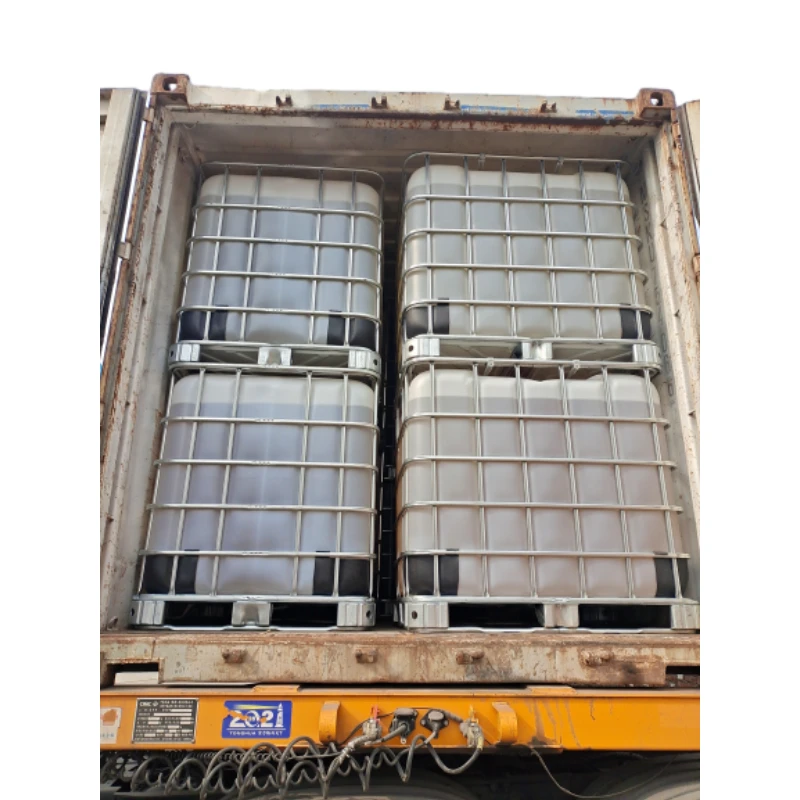
view more DiethanolisopropanolamineIn the ever-growing field of chemical solutions, diethanolisopropanolamine (DEIPA) stands out as a versatile and important compound. Due to its unique chemical structure and properties, DEIPA is of interest to various industries including construction, personal care, and agriculture. -
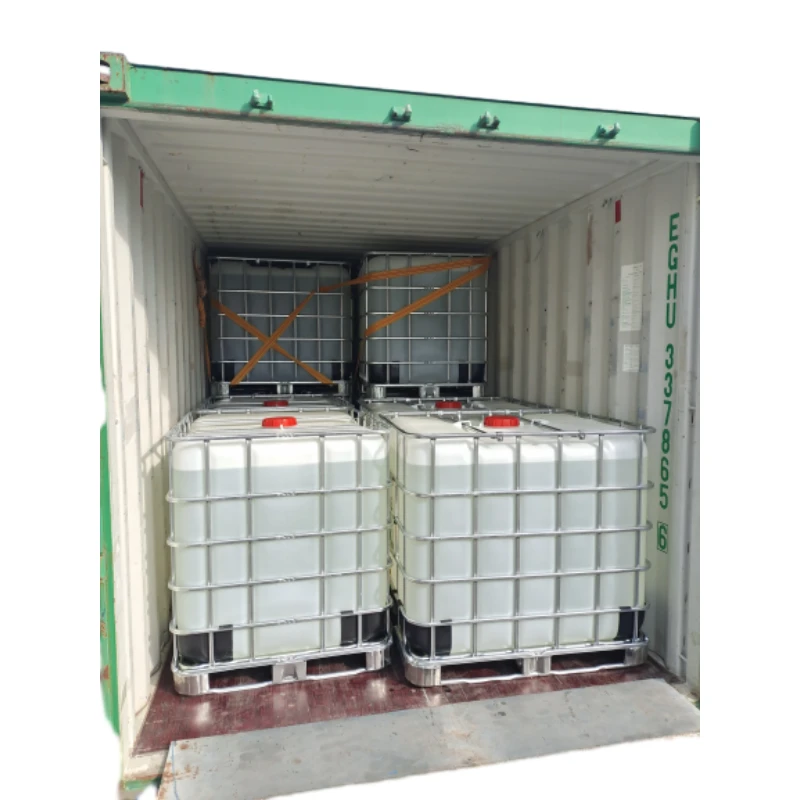
view more TriisopropanolamineTriisopropanolamine (TIPA) alkanol amine substance, is a kind of alcohol amine compound with amino and alcohol hydroxyl, and because of its molecules contains both amino and hydroxyl. -

view more Tetramethyl Thiuram DisulfideTetramethyl thiuram disulfide, also known as TMTD, is a white to light-yellow powder with a distinct sulfur-like odor. It is soluble in organic solvents such as benzene, acetone, and ethyl acetate, making it highly versatile for use in different formulations. TMTD is known for its excellent vulcanization acceleration properties, which makes it a key ingredient in the production of rubber products. Additionally, it acts as an effective fungicide and bactericide, making it valuable in agricultural applications. Its high purity and stability ensure consistent performance, making it a preferred choice for manufacturers across various industries.