





Understanding Additive in Chinese Food: Safety, Trends & Global Impact
What You Should Know About Additive in Chinese Food
When we talk about additive in Chinese food, it might, at first, sound like a dry, technical topic restrained to food scientists or regulatory agencies. But honestly, it touches on much more — from how we experience beloved dishes, to the global food trade, and even public health worldwide. Understanding food additives, especially in the context of Chinese cuisine, is key. Why? Because additives help preserve flavors, enhance colors, and improve texture — all while ensuring safety and consistency in a dish that’s loved globally.
Given that Chinese food is one of the most widely enjoyed culinary traditions worldwide — from busy urban restaurants to home kitchens in Shanghai, New York, and Sydney — these additives play a vital role, making the food accessible, tasty, and safe year-round.
Mini takeaway: Not just a pantry afterthought, additives in Chinese food shape your experience from kitchen to table, with global impact.
The Worldwide Importance of Additives in Chinese Cuisine
Globally, the food additive market is booming, expected to hit around USD 50 billion by 2027 [1]. Chinese cuisine, being both traditional and evolving, rides this trend with unique additive needs — think soy sauce stabilization, color retention in stir-fry vegetables, or preserving dim sum freshness. According to the Food and Agriculture Organization (FAO) and the Codex Alimentarius Commission, the use of approved additives ensures food safety and supports international trade, crucial for a cuisine that’s become a cultural export.
However, the challenge lies in balancing authentic flavor with health concerns, as some additives like MSG or artificial colorants remain controversial in various markets. Consumer demand is shifting towards natural, traceable additives — an evolving puzzle industry players are tackling daily.
Mini takeaway: Additives aren’t just functional; they reflect evolving global tastes and regulatory landscapes, especially for Chinese food products crossing borders.
What Does Additive in Chinese Food Mean?
Put simply, an additive in Chinese food is any substance added intentionally to food to preserve flavor, enhance appeal, improve texture, or extend shelf life without compromising food safety. These can be natural (like vinegar or ginger extracts) or synthetic (such as certain preservatives or flavor enhancers). They’re the subtle architects behind the scenes, ensuring that a juicy Peking duck or delicate wonton soup tastes as vibrant after transport as it does fresh off the wok.
Tangentially, additives also align with modern industrial and humanitarian needs — for example, in emergency food supplies or mass catering contexts, additives help offer consistent nutrition and flavor under challenging conditions.
Mini takeaway: Food additives are the unsung heroes behind great-tasting, safe-to-eat Chinese dishes, and a bridge between tradition and modern food science.
Key Components of Additives in Chinese Food
1. Flavor Enhancers
Think monosodium glutamate (MSG) — a well-known additive believed to amplify umami in broth or stir-fries. While some debate its safety, extensive research by authorities like the FDA and WHO shows it’s safe in moderate quantities. These enhancers make dishes taste ‘meaty’ or deeply savory without extra salt or fat.
2. Preservatives
Chinese foods, with their delicate sauces and ingredients, often require preservatives such as sodium benzoate or sorbic acid to extend shelf life and inhibit microbial growth, especially for packaged or frozen goods.
3. Coloring Agents
Colors like paprika extract or caramel color keep sauces visually appealing — bright, warm, and appetizing. Consumers often “eat with their eyes” first, so color retention is no small matter.
4. Thickeners and Stabilizers
Ingredients like xanthan gum or modified starches offer an ideal texture and viscosity, crucial in rich sauces or dim sum fillings, giving that mouthfeel people expect.
5. Anti-Caking Agents
In powdered soy sauces or spice blends, additives prevent clumping to ensure even distribution and ease of use.
Mini takeaway: These components collectively balance taste, look, texture, and safety — a true team effort behind every bite.
Global Applications of Additives in Chinese Food
The use of additives in Chinese food varies by region and format:
- Manufacturing hubs in China and Asia: Mass production relies heavily on preservatives and stabilizers to maintain quality during storage and shipping.
- Overseas Chinese restaurants: Often blend fresh and pre-packaged items with additives to satisfy customer expectations on flavor and consistency.
- Humanitarian aid: Instant meals or nutrient-enhanced Chinese dishes — fortified with additives for shelf-life and nutrition — find use in post-disaster relief efforts.
- Export markets: Stringent regulations in the EU and US require transparent additive use and labelling — a focus for exporters to maintain trust and comply with local laws.
Mini takeaway: Additives enable Chinese food to travel far, stay safe, and satisfy a sprawling global audience — from upscale cities to crisis zones.
Advantages & Long-Term Value of Additives in Chinese Food
At a glance, additives offer undeniable benefits:
- Cost Efficiency: Preservatives and stabilizers reduce spoilage, saving money at every stage.
- Sustainability: Extending shelf life minimizes food waste — something the UN Food Systems Summit highlights as critical [2].
- Safety & Trust: Consistent use of approved additives reassures consumers on hygiene, especially important in mass catering.
- Innovation: Ongoing additive research keeps Chinese food evolving with changing tastes and health trends.
On a human level, additives preserve not only food but also cultural heritage, making sure recipes survive globalization without losing soul. Oddly enough, they merge science with tradition — a delicious alliance.
Future Trends: Where Additives in Chinese Food Are Heading
Experts predict several exciting trends:
- Natural & Clean Label Additives: Derived from plants or fermentation, to meet consumer demand for transparency.
- Digital Traceability: Blockchain and IoT to track additive sourcing and use within supply chains.
- Personalized Nutrition: Additives tailored for health benefits, like probiotics added into noodles or sauces.
- Green Chemistry: Developing additives with minimal environmental footprints aligning with sustainability goals.
These innovations suggest that even a centuries-old cuisine like Chinese can embrace tech without losing its character — which is encouraging!
Challenges & Solutions in the Use of Additives in Chinese Food
But it's not all smooth sailing:
- Regulatory Complexity: Different countries have distinct additive approvals, complicating exports.
- Consumer Skepticism: Misconceptions about safety fuel resistance — education and transparency are key fixes.
- Balancing Flavor with Health: Reducing sodium or MSG while preserving taste demands R&D investment.
To overcome these, many firms invest in natural additive R&D, collaborate with regulatory bodies early, and launch consumer awareness campaigns that demystify additives.
FAQ: Frequently Asked Questions About Additive in Chinese Food
Q1: Are additives like MSG really safe in Chinese food?
A: Yes, MSG has been extensively studied by global health organizations including the FDA and WHO and is generally recognized as safe when used within regulated limits. It enhances flavor without adding sodium, making it a valuable additive.
Q2: How can I identify natural vs. synthetic additives on Chinese food labels?
A: Natural additives often come from identifiable sources like vinegar, soy lecithin, or spices, while synthetic ones have chemical-sounding names. Look for labels stating "natural" or certifications such as organic. Transparency from manufacturers is improving this clarity.
Q3: Do preservatives in Chinese packaged foods affect taste?
A: When used properly, preservatives do not alter taste noticeably. They’re formulated to maintain original flavor and ensure product safety over time.
Q4: Can additives make Chinese food healthier?
A: Some additives, like vitamin fortifications or probiotics, aim to add nutritional value. However, traditional flavor enhancers can be high in sodium, so moderation is recommended.
Q5: How do regulations impact additive use in Chinese food exports?
A: Exporters must comply with strict regulatory frameworks varying by destination country, requiring clear additive labeling and usage within allowed levels, which mandates ongoing testing and documentation.
Product Specifications: Typical Additives Used in Chinese Food
| Additive | Function | Common Source | Typical Use Cases |
|---|---|---|---|
| Monosodium Glutamate (MSG) | Flavor Enhancer (umami) | Fermentation of starch or sugar | Soups, sauces, stir-fries |
| Sodium Benzoate | Preservative | Chemical synthesis | Packaged sauces, condiments |
| Caramel Color | Coloring | Caramelization of sugars | Soy sauce, broths |
| Xanthan Gum | Thickener / Stabilizer | Fermentation of carbohydrates | Sauces, dumpling fillings |
| Silicon Dioxide | Anti-caking Agent | Natural mineral | Powdered spice mixes |
Comparing Major Additive Suppliers for Chinese Food Industry
| Supplier | Additive Range | Key Markets | Certifications | Notable Features |
|---|---|---|---|---|
| Tenger Chemical | Preservatives, stabilizers, flavor enhancers | Asia, North America | ISO 22000, HACCP | Custom formulations, rapid delivery |
| Global Food Additives Inc. | Natural thickeners, colors | Europe, Latin America | Organic, Non-GMO | Focus on clean label solutions |
| Asia-Pacific Additives Ltd. | Flavor enhancers, preservatives | Asia-Pacific | ISO 9001, GMP | Local sourcing, tailored formulas |
Final Thoughts
When I look at the role of additives in Chinese food, it’s clear they’re more than just chemical labels on a package — they’re enablers of consistency, safety, and the sometimes elusive “authentic taste” we crave. Across global kitchens and industries, additives help carry iconic flavors, bridging tradition with modern demands.
For anyone curious, whether you’re a food producer, restaurateur, or an avid foodie, taking the time to understand these substances opens a window into the complex world of food science and cultural heritage mingling on your plate.
Looking to learn more? Visit additive in chinese food for trusted insights and professional-grade product solutions tailored to this unique market.
References
-
The Essential Guide to Sorbates as Food Preservatives for SafetyNewsApr.16,2026
-
The Ultimate Guide to Sorbate Preservative in Modern IndustryNewsApr.09,2026
-
Comprehensive Guide to Sodium Stearoyl Lactylate Emulsifier Applications and BenefitsNewsApr.07,2026
-
Comprehensive Guide to Sodium Cyclamate Sweetener Properties and ApplicationsNewsApr.04,2026
-
Comprehensive Guide to Sodium Citrate Food Additive and Its ApplicationsNewsMar.31,2026
-
Comprehensive Guide to Sodium Bicarbonate Food Additive Applications and BenefitsNewsMar.28,2026
-
Understanding Sodium Benzoate Preservative in Cosmetics and Its ApplicationsNewsMar.26,2026
Hebei Tenger Chemical Technology Co., Ltd. focuses on the chemical industry and is committed to the export service of chemical raw materials.
-
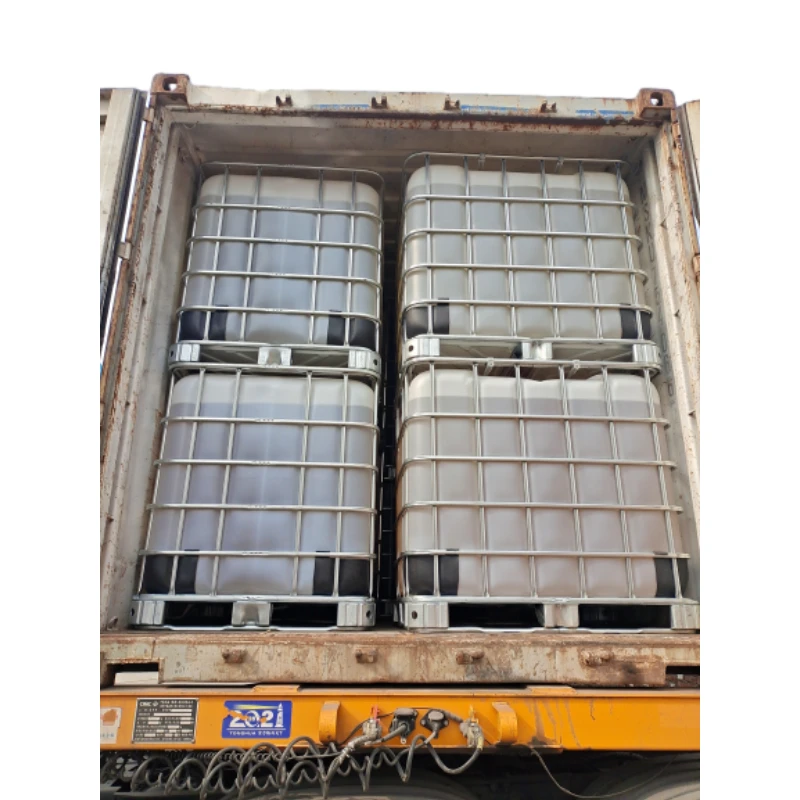
view more DiethanolisopropanolamineIn the ever-growing field of chemical solutions, diethanolisopropanolamine (DEIPA) stands out as a versatile and important compound. Due to its unique chemical structure and properties, DEIPA is of interest to various industries including construction, personal care, and agriculture. -
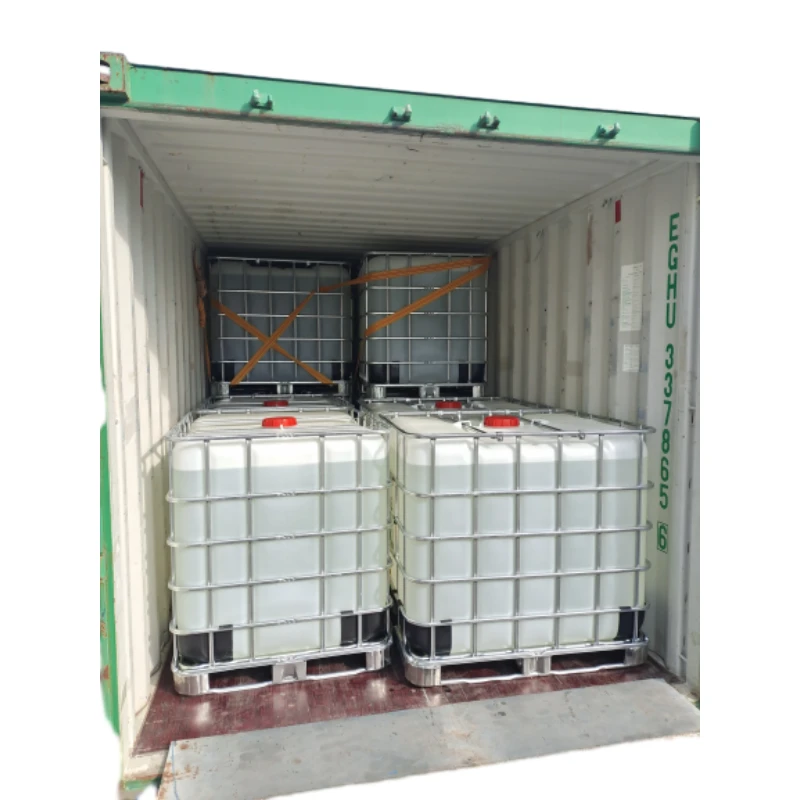
view more TriisopropanolamineTriisopropanolamine (TIPA) alkanol amine substance, is a kind of alcohol amine compound with amino and alcohol hydroxyl, and because of its molecules contains both amino and hydroxyl. -
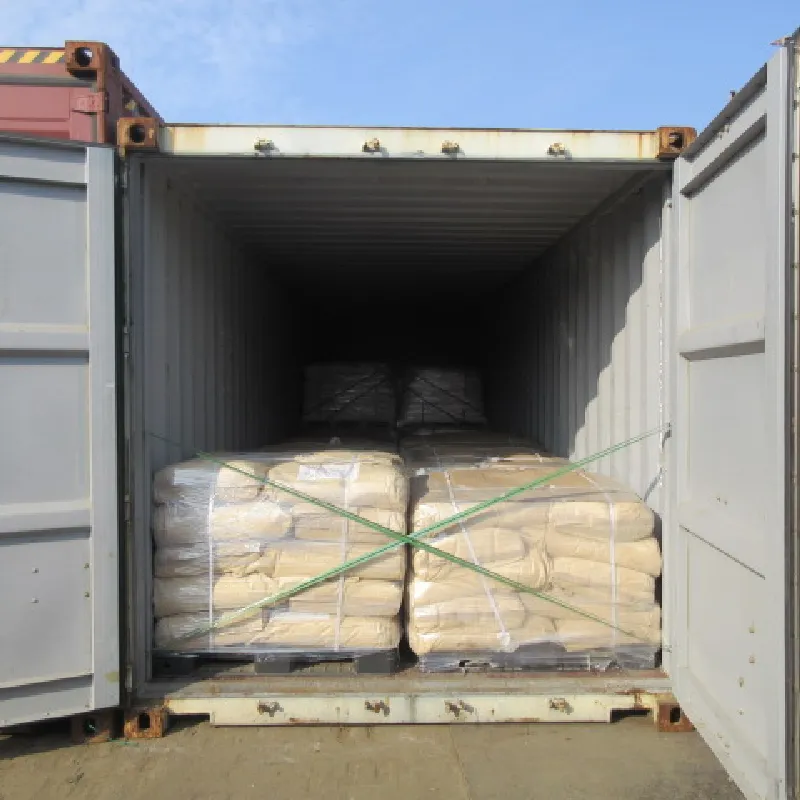
view more Tetramethyl Thiuram DisulfideTetramethyl thiuram disulfide, also known as TMTD, is a white to light-yellow powder with a distinct sulfur-like odor. It is soluble in organic solvents such as benzene, acetone, and ethyl acetate, making it highly versatile for use in different formulations. TMTD is known for its excellent vulcanization acceleration properties, which makes it a key ingredient in the production of rubber products. Additionally, it acts as an effective fungicide and bactericide, making it valuable in agricultural applications. Its high purity and stability ensure consistent performance, making it a preferred choice for manufacturers across various industries.