





Understanding Preservatives Used in Chips Ensuring Freshness and Quality
Understanding Preservatives Used in Chips: Ensuring Freshness & Safety
When enjoying a bag of your favorite chips, have you ever wondered how they stay fresh and flavorful for so long? The answer lies in the use of preservatives. These substances play a crucial role in extending shelf life, preventing spoilage, and maintaining the quality of chips during storage and transportation. At Tenger Chemical, we understand the importance of food safety and supply high-quality preservatives for the food industry. This article will delve into the common preservatives used in chips, their functions, and safety considerations. Learn more about our preservative offerings here.
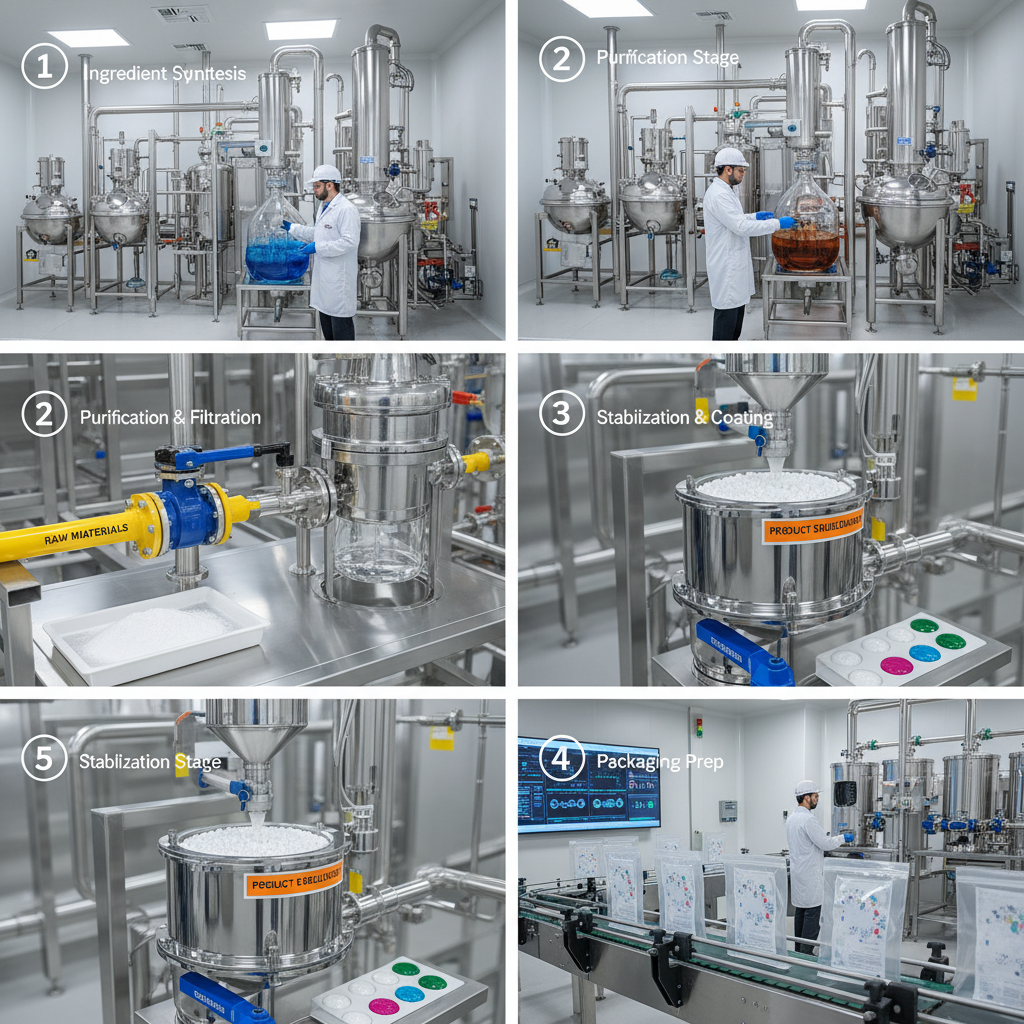
Common Preservatives Used in Chips
Several preservatives are commonly employed in the chip manufacturing process. These are carefully selected based on their effectiveness, safety profile, and regulatory compliance. The primary goal is to prevent rancidity, caused by the oxidation of fats, and to inhibit microbial growth. Here are some of the most prevalent preservatives:
Key Preservative Categories: Antioxidants (prevent fat oxidation), Antimicrobials (prevent mold & bacterial growth), and Nitrogen Flushing (physical method).
Antioxidants: Preventing Rancidity in Chips
Rancidity is a major concern for chip manufacturers as it leads to unpleasant flavors and odors. Antioxidants are added to chips to slow down the oxidation of fats, effectively preventing rancidity and maintaining a desirable taste. Common antioxidants used include:
- TBHQ (Tertiary Butylhydroquinone): A highly effective synthetic antioxidant.
- BHA (Butylated Hydroxyanisole): Another synthetic antioxidant, often used in combination with BHT.
- BHT (Butylated Hydroxytoluene): Widely used to prevent oxidation and maintain flavor.
- Vitamin E (Tocopherols): A natural antioxidant that provides some protective effect.
Antimicrobials: Protecting Against Microbial Spoilage
While oxidation is a primary concern, microbial growth can also lead to spoilage. Antimicrobials are used to inhibit the growth of molds, yeasts, and bacteria, extending the shelf life of chips. Some common antimicrobials used include:
- Calcium Propionate: Effective against molds and yeasts.
- Sodium Benzoate: Inhibits the growth of bacteria and fungi.
- Potassium Sorbate: Used to prevent mold and yeast growth, particularly in lower pH environments.
A Comparison of Common Chip Preservatives
Understanding the differences between preservatives is crucial for manufacturers. Here's a comparison of some commonly used options:
Safety and Regulatory Considerations
The use of preservatives in food is strictly regulated by organizations like the FDA (Food and Drug Administration) in the United States and EFSA (European Food Safety Authority) in Europe. These agencies establish acceptable daily intake (ADI) levels for each preservative, ensuring that they are safe for consumption at permitted levels. Manufacturers must adhere to these regulations to ensure the safety of their products. Tenger Chemical provides preservatives that meet all relevant safety standards and regulatory requirements.
Conclusion: Preserving Quality & Safety
Preservatives play a vital role in maintaining the freshness, flavor, and safety of chips. By understanding the different types of preservatives and their functions, manufacturers can make informed decisions to ensure high-quality products. Tenger Chemical is your trusted partner for sourcing high-quality, regulatory-compliant preservatives for your food production needs.
Frequently Asked Questions (FAQs)
Are preservatives harmful to health?
Preservatives used in food, including those in chips, are rigorously tested and regulated by authorities like the FDA and EFSA. When used within the permitted levels (ADI – Acceptable Daily Intake), they are considered safe for consumption. However, some individuals may experience sensitivities or allergic reactions to certain preservatives. It's important to note that the benefits of preserving food – preventing spoilage and ensuring food safety – often outweigh the potential risks associated with low-level preservative exposure. At Tenger Chemical, we prioritize offering preservatives that meet the highest safety standards.
What is nitrogen flushing and how does it preserve chips?
Nitrogen flushing is a physical preservation technique where the air inside the chip bag is replaced with nitrogen gas. Nitrogen is inert, meaning it doesn't react with the fats in the chips, preventing oxidation and rancidity. It also displaces oxygen, which promotes microbial growth. This method extends the shelf life of chips without the use of additional chemical preservatives, appealing to consumers who prefer “clean label” products.
Why are different types of preservatives used in combination?
Often, a combination of preservatives is used to achieve optimal protection. Different preservatives target different spoilage mechanisms – some prevent oxidation, while others inhibit microbial growth. Using a synergistic blend allows manufacturers to address a wider range of potential issues and maximize shelf life. This approach also allows for lower concentrations of individual preservatives, potentially minimizing any associated risks.
Where can I source high-quality preservatives for my food business?
Tenger Chemical is a leading supplier of high-quality preservatives for the food industry. We offer a wide range of products, including TBHQ, BHA, BHT, Calcium Propionate, and more, all meeting stringent safety and regulatory standards. Contact us today to discuss your specific needs and receive a customized quote.
-
The Essential Guide to Sorbates as Food Preservatives for SafetyNewsApr.16,2026
-
The Ultimate Guide to Sorbate Preservative in Modern IndustryNewsApr.09,2026
-
Comprehensive Guide to Sodium Stearoyl Lactylate Emulsifier Applications and BenefitsNewsApr.07,2026
-
Comprehensive Guide to Sodium Cyclamate Sweetener Properties and ApplicationsNewsApr.04,2026
-
Comprehensive Guide to Sodium Citrate Food Additive and Its ApplicationsNewsMar.31,2026
-
Comprehensive Guide to Sodium Bicarbonate Food Additive Applications and BenefitsNewsMar.28,2026
-
Understanding Sodium Benzoate Preservative in Cosmetics and Its ApplicationsNewsMar.26,2026
Hebei Tenger Chemical Technology Co., Ltd. focuses on the chemical industry and is committed to the export service of chemical raw materials.
-
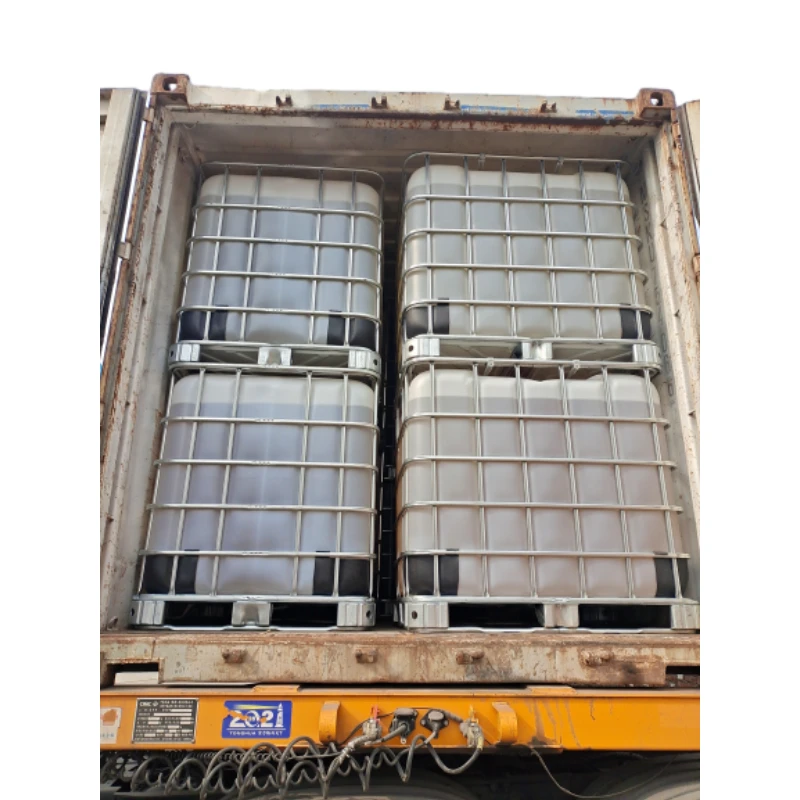
view more DiethanolisopropanolamineIn the ever-growing field of chemical solutions, diethanolisopropanolamine (DEIPA) stands out as a versatile and important compound. Due to its unique chemical structure and properties, DEIPA is of interest to various industries including construction, personal care, and agriculture. -
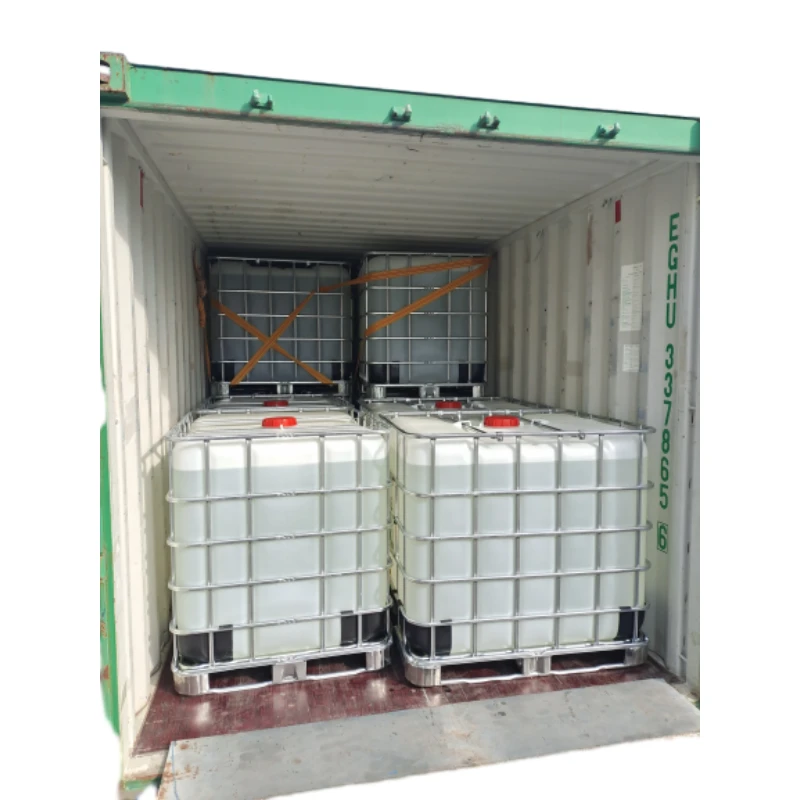
view more TriisopropanolamineTriisopropanolamine (TIPA) alkanol amine substance, is a kind of alcohol amine compound with amino and alcohol hydroxyl, and because of its molecules contains both amino and hydroxyl. -
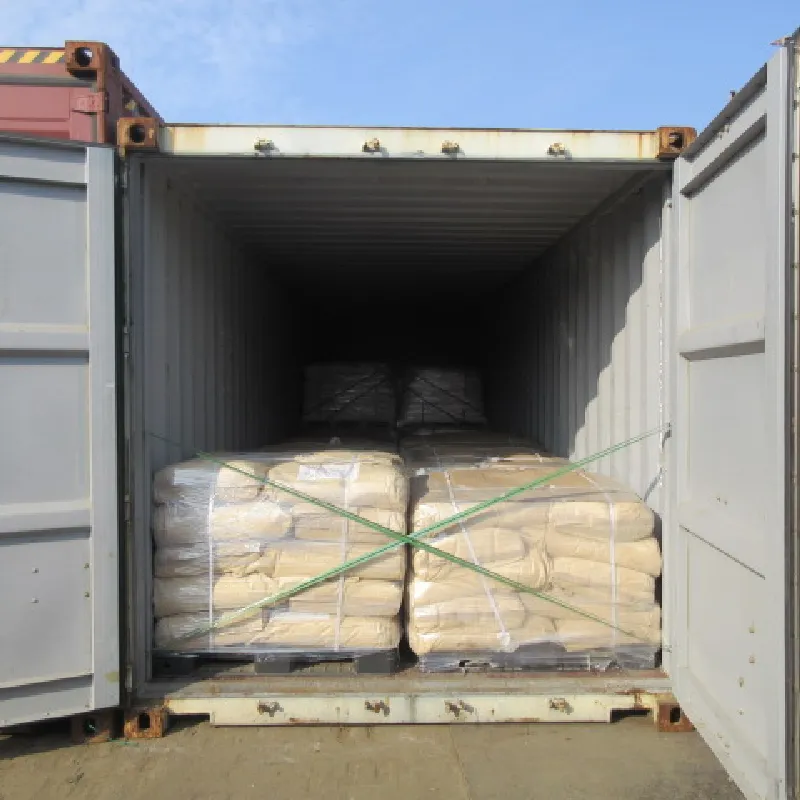
view more Tetramethyl Thiuram DisulfideTetramethyl thiuram disulfide, also known as TMTD, is a white to light-yellow powder with a distinct sulfur-like odor. It is soluble in organic solvents such as benzene, acetone, and ethyl acetate, making it highly versatile for use in different formulations. TMTD is known for its excellent vulcanization acceleration properties, which makes it a key ingredient in the production of rubber products. Additionally, it acts as an effective fungicide and bactericide, making it valuable in agricultural applications. Its high purity and stability ensure consistent performance, making it a preferred choice for manufacturers across various industries.