





What Are Anti Caking Agents Food Additives and Why They’re Essential in Modern Foods
Understanding Anti Caking Agents Food Additives: A Must-Know for Industry and Consumers
At first glance, the term anti caking agents food additives might sound a bit like technical jargon only chemists or food engineers tussle with. Yet, these everyday substances play a surprisingly crucial role in the global food industry, ensuring powdered and granulated products—from table salt to powdered milk—remain free-flowing, easy to handle, and safe for consumption.
Why should you care? Because the moment those salt crystals clump into a stubborn brick at the bottom of your shaker, that’s anti caking agents not doing their job—or worse, not present at all. Beyond kitchen frustrations, these additives are essential in maintaining food quality, reducing waste, and supporting large-scale food distribution systems worldwide.
The Global Landscape: Why Anti Caking Agents Matter Today
The global powdered food market is booming — from spices in kitchens across Asia to powdered infant formula distributed globally. According to the UN’s Food and Agriculture Organization (FAO), the post-harvest losses in grains and powdered foods range up to 15% in some developing regions, partly due to moisture-related clumping and spoilage (1). Here is where anti caking agents food additives lend a helping hand.
Moreover, with international food supply chains stretching longer and becoming more complex, these additives prevent agglomeration during storage and transit, a problem that’s been costing the industry millions annually. Oddly enough, despite their tiny quantities in formulas, these agents have outsized importance for food safety and convenience worldwide—especially in extreme climates where moisture is a constant enemy.
What Exactly Are Anti Caking Agents Food Additives?
Simply put, anti caking agents are ingredients added to powdered or granulated foods to prevent particles from sticking together. They work by absorbing excess moisture, coating particles to create a waterproof barrier, or increasing the overall flowability of powders.
Think of them as microscopic traffic cops keeping powder particles neatly dispersed, so none of that frustrating clumping happens. You’ll find these additives in salt, sugar, flour, spices, baking mixes, and even non-food products like fertilizers or detergents.
Their role is critical not just for convenience but also for manufacturing consistency, dosage accuracy, and ensuring reliable shelf-life — all aspects that protect public health and meet regulatory standards.
Core Components and Characteristics of Anti Caking Agents
1. Moisture Absorption Capability
Most anti caking agents work by grabbing onto unwanted moisture. Substances like calcium silicate or tricalcium phosphate are particularly effective moisture scavengers. This capability reduces the relative humidity near powder particles, keeping them dry and free-flowing.
2. Particle Coating and Separation
Some agents form a thin physical barrier around particles — kind of like invisible armor — preventing direct contact and bonding. Silicon dioxide, a commonly used agent, works this way. The coating effect helps improve product uniformity and prevents lump formation.
3. Food-Grade Safety and Compatibility
Anti caking agents must comply with rigorous food safety regulations (think FDA, EFSA, and JECFA). They need to be chemically stable and tasteless so they don’t alter the flavor or appearance of the food. This means the industry leans heavily on established, approved agents and continuously monitors emerging substances.
4. Cost Efficiency and Scalability
For global manufacturers, the cost per ton might seem minuscule but scaled up, these agents must be reasonably priced to keep end products affordable. They should also be easy to incorporate in existing manufacturing lines without costly modifications.
Mini Takeaway:
Anti caking agents are multi-talented additives that not only prevent clumping but also ensure hygiene, safety, and efficiency across all stages—from factory floors to your kitchen cupboard.
How Are Anti Caking Agents Used Around the World?
Their applications are everywhere. In salt-producing countries like China and India, anti caking agents ensure smooth product flow during packaging and transportation, especially in humid coastal regions. European spice producers rely on them to maintain powder quality across long distribution chains. In emergency relief operations—for example, food aid parcels sent to disaster zones—the presence of reliable anti caking agents means the difference between usable flour and a clumpy mess exposed to moisture.
Similarly, the pharmaceutical industry benefits since many powdered medicines and supplements require consistent dosing without caking. Even agricultural sectors use these compounds to improve the flowability of powdered fertilizers.
Real-World Example:
In post-disaster food relief missions coordinated by the UN World Food Programme, powdered nutritional supplements often use anti caking agents to resist moisture during transport to tropical, high-humidity locations. This small additive ensures the powder remains usable and effective upon arrival.
Advantages and Lasting Value of These Additives
- Reduced Waste: Less product spoiled due to moisture damage.
- Improved User Experience: No more frustrated customers wrestling with lumpy powders.
- Supply Chain Efficiency: Easier storage and transportation lower overall costs.
- Food Safety: Maintains product integrity and dosing accuracy.
- Environmental Benefits: By reducing spoilage, less food is wasted, easing the environmental footprint.
All this together helps manufacturers build trust with consumers and innovate in product development. It’s less glamorous than shiny packaging or trendy ingredients, but the humble anti caking agent quietly keeps the wheels turning.
Product Specification Table: Common Anti Caking Agents
| Agent | Primary Function | Typical Dosage (%) | Regulatory Approval | Common Food Uses |
|---|---|---|---|---|
| Silicon Dioxide (E551) | Particle coating, moisture barrier | 0.2 - 2 | FDA, EFSA, JECFA | Salt, powdered spices, sugar |
| Calcium Silicate (E552) | Moisture absorption | 0.5 - 3 | FDA, EFSA | Salt, dry mixes |
| Tricalcium Phosphate (E341) | Moisture scavenger, flow aid | 0.2 - 2 | FDA, EFSA | Powdered milk, confectionery |
A Quick Comparison: Leading Manufacturers of Anti Caking Agents
| Vendor | Product Range | Global Reach | Special Features | Sustainability Commitment |
|---|---|---|---|---|
| Tenger Chemical | Silicon Dioxide, Calcium Silicate | Global (Asia, Europe, Americas) | Custom formulations, food-grade purity | Eco-friendly sourcing and packaging |
| BASF | Multiple anti caking additives & blends | Worldwide | Advanced R&D support | Sustainability programs ongoing |
| Ashland | Food additives & anti caking blends | North America, Europe, Asia | Customizable additives for niche markets | Committed to reducing emissions |
Looking Ahead: Future of Anti Caking Agents Food Additives
Innovation is quietly stirring the world of anti caking agents. For one, researchers are exploring bio-based and biodegradable alternatives that reduce reliance on mineral-derived compounds. Given the growing demand for "clean label" products, natural anti caking agents sourced sustainably are becoming hot topics.
Automation and digital analytics also allow manufacturers to tailor formulations precisely to climatic conditions and packaging types. Imagine powders that “know” how humid their environment is and adjust flowability accordingly — a futuristic thought that’s edging closer.
Common Challenges & How Industry Tackles Them
Sure, anti caking agents aren't flawless. Some powders resist even the best additives when exposed to extreme humidity for long periods, or their taste can subtly change if doses are excessive. Regulatory complexity across different countries can also slow adoption of new materials.
However, many manufacturers approach these problems by developing proprietary blends, improving packaging technology to minimize moisture ingress, and rigorously testing additives for sensory impact. With ongoing research, these solutions keep improving.
FAQ: What You’re Curious About Anti Caking Agents Food Additives
Q1: Are anti caking agents safe to consume regularly?
Yes, most anti caking agents such as silicon dioxide and calcium silicate are FDA and EFSA approved for food use. They’re generally recognized as safe (GRAS) and used in very small amounts that don’t impact health adversely.
Q2: Can these additives affect the flavor or texture of food?
When used properly, anti caking agents are tasteless and do not change the texture noticeably. However, overuse can occasionally cause a slight chalky feel, so manufacturers closely regulate dosage.
Q3: How do manufacturers choose the right anti caking agent?
Selection depends on the food’s moisture content, particle size, storage conditions, and regulatory approvals in target markets. Product testing is key to ensuring compatibility and performance under real conditions.
Q4: Are there natural alternatives to synthetic anti caking agents?
Yes, some natural substances like rice flour or starch derivatives are used, especially in organic products. They may not be as efficient as synthetic compounds but appeal to clean-label trends.
Q5: Where can I learn more or purchase these additives?
Many chemical suppliers and specialty ingredient manufacturers offer food-grade anti caking agents. For reputable sourcing and technical support, check companies like Tenger Chemical and others listed earlier.
Wrapping It Up: Why Knowing About Anti Caking Agents Matters
The long-term benefits of anti caking agents food additives reach far beyond just keeping powders free-flowing. They reduce food waste, improve production efficiency, bolster food safety, and support global logistics in challenging environments.
So next time you sprinkle perfect salt or dissolve smooth powdered milk, you might spare a thought for these unsung heroes. Curious to learn more or source quality additives? Visit Tenger Chemical for detailed data and expert services.
Food science sometimes feels invisible, but the results? Well, they're deliciously obvious.
References
-
The Essential Guide to Sorbates as Food Preservatives for SafetyNewsApr.16,2026
-
The Ultimate Guide to Sorbate Preservative in Modern IndustryNewsApr.09,2026
-
Comprehensive Guide to Sodium Stearoyl Lactylate Emulsifier Applications and BenefitsNewsApr.07,2026
-
Comprehensive Guide to Sodium Cyclamate Sweetener Properties and ApplicationsNewsApr.04,2026
-
Comprehensive Guide to Sodium Citrate Food Additive and Its ApplicationsNewsMar.31,2026
-
Comprehensive Guide to Sodium Bicarbonate Food Additive Applications and BenefitsNewsMar.28,2026
-
Understanding Sodium Benzoate Preservative in Cosmetics and Its ApplicationsNewsMar.26,2026
Hebei Tenger Chemical Technology Co., Ltd. focuses on the chemical industry and is committed to the export service of chemical raw materials.
-
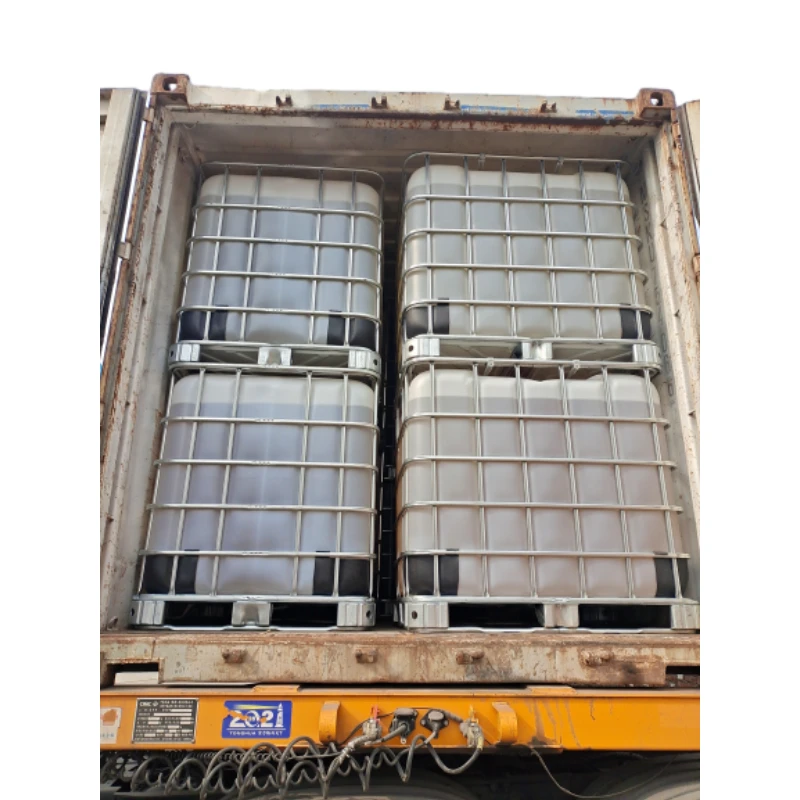
view more DiethanolisopropanolamineIn the ever-growing field of chemical solutions, diethanolisopropanolamine (DEIPA) stands out as a versatile and important compound. Due to its unique chemical structure and properties, DEIPA is of interest to various industries including construction, personal care, and agriculture. -
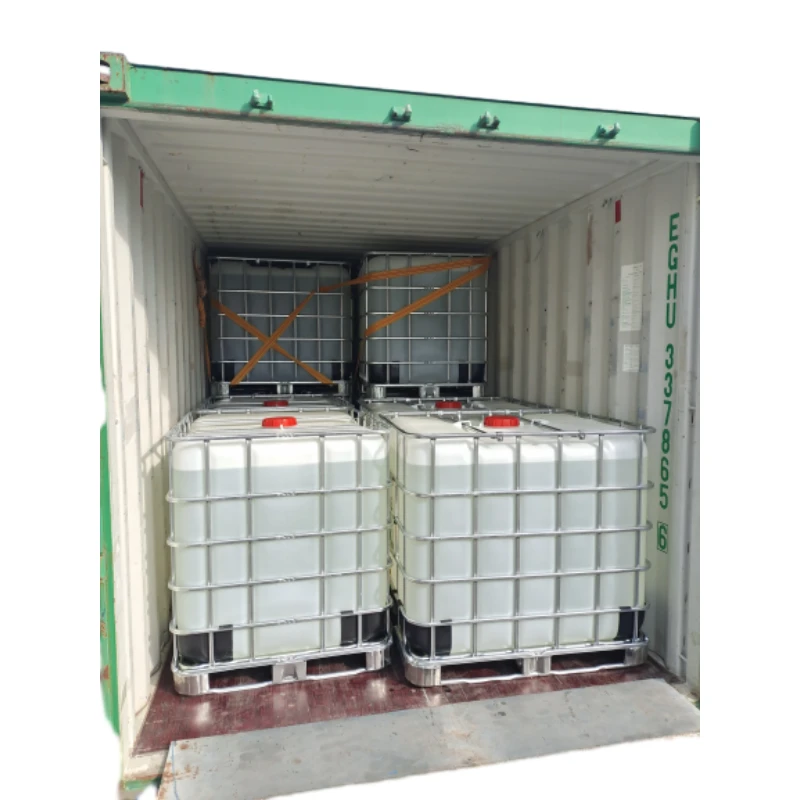
view more TriisopropanolamineTriisopropanolamine (TIPA) alkanol amine substance, is a kind of alcohol amine compound with amino and alcohol hydroxyl, and because of its molecules contains both amino and hydroxyl. -
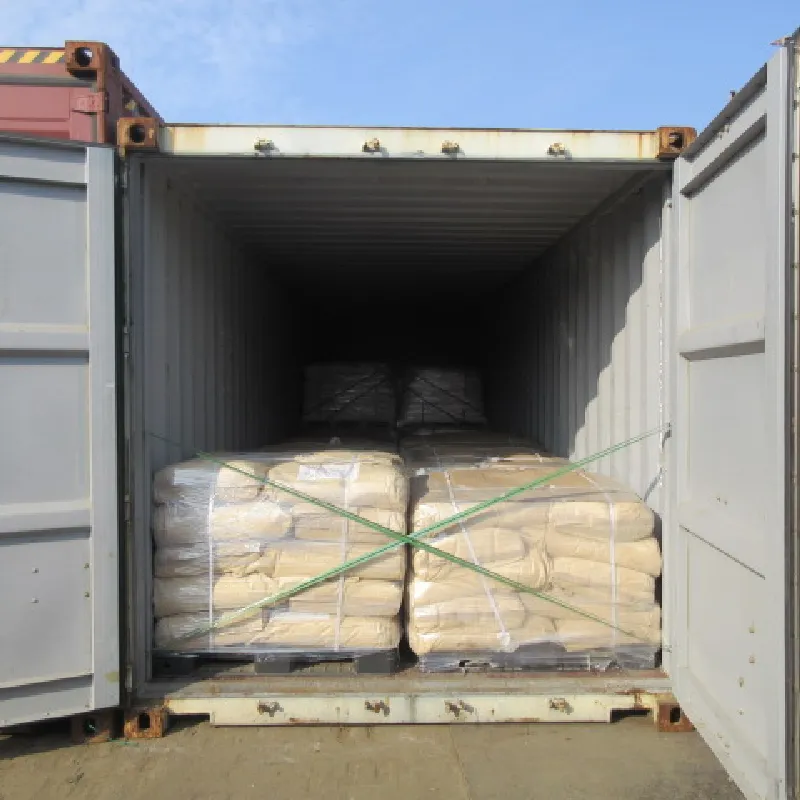
view more Tetramethyl Thiuram DisulfideTetramethyl thiuram disulfide, also known as TMTD, is a white to light-yellow powder with a distinct sulfur-like odor. It is soluble in organic solvents such as benzene, acetone, and ethyl acetate, making it highly versatile for use in different formulations. TMTD is known for its excellent vulcanization acceleration properties, which makes it a key ingredient in the production of rubber products. Additionally, it acts as an effective fungicide and bactericide, making it valuable in agricultural applications. Its high purity and stability ensure consistent performance, making it a preferred choice for manufacturers across various industries.