





Why Citric Acid Is a Preservative & Its Role in Global Industry
Understanding Why Citric Acid Is a Preservative and Its Global Importance
Citric acid has quietly cemented itself as one of the most versatile and widely used preservatives across the globe. You could say it’s a natural superstar in the world of food safety, cosmetics, and even pharmaceutical industries. But why exactly does citric acid serve so well as a preservative? And why should we care about it beyond the label on our favorite soft drink or jar of jam?
At its core, citric acid is a weak organic acid naturally found in citrus fruits like lemons and oranges. Its preservative virtues come from its ability to stabilize pH levels and chelate metals that catalyze spoilage reactions. Understanding how citric acid is a preservative helps industries provide safer products, reduce food waste, and meet growing demands for natural additives. This article unpacks its significance, applications, and what the future holds.
Introduction: The Global Context of Citric Acid as a Preservative
Globally, the food preservation market is rapidly evolving. According to the Food and Agriculture Organization (FAO), roughly one-third of food produced is lost or wasted — a staggering figure with vast environmental and economic impacts. Natural preservatives like citric acid are essential tools to extend shelf life, safeguard nutrition, and reduce that wastage.
Beyond food, industries from cosmetics to pharmaceuticals increasingly seek clean-label ingredients, and citric acid as a preservative fits that bill perfectly. The International Organization for Standardization (ISO) has also recognized the importance of standardized additives for consistency and safety across borders.
Still, challenges remain: how to balance effective preservation without altering taste or efficacy? How can sustainability be improved in sourcing and production? This is exactly where citric acid shines through with its natural profile and adaptability.
Defining Citric Acid Is a Preservative
Simply put, when we say citric acid is a preservative, we mean it is added to products to prevent spoilage caused by microbes or chemical deterioration. It works mainly by lowering the pH level, creating an environment where bacteria and fungi struggle to thrive.
In industrial terms, it's a multipurpose additive that prevents oxidation and microbial growth. For humanitarian efforts, such as delivering safe food in disaster relief operations, citric acid offers a reliable way to keep essentials fresh longer without relying on synthetic chemicals.
Key Factors That Make Citric Acid an Effective Preservative
1. Natural Origin and Safety
Unlike many synthetic preservatives, citric acid is derived from natural sources. This means it enjoys Generally Recognized as Safe (GRAS) status from agencies like the U.S. FDA. For consumers wary of artificial additives, it offers peace of mind.
2. pH Stabilization
By acidifying products, it helps inhibit spoilage organisms. This is particularly crucial in acidic foods like fruit juices, canned goods, and pickles.
3. Metal Chelation
Citric acid binds to metal ions like iron and copper that accelerate oxidation—thus, preventing rancidity and off-flavors in oils and fats.
4. Versatility Across Industries
From food and beverages to cosmetics and pharmaceuticals, its preservative function extends in complex formulations. It even plays roles in cleaning products and water treatment.
5. Cost Efficiency and Scalability
Mass production of citric acid, primarily through fermentation processes using Aspergillus niger mold, keeps prices competitive. This makes it accessible for large-scale use worldwide.
| Property | Typical Value | Implications |
|---|---|---|
| Purity | ≥ 99.5% | High purity ensures minimal contaminants for sensitive uses |
| pH of 1% Solution | 2.2 - 2.4 | Effective acidification for preservation |
| Appearance | White crystalline powder | Easy to handle and integrate into formulations |
| Solubility | Highly soluble in water | Facilitates even distribution in products |
Global Applications of Citric Acid as a Preservative
Citric acid’s preservative properties reverberate worldwide. In Europe and North America, food manufacturers use it extensively to extend shelf life of products such as soft drinks, candies, and canned vegetables. Meanwhile, Asian cosmetic companies rely on it to maintain formulas and improve the efficacy of antioxidants.
Oddly enough, humanitarian organizations operating in disaster zones also benefit from its low-cost preservation, enabling safer, longer-lasting ready-to-eat meals. For instance, the UN's World Food Programme utilizes citric acid in various food aid packages. In industrial zones dotted around Africa and South America, it helps ensure quality despite challenges like heat and humidity.
Vendor Comparison: Citric Acid Suppliers
| Vendor | Origin | Purity | Production Method | Key Markets | Price Competitiveness |
|---|---|---|---|---|---|
| Tenger Chemical | China | ≥ 99.7% | Fermentation | Global (Food, Pharma, Cosmetic) | High |
| BASF | Germany | ≥ 99.5% | Fermentation | Europe, NA | Medium-High |
| Cargill | USA | ≥ 99.5% | Fermentation | North America, Asia | Medium |
Advantages & Long-Term Value of Using Citric Acid as a Preservative
- Cost-Effective Protection: Its affordability allows even small-scale producers to ensure product safety.
- Environmental Sustainability: Being biodegradable and sourced from renewable materials aligns with global green initiatives.
- Consumer Trust and Safety: Recognized as safe and natural, it boosts consumer confidence in product quality.
- Innovation Friendly: Compatible with new product formulations, including organic and vegan lines.
On a more emotional note, I suppose it feels reassuring to know that the foods or personal care products you rely on daily are kept safe using something natural and time-tested. It’s not just about chemistry; it touches on trust and reliability.
Future Trends & Innovations Surrounding Citric Acid
Looking ahead, emerging trends focus on greener production methods, such as utilizing agricultural waste for citric acid fermentation feedstock. Digital technologies like AI are optimizing production parameters too—as a way to reduce resource consumption. Additionally, policies encouraging clean-label products push the preservative market to innovate more natural blends with citric acid.
The rise of sustainability certifications could further boost demand. Oddly enough, the intersection of biotech and traditional chemistry might yield new bioengineered variants with enhanced preservative efficiency in years to come.
Challenges & Innovative Solutions
As effective as citric acid is, it’s not a silver bullet. Limitations like reduced effectiveness at neutral or alkaline pH and potential flavor impacts in some foods can be hurdles. Moreover, sourcing sustainably amid rising global demand can be tricky.
Experts advocate combining citric acid with other natural preservatives or hurdle technology – where multiple mild preservation methods are combined to improve efficacy and reduce drawbacks. Ongoing research in encapsulation methods also aims to control release rates, minimizing any negative sensory effects.
FAQ: Frequently Asked Questions About Citric Acid as a Preservative
- Q: How does citric acid preserve food without harming flavor?
- Citric acid works by adjusting the pH and binding metals that cause spoilage, usually without a strong flavor impact when used at recommended levels. It can even enhance tartness slightly, which is desirable in many fruit-based products.
- Q: Is citric acid safe for infants and sensitive populations?
- Yes, citric acid is generally recognized as safe, including for baby foods and pharmaceuticals. However, its concentration must be carefully controlled to avoid irritation or digestive upset.
- Q: Can citric acid replace synthetic preservatives altogether?
- In many cases, yes—especially when combined with other natural methods. But some products may still require synthetic preservatives depending on their formulation and shelf life requirements.
- Q: How can I source high-quality citric acid for my business?
- Look for suppliers with certifications such as ISO or GMP compliance. Companies like Tenger Chemical offer globally competitive, high-purity products suitable for food, cosmetic, and pharmaceutical uses.
- Q: What environmental impacts are associated with citric acid production?
- Modern fermentative production is relatively eco-friendly, but sourcing feedstocks sustainably and reducing waste remain important challenges. Improvements in process optimization continue to reduce its footprint.
Conclusion: Embracing the Long-Term Benefits of Citric Acid as a Preservative
Ultimately, recognizing that citric acid is a preservative reveals more than just a chemical fact. It shines a light on a natural, sustainable, and versatile tool aiding global efforts—from reducing food waste to enhancing product safety. Its balance of efficacy, safety, and affordability makes it an indispensable asset across sectors worldwide.
For businesses exploring high-quality citric acid options, I recommend checking out Tenger Chemical’s product offerings—where science meets sustainability.
Mini takeaway: Citric acid’s preservative role blends natural chemistry with global sustainability goals—an everyday ingredient with extraordinary impact.
1. Food and Agriculture Organization. “Food Loss and Waste.” FAO
2. International Organization for Standardization. “Food Additives.” ISO Standards
3. U.S. Food & Drug Administration. “Overview of Food Ingredients, Additives & Colors.” FDA
-
The Essential Guide to Sorbates as Food Preservatives for SafetyNewsApr.16,2026
-
The Ultimate Guide to Sorbate Preservative in Modern IndustryNewsApr.09,2026
-
Comprehensive Guide to Sodium Stearoyl Lactylate Emulsifier Applications and BenefitsNewsApr.07,2026
-
Comprehensive Guide to Sodium Cyclamate Sweetener Properties and ApplicationsNewsApr.04,2026
-
Comprehensive Guide to Sodium Citrate Food Additive and Its ApplicationsNewsMar.31,2026
-
Comprehensive Guide to Sodium Bicarbonate Food Additive Applications and BenefitsNewsMar.28,2026
-
Understanding Sodium Benzoate Preservative in Cosmetics and Its ApplicationsNewsMar.26,2026
Hebei Tenger Chemical Technology Co., Ltd. focuses on the chemical industry and is committed to the export service of chemical raw materials.
-
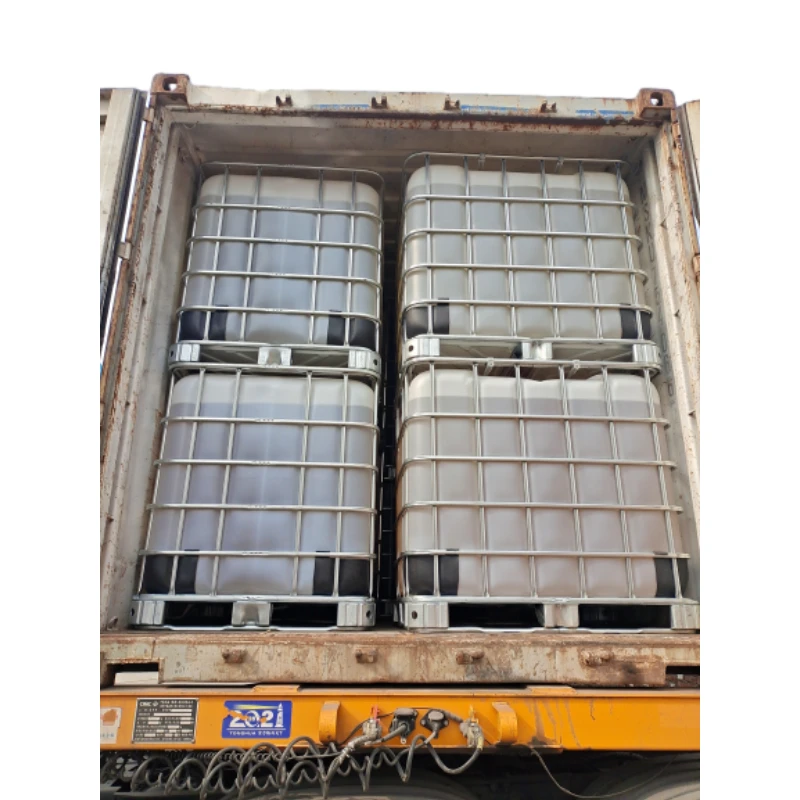
view more DiethanolisopropanolamineIn the ever-growing field of chemical solutions, diethanolisopropanolamine (DEIPA) stands out as a versatile and important compound. Due to its unique chemical structure and properties, DEIPA is of interest to various industries including construction, personal care, and agriculture. -
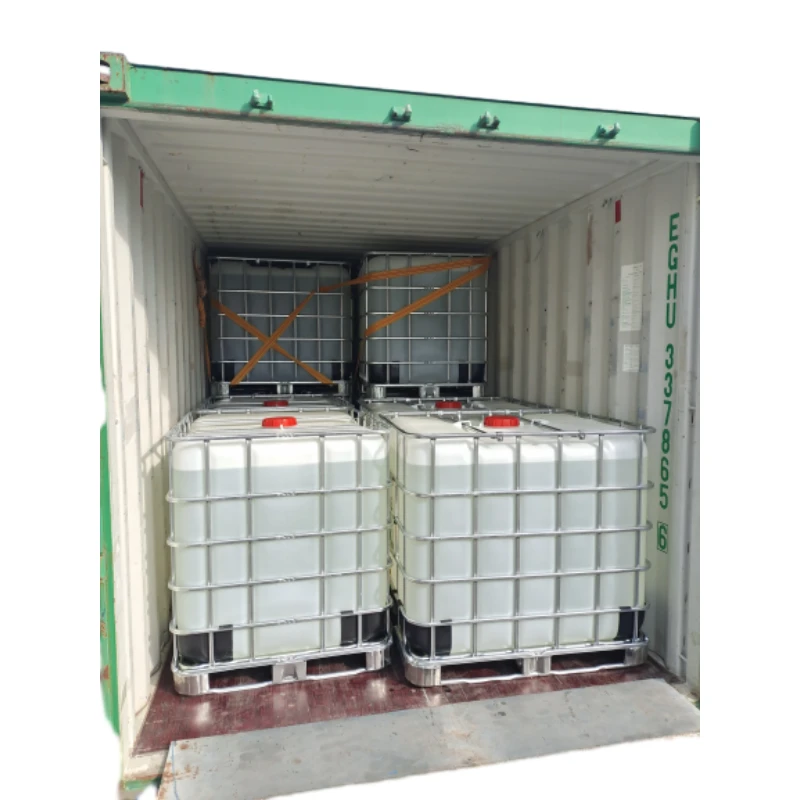
view more TriisopropanolamineTriisopropanolamine (TIPA) alkanol amine substance, is a kind of alcohol amine compound with amino and alcohol hydroxyl, and because of its molecules contains both amino and hydroxyl. -

view more Tetramethyl Thiuram DisulfideTetramethyl thiuram disulfide, also known as TMTD, is a white to light-yellow powder with a distinct sulfur-like odor. It is soluble in organic solvents such as benzene, acetone, and ethyl acetate, making it highly versatile for use in different formulations. TMTD is known for its excellent vulcanization acceleration properties, which makes it a key ingredient in the production of rubber products. Additionally, it acts as an effective fungicide and bactericide, making it valuable in agricultural applications. Its high purity and stability ensure consistent performance, making it a preferred choice for manufacturers across various industries.