TEL: 0086-311-88862036






Nov . 28, 2025 19:30
Back to list
Additives and Preservatives: Extending Shelf Life and Enhancing Safety Globally
Understanding Additives and Preservatives: Why They Matter Worldwide
Additives and preservatives might not be the flashiest topics at a dinner table, but their impact? Immense. These chemical companions silently ensure our food stays fresh, our medicines remain potent, and countless industrial products last longer. Globally, they tackle challenges of spoilage, safety, and economic waste. The stakes are high: roughly one-third of the world’s food supply spoils before consumption, according to the UN’s Food and Agriculture Organization (FAO). Without effective additives and preservatives, the losses would be even more staggering. They not only extend shelf life but also enhance safety, helping global industries and consumers alike — from the remotest villages to bustling urban centers.Global Significance in the Context of Industry and Sustainability
Growing populations and expanding market demands put enormous pressure on supply chains worldwide. The global food additives market alone was valued at over $35 billion in 2022 and continues to climb, driven by increased awareness around food safety and shelf life (source: Statista). The World Bank notes that food preservation can reduce economic losses and improve nutrition, especially in developing countries. But here’s where additives and preservatives truly earn their keep: they mitigate waste and contamination risks, allowing global distributors to reach parts of the world otherwise impossible or prohibitively expensive. Yet, challenges remain. The public’s skepticism about artificial ingredients versus natural alternatives complicates industry efforts. Regulations vary widely across regions, making the global standardization a complex puzzle. Still, one thing is clear: these compounds aren’t just chemical curiosities; they’re foundational to a more sustainable future.What Are Additives and Preservatives, Really?
Put simply, additives are substances added to products—usually food, pharmaceuticals, or industrial goods—to improve quality, safety, or appearance. Preservatives are a specialized type of additive whose main job is to prevent spoilage caused by bacteria, fungi, or oxidation. Think of preservatives as the tireless guards in a supply chain fortress, quietly fighting off microbial attacks and oxidation processes that would otherwise cause decay. In industries ranging from canned foods to cosmetics, they help maintain integrity over time. This connection is crucial for not just convenience but survival—especially in humanitarian efforts like food aid or medical supply distribution, where spoilage risks can have life-or-death consequences.Essential Elements of Additives and Preservatives
1. Durability and Shelf-Life Extension
At their core, preservatives extend product longevity. Take antioxidants, for example—they prevent oxidation that causes rancidity and color changes in oils and fats. Similarly, antimicrobials inhibit bacterial growth, ensuring safety and usability. This durability often decides whether a product makes it from factory to consumer intact.2. Scalability of Use
Effective preservatives can be incorporated across diverse products and volumes. From small-batch artisanal foods to mass-produced pharmaceuticals, their scalable nature supports industries at many levels. This flexibility matters—organizations need solutions that won’t stall when production scales up unexpectedly.3. Cost-Efficiency
While some additives increase upfront costs, their ability to reduce waste and recalls often leads to net savings. For example, extended shelf life allows longer storage and transportation windows without refrigeration—a game-changer for everything from remote villages to large logistic hubs.4. Regulation and Safety Compliance
Because additives interact directly with consumables, they’re highly regulated. Different regions favor different substances over others based on health data and cultural preferences. Staying compliant with bodies like the FDA, EFSA, and JECFA helps ensure products are safe and marketable worldwide.5. Sustainability & Environmental Impact
Energy consumed and waste generated by spoiled products is an enormous environmental burden. Efficient preservatives reduce these footprints by lowering food wastage and improving resource efficiency. There’s a growing trend to develop “green additives,” sourced from natural compounds, aligning with sustainability goals.Mini Takeaway:
Additives and preservatives are about more than just chemistry; they bring durability, flexibility, safety, and sustainability to the table—the very traits that businesses and communities rely on daily.Real-World Applications: Additives and Preservatives at Work
Additives and preservatives have footprints everywhere. In food chains across Asia, salt and vinegar do the silent work of preservation, while Europe favors more regulated synthetic preservatives balancing tradition with modern science. In industrial products—think paints, adhesives, or lubricants—antioxidants and anti-corrosive additives keep machinery humming smoothly in harsh environments. Humanitarian agencies handling post-disaster food supplies rely heavily on preservatives to maintain nutrition despite rough transport conditions. Remote industrial zones, where refrigeration is limited or nonexistent, benefit from additives that enable storage without loss. One illustrative example: In Sub-Saharan Africa, dried and preserved foods fortified with nutrient additives have improved food security during drought seasons. Meanwhile, pharmaceutical companies incorporate preservatives that prevent bacterial contamination, ensuring medications remain safe over long shipping routes.Advantages and Lasting Value of Additives and Preservatives
Let’s be frank: the primary tangible benefit is reducing waste. Less spoilage leads to cost savings, better resource use, and more consistent supply chains. This practical value often translates into social benefits—reliable food availability improves health and dignity, especially in vulnerable populations. Additives can enhance taste, texture, or nutritional content, often sparking innovation in product development. For consumers, preservatives offer confidence: products aren’t just available, they’re safer. Emotional trust—knowing your child’s juice box hasn’t gone bad—is priceless. Sustainability is also a key advantage. According to the Food and Agriculture Organization, reducing food waste through preservatives decreases greenhouse gas emissions and land use. This “invisible” environmental benefit resonates more with consumers prioritizing eco-friendly products.Looking Ahead: Emerging Trends and Innovations
There’s growing movement toward “clean label” additives—those perceived as natural, like rosemary extract or cultured sugar. Digital transformation helps too: real-time spoilage detection and smart packaging enable dynamic shelf life management, cutting waste further. Green chemistry is pioneering environmentally friendly preservation methods, reducing synthetic chemical reliance. Automation and biotechnology are also contributing, by optimizing formulations and discovering new natural preservatives through microbial research. Plus, policy dialogues at international levels (think Codex Alimentarius Commission) are pushing toward harmonized additive standards, making global trade smoother and more transparent.Common Challenges and How Experts Are Tackling Them
Concerns about safety or allergic reactions still cloud public perception, sometimes resulting in costly recalls or bans. Inconsistent global regulatory landscapes can complicate innovation and distribution. The solution? More rigorous, transparent safety assessments and consumer education. Advances in formulation allow for reduced additive concentrations without sacrificing efficacy. Plus, emerging data science approaches help predict spoilage patterns better, tailoring preservative use. Industry collaboration is another bright spot: many companies partner with academic labs or NGOs to develop safer, more sustainable additive solutions.Frequently Asked Questions About Additives and Preservatives
- Q: Are natural preservatives always safer than synthetic ones?
- A: Not necessarily. Natural doesn’t automatically mean safer — some natural preservatives can cause allergies or lack consistent efficacy. Regulatory approval, safety data, and proper formulation matter more than origin.
- Q: How do preservatives differ between food and pharmaceuticals?
- A: While both aim to inhibit spoilage, pharmaceutical preservatives focus heavily on preventing microbial contamination without interfering with active ingredients. Food preservatives often emphasize taste, appearance, and texture preservation as well.
- Q: Can additives and preservatives impact the environment negatively?
- A: Some synthetic additives can have environmental persistence concerns, but ongoing research and green alternatives are mitigating these risks. Overall, reducing food and product waste through preservatives lessens environmental impact.
- Q: How do regulatory standards vary globally for additives?
- A: Regulations differ widely—what’s approved in the US might be restricted in the EU or vice versa. International bodies like Codex Alimentarius help harmonize standards, but manufacturers must navigate local rules carefully.
- Q: Are there innovations that make preservatives more effective for long supply chains?
- A: Yes, smart packaging technologies combined with tailored preservative formulations allow longer, safer transport by monitoring product conditions in real-time and responding accordingly.
Product Specification Snapshot: Typical Additive Types
| Additive Type | Common Applications | Key Benefits | Typical Concentration |
|---|---|---|---|
| Antioxidants (e.g., Ascorbic Acid) | Oils, baked goods, cosmetics | Prevents oxidation and rancidity | 50–500 ppm |
| Antimicrobials (e.g., Sodium Benzoate) | Beverages, dairy, pharmaceuticals | Inhibits microbial growth | 200–1000 ppm |
| Emulsifiers (e.g., Lecithin) | Chocolate, baked goods, dressings | Stabilizes mixtures, improves texture | 0.3–3% |
| Colorants (e.g., Beta-Carotene) | Foods, beverages, cosmetics | Enhances appearance | 5–50 ppm |
| Preservatives (e.g., Sorbic Acid) | Cheese, baked goods, beverages | Prevents mold and yeast | 100–2000 ppm |
Comparing Leading Additive and Preservative Suppliers
| Supplier | Specialization | Key Strengths | Global Reach | Certifications |
|---|---|---|---|---|
| Tenger Chemical | Food & Pharma preservatives | High purity, custom formulations Strong R&D team |
Global, focus on Asia & Europe | GMP, ISO 9001, FDA |
| ChemAdd Solutions | Natural additives | Organic sourcing, sustainability focus | Europe & North America | ISO 14001, USDA Organic |
| PreserveTech Global | Industrial preservatives | Bulk supply, competitive pricing | Global | ISO 9001, REACH |
| GreenAdd Innovations | Bio-based preservatives | Bioactive compounds, reduced toxicity | Regional: Asia, South America | ISO 26000 |
Final Thoughts: The Quiet Heroes of Product Durability
Additives and preservatives might live in the background of our products, but their role is undeniably pivotal. They bridge gaps—between production and consumption, safety and shelf life, sustainability and economic viability. As industries evolve and consumers demand cleaner, safer products, these compounds adapt too, becoming greener, smarter, and more efficient. If you want to dig into the latest innovations or source quality additives and preservatives that fit your needs, don’t hesitate to visit our website. After all, the future of preservation is pretty exciting—sometimes the quietest heroes deserve the loudest appreciation.References & Further Reading
Latest news
-
The Essential Guide to Sorbates as Food Preservatives for SafetyNewsApr.16,2026
-
The Ultimate Guide to Sorbate Preservative in Modern IndustryNewsApr.09,2026
-
Comprehensive Guide to Sodium Stearoyl Lactylate Emulsifier Applications and BenefitsNewsApr.07,2026
-
Comprehensive Guide to Sodium Cyclamate Sweetener Properties and ApplicationsNewsApr.04,2026
-
Comprehensive Guide to Sodium Citrate Food Additive and Its ApplicationsNewsMar.31,2026
-
Comprehensive Guide to Sodium Bicarbonate Food Additive Applications and BenefitsNewsMar.28,2026
-
Understanding Sodium Benzoate Preservative in Cosmetics and Its ApplicationsNewsMar.26,2026
HOT PRODUCTS
Hebei Tenger Chemical Technology Co., Ltd. focuses on the chemical industry and is committed to the export service of chemical raw materials.
-
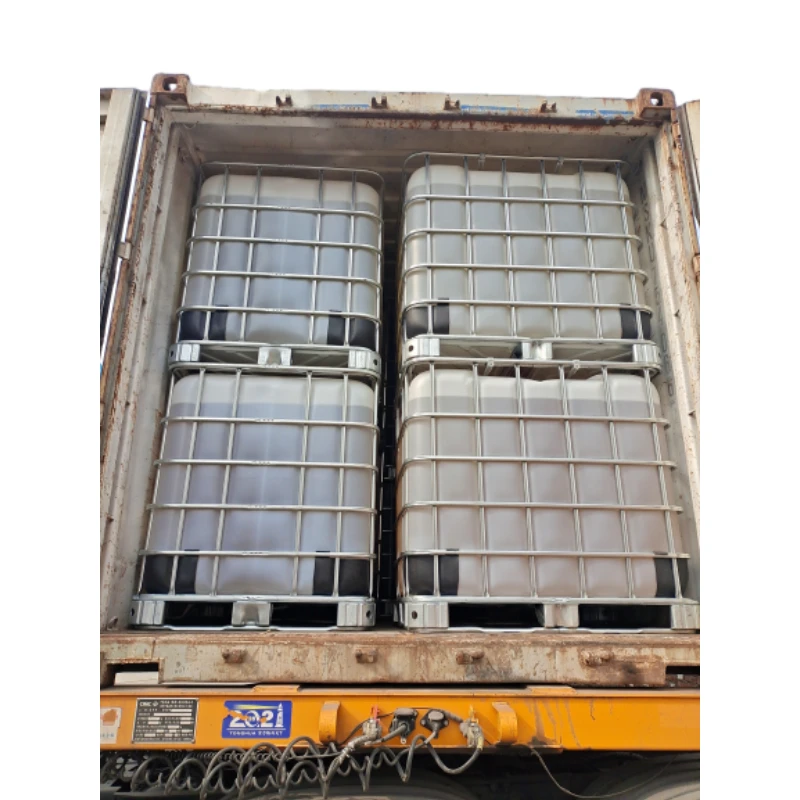
view more DiethanolisopropanolamineIn the ever-growing field of chemical solutions, diethanolisopropanolamine (DEIPA) stands out as a versatile and important compound. Due to its unique chemical structure and properties, DEIPA is of interest to various industries including construction, personal care, and agriculture. -
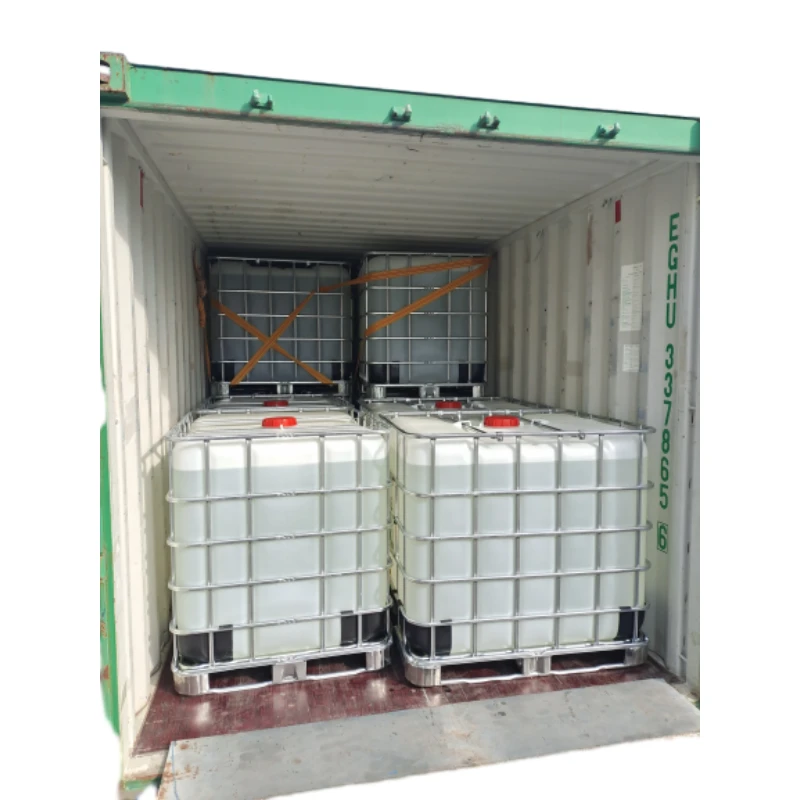
view more TriisopropanolamineTriisopropanolamine (TIPA) alkanol amine substance, is a kind of alcohol amine compound with amino and alcohol hydroxyl, and because of its molecules contains both amino and hydroxyl. -
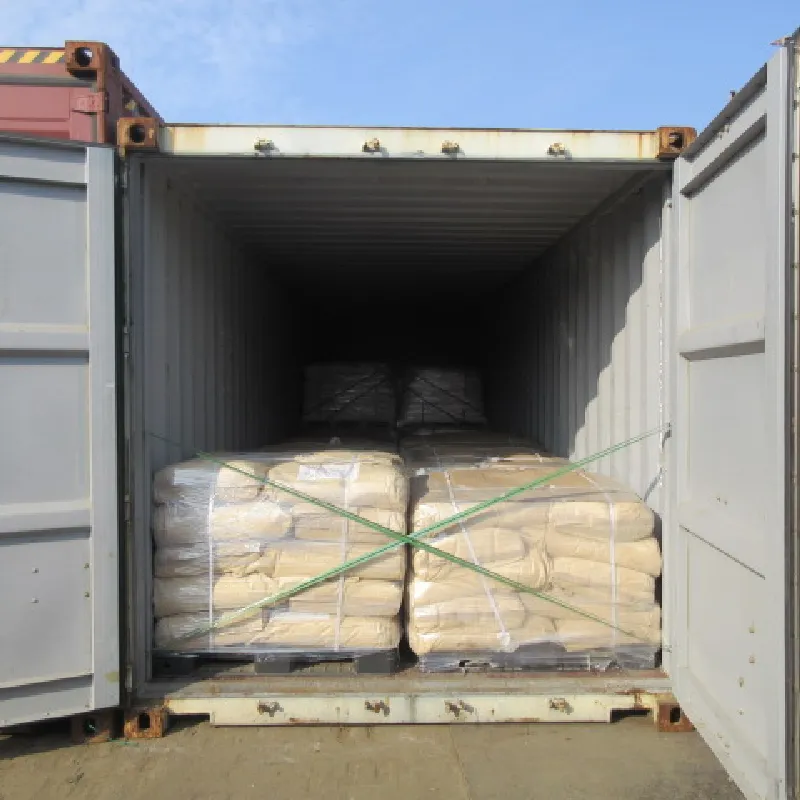
view more Tetramethyl Thiuram DisulfideTetramethyl thiuram disulfide, also known as TMTD, is a white to light-yellow powder with a distinct sulfur-like odor. It is soluble in organic solvents such as benzene, acetone, and ethyl acetate, making it highly versatile for use in different formulations. TMTD is known for its excellent vulcanization acceleration properties, which makes it a key ingredient in the production of rubber products. Additionally, it acts as an effective fungicide and bactericide, making it valuable in agricultural applications. Its high purity and stability ensure consistent performance, making it a preferred choice for manufacturers across various industries.