





Additives in Bread: Enhancing Quality, Shelf Life, and Nutrition Worldwide
Understanding Additives in Bread: Why They Matter Globally
In a world where food sustainability and safety are more critical than ever, additives in bread quietly play a role that many overlook. These substances, blended carefully into the mix, don't just keep bread fluffy or give it that nice crusty edge — they extend shelf life, enhance nutritional value, and ensure consistency from factory ovens to home tables across continents. With global bread consumption projected to keep rising, grasping what additives in bread really do is not only a technical curiosity but also a key to tackling hunger, reducing waste, and improving public health worldwide.
Mini takeaway: Additives in bread help feed billions reliably by improving shelf life, texture, and safety — a small ingredient making a big global impact.
Global Context: The Role of Bread Additives in Today's Food Industry
Bread remains a staple for over 2 billion people globally, according to the United Nations Food Systems Summit. Yet the modern bread market faces numerous challenges: food spoilage, supply chain logistics, and the demand for healthier, longer-lasting products. This is where additives in bread come into play. They help manufacturers meet the high efficiency required by industrial bakeries while catering to international safety standards set by entities like the ISO Food Safety Management standards.
For instance, in regions with limited refrigeration, bread with optimized additives resists mold growth much better, reducing waste drastically. Globally, additives address food security by maximizing shelf life, ensuring that bread can survive long journeys from production to consumer without losing quality.
Mini takeaway: Additives in bread are a practical solution to global challenges like reducing food waste and meeting safety regulations across diverse markets.
What Exactly Are Additives in Bread?
In simple terms, additives in bread are substances added during the baking process that aren't part of the usual flour, water, yeast, and salt mix. These can include preservatives, enzymes, emulsifiers, and acidity regulators. Their role? To improve bread’s texture, taste, appearance, and longevity without compromising safety or nutrition.
Modern production lines rely heavily on these additives for scalability. Think about it: mass bread production needs to perform consistently regardless of seasonal ingredient variations — and additives help make that happen. Plus, in humanitarian contexts like refugee camps or post-disaster zones, bread fortified with certain additives can serve as a durable, nutritious staple that withstands storage challenges.
Mini takeaway: Additives are the hidden helpers making bread last longer, look better, and be more nutritious – essential for both industry and aid efforts.
Core Components of Bread Additives and Their Practical Uses
1. Preservatives
Preservatives slow down mold and bacterial growth to extend shelf life. Common examples include calcium propionate and sorbic acid. These compounds work quietly but effectively, essential for bread shipped across regions or stored in warm climates.
2. Enzymes
Enzymes like amylases break down starches to improve dough relaxation and crumb softness. They also help delay staling, keeping bread fresh longer. Many bakers find enzyme additives help maintain the perfect loaf even after days on the shelf.
3. Emulsifiers
These additives help blend ingredients better, improving dough stability and volume. For example, lecithin ensures fats and water mix well, resulting in a lighter crumb and better texture.
4. Dough Conditioners
Improving dough elasticity and gas retention, conditioners like ascorbic acid (Vitamin C) help the bread rise uniformly, crucial in large-scale baking operations.
5. Nutritional Fortifiers
Some additives enrich bread with vitamins and minerals, addressing nutritional gaps, particularly important in regions facing food insecurity.
Mini takeaway: Each additive type plays a distinct role — from keeping bread mold-free to boosting nutrition — making modern bread what we expect it to be.
Global Applications: Where Additives in Bread Make a Difference
From European industrial bakeries churning out millions of loaves daily to NGOs providing emergency food aid, additives in bread find diverse applications worldwide. In Europe and North America, additives are tightly regulated, ensuring consumer safety while enabling innovation in bread varieties. Meanwhile, in developing countries, additives enable bread to survive long transport and variable storage conditions.
For example, the World Food Programme often depends on fortified bread products with preservatives and vitamins when supplying emergency food baskets. Similarly, rural bakeries in Africa and Asia use enzyme blends to improve local flour quality, enhancing bread's texture and shelf life without raising costs excessively.
| Additive | Function | Typical Dose (%) | Regulation Status |
|---|---|---|---|
| Calcium Propionate | Preservative - Mold Inhibitor | 0.1 - 0.3 | Approved (FDA, EFSA) |
| Amylase Enzyme | Starch Breakdown - Texture | 0.001-0.005 | Generally Recognized as Safe |
| Lecithin | Emulsifier - Dough Stability | 0.3 - 0.5 | Approved (FDA, EFSA) |
Mini takeaway: Different regions and industries adapt additive use to their unique logistics, regulatory requirements, and flavor preferences.
Advantages and Long-Term Value of Using Additives in Bread
The payoffs from adopting additives in bread span economic, social, and environmental realms. They:
- Reduce waste: Lengthening shelf life means fewer breads tossed out daily, cutting costs and environmental impact.
- Enhance safety: Mold-inhibiting additives prevent harmful toxins, safeguarding consumers’ health.
- Improve nutrition: Fortified breads help combat malnutrition, especially in vulnerable populations.
- Empower innovation: Flexible additives allow bakers to customize texture and taste, satisfying consumer demands.
On an emotional level, these additives contribute to food dignity—ensuring people have access to safe, fresh bread without worry. In a way, additives bridge convenience with care.
Emerging Trends and Innovations in Bread Additives
Looking forward, the additive landscape is evolving with sustainability and health in focus. Biodegradable preservatives derived from natural sources like fermented fruits and plants are gaining ground. Digital transformation helps bakers tweak additive blends via AI-based quality control, ensuring consistency while reducing chemical residues.
Automation in production lines also allows tailored additive dosing, adapting on the fly to flour quality or humidity. This not only reduces additive usage but boosts efficiency — great news for eco-conscious brands and consumers.
Challenges and Solutions Facing Additives in Bread Today
Despite benefits, public skepticism about additives remains a major hurdle. “Are these safe?” people ask. Regulatory bodies impose strict limits, but transparency and education are key to overcoming distrust.
Another challenge is balancing additive functionality with “clean label” trends demanding fewer or natural additives. Companies are investing in research to replace synthetic additives with natural or enzymatic alternatives without losing shelf life or texture.
Innovative approaches include micro-encapsulation of preservatives that release only when needed, minimizing overall additive presence. Collaborative efforts among food scientists, regulators, and consumers are crucial here.
Frequently Asked Questions About Additives in Bread
Q1: Are additives in bread safe to consume every day?
Yes. Most bread additives are rigorously tested and approved by global food agencies like FDA and EFSA. When used within recommended limits, they pose no health risk. Plus, many additives like enzymes are natural or enzymatic in origin.
Q2: Do additives affect the taste of bread?
Normally, additives improve bread’s texture and freshness without altering flavor noticeably. In fact, emulsifiers and enzymes help produce consistent taste by stabilizing dough and crumb structure.
Q3: Can bread additives help reduce food waste?
Definitely. Preservatives slow mold growth, which means bread rolls stay fresh longer on shelves and in pantries — reducing the amount discarded.
Q4: How to choose bread with clean-label additives?
Look for products specifying “natural preservatives” or “enzyme-based” additives on labels. Smaller bakeries often use such blends, though industrial manufacturers are catching up.
Q5: Is there a difference between additives used in artisan vs. commercial bread?
Yes. Artisan breads often rely less on chemical additives, opting for natural fermentation. Commercial breads depend more on additives for shelf life and uniformity. Both have trade-offs in taste, cost, and freshness.
Conclusion: The Sweet Spot of Bread Additives
At first glance, additives in bread might seem like a technical detail for scientists and bakers. But in reality, they form an intricate part of our food ecosystem, quietly enabling billions to enjoy fresh, safe, tasty bread day in and day out. Their global impact spans food security, health, and sustainability—no small feat for such humble ingredients.
Curious to explore more about additives, formulations, and sustainable options? Visit our website: https://www.tengerchemical.com for expert insights and product solutions.
| Supplier | Product Range | Certifications | Price Level | Global Shipping |
|---|---|---|---|---|
| Tenger Chemicals | Enzymes, Emulsifiers, Preservatives | ISO 22000, GMP | Mid-Range | Yes, worldwide |
| Global Additives Ltd. | Preservatives, Nutritional Enhancers | FDA Approved | Premium | Selective |
| Baker’s Best Additives | Natural & Clean Label Emulsifiers | Organic Certified | Budget-Friendly | Regional (EU only) |
Final thoughts: Additives in bread will continue evolving alongside consumer preferences and food technology — always balancing tradition with innovation in every slice. If you ever wonder what keeps your bread fresh and tasty for days, now you know it's much more than a mix of flour and water...
References:
-
The Essential Guide to Sorbates as Food Preservatives for SafetyNewsApr.16,2026
-
The Ultimate Guide to Sorbate Preservative in Modern IndustryNewsApr.09,2026
-
Comprehensive Guide to Sodium Stearoyl Lactylate Emulsifier Applications and BenefitsNewsApr.07,2026
-
Comprehensive Guide to Sodium Cyclamate Sweetener Properties and ApplicationsNewsApr.04,2026
-
Comprehensive Guide to Sodium Citrate Food Additive and Its ApplicationsNewsMar.31,2026
-
Comprehensive Guide to Sodium Bicarbonate Food Additive Applications and BenefitsNewsMar.28,2026
-
Understanding Sodium Benzoate Preservative in Cosmetics and Its ApplicationsNewsMar.26,2026
Hebei Tenger Chemical Technology Co., Ltd. focuses on the chemical industry and is committed to the export service of chemical raw materials.
-
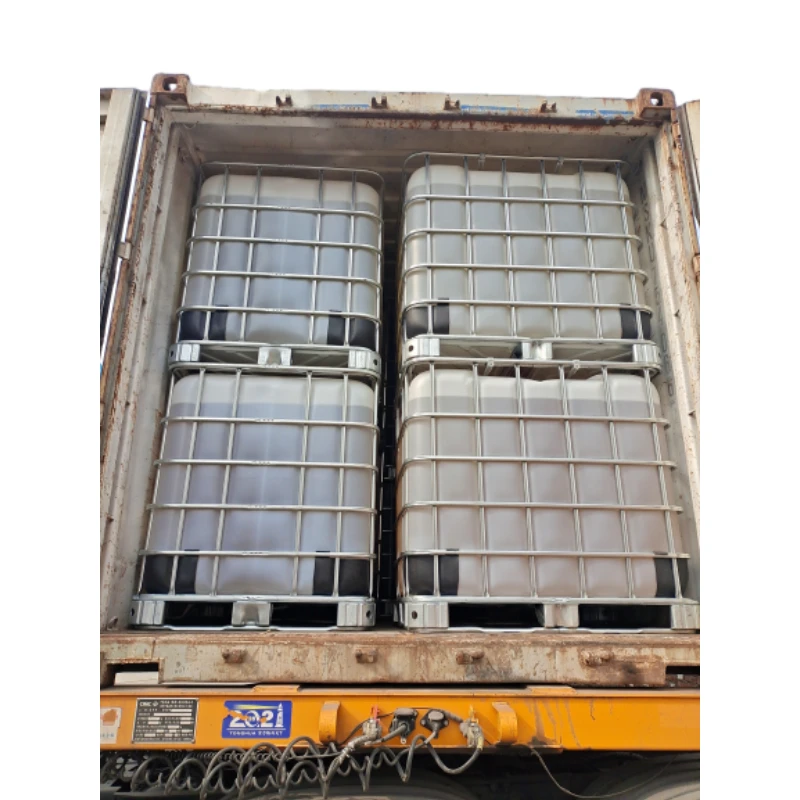
view more DiethanolisopropanolamineIn the ever-growing field of chemical solutions, diethanolisopropanolamine (DEIPA) stands out as a versatile and important compound. Due to its unique chemical structure and properties, DEIPA is of interest to various industries including construction, personal care, and agriculture. -
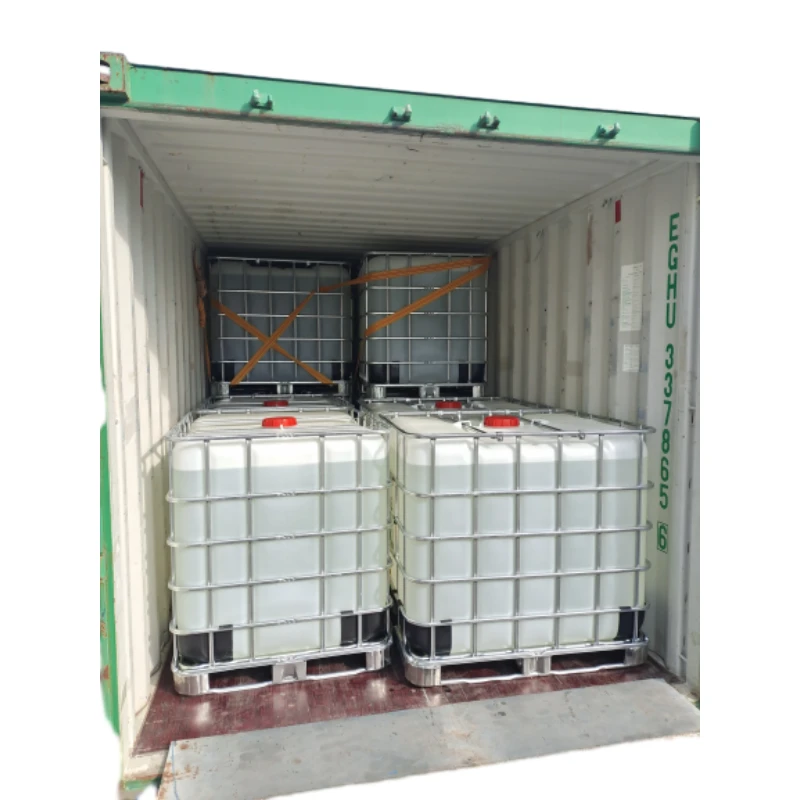
view more TriisopropanolamineTriisopropanolamine (TIPA) alkanol amine substance, is a kind of alcohol amine compound with amino and alcohol hydroxyl, and because of its molecules contains both amino and hydroxyl. -
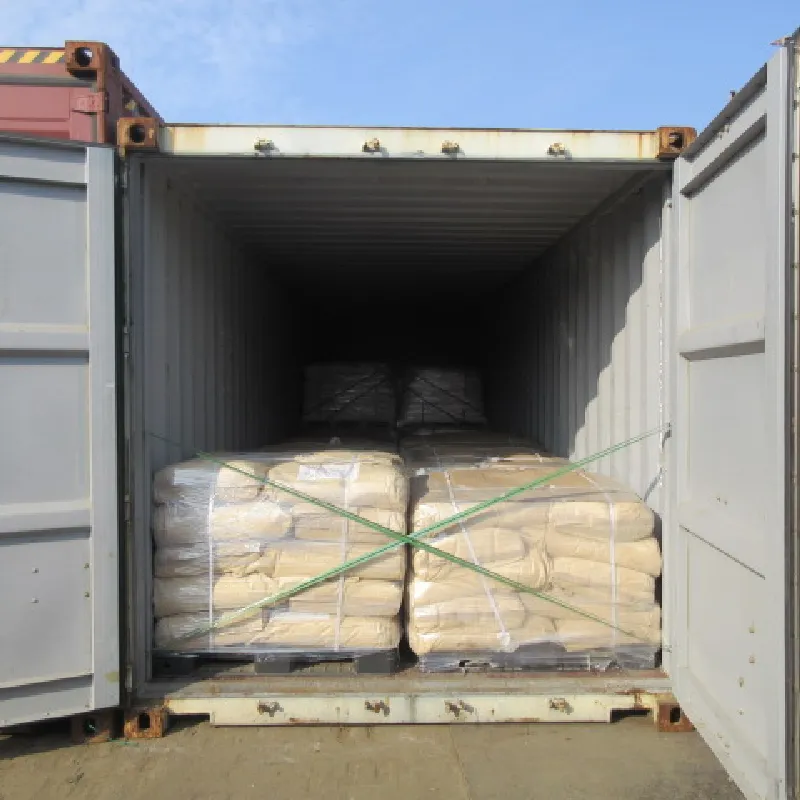
view more Tetramethyl Thiuram DisulfideTetramethyl thiuram disulfide, also known as TMTD, is a white to light-yellow powder with a distinct sulfur-like odor. It is soluble in organic solvents such as benzene, acetone, and ethyl acetate, making it highly versatile for use in different formulations. TMTD is known for its excellent vulcanization acceleration properties, which makes it a key ingredient in the production of rubber products. Additionally, it acts as an effective fungicide and bactericide, making it valuable in agricultural applications. Its high purity and stability ensure consistent performance, making it a preferred choice for manufacturers across various industries.