





Anti Caking Agent for Spices – Keeping Flavor Fresh and Flowing Worldwide
Anti Caking Agent for Spices: Why It Matters More Than You Think
If you've ever scooped out powdery spices from a container only to find lifeless clumps stuck together, you've tangibly met the problem that anti caking agents solve every day. These humble additives might sound trivial, but they play a vital role in ensuring spices remain free-flowing, fresh, and easy to use globally. They preserve quality, prevent waste, and maintain food safety standards — big deal for millions worldwide relying on spices to flavor their meals and fuel their cultures. In short, understanding anti caking agents reveals untold stories about global food supply, trade, and even nutrition.
Mini takeaway: Anti caking agents keep spices usable, fresh, and safe worldwide — a small ingredient with outsized impact.
The Global Context: Tackling Spice Clumping on a Worldwide Scale
Spice production, trade, and use are massive global industries — worth billions and touching nearly every culture. According to Wikipedia, the global spice market is valued at over $10 billion and growing steadily. Behind this, however, lies a persistent challenge of clumping during storage and transport, often worsened by humidity and inconsistent climate conditions in developing countries.
The United Nations Food and Agriculture Organization (FAO) notes that about 30-40% of agricultural commodities lose quality during transport or storage, often due to moisture or spoilage. For spices, that often means hardened lumps — worthless or at best frustrating. This affects food safety, pricing, and consumer trust, particularly hurting exporters in tropical regions and importers in climates with high humidity.
Enter the anti caking agent for spices. A sprinkle of science that prevents clumps, ensuring spices pass inspections, maintain aroma, and pour like dry powder. Pretty neat.
Mini takeaway: Anti caking agents play a global role in fighting moisture-induced spoilage and keeping spice markets healthy.
What Exactly Is an Anti Caking Agent for Spices?
Put simply, an anti caking agent for spices is a food-safe additive that prevents particles from sticking together, stopping lumps from forming. Whether it’s salt, chili powder, turmeric, or cumin, these agents absorb moisture or create a thin barrier around spice particles. They are harmless in tiny amounts and approved by food safety regulators worldwide.
In modern industry, these agents are essential for mass-packaging spices that travel thousands of miles over months. They’re also vital in humanitarian efforts, where long shelf life and bulk spices supply emergency food aid without waste.
Core Factors Behind Effective Anti Caking Agents
1. Moisture Absorption Capacity
The primary role is to attract or bind moisture. Agents like silicon dioxide or calcium silicate suck up water vapor, preventing the spices from sticking.
2. Particle Size and Flowability
A good anti caking agent fits well with spice granules, improving flow without altering texture noticeably.
3. Food Safety and Regulatory Approval
Only agents deemed safe by agencies like the FDA and EFSA (European Food Safety Authority), such as tricalcium phosphate or magnesium carbonate, are used.
4. Compatibility with Spice Chemistry
Different spices react differently. For instance, oily spices may need different treatment compared to dry, flaky powders.
5. Cost Effectiveness
Spice producers must balance agent costs versus loss reductions due to caking.
Mini takeaway: It’s a blend of physical chemistry, safety, and economics that dictates the choice of anti caking agents in spices.
Where and How Are These Agents Used Globally?
From factories in India and Vietnam to spice packers in the US and Europe, anti caking agents are everywhere, silently doing their job. Some interesting use cases:
- In Tropical Exporting Regions: High humidity makes spices prone to caking; agents allow exports to reach distant markets in mint condition.
- Humanitarian Relief Operations: Bulk spices included in food aid require long shelf life and good flow for quick cooking in emergency camps.
- Food Processing Companies: Ready-mix spice blends rely on these agents to maintain consistent seasoning mixes.
Oddly enough, small-scale spice sellers in high-humidity regions sometimes skip anti caking agents, leading to customer complaints and lost sales — so it matters at every level.
Product Specifications of Typical Anti Caking Agents for Spices
| Agent | Chemical Formula | Moisture Absorption | Common Use | Regulatory Status |
|---|---|---|---|---|
| Silicon Dioxide | SiO₂ | High | Powdered spices | FDA Approved |
| Calcium Silicate | Ca₂SiO₄ | Very High | Salt, spices | Approved in EU, USA |
| Tricalcium Phosphate | Ca₃(PO₄)₂ | Moderate | Spices, powdered sugar | Globally Accepted |
| Magnesium Carbonate | MgCO₃ | Good | Powdered spices | Approved in many countries |
Comparing Leading Vendors of Anti Caking Agents for Spices
| Vendor | Product Range | Global Reach | Certifications | Customer Focus |
|---|---|---|---|---|
| Tenger Chemical | Wide, including silicon dioxide blends | Asia, Europe, Americas | ISO, FDA, FSSC 22000 | High customization, strong support |
| StarchTech Ltd. | Mostly starch-based agents | Europe, North America | FDA, Organic certs | Specializes in organic spices |
| MineralFlow Inc. | Mineral powders, silicates | Global, focus on industrial | ISO, GMP | Bulk buyers, spice manufacturers |
Real World Benefits of Using Anti Caking Agents in Spices
Why should manufacturers and consumers care? Well, the value run deep.
- Reduced Waste: Less spice clumping means less product discarded due to spoilage or user frustration.
- Consistent Quality: Spices pour and measure more accurately, ensuring cooking precision.
- Improved Shelf Life: Anti caking agents absorb moisture, lengthening freshness.
- Increased Consumer Trust: Flowing powders feel premium and better cared for.
- Cost Savings: Manufacturers save on rework, returns, and damage claims.
On a softer note, there's a kind of dignity in delivering products that feel fresh, reliable, and familiar to kitchens worldwide—a subtle trust that’s hard to explain but equally hard to ignore.
Future Trends and Innovations
In recent years, the spice market leans greener and more tech-savvy. Innovative anti caking agents for spices emphasize:
- Natural and Clean Label Ingredients: Using natural starches or plant-derived powders to satisfy health-conscious consumers.
- Nanotechnology: Enhancing moisture control on a microscopic scale.
- Smart Packaging: Packaging that monitors humidity and adjusts conditions dynamically.
- Sustainability: Sourcing anti caking materials from renewable or recycled minerals.
Common Challenges and How Industry Is Responding
It's not all smooth sailing. Challenges include:
- Compatibility: Some spices with high oil content still resist smooth flow.
- Consumer Perception: Pushback on additives despite safety assurances.
- Cost Pressures: Small producers may avoid agents to save expenses.
Experts advise integrating better education, transparent labeling, and technical innovation to ease concerns, making anti caking a win-win, not a tradeoff.
Frequently Asked Questions About Anti Caking Agents for Spices
- Are anti caking agents safe for consumption?
- Yes. Approved agents like silicon dioxide are recognized by FDA and EFSA as safe when used according to guidelines. They are used in very small amounts and don’t affect flavor or health negatively.
- Can anti caking agents alter the taste of spices?
- Generally, no. These agents are flavor-neutral and added in quantities too small to impact aroma or taste.
- Is there a difference between natural and synthetic anti caking agents?
- Natural agents, like certain starches, are favored in organic products, while synthetic mineral agents provide higher moisture absorption. The choice depends on product goals and regulations.
- How to store spices with anti caking agents to maximize effectiveness?
- Even with agents, store spices in cool, dry places away from humidity. Proper sealing complements the anti caking function.
Wrapping Up: Why Anti Caking Agents Are Essential for Spices Today and Tomorrow
So, next time you conveniently sprinkle your favorite spice without a fuss, you’re benefiting from a little chemical wizardry called anti caking agents. These additives quietly guard quality, reduce waste, and keep food industries thriving internationally. They’re as much a part of the spice story as the seeds and soils themselves, touching sustainability, economics, and culture.
Interested in bulk or custom anti caking agents for spices? Check out Tenger Chemical’s extensive range and expertise to keep your spice solutions flowing smooth and fresh.
References:
-
The Essential Guide to Sorbates as Food Preservatives for SafetyNewsApr.16,2026
-
The Ultimate Guide to Sorbate Preservative in Modern IndustryNewsApr.09,2026
-
Comprehensive Guide to Sodium Stearoyl Lactylate Emulsifier Applications and BenefitsNewsApr.07,2026
-
Comprehensive Guide to Sodium Cyclamate Sweetener Properties and ApplicationsNewsApr.04,2026
-
Comprehensive Guide to Sodium Citrate Food Additive and Its ApplicationsNewsMar.31,2026
-
Comprehensive Guide to Sodium Bicarbonate Food Additive Applications and BenefitsNewsMar.28,2026
-
Understanding Sodium Benzoate Preservative in Cosmetics and Its ApplicationsNewsMar.26,2026
Hebei Tenger Chemical Technology Co., Ltd. focuses on the chemical industry and is committed to the export service of chemical raw materials.
-
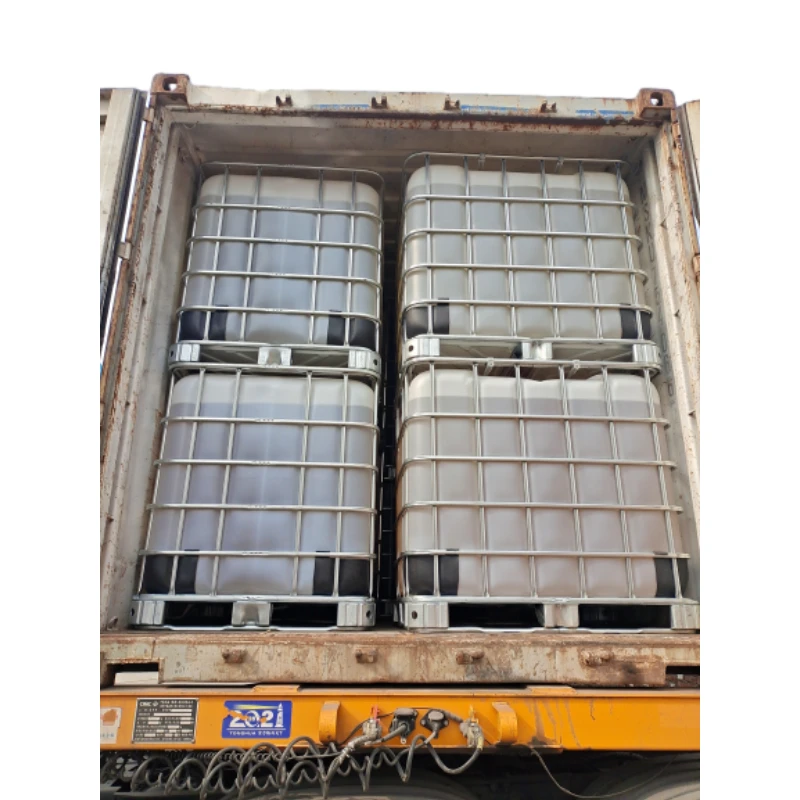
view more DiethanolisopropanolamineIn the ever-growing field of chemical solutions, diethanolisopropanolamine (DEIPA) stands out as a versatile and important compound. Due to its unique chemical structure and properties, DEIPA is of interest to various industries including construction, personal care, and agriculture. -
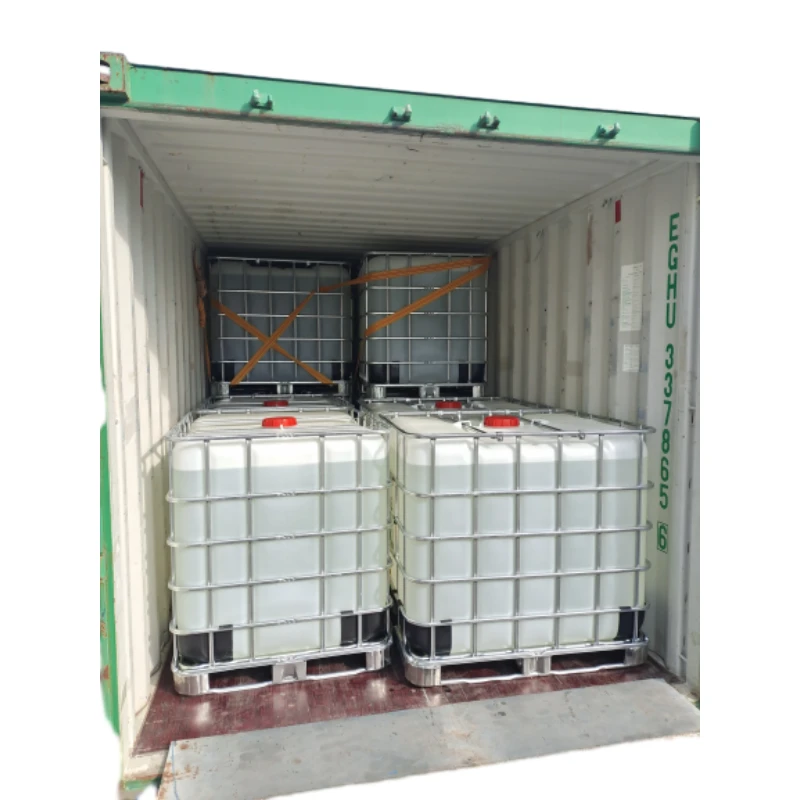
view more TriisopropanolamineTriisopropanolamine (TIPA) alkanol amine substance, is a kind of alcohol amine compound with amino and alcohol hydroxyl, and because of its molecules contains both amino and hydroxyl. -
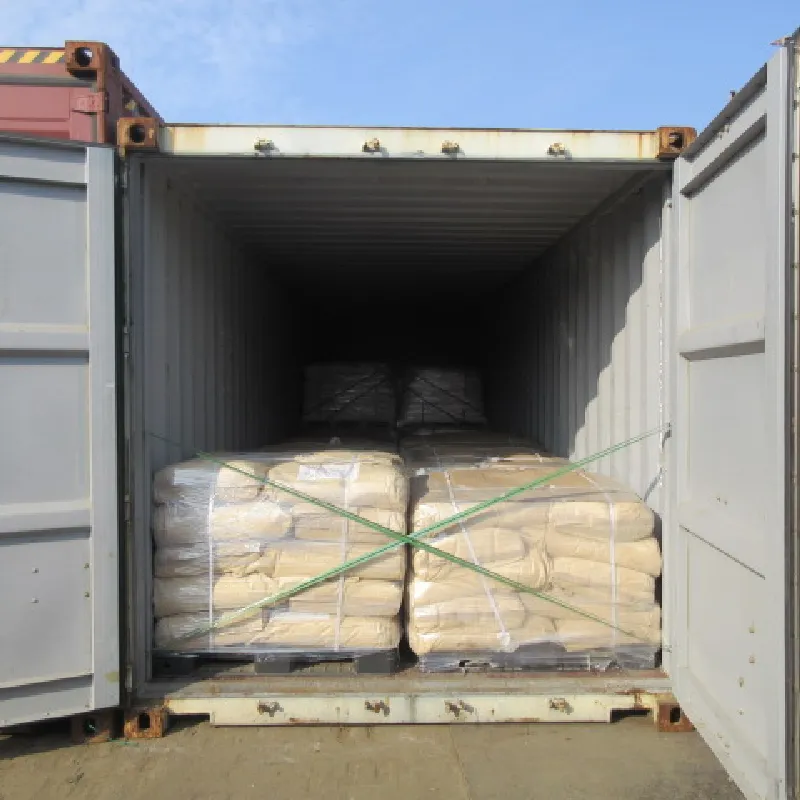
view more Tetramethyl Thiuram DisulfideTetramethyl thiuram disulfide, also known as TMTD, is a white to light-yellow powder with a distinct sulfur-like odor. It is soluble in organic solvents such as benzene, acetone, and ethyl acetate, making it highly versatile for use in different formulations. TMTD is known for its excellent vulcanization acceleration properties, which makes it a key ingredient in the production of rubber products. Additionally, it acts as an effective fungicide and bactericide, making it valuable in agricultural applications. Its high purity and stability ensure consistent performance, making it a preferred choice for manufacturers across various industries.