





Antioxidant in Food Preservation | Extend Shelf Life & Reduce Waste
Why Antioxidant in Food Preservation Matters: A Quick Overview
At first glance, antioxidants might sound like a term associated more with your morning smoothie than with the food industry itself. Yet, antioxidant in food preservation plays a quietly crucial role in how we keep food fresh, safe, and appealing worldwide. Whether you're a manufacturer, retailer, or even a consumer, understanding antioxidants’ power to slow down food spoilage unlocks benefits that ripple through global supply chains — reducing waste, improving safety, and even helping sustainability efforts. Simply put, these natural or synthetic compounds help extend shelf life by fighting off oxidation, a sneaky chemical process responsible for spoilage and quality loss.
The Global Relevance of Antioxidants in Food Preservation
Food loss continues to be a colossal challenge worldwide. According to the UN Food and Agriculture Organization (FAO), roughly one-third of all food produced for human consumption is lost or wasted. Now, that’s a mind-boggling number that impacts everything—from economic stability to hunger crises.
Oxidation is a chief villain in this loss narrative, causing fats to turn rancid and depriving produce of vibrant color or nutrition. So, antioxidants in food preservation are not just a nicety — they’re a necessity. They act as a frontline defense, combating the chemical reactions that deteriorate food quality over time.
Consider this: global demand for natural antioxidants is projected to grow by over 7% annually (source: ISO Food Standards), driven partly by consumer shifts toward cleaner labels and healthier foods. Yet, the industry still faces challenges in optimizing effectiveness without compromising cost or sensory properties.
Mini takeaway: The antioxidant role in food preservation isn’t just about prolonging freshness — it’s pivotally connected to reducing global food waste and supporting food security.
What Exactly Does Antioxidant Mean in Food Preservation?
To put it simply, an antioxidant in food preservation is a substance that slows or prevents the oxidation of other molecules, particularly lipids and vitamins, which when oxidized can spoil the food. Oxidation creates off-flavors, discoloration, and loss of nutritional value. Antioxidants are either naturally found in food components (like vitamin E, vitamin C, and polyphenols) or added deliberately for protection.
Their benefits reach far beyond just industry shelf life. For humanitarian efforts, especially in disaster zones where refrigeration is unreliable, antioxidants help maintain the quality of emergency rations and processed foods. In modern manufacturing, these compounds integrate into packaging materials or food additives to uphold quality during transport and storage.
Mini takeaway: Antioxidants act as molecular bodyguards — protecting food from chemical damage even when logistics and environments are far from ideal.
Key Components of Effective Antioxidant Use in Food Preservation
1. Stability Under Processing Conditions
Antioxidants must withstand high heat, pressure, and variable pH during food manufacturing. For instance, additives like BHA (butylated hydroxyanisole) or natural plant extracts are chosen because they remain active even after baking or frying. Stability determines if they will keep working when the product reaches store shelves.
2. Safety and Regulatory Approval
Since antioxidants are ingested, they face stringent safety evaluations worldwide. Regulatory bodies such as the U.S. FDA, EFSA in Europe, or Codex Alimentarius oversee which antioxidants are permitted and in what amounts. This ensures consumer protection alongside food longevity.
3. Compatibility with Food Matrix
Different foods—oily snacks, beverages, or meat—respond uniquely to antioxidants. Choosing the right type (lipid-soluble vs water-soluble) hinges on the product’s nature, storage conditions, and flavor profile.
4. Cost Efficiency and Scalability
It’s often a balancing act. Some natural antioxidants, like rosemary extract, cost more than synthetic ones but meet a growing "clean label" demand. Large-scale food producers carefully weigh these factors to optimize their preservation strategy.
5. Consumer Acceptance
As people scrutinize labels more than ever, selecting antioxidants that avoid alarming abbreviations or artificial connotations is now part of marketing playbooks.
Mini takeaway: It’s not just about scientific effectiveness—successful antioxidant use requires navigating safety, taste, cost, and consumer trust.
Product Specification Table: Typical Antioxidants Used in Food Preservation
| Antioxidant | Type | Solubility | Common Uses | Regulatory Status |
|---|---|---|---|---|
| Ascorbic Acid (Vitamin C) | Natural | Water-soluble | Beverages, Fruits, Meat | FDA, EFSA Approved |
| BHA (Butylated Hydroxyanisole) | Synthetic | Lipid-soluble | Oils, Snacks, Baked Goods | Restricted in Some Regions |
| Tocopherols (Vitamin E) | Natural | Lipid-soluble | Oils, Margarine, Meat | Widely Accepted |
| Rosemary Extract | Natural | Lipid-soluble | Meat, Oil, Baked Goods | Clean Label Preferred |
How Various Vendors Compare in Antioxidant Solutions
| Vendor | Product Range | Natural vs Synthetic | Customization | Global Reach |
|---|---|---|---|---|
| Tenger Chemical | Wide (Natural & Synthetic) | Balanced | Tailored Solutions | Strong in Asia & Europe |
| NaturalGuard | Focused (Natural Only) | 100% Natural | Standardized Offerings | Primarily Europe & NA |
| SynthOx Corp. | Synthetic Only | Fully Synthetic | Highly Customizable | Global |
How Antioxidants Are Changing the Food Industry Landscape
Around the world, you’ll find antioxidants quietly doing their job in bakery goods in North America, packaged meats in Asia, and beverages across Europe. For example, in post-disaster relief operations where supply chains are fragile, antioxidant-treated foods help emergency rations retain caloric and nutritional value over extended periods. Industrial zones in harsh climates use antioxidant packaging films to minimize spoilage during transport.
Plus, with consumer pushback against preservatives, many manufacturers lean toward natural antioxidants like tocopherols and rosemary extracts. It's a small but meaningful win towards better food and better health outcomes.
Mini takeaway: Antioxidants actively support food safety, economic efficiency, and decent food access worldwide — oftentimes behind the scenes.
Advantages & Long-Term Gains of Antioxidant in Food Preservation
- Cost Reductions: Less spoilage means fewer returns and lower losses.
- Sustainability: Extending shelf life reduces food waste — a key environmental win.
- Safety & Quality: Maintains flavor, color, and nutrition, strengthening consumer trust.
- Consumer Confidence: Cleaner, natural labels build more loyal customers.
- Innovation Drive: Opens door for novel food products with longer market life.
Mini takeaway: Beyond shelf life, antioxidants mesh economic and emotional appeals—less loss, more trust, better sustainability.
Emerging Trends & The Future of Food Antioxidants
Frankly, the future looks ripe with innovation. Biotechnological advances are producing more potent natural antioxidants with improved stability. Digital monitoring and smart packaging systems increasingly work alongside antioxidants to track freshness in real time.
Sustainability also takes center stage: eco-friendly extraction methods, biodegradable antioxidant coatings, and regulatory frameworks encourage greener, safer additives. Plus, automation helps manufacturers scale cost-efficient antioxidant incorporation seamlessly.
Challenges & Clever Solutions in Using Antioxidants
Naturally, no tech method is perfect. Antioxidant effectiveness can drop off under certain conditions, or impact food flavors, requiring expert formulation. Some synthetic antioxidants face regulatory scrutiny or consumer wariness.
Innovations like encapsulating antioxidants in nanocarriers or combining multiple preservative methods offer promising workarounds. Plus, continuous research adapts solutions to emerging food trends and regulations.
Frequently Asked Questions About Antioxidant in Food Preservation
Q1: How do antioxidants actually prevent food spoilage?
A: They inhibit oxidation, which is a chemical reaction causing fats and vitamins to degrade, leading to rancidity, off-flavors, and nutrient loss. By neutralizing free radicals, antioxidants preserve food quality and extend shelf life.
Q2: Are natural antioxidants always better than synthetic ones?
A: Not necessarily. Natural antioxidants often have consumer appeal, but synthetic variants can be more stable and cost-effective. The best choice depends on the specific food product, regulatory limits, and consumer expectations.
Q3: Can antioxidants affect the taste or appearance of my food?
A: Sometimes, yes. Some antioxidants might impart subtle flavors or change color if used in excess. That’s why balancing concentrations and selecting compatible antioxidants is key.
Q4: How do I choose the right antioxidant for a new food product?
A: Evaluate the food matrix, processing conditions, shelf life requirements, and regulatory environment. Consulting with vendors like Tenger Chemical can help design tailored antioxidant solutions.
Q5: Are antioxidants safe to consume?
A: Yes, when used within regulatory approved limits. Safety assessments by authorities like FDA and EFSA ensure antioxidants are safe for human consumption.
Wrapping Up: Why Antioxidants Remain a Food Industry Essential
Today, antioxidants in food preservation blend science, safety, and consumer insight to make our food last longer and taste better, all while fighting food waste and supporting sustainability goals. Their role may often be subtle, but for food producers, retailers, and consumers alike, they represent a reliable and valuable tool in a complex chain.
For tailored antioxidant solutions that meet modern challenges, visit our website and explore how science and innovation blend to safeguard your food products.
References & Further Reading
-
The Essential Guide to Sorbates as Food Preservatives for SafetyNewsApr.16,2026
-
The Ultimate Guide to Sorbate Preservative in Modern IndustryNewsApr.09,2026
-
Comprehensive Guide to Sodium Stearoyl Lactylate Emulsifier Applications and BenefitsNewsApr.07,2026
-
Comprehensive Guide to Sodium Cyclamate Sweetener Properties and ApplicationsNewsApr.04,2026
-
Comprehensive Guide to Sodium Citrate Food Additive and Its ApplicationsNewsMar.31,2026
-
Comprehensive Guide to Sodium Bicarbonate Food Additive Applications and BenefitsNewsMar.28,2026
-
Understanding Sodium Benzoate Preservative in Cosmetics and Its ApplicationsNewsMar.26,2026
Hebei Tenger Chemical Technology Co., Ltd. focuses on the chemical industry and is committed to the export service of chemical raw materials.
-
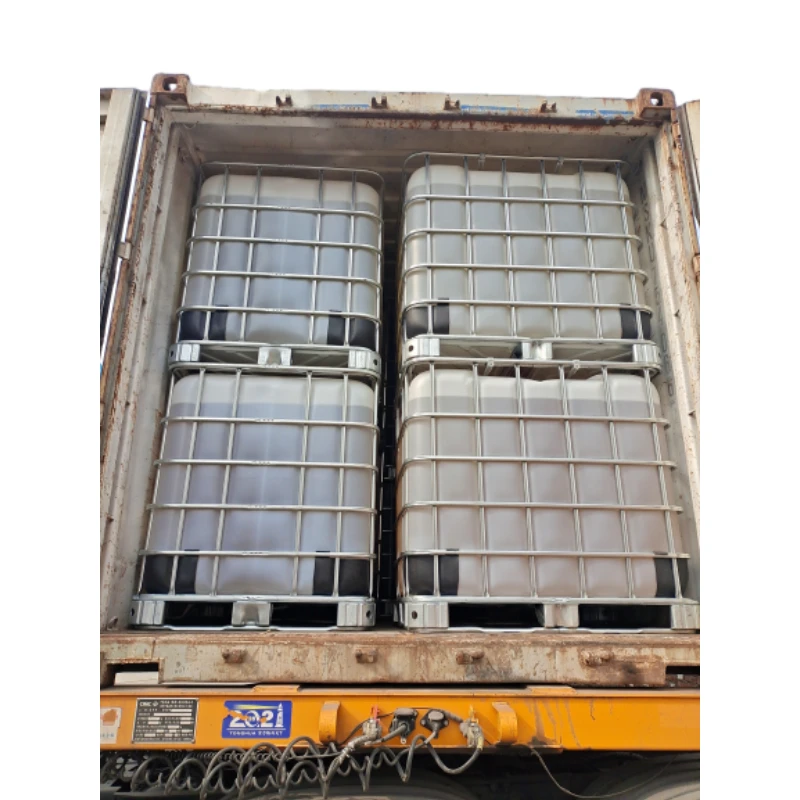
view more DiethanolisopropanolamineIn the ever-growing field of chemical solutions, diethanolisopropanolamine (DEIPA) stands out as a versatile and important compound. Due to its unique chemical structure and properties, DEIPA is of interest to various industries including construction, personal care, and agriculture. -
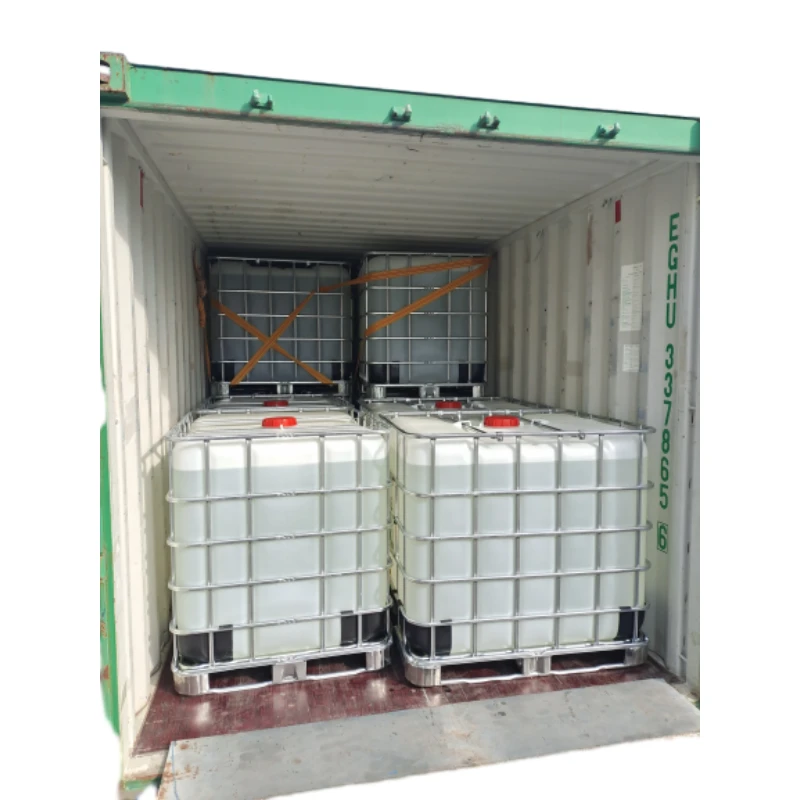
view more TriisopropanolamineTriisopropanolamine (TIPA) alkanol amine substance, is a kind of alcohol amine compound with amino and alcohol hydroxyl, and because of its molecules contains both amino and hydroxyl. -
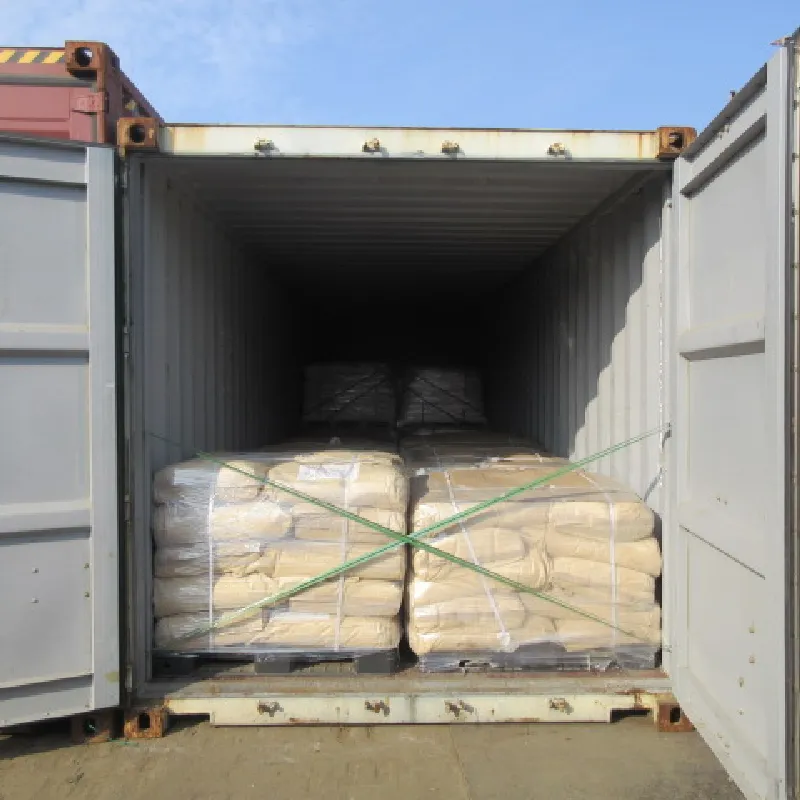
view more Tetramethyl Thiuram DisulfideTetramethyl thiuram disulfide, also known as TMTD, is a white to light-yellow powder with a distinct sulfur-like odor. It is soluble in organic solvents such as benzene, acetone, and ethyl acetate, making it highly versatile for use in different formulations. TMTD is known for its excellent vulcanization acceleration properties, which makes it a key ingredient in the production of rubber products. Additionally, it acts as an effective fungicide and bactericide, making it valuable in agricultural applications. Its high purity and stability ensure consistent performance, making it a preferred choice for manufacturers across various industries.