





Artificial Additives Explained: Benefits, Uses, and Industry Insights | Tenger Chemical
Understanding Artificial Additives: Why They Matter Globally
Artificial additives might sound like something straight out of a chemistry lab, but their role stretches far beyond the test tube. At their core, these synthetic compounds enhance the qualities of products—in food, construction materials, cosmetics, and so much more. Given globalization and increasingly complex supply chains, understanding artificial additives is more crucial than many realize. They impact everything from shelf life to safety standards, and in some cases, help address real humanitarian challenges like food scarcity or shelter durability in disaster zones.
Globally, the use of artificial additives is expanding—driven both by innovation and necessity. For instance, the Food and Agriculture Organization (FAO) notes that additives help improve food safety and reduce waste worldwide. But there’s also a shadow side: concerns about health effects or environmental footprints often spark debate. That’s why a balanced, informed view of artificial additives is invaluable. Knowing the benefits and limitations means better choices—whether you’re a manufacturer, policymaker, or end user.
The Global Context: Why Artificial Additives Are Everywhere
The use of artificial additives today spans every populated continent. According to ISO standards, additives must meet safety and quality criteria, reinforcing their global relevance. The World Bank estimates that food loss could be cut by up to 30% globally if preservatives and additives were optimized properly—no small numbers.
Industries from pharmaceuticals to textiles rely on these compounds to increase product durability and appeal. But the challenge remains: balancing industrial growth with environmental sustainability and public health. Artificial additives help by extending product life and improving consistency, yet the call for "clean labels" and natural alternatives grows louder with each passing year.
Oddly enough, many solutions come wrapped in controversy. Yet dismissing artificial additives without nuance could risk losing key industrial advancements—and, frankly, slow down progress in critical sectors.
What Exactly Are Artificial Additives?
Simply put, artificial additives are man-made substances added to products to achieve specific desirable effects—like improving texture, color, taste, or longevity. Unlike natural additives drawn directly from plants or animals, artificial additives are synthesized chemically to meet strict performance criteria.
They're pivotal in modern industries to maintain quality and safety, particularly where natural solutions aren’t scalable or reliable enough. For example, in food production, artificial preservatives prevent spoilage during long-distance transport; in cosmetics, synthetic stabilizers ensure formulas don’t separate or degrade.
This kind of engineering is often the invisible backbone behind many products we take for granted daily.
Key Components of Artificial Additives
1. Durability
These additives often strengthen products—whether it’s a polymer additive enhancing plastic’s resistance or a stabilizer preventing emulsions from breaking down. Durability reduces waste and improves safety, especially in harsh environments.
2. Scalability
Artificial additives can be produced consistently at scale. This uniformity means industrial processes are repeatable and reliable—look at preservatives that guarantee batch-to-batch consistency in packaged foods worldwide.
3. Cost Efficiency
Though sometimes costly upfront, these synthetic compounds often reduce overall production costs by extending product lifecycle and reducing returns or spoilage.
4. Regulatory Compliance
Artificial additives must meet stringent regulations (FDA, EFSA, ISO, etc.) before hitting the market, ensuring consumer safety and building trust.
5. Versatility
From enhancing fragrance longevity in perfumes to improving fire resistance in textiles, their applications are seemingly endless.
Mini takeaway:
Artificial additives combine chemistry and practicality, improving product reliability while meeting industrial demands.
Global Applications & Use Cases
These additives are everywhere—sometimes obvious, sometimes cleverly hidden. In food industries, they preserve freshness in export-heavy economies like the U.S., Brazil, and China. In post-disaster relief operations, quick-setting artificial additives improve the strength of modular shelters swiftly assembled in remote zones.
For instance, an NGO working in Southeast Asia uses artificial waterproofing additives in tents to withstand monsoon seasons—translated into more durable, safer temporary housing. In electronics, synthetic additives improve circuit board durability against heat and corrosion, enabling advanced tech in cold regions like Canada or Scandinavia.
Even sustainable fashion looks to artificial additives to imbue recycled fibers with qualities indistinguishable from virgin materials.
Mini takeaway:
Artificial additives link innovation and practicality across industries worldwide—from emergency shelters to eco-conscious textiles.
The Tangible Advantages of Artificial Additives
- Cost Savings: Reduced spoilage and production defects cut expenses.
- Sustainability: Longer-lasting products mean less frequent replacement and lower resource use.
- Social Impact: Safer, reliable products foster consumer trust and wellbeing.
- Innovation: Enables new product features that natural ingredients can’t always provide.
On an emotional level, there’s also a reassurance in stability—artificial additives offer consistency and trustworthiness in products millions use daily.
The Future of Artificial Additives: Trends to Watch
Looking ahead, digital transformation and green chemistry are reshaping how artificial additives are formulated and deployed.
For example, AI-driven molecular design helps create additives that are both effective and biodegradable, reducing environmental impact. Regulations pushing sustainability encourage manufacturers to replace older, synthetic chemicals with bio-based alternatives without sacrificing performance.
Automation in production lines further optimizes additive dosing, cutting waste and enhancing precision.
Challenges & Solutions in Artificial Additive Usage
Despite many benefits, concerns linger: potential health impacts, environmental persistence, and regulatory hurdles.
Experts suggest more transparent labeling, rigorous testing, and investment in green alternatives as key ways forward. For instance, encapsulated additives are an emerging technology to reduce dosage and leaching into ecosystems.
Product Specification Table
| Parameter | Typical Range | Unit | Notes |
|---|---|---|---|
| Preservative Concentration | 0.02 – 0.1 | % w/w | Varies by product type and shelf life |
| Stabilizer Effectiveness | 85 – 98 | % | Measured by phase separation test |
| Additive Shelf Life | 2 – 5 | years | Depends on storage conditions |
| pH Stability Range | 3.5 – 8.5 | pH units | Limits of effective additive performance |
Vendor Comparison Table
| Vendor | Product Range | Certifications | Sustainability Focus | Price Level |
|---|---|---|---|---|
| ChemAdd Solutions | Wide: Food, Textiles, Polymers | ISO 9001, FDA | Moderate (bio-based research ongoing) | Mid-range |
| SyntheTech Global | Narrow: High-purity food additives | EFSA, GMP | Low (fossil-fuel derived) | Premium |
| GreenChem Innovations | Focused: Eco-friendly preservatives | ISO 14001, USDA Organic | High (plant-based additives) | Competitive |
Frequently Asked Questions About Artificial Additives
Q1: Are artificial additives safe for daily consumption?
A1: Yes, artificial additives approved by regulatory bodies like FDA or EFSA undergo rigorous safety assessments before use. However, their effects can vary depending on individual sensitivities and consumption levels. Moderation and adherence to recommended limits are key.
Q2: Can artificial additives help reduce food waste?
A2: Absolutely. By extending shelf life and slowing spoilage, preservatives and antioxidants reduce food losses during transport and storage. This offers economic and environmental benefits by minimizing discarded edible products.
Q3: How do synthetic additives compare with natural ones?
A3: Synthetic additives typically offer greater consistency, effectiveness, and cost-efficiency in large-scale production. Yet, natural additives are gaining traction due to consumer demand for "clean labels" and perceived health benefits, despite potential limitations in stability.
Q4: Are there eco-friendly artificial additives available?
A4: Increasingly, yes. Innovations in green chemistry allow manufacturers to create biodegradable and plant-based additives that maintain performance while reducing environmental impact. This trend aligns with global sustainability goals.
Q5: How do industries ensure compliance with additive regulations internationally?
A5: Companies work closely with regulatory agencies and adhere to international standards (such as ISO, FDA, and EFSA). Proper documentation, testing, and certification are essential to ensure smooth international trade and consumer safety.
Wrapping Up: Why Artificial Additives Deserve Your Attention
In real terms, artificial additives hold a subtle yet powerful position globally—enabling industries to innovate, scale, and meet consumer needs safely. Their careful application reduces waste, improves product quality, and supports sustainability goals. While challenges and debates continue, the future looks bright with greener, smarter additives on the horizon.
For anyone curious or involved in product manufacturing, research, or regulation, diving deeper into artificial additives is well worth the time. Don’t hesitate to explore more on artificial additives and related innovations.
Thanks for reading—let’s keep pushing the conversation forward!
References
-
The Essential Guide to Sorbates as Food Preservatives for SafetyNewsApr.16,2026
-
The Ultimate Guide to Sorbate Preservative in Modern IndustryNewsApr.09,2026
-
Comprehensive Guide to Sodium Stearoyl Lactylate Emulsifier Applications and BenefitsNewsApr.07,2026
-
Comprehensive Guide to Sodium Cyclamate Sweetener Properties and ApplicationsNewsApr.04,2026
-
Comprehensive Guide to Sodium Citrate Food Additive and Its ApplicationsNewsMar.31,2026
-
Comprehensive Guide to Sodium Bicarbonate Food Additive Applications and BenefitsNewsMar.28,2026
-
Understanding Sodium Benzoate Preservative in Cosmetics and Its ApplicationsNewsMar.26,2026
Hebei Tenger Chemical Technology Co., Ltd. focuses on the chemical industry and is committed to the export service of chemical raw materials.
-
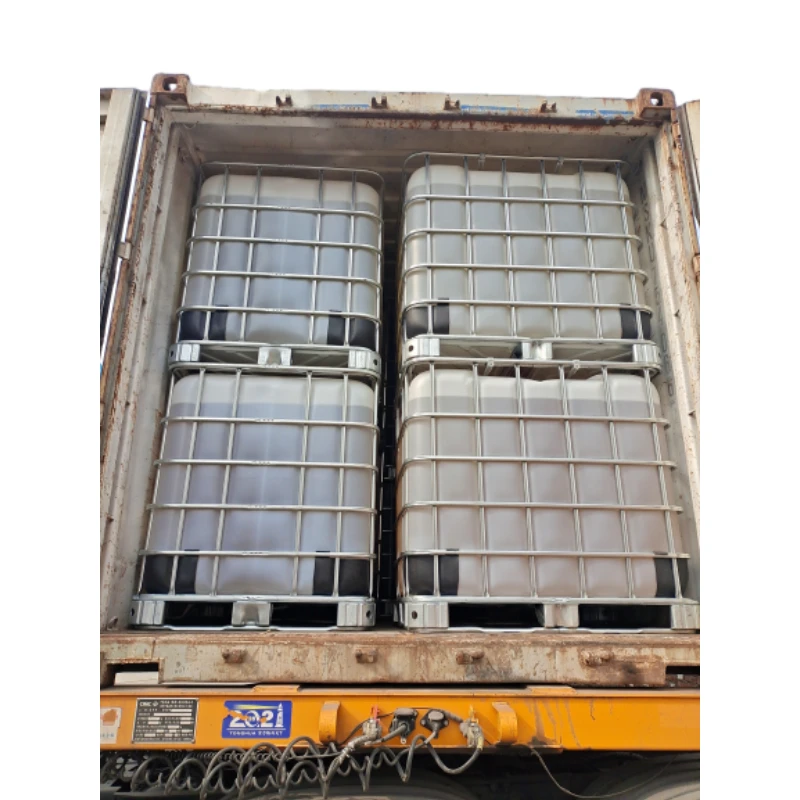
view more DiethanolisopropanolamineIn the ever-growing field of chemical solutions, diethanolisopropanolamine (DEIPA) stands out as a versatile and important compound. Due to its unique chemical structure and properties, DEIPA is of interest to various industries including construction, personal care, and agriculture. -
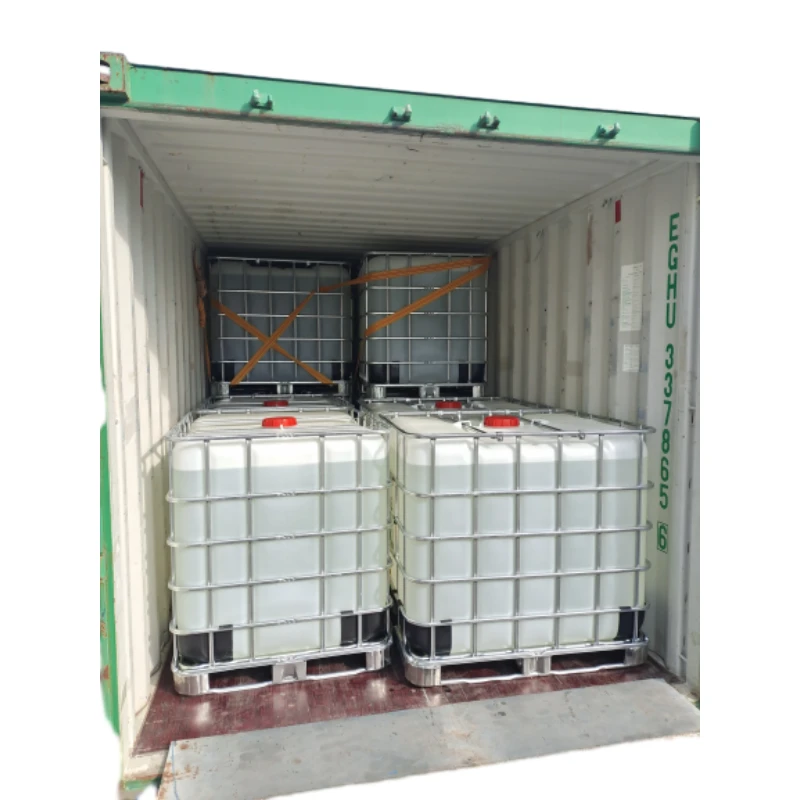
view more TriisopropanolamineTriisopropanolamine (TIPA) alkanol amine substance, is a kind of alcohol amine compound with amino and alcohol hydroxyl, and because of its molecules contains both amino and hydroxyl. -

view more Tetramethyl Thiuram DisulfideTetramethyl thiuram disulfide, also known as TMTD, is a white to light-yellow powder with a distinct sulfur-like odor. It is soluble in organic solvents such as benzene, acetone, and ethyl acetate, making it highly versatile for use in different formulations. TMTD is known for its excellent vulcanization acceleration properties, which makes it a key ingredient in the production of rubber products. Additionally, it acts as an effective fungicide and bactericide, making it valuable in agricultural applications. Its high purity and stability ensure consistent performance, making it a preferred choice for manufacturers across various industries.