





Chinese Flavour Enhancer – Global Impact, Use Cases, and Market Leaders
Understanding Chinese Flavour Enhancer: What It Is and Why It Matters Globally
Almost everywhere you eat, there’s a chance you’ve tasted the subtle magic of a Chinese flavour enhancer. This ingredient, often quietly working behind the scenes, has become a global staple, especially in the vast and varied world of Asian cuisine. But beyond the kitchen, the significance of flavour enhancers stretches into the industrial food sector, supply chain dynamics, and even the ever-evolving debates about food safety and nutrition worldwide.
In a nutshell, Chinese flavour enhancers help to boost the natural taste profiles of food products, making meals more savory, palatable, and sometimes even more nutritious. While they may sound like a niche ingredient, their impact resonates across billions of servings daily, touching lives from street vendors in Shanghai to home cooks in New York.
The Global Harmonics of Chinese Flavour Enhancers
The global food industry is no stranger to challenges: growing populations, rising demand for affordable nutritious meals, and the quest for sustainability are ever-pressing issues. According to the United Nations, by 2050, we need to produce 70% more food to feed the estimated 9.7 billion people on earth. In this vast context, flavour enhancers like monosodium glutamate (MSG) and its natural or synthetic variants play a surprisingly significant role.
China, as the world’s largest producer and consumer of flavour enhancers, drives much of this industry. The Food and Agriculture Organization (FAO) reports that China's food additive industry is expanding at a yearly rate of around 6%, supported by both export and internal demand.
However, a challenge remains: consumers worldwide are increasingly cautious about food additives, demanding transparency and safer, cleaner-label products. This puts manufacturers under pressure to innovate—developing flavour enhancers that are both effective and perceived as natural or sustainable.
Mini Takeaway:
- Chinese flavour enhancers are key to global food taste and affordability.
- The industry is growing but faces scrutiny around safety and naturalness.
- Meeting future food demands will depend partly on improved enhancer solutions.
What Exactly Is a Chinese Flavour Enhancer?
To put it simply, a Chinese flavour enhancer is a substance—often based on glutamates or nucleotides—that intensifies the umami or savory taste of food. Think of it as a seasoning’s secret handshake with your taste buds. MSG (monosodium glutamate) is the classic example: a crystalline powder derived originally from seaweed but now largely produced commercially through fermentation processes.
These enhancers are ubiquitous in sauces, instant noodles, snack foods, and restaurants worldwide. But it’s not just about flavor; they also reduce the need for excessive salt, which can have health benefits in populations with hypertension problems.
In a broader industrial sense, flavour enhancers fit into the category of “food additives” necessary for modern mass production of consistent, affordable food products for worldwide distribution. This connection to humanitarian concerns—feeding millions reliably—is rarely highlighted, but quite real.
Mini Takeaway:
- Chinese flavour enhancers amplify savory notes, especially umami.
- MSG is the most well-known enhancer but is part of a wider family.
- They help reduce salt, align with industrial food needs, and support global nutrition.
Key Factors Behind Chinese Flavour Enhancers
1. Chemical Composition and Purity
The quality of a flavour enhancer depends heavily on its purity—impurities can affect taste or cause adverse reactions. Most Chinese flavour enhancers undergo stringent purification, ensuring safe consumption and broad acceptability. Purity levels of 99%+ are common for industrial-grade MSG.
2. Cost Efficiency
A great enhancer balances cost with effectiveness. Considering how much food it contributes to globally, manufacturers invest heavily in optimizing production through biotechnology and fermentation, keeping prices low without sacrificing quality.
3. Versatility Across Cuisines
While “Chinese flavour enhancer” might sound very regional, these substances are unexpectedly versatile. They’re used in Western processed foods, Southeast Asian street snacks, and even European convenience foods.
4. Safety and Regulatory Compliance
Whether by the U.S. FDA, EFSA in Europe, or China’s own regulatory bodies, these enhancers must meet strict guidelines. Global standardizations such as Codex Alimentarius ensure ingredients pass safety benchmarks, reassuring consumers and exporters alike.
5. Sustainability and Production Methods
Modern producers are exploring greener fermentation techniques and bio-engineered microorganisms to reduce environmental footprints. It aligns with growing demands for sustainable food production methods.
| Parameter | Typical Value | Unit/Standard |
|---|---|---|
| Purity | ≥ 99% | ISO 9001 |
| Moisture Content | ≤ 0.5% | AOAC Method |
| L-Glutamic Acid Content | ≥ 78% | GB 5009.94 |
| Heavy Metals | ≤ 10 ppm | EPA 3050B |
Mini Takeaway:
- Purity and safety standards are paramount for trust.
- Cost and sustainability shape production innovations.
- These enhancers transcend regional cuisine boundaries.
Global Applications and Use Cases
Chinese flavour enhancers don’t just stay in kitchen cupboards. They are core to the food manufacturing industry that supports catering, hospitality, and retail worldwide. Here are some key uses:
- Food Processing Plants: Instant noodles and snack chips use enhancers to maintain taste consistency across batches.
- Restaurant Supply Chains: Enables large franchises to standardize dishes while cutting down on salt and oil usage.
- Humanitarian Food Supplies: In emergency relief, flavour enhancers make basic rations more palatable, encouraging consumption of vital nutrients.
Regions like Southeast Asia, Europe, and North America import or locally produce flavour enhancers to serve their booming food industries. Oddly enough, even some health food brands now incorporate “natural” glutamates from fermented sources to meet clean-label trends.
Mini Takeaway:
- Enhancers are essential in large-scale food production worldwide.
- They improve food appeal, helping both commercial and humanitarian efforts.
- No cuisine is really untouched by their influence.
Advantages & Long-Term Value of Chinese Flavour Enhancers
From an economic perspective, their cost-effective usage reduces waste and lowers overall food prices. Socially, they enhance meal satisfaction and encourage nutrient intake in poorer populations. Emotionally, a good flavour can mean comfort, nostalgia, or connection to cultural identity.
Environmentally, new bio-fermentation techniques reduce reliance on petrochemicals or intensive agriculture, aligning well with green food movement goals. Reliability in supply and consistent quality builds trust not just in consumers but among exporters and regulators too.
Vendor Comparison: Top Chinese Flavour Enhancer Producers
| Company | Purity (%) | Annual Output (tons) | Sustainability Initiatives | Export Markets |
|---|---|---|---|---|
| Tenger Chemical Co. | 99.5 | 50,000 | Green biofermentation, waste recycling | Asia, Europe, Americas |
| Foshan ABC Foods | 99.0 | 38,000 | Energy-efficient plants | Asia, Africa |
| Jiangsu FlavorTech | 98.8 | 42,000 | Use of renewable feedstocks | Global |
Future Trends and Innovations
Looking ahead, expect more “natural” enhancers sourced through fermentation of non-GMO microorganisms and even algae. Digital technology is optimizing production lines, improving purity and yield. Automation reduces human error and speeds batch consistency.
Policy shifts toward food transparency are encouraging companies to disclose additive sources openly. Plus, as consumers seek healthier lifestyles, there’s an ongoing push to decrease glutamate quantities while maintaining flavor, requiring smarter formulations.
Challenges & Solutions
Despite the clear benefits, scepticism exists around flavour enhancers, often linked to misunderstood “MSG allergy” or adverse effects. Education campaigns from health authorities and transparent labeling help rebuild consumer trust.
Additionally, ensuring globally consistent standards and combating counterfeit products remain hurdles. But technologies like blockchain for supply traceability and stricter certifications are emerging as promising solutions.
FAQ: Frequently Asked Questions About Chinese Flavour Enhancers
- Q: Are Chinese flavour enhancers safe for daily consumption?
A: Yes, when used within recommended limits and sourced from reputable manufacturers, these enhancers meet international safety standards like Codex Alimentarius and FDA guidelines. - Q: Can flavour enhancers reduce the need for salt in cooking?
A: Absolutely. Because they enhance umami tastes, less salt is needed to achieve full flavor, which can benefit heart health by lowering sodium intake. - Q: How do I know if a food product contains Chinese flavour enhancers?
A: Check ingredient lists. Ingredients such as monosodium glutamate, disodium inosinate, or “flavour enhancer 621” are common indicators. - Q: Are natural and synthetic flavour enhancers equally effective?
A: Both types can be effective, but many consumers prefer natural sources, which can come from fermentation of plant matter. Functionally, taste outcomes are often comparable. - Q: How can international buyers import Chinese flavour enhancers?
A: Partnering with certified vendors like Tenger Chemical ensures compliance with export regulations and product quality, facilitating smooth import.
Conclusion
Chinese flavour enhancers are far more than simple kitchen additions. They represent a sophisticated blend of chemistry, culture, and industry that fuels global food systems. Their affordability, versatility, and evolving sustainability credentials make them essential ingredients in meeting future food security challenges.
Whether you’re a food professional or curious consumer, understanding these enhancers can deepen your appreciation of what goes into your meals—and why. For trusted solutions and detailed product information, visit Tenger Chemical and explore their range of high-quality, sustainable flavour enhancers.
Final Thought:
Sometimes, the smallest crystals have the widest impact—Chinese flavour enhancers certainly fit that bill.
References
- United Nations, Food and Agriculture Organization, “The future of food and agriculture – Trends and challenges,” 2017.
- Codex Alimentarius Commission, “General Standard for Food Additives,” 2023.
- U.S. Food and Drug Administration (FDA), “Substances Generally Recognized as Safe,” 2024.
-
The Essential Guide to Sorbates as Food Preservatives for SafetyNewsApr.16,2026
-
The Ultimate Guide to Sorbate Preservative in Modern IndustryNewsApr.09,2026
-
Comprehensive Guide to Sodium Stearoyl Lactylate Emulsifier Applications and BenefitsNewsApr.07,2026
-
Comprehensive Guide to Sodium Cyclamate Sweetener Properties and ApplicationsNewsApr.04,2026
-
Comprehensive Guide to Sodium Citrate Food Additive and Its ApplicationsNewsMar.31,2026
-
Comprehensive Guide to Sodium Bicarbonate Food Additive Applications and BenefitsNewsMar.28,2026
-
Understanding Sodium Benzoate Preservative in Cosmetics and Its ApplicationsNewsMar.26,2026
Hebei Tenger Chemical Technology Co., Ltd. focuses on the chemical industry and is committed to the export service of chemical raw materials.
-
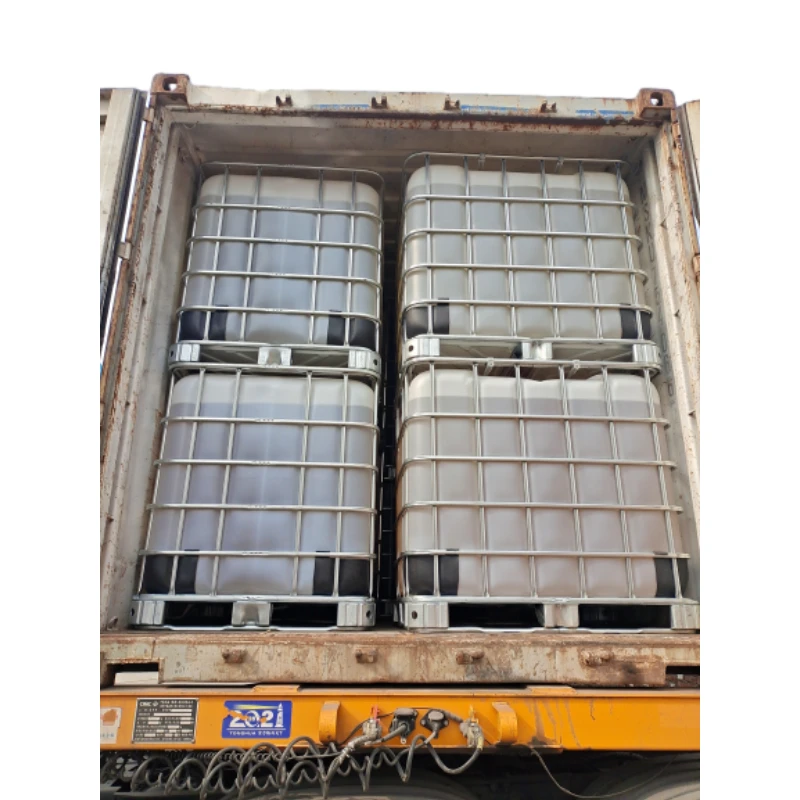
view more DiethanolisopropanolamineIn the ever-growing field of chemical solutions, diethanolisopropanolamine (DEIPA) stands out as a versatile and important compound. Due to its unique chemical structure and properties, DEIPA is of interest to various industries including construction, personal care, and agriculture. -
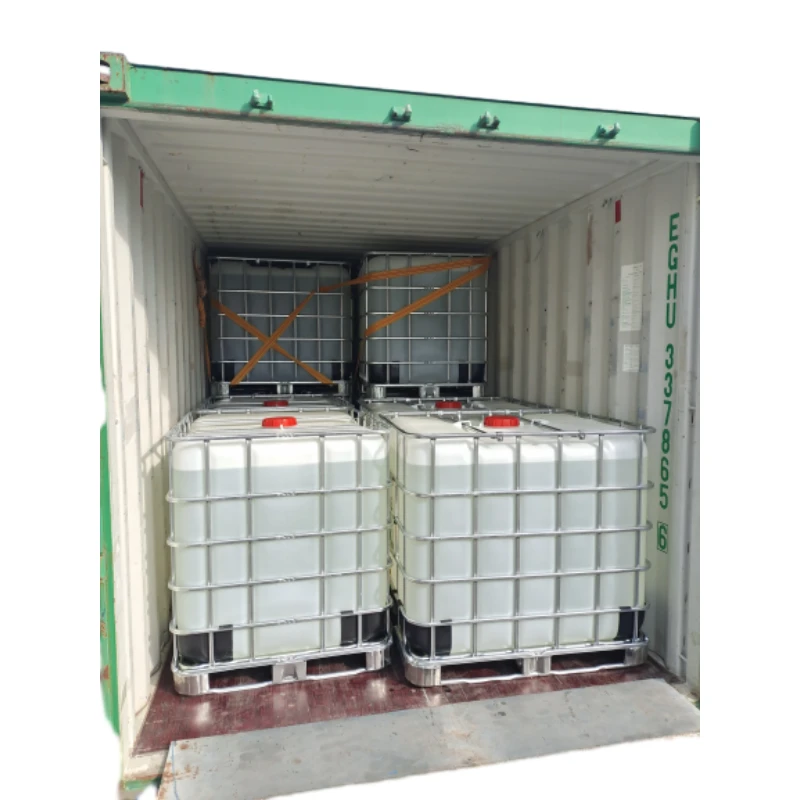
view more TriisopropanolamineTriisopropanolamine (TIPA) alkanol amine substance, is a kind of alcohol amine compound with amino and alcohol hydroxyl, and because of its molecules contains both amino and hydroxyl. -

view more Tetramethyl Thiuram DisulfideTetramethyl thiuram disulfide, also known as TMTD, is a white to light-yellow powder with a distinct sulfur-like odor. It is soluble in organic solvents such as benzene, acetone, and ethyl acetate, making it highly versatile for use in different formulations. TMTD is known for its excellent vulcanization acceleration properties, which makes it a key ingredient in the production of rubber products. Additionally, it acts as an effective fungicide and bactericide, making it valuable in agricultural applications. Its high purity and stability ensure consistent performance, making it a preferred choice for manufacturers across various industries.