





Comprehensive Guide to Ascorbic Acid Food Additive – Benefits, Uses & Suppliers
Understanding Ascorbic Acid Food Additive and Its Global Significance
At first glance, the phrase “ascorbic acid food additive” sounds like something only chemists or food scientists might dwell on, but the fact is this compound touches many lives worldwide in fundamental ways. Ascorbic acid — better known as vitamin C — is more than a nutrient; it’s a powerful antioxidant widely used as a food additive to enhance shelf life, prevent spoilage, and maintain nutritional quality. Considering the global food supply chain’s vulnerability to oxidation, spoilage, and waste, understanding the role of ascorbic acid food additives becomes a crucial part of both food technology and sustainability efforts.
Why should you care? Well, beyond just being the vitamin you associate with orange juice, ascorbic acid additives are instrumental in preserving freshness in packaged foods, preventing discoloration in fruits and vegetables, and even augmenting nutritional value in processed products. As global food distribution expands, and as the population grows, the efficiency and reliability of such additives become more vital. So, whether you’re a manufacturer, a consumer, or an advocate for reducing food waste, the story of ascorbic acid is worth a quick deep dive.
The Global Context: Why Ascorbic Acid Matters More Than Ever
Globally, food loss and waste make up roughly one-third of all food produced — about 1.3 billion tons annually according to the UN Food and Agriculture Organization (FAO). Oxidation and microbial spoilage are big contributors to this loss, especially in fruit products and processed foods. Here’s where ascorbic acid food additives shine. Their antioxidant properties slow down spoilage, helping keep food fresh longer and reduce waste along the supply chain.
Additionally, international standards by bodies like the Codex Alimentarius and ISO guidelines recognize ascorbic acid for its safety and efficacy in food preservation. The market demand reflects this: The global ascorbic acid market is valued at over $1 billion and is forecast to grow steadily, driven by consumer preference for natural antioxidants compared to synthetic preservatives.
Mini takeaway: The global challenge of food preservation and waste reduction gives ascorbic acid food additives real importance on the industry stage, blending science, economics, and sustainability.
What Exactly Is Ascorbic Acid Food Additive?
Simply put, ascorbic acid food additive is the use of vitamin C’s pure chemical form in food products to prevent oxidation and preserve quality. When added, it acts as an antioxidant that scavenges free radicals, thus inhibiting browning, rancidity, and nutrient loss during storage and processing. It’s water-soluble and generally considered safe, making it a trusted choice in a wide range of food items from cured meats and beverages to baked goods.
It's not just about “keeping things fresh” — in many modern industries and humanitarian settings, the additive supports nutrition fortification in vulnerable communities where fresh produce may not be consistently available. That doubles its value, blending preservation with public health goals.
Core Features of Ascorbic Acid Food Additives and Why They Matter
1. Potent Antioxidant Power
One of the most important traits is its ability to neutralize oxygen and free radicals. This protects food from oxidative damage that leads to spoilage, rancidity, and discoloration — problems that can kill product appeal and nutritional quality.
2. Versatility in Application
Ascorbic acid blends easily into many food products — acids, fruits, canned foods, and even meat products — due to its solubility and low cost. Its compatibility with other additives boosts multi-functional preservation efforts.
3. Nutritional Enhancement
Unlike some preservatives, it contributes to the food's vitamin C content, offering an extra layer of health benefit, especially in processed foods that may lose natural vitamins during manufacturing.
4. Cost-Effectiveness
It’s generally affordable and widely produced, making it accessible for food producers across different scales — from artisanal to industrial.
5. Regulatory Approval and Safety
Recognized as safe by agencies like the FDA and EFSA, it’s permitted in multiple regions with well-established usage limits, easing food labelling and compliance issues.
6. Stability and Shelf Life
Proper handling and storage keep ascorbic acid stable, allowing it to remain effective throughout a product’s shelf life, which means less waste for retailers and consumers alike.
Mini takeaway: These combined features make ascorbic acid food additives a reliable “workhorse” in food preservation — a small ingredient with a big impact.
Where and How Are Ascorbic Acid Additives Applied Globally?
From bustling meatpacking plants in Europe to tropical fruit exporters in Latin America, ascorbic acid is everywhere. Meat processors use it to maintain color and freshness in sausages and hams. Juice manufacturers rely on it to prevent browning and vitamin loss. Bakery products benefit from its antioxidant properties to delay staling.
In humanitarian efforts, particularly in regions facing food insecurity, fortified meals often include ascorbic acid to enhance nutritional intake without cost-penalty. For instance, organizations distributing ready-to-eat meals in sub-Saharan Africa incorporate it to prolong shelf life in tough climates.
Many food producers in Asia and North America also count on ascorbic acid as part of quality assurance programs to meet consumer expectations and regulatory mandates related to food safety and nutrition.
Advantages and Long-Term Value of Using Ascorbic Acid Additives
- Reduced Food Waste: Longer shelf life means less discarded food on the retailer and consumer ends.
- Improved Nutritional Profile: Vitamins intact where they otherwise wouldn’t be, supporting public health.
- Cost Savings: Less spoilage means better inventory turnover and less financial loss.
- Consumer Trust: Clear labelling and natural origin help build brand loyalty.
- Sustainability: Extending product life reduces resource waste and greenhouse gas emissions tied to food production.
It’s not just a matter of money or shelf life — many manufacturers see their use of ascorbic acid additives as a commitment to quality and responsibility at scale. There’s emotional value too: consumers feel more comfortable buying products preserved naturally, which matters in marketing.
Emerging Trends and Innovations in Ascorbic Acid Food Additives
The future looks quite interesting. Followed notably by the clean-label movement, there’s a push toward sourcing vitamin C from natural extracts rather than fully synthetic routes — think acerola cherry or rose hips. This appeals to those wanting “natural” preserved foods.
Nanotechnology and encapsulation methods are improving delivery and stability, reducing losses during processing. That’s key for ultra-processed foods where heat or pH may degrade simple ascorbic acid quickly.
Environmental sustainability considerations are driving manufacturers to optimize production with greener chemistry approaches, reducing carbon footprints while maintaining or even improving antioxidant efficiency.
Common Challenges and Practical Solutions
Of course, it’s not all perfect. Sometimes ascorbic acid’s water solubility means it can leach out or degrade during storage if not formulated properly. It can interact negatively with metals and other additives in complex formulations, requiring careful testing.
Experts suggest combining ascorbic acid with other antioxidants or encapsulating it for better stability. Also, precise quality control and understanding the end product’s storage environment help prevent unintended breakdown.
On the regulatory front, keeping up with varying international rules on usage levels sometimes complicates export or product innovation — but proactive compliance and transparent labelling usually do the trick.
FAQ: Frequently Asked Questions About Ascorbic Acid Food Additives
- 1. Is ascorbic acid food additive natural or synthetic?
- Ascorbic acid can be produced both synthetically and extracted from natural sources. The synthetic form is chemically identical to the natural vitamin C molecule and widely used for consistency and cost-effectiveness.
- 2. Can ascorbic acid food additive prevent all kinds of food spoilage?
- It mainly prevents oxidative spoilage and discoloration but does not kill microbes. For microbial safety, it is typically combined with preservatives or proper packaging.
- 3. How much ascorbic acid additive is safe to use in foods?
- Regulatory bodies like the FDA set limits depending on the food type, generally ranging from 200 to 500 mg/kg. Exceeding these does not necessarily improve effectiveness and can alter flavor.
- 4. Does ascorbic acid cause allergies or adverse reactions?
- It is generally well-tolerated. Allergic reactions are extremely rare but may occur in sensitive individuals. Label transparency helps consumers make informed choices.
- 5. How can manufacturers source high-quality ascorbic acid additives?
- Reliable suppliers provide certificates of analysis, comply with food-grade standards, and maintain GMP practices. Vendors may be compared on price, purity, and delivery capabilities (see vendor comparison table below).
Specification Table: Typical Ascorbic Acid Food Additive Attributes
| Property | Value | Notes |
|---|---|---|
| Purity | ≥ 99.0% | Food grade |
| Appearance | White crystalline powder | Easily soluble in water |
| Moisture content | Ensures stability | |
| PH | 2.0 – 2.8 (aqueous solution) | Acidic environment |
| Solubility | High in water | Key for additive use |
Vendor Comparison: Leading Ascorbic Acid Food Additive Suppliers
| Supplier | Purity Range | Price (per kg) | Certifications | Lead Time |
|---|---|---|---|---|
| Tenger Chemical | ≥ 99.2% | $9.50 | ISO 9001, GMP | 2 weeks |
| Global Additives Inc. | ≥ 99.0% | $10.20 | FDA Approved | 3 weeks |
| NaturalEssence Ltd. | ≥ 98.8% (natural extract) | $11.50 | Organic, Non-GMO | 4 weeks |
Wrapping it all up, it’s clear that ascorbic acid food additives play a quiet yet gigantic role in keeping the world’s food safer, fresher, and more nutritious. Their global significance will probably only grow as we wrestle with feeding an expanding population while reducing waste and improving health outcomes worldwide.
For those involved in food production or formulation, choosing the right additive and supplier involves balancing quality, price, and certifications carefully — but the benefits ripple far beyond simply ticking a box.
If you want to learn more about sourcing high-grade ascorbic acid food additive solutions and explore how it can fit into your products, consider visiting our website or reaching out directly.
References
-
The Essential Guide to Sorbates as Food Preservatives for SafetyNewsApr.16,2026
-
The Ultimate Guide to Sorbate Preservative in Modern IndustryNewsApr.09,2026
-
Comprehensive Guide to Sodium Stearoyl Lactylate Emulsifier Applications and BenefitsNewsApr.07,2026
-
Comprehensive Guide to Sodium Cyclamate Sweetener Properties and ApplicationsNewsApr.04,2026
-
Comprehensive Guide to Sodium Citrate Food Additive and Its ApplicationsNewsMar.31,2026
-
Comprehensive Guide to Sodium Bicarbonate Food Additive Applications and BenefitsNewsMar.28,2026
-
Understanding Sodium Benzoate Preservative in Cosmetics and Its ApplicationsNewsMar.26,2026
Hebei Tenger Chemical Technology Co., Ltd. focuses on the chemical industry and is committed to the export service of chemical raw materials.
-
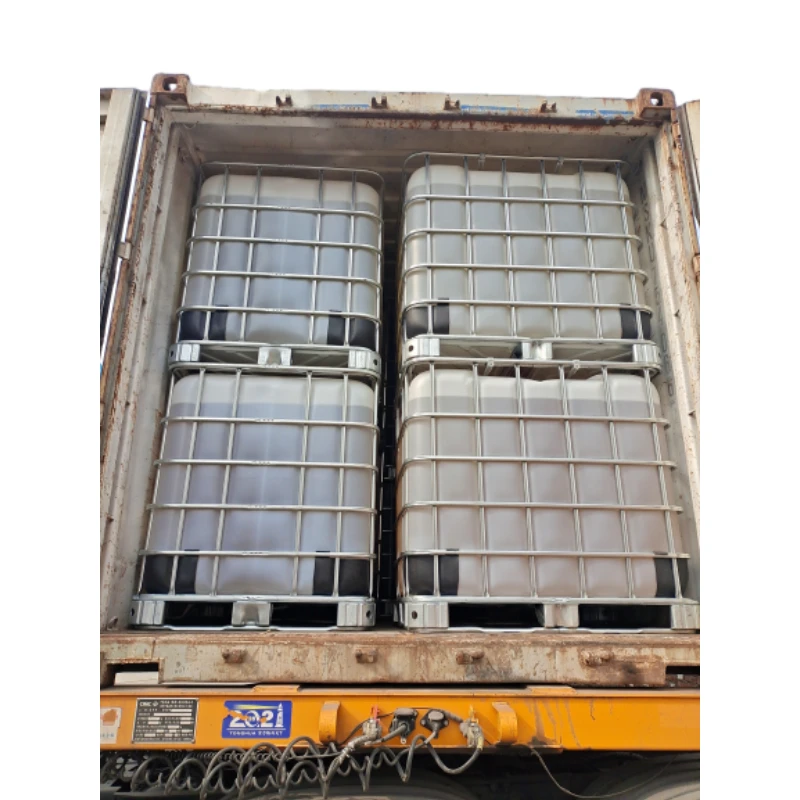
view more DiethanolisopropanolamineIn the ever-growing field of chemical solutions, diethanolisopropanolamine (DEIPA) stands out as a versatile and important compound. Due to its unique chemical structure and properties, DEIPA is of interest to various industries including construction, personal care, and agriculture. -
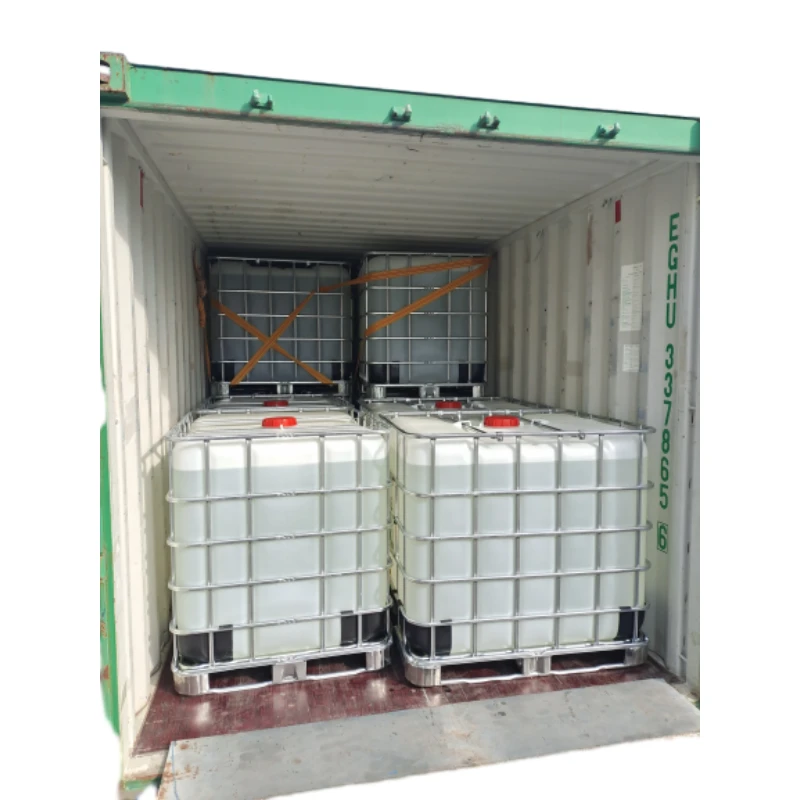
view more TriisopropanolamineTriisopropanolamine (TIPA) alkanol amine substance, is a kind of alcohol amine compound with amino and alcohol hydroxyl, and because of its molecules contains both amino and hydroxyl. -

view more Tetramethyl Thiuram DisulfideTetramethyl thiuram disulfide, also known as TMTD, is a white to light-yellow powder with a distinct sulfur-like odor. It is soluble in organic solvents such as benzene, acetone, and ethyl acetate, making it highly versatile for use in different formulations. TMTD is known for its excellent vulcanization acceleration properties, which makes it a key ingredient in the production of rubber products. Additionally, it acts as an effective fungicide and bactericide, making it valuable in agricultural applications. Its high purity and stability ensure consistent performance, making it a preferred choice for manufacturers across various industries.