





Comprehensive Guide to Food Additive 471: Uses, Benefits, and Trends
Understanding Food Additive 471: A Key Ingredient in Modern Food Manufacturing
Food additive 471 might sound like a bland code, but it plays an outsized role in the foods we enjoy daily—whether you realize it or not. Globally, this additive helps improve texture, extend shelf life, and enhance product stability. In a world that demands safe, consistent, and affordable food products, knowing about additive 471 is more than just niche trivia; it’s essential.
Introduction: Why Food Additive 471 Matters Globally
Food additive 471, formally known as mono- and diglycerides of fatty acids, is globally recognized and approved by entities like the FAO and WHO. Its use spans across continents from North America to Asia, embedded in thousands of processed food products. According to recent reports from the International Organization for Standardization (ISO), the consistency this additive provides significantly reduces food waste by improving texture and shelf life, which is crucial amidst increasing global food demand.
Yet challenges persist. Consumers today seek not just convenience but also clean labels and natural ingredients, pushing manufacturers to innovate while meeting regulatory standards worldwide.
Definition & Meaning
Put simply, food additive 471 is a class of emulsifiers derived from natural fats and oils. These mono- and diglycerides help blend ingredients that typically don’t mix well, like oil and water, ensuring smooth, stable textures in everything from bread to ice cream. Without this additive, many favorite products would have shorter shelf lives or odd textures — think of cake that crumbles or bakery goods that stale too fast.
It’s also essential for humanitarian needs; in emergency relief food supplies, additive 471 helps maintain edible and appealing food over extended periods under challenging storage conditions.
Key Factors of Food Additive 471
1. Emulsification Capability
This is its bread and butter—food additive 471 acts as an emulsifier. It binds fats and water-based ingredients, preventing separation and improving texture. For manufacturers, emulsification means enhanced product quality and consumer satisfaction.
2. Source & Naturalness
Derived from vegetable oils or animal fats, the source matters especially for dietary and ethical reasons. Many brands now prefer vegetable-derived 471 to cater to vegan or halal consumers.
3. Cost Efficiency
Adding food additive 471 is economically advantageous. By improving shelf-life and reducing spoilage, producers minimize losses and thus keep retail prices competitive.
4. Compatibility & Versatility
This additive works in various food categories: baked goods, dairy, confectionery, and even liquid beverages. Its versatility makes it a staple in the food additives toolkit.
5. Regulatory Acceptance
Globally approved as generally recognized as safe (GRAS) by bodies like the FDA and EFSA, it ensures manufacturers can deploy it widely with consumer safety in mind.
Global Applications & Use Cases
Food additive 471 finds its way into numerous products worldwide. In Europe, it’s common in pastries and margarine. In Asia, it’s extensively employed in instant noodles and bakery items. Emergency food aid agencies, such as the World Food Programme, use it to keep fortified food blends palatable and stable during transport across harsh climates.
In remote industrial zones, where storage conditions may be less than ideal, additive 471 helps preserve bread and snack foods, providing reliable nutrition to workers on site. Oddly enough, it’s these less glamorous but critical uses that underline its practical importance.
Advantages & Long-Term Value
- Cost Savings: By extending freshness, it cuts waste and reduces costs.
- Sustainability: Reduced spoilage means fewer resources wasted upstream.
- Social Impact: Enhances food security in vulnerable populations with stable, longer-lasting products.
- Consumer Trust: Consistent quality builds brand loyalty.
- Innovation Catalyst: Facilitates novel food textures and product lines.
For all these reasons, food additive 471 offers both logical and emotional value. From ensuring safety to fostering innovation, it occupies a sweet spot between science and consumer delight.
Future Trends & Innovations
Looking ahead, there’s a push for “clean label” emulsifiers—variants of food additive 471 derived from non-GMO or organic oils, processed via greener methods. Digital food traceability also allows manufacturers to better verify additive provenance. Automation in quality control increasingly ensures consistent emulsifier levels, optimizing texture and cost-effectiveness.
Simultaneously, research into enzyme-driven synthesis of mono- and diglycerides opens the door to more sustainable, tailored additives responsive to consumer demand for transparency and eco-consciousness.
Challenges & Solutions
Even though it’s generally safe, some consumers remain wary of additives. Communication and transparency are key here—educating buyers that additive 471 comes from natural sources and is tightly regulated helps build confidence.
Moreover, supply chain fluctuations in vegetable oils can affect additive availability and price. Innovative sourcing and blending strategies, plus developing synthetic biology approaches, are proving promising solutions.
Product Specification Table of Food Additive 471
| Specification | Details |
|---|---|
| Chemical Composition | Mono- and diglycerides of fatty acids |
| Appearance | Creamy white to pale yellow solid or liquid |
| Solubility | Insoluble in water, soluble in fats and oils |
| Regulatory Status | Generally Recognized As Safe (GRAS) |
| Typical Usage Level | 0.1% to 0.5% by weight in finished product |
Vendor Comparison Table for Food Additive 471 Suppliers
| Supplier | Origin | Product Grade | Certification | Price Range (USD/kg) |
|---|---|---|---|---|
| Tenger Chemical | China | Food Grade, Organic Option | ISO, HACCP, FDA | 2.50 - 3.20 |
| Global Emulsifiers Inc. | USA | Pharmaceutical & Food Grade | FDA, Kosher, Halal | 3.00 - 4.00 |
| NutraFeed Supplies | India | Food Grade | ISO, FSSAI | 1.80 - 2.50 |
FAQ: Frequently Asked Questions About Food Additive 471
- Is food additive 471 safe for daily consumption?
- Yes, food additive 471 is widely recognized as safe (GRAS) when used within regulated limits by global health authorities including the FDA and EFSA. It is derived from natural fats and oils and has been extensively studied to ensure safety in everyday food items.
- Can food additive 471 trigger allergies?
- Generally, 471 is considered low risk for allergens. However, because it can be sourced from animal fats, people with specific allergies or dietary restrictions should verify the additive’s origin. Many suppliers provide vegetable-based options to avoid such concerns.
- Does food additive 471 affect food taste or texture?
- Yes, that’s one of its main purposes. It improves texture by creating uniform consistency and prevents separation of fats and liquids, ensuring products like ice cream and baked goods maintain their intended mouthfeel and appearance.
- Is additive 471 suitable for vegan or vegetarian products?
- It depends on the source. If derived from vegetable oils, it is vegan-friendly. Always check supplier specifications or certifications to ensure compliance with vegan or vegetarian standards.
- Where can I purchase high-quality food additive 471?
- Reputable suppliers such as Tenger Chemical offer certified food-grade mono- and diglycerides. Always confirm certifications and product grade suited for your application before purchase.
Conclusion: The Lasting Impact of Food Additive 471
To sum it up, food additive 471 is a cornerstone in food manufacturing. It’s safe, versatile, and essential for affordable, enjoyable food products worldwide. Whether you’re a manufacturer, nutritionist, or just a curious consumer, understanding this additive demystifies a piece of the food puzzle that helps feed billions. For detailed sourcing and certifications, you should definitely check out Tenger Chemical's offerings.
Thanks for joining me on this little dive into the world of emulsifiers. Oddly enough, once you start noticing additives like 471, you find them everywhere—and it makes the everyday process of eating a lot more fascinating.
Mini takeaway: Food additive 471 keeps our food stable, tasty, and long-lasting—one tiny ingredient with huge impact.
References:
1. Wikipedia: Food Additive
2. FAO - Food Safety & Additives
3. ISO Standards on Food Additives
-
The Essential Guide to Sorbates as Food Preservatives for SafetyNewsApr.16,2026
-
The Ultimate Guide to Sorbate Preservative in Modern IndustryNewsApr.09,2026
-
Comprehensive Guide to Sodium Stearoyl Lactylate Emulsifier Applications and BenefitsNewsApr.07,2026
-
Comprehensive Guide to Sodium Cyclamate Sweetener Properties and ApplicationsNewsApr.04,2026
-
Comprehensive Guide to Sodium Citrate Food Additive and Its ApplicationsNewsMar.31,2026
-
Comprehensive Guide to Sodium Bicarbonate Food Additive Applications and BenefitsNewsMar.28,2026
-
Understanding Sodium Benzoate Preservative in Cosmetics and Its ApplicationsNewsMar.26,2026
Hebei Tenger Chemical Technology Co., Ltd. focuses on the chemical industry and is committed to the export service of chemical raw materials.
-
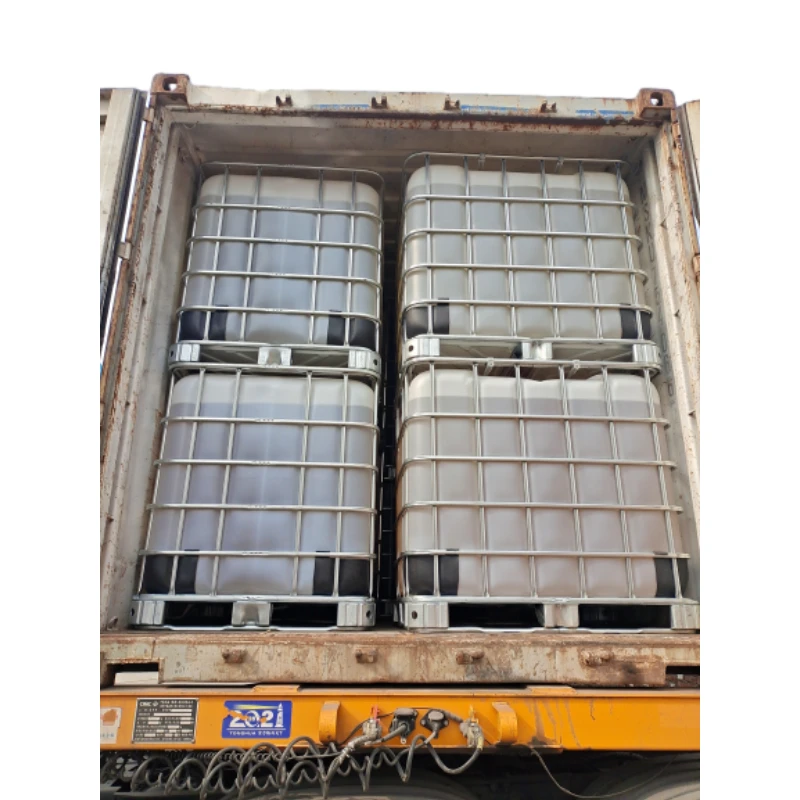
view more DiethanolisopropanolamineIn the ever-growing field of chemical solutions, diethanolisopropanolamine (DEIPA) stands out as a versatile and important compound. Due to its unique chemical structure and properties, DEIPA is of interest to various industries including construction, personal care, and agriculture. -
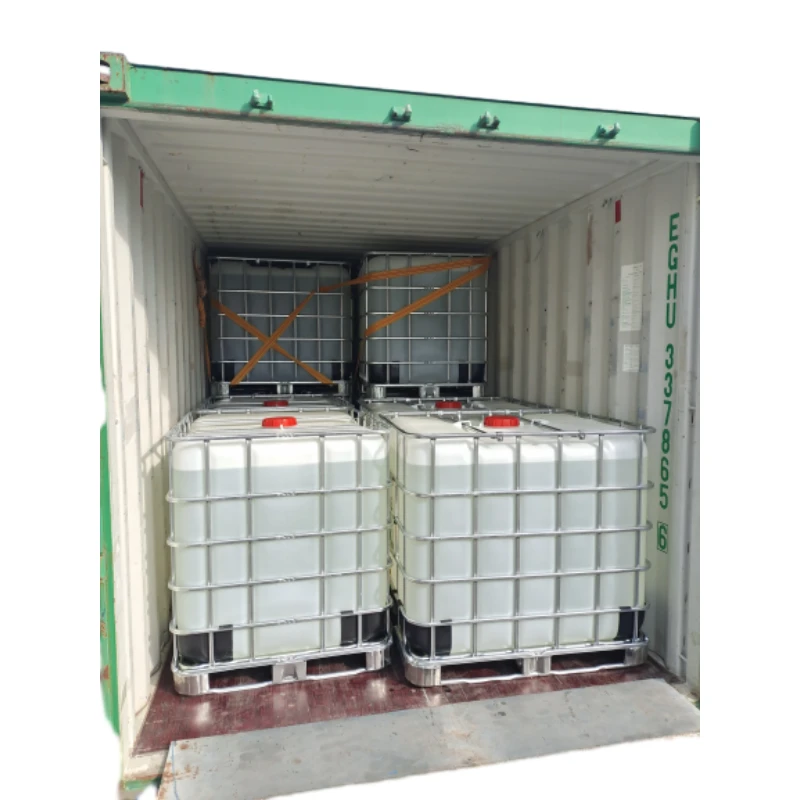
view more TriisopropanolamineTriisopropanolamine (TIPA) alkanol amine substance, is a kind of alcohol amine compound with amino and alcohol hydroxyl, and because of its molecules contains both amino and hydroxyl. -

view more Tetramethyl Thiuram DisulfideTetramethyl thiuram disulfide, also known as TMTD, is a white to light-yellow powder with a distinct sulfur-like odor. It is soluble in organic solvents such as benzene, acetone, and ethyl acetate, making it highly versatile for use in different formulations. TMTD is known for its excellent vulcanization acceleration properties, which makes it a key ingredient in the production of rubber products. Additionally, it acts as an effective fungicide and bactericide, making it valuable in agricultural applications. Its high purity and stability ensure consistent performance, making it a preferred choice for manufacturers across various industries.