





Comprehensive Guide to SO2 Food Preservative Applications and Safety Regulations
SO2 Food Preservative: A Comprehensive Guide
Sulfur dioxide (SO2) is a widely used preservative in the food and beverage industry, prized for its antimicrobial and antioxidant properties. This article will delve into the applications, benefits, safety considerations, and regulations surrounding SO2 food preservative, offering a detailed overview for food producers, quality control personnel, and consumers alike. Understanding its role is crucial for maintaining food safety and extending shelf life.
Understanding Sulfur Dioxide as a Food Preservative
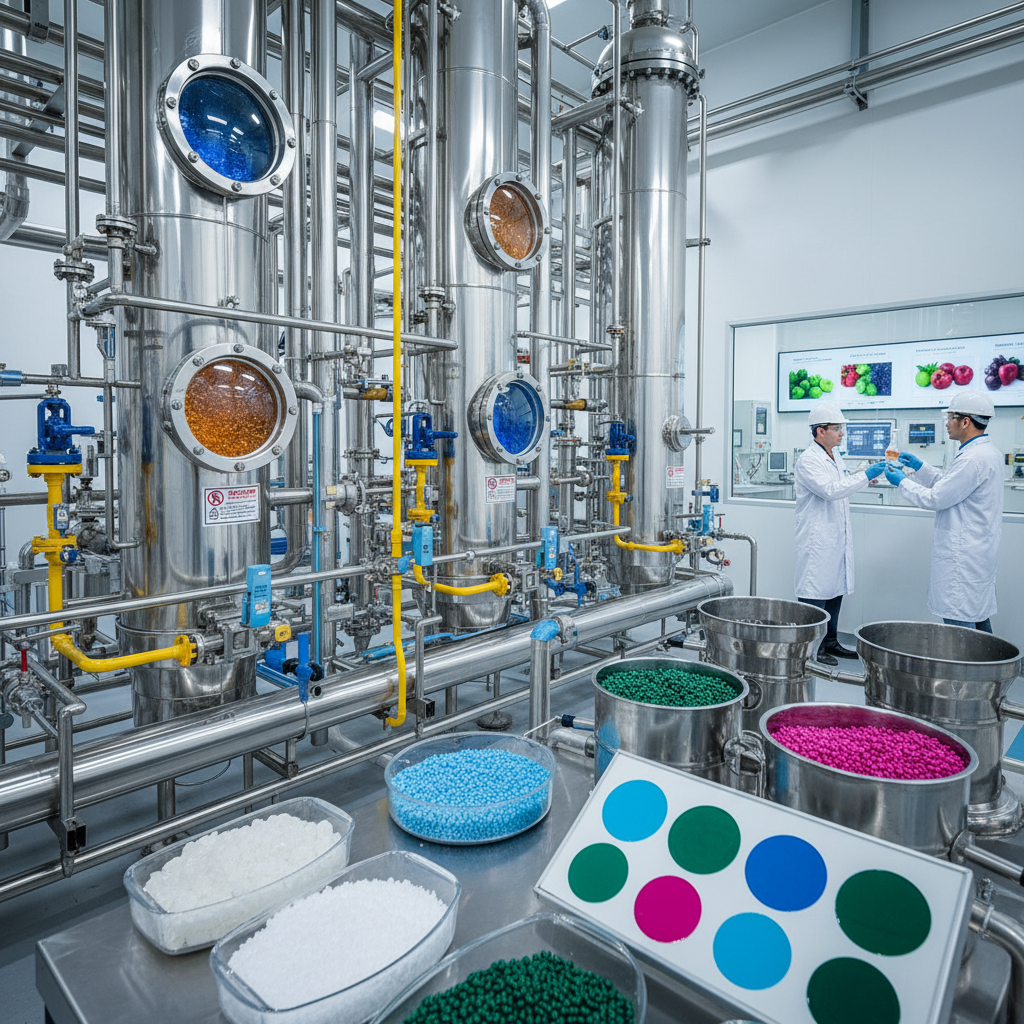
SO2, in its various forms (sulfurous acid, sodium sulfite, sodium bisulfite, potassium bisulfite, etc.), works by inhibiting the growth of bacteria, yeasts, and molds. It’s particularly effective in preventing enzymatic browning, preserving color, and maintaining flavor. It achieves this by interfering with microbial respiration and acting as an antioxidant, protecting against oxidation reactions that cause spoilage. This makes it a vital component in preserving a wide array of food products. The effectiveness of SO2 directly impacts food quality and reduces waste.
Key Benefits: Inhibits microbial growth, prevents enzymatic browning, preserves color and flavor, extends shelf life, and is cost-effective.
Common Applications of SO2 in the Food Industry
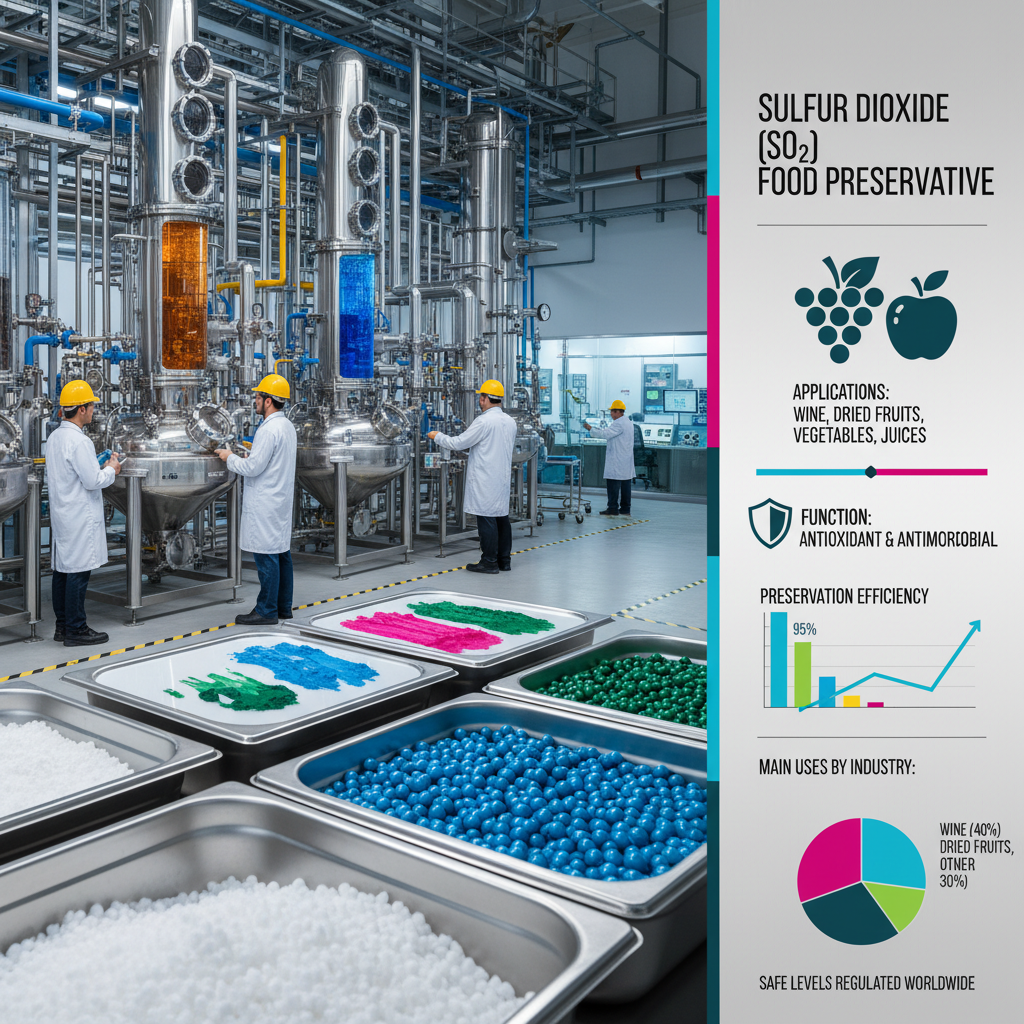
The applications of SO2 are incredibly diverse. It’s commonly used in dried fruits (apricots, raisins), wines, fruit juices, cider, sausages, and processed potatoes. In winemaking, it’s crucial for controlling fermentation, preventing oxidation, and maintaining desired flavors. For dried fruits, SO2 prevents darkening and preserves texture. In meat processing, it inhibits the growth of Clostridium botulinum, a bacterium that causes botulism. The versatility of SO2 preservative makes it an indispensable tool for food manufacturers.
Application Areas:
• Dried Fruits: Prevents darkening and preserves texture
• Winemaking: Controls fermentation & prevents oxidation
• Meat Processing: Inhibits Clostridium botulinum
• Fruit Juices & Cider: Maintains freshness & color
SO2 Food Preservative: Dosage and Regulation
The permissible levels of SO2 in food are strictly regulated by authorities like the FDA (in the US) and EFSA (in Europe). These regulations vary depending on the food type. Maximum limits are established to ensure consumer safety. Exceeding these limits can lead to adverse health effects. Accurate measurement and control are crucial during food production. Tenger Chemical provides high-quality SO2 products with consistent purity to ensure compliance.
Health Considerations & Potential Sensitivities
While SO2 is generally considered safe at permitted levels, some individuals are sensitive to sulfites, leading to allergic reactions, particularly those with asthma. Symptoms can include wheezing, hives, and even anaphylaxis. Food labeling regulations require disclosure of sulfite content for consumers. It’s essential to be aware of potential sensitivities and choose sulfite-free options when necessary. Tenger Chemical provides detailed product specifications to assist with accurate labeling.
Choosing a Reliable SO2 Supplier: Tenger Chemical
Selecting a reputable supplier of SO2 is paramount for maintaining food safety and quality. Tenger Chemical is a leading provider of high-purity SO2, committed to stringent quality control and reliable supply. We offer various grades and packaging options to meet diverse customer needs, coupled with expert technical support and comprehensive documentation. Partnering with Tenger Chemical ensures you receive a consistent, high-quality product that meets industry standards.
Conclusion: The Vital Role of SO2 in Food Preservation
SO2 remains a critical component in ensuring food safety and extending shelf life. Understanding its applications, regulations, and potential health considerations is crucial for food producers and consumers. By sourcing high-quality SO2 from a trusted supplier like Tenger Chemical, you can confidently maintain product quality and meet regulatory requirements.
Frequently Asked Questions (FAQs)
What are the alternatives to using SO2 as a food preservative?
While SO2 is highly effective, alternatives include using ascorbic acid (vitamin C), citric acid, or lactic acid. These alternatives work by creating an acidic environment unfavorable for microbial growth, or by acting as antioxidants. However, these alternatives may not offer the same level of broad-spectrum preservation as SO2 and may impact the flavor profile of the food. Other methods like modified atmosphere packaging (MAP) and high-pressure processing (HPP) are also employed, but often require specialized equipment.
How is sulfite sensitivity diagnosed?
Sulfite sensitivity is typically diagnosed through a combination of medical history, symptom evaluation, and potentially a food challenge test under medical supervision. Individuals with asthma are more prone to sulfite sensitivity. The challenge test involves consuming a small amount of sulfites and monitoring for reactions. It’s crucial to consult with an allergist or healthcare professional for accurate diagnosis and management.
What types of packaging are suitable for storing SO2?
SO2 should be stored in tightly sealed, non-reactive containers, typically made of glass or stainless steel. Avoid storing it in containers made of carbon steel or aluminum, as SO2 can react with these materials. Containers should be kept in a cool, dry, and well-ventilated area, away from direct sunlight and incompatible substances like oxidizing agents. Tenger Chemical provides packaging options designed for safe and compliant storage.
Is SO2 considered a natural preservative?
While SO2 occurs naturally in some foods as a byproduct of fermentation (e.g., in wine), the SO2 used as a preservative in food production is typically synthetically produced. Therefore, it's not generally considered a 'natural' preservative in the same way as ingredients like salt or vinegar. However, its presence in naturally fermented foods is a long-standing practice.
-
The Essential Guide to Sorbates as Food Preservatives for SafetyNewsApr.16,2026
-
The Ultimate Guide to Sorbate Preservative in Modern IndustryNewsApr.09,2026
-
Comprehensive Guide to Sodium Stearoyl Lactylate Emulsifier Applications and BenefitsNewsApr.07,2026
-
Comprehensive Guide to Sodium Cyclamate Sweetener Properties and ApplicationsNewsApr.04,2026
-
Comprehensive Guide to Sodium Citrate Food Additive and Its ApplicationsNewsMar.31,2026
-
Comprehensive Guide to Sodium Bicarbonate Food Additive Applications and BenefitsNewsMar.28,2026
-
Understanding Sodium Benzoate Preservative in Cosmetics and Its ApplicationsNewsMar.26,2026
Hebei Tenger Chemical Technology Co., Ltd. focuses on the chemical industry and is committed to the export service of chemical raw materials.
-
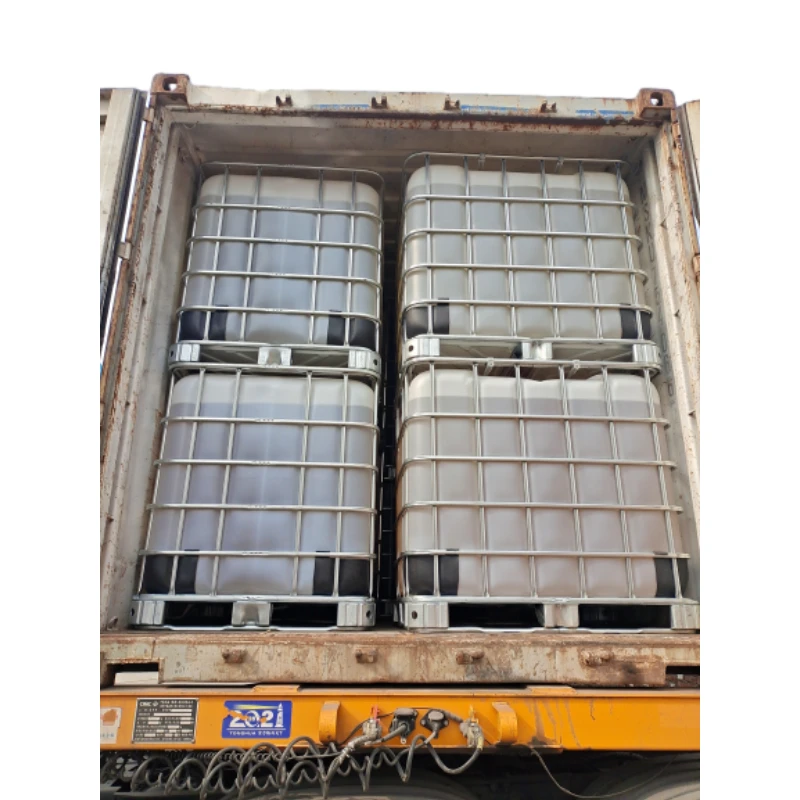
view more DiethanolisopropanolamineIn the ever-growing field of chemical solutions, diethanolisopropanolamine (DEIPA) stands out as a versatile and important compound. Due to its unique chemical structure and properties, DEIPA is of interest to various industries including construction, personal care, and agriculture. -
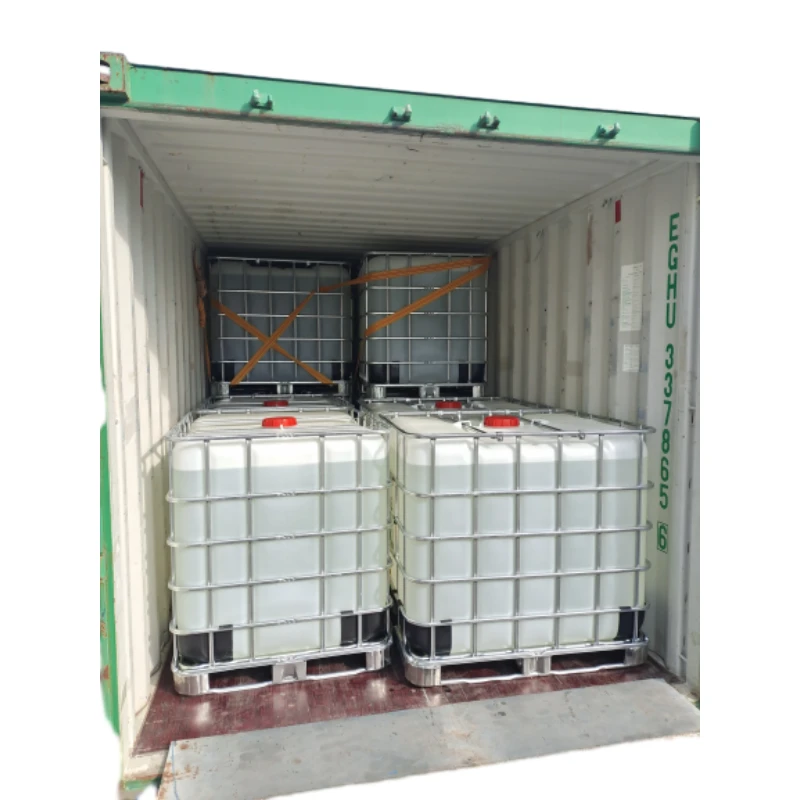
view more TriisopropanolamineTriisopropanolamine (TIPA) alkanol amine substance, is a kind of alcohol amine compound with amino and alcohol hydroxyl, and because of its molecules contains both amino and hydroxyl. -

view more Tetramethyl Thiuram DisulfideTetramethyl thiuram disulfide, also known as TMTD, is a white to light-yellow powder with a distinct sulfur-like odor. It is soluble in organic solvents such as benzene, acetone, and ethyl acetate, making it highly versatile for use in different formulations. TMTD is known for its excellent vulcanization acceleration properties, which makes it a key ingredient in the production of rubber products. Additionally, it acts as an effective fungicide and bactericide, making it valuable in agricultural applications. Its high purity and stability ensure consistent performance, making it a preferred choice for manufacturers across various industries.