





MSG Food Enhancer: Industrial Grade & Reliable Flavor Boosters
Understanding MSG Food Enhancer: Industrial Insights from Experience
If you’re reading this, chances are you’ve bumped into MSG food enhancer in some form – maybe in a recipe, or more interestingly, as part of industrial food processing. Having spent over a decade working with food-grade additives and ingredients in the industrial equipment sector, I can say MSG (monosodium glutamate) is one of those ingredients that’s quietly fascinating. Not flashy, but indispensable in the way it boosts flavor, like an unsung hero in the background.
Now, MSG isn’t just that white crystalline powder you see on your kitchen shelf. It’s produced through a fermentation process involving natural raw materials like starch or molasses, refined to high purity standards. The real advantage in industrial contexts is consistency and reliability — when you add MSG, you get a uniform flavor enhancement that’s hard to replicate naturally, especially at scale.
Frankly, I’ve been around plenty of additives, but MSG’s efficacy always surprises me. It enhances “umami,” the savory taste that balances salty, sweet, sour, and bitter. Many engineers and food scientists will tell you that without MSG, products like soups, sauces, and ready meals just don’t hit the mark. It’s subtle, but consumers sense the difference.
It’s odd, too, how MSG has endured some misconceptions over the years. But industry testing and decades of scientific research show it is safe when used within regulated limits. And honestly, working with it in a controlled manufacturing environment leaves little room for error. You know exactly what you’re adding.
Key MSG Food Enhancer Product Specifications
| Specification | Details |
|---|---|
| Chemical Name | Monosodium Glutamate |
| Appearance | White Crystalline Powder |
| Purity | ≥ 99.0% |
| Moisture Content | ≤ 1.0% |
| Packaging | 20 kg bags or bulk |
| Shelf Life | 24 months in dry storage |
One of the things I’ve noticed is how some clients require tailored variations, like micronized powders or even granular forms. These physical characteristics can affect blending efficiency in production lines, so customization is something worth discussing with your supplier early on.
MSG Food Enhancer Vendor Comparison
| Vendor | Purity (%) | MOQ (kg) | Price per kg (USD) | Certifications |
|---|---|---|---|---|
| Tenger Chemical | ≥99.0 | 1000 | 1.80 | ISO, HACCP, Kosher, Halal |
| Global Food Additives Inc. | 98.5 | 500 | 1.95 | ISO, GMP |
| East Asia Food Supplies | 99.2 | 2000 | 1.70 | ISO, FDA Registered |
On a personal note, working with Tenger Chemical over the years has been straightforward and reliable. Their purity levels are consistently high, and the certifications they hold ease a lot of compliance headaches. Plus, their flexible packaging options have come in handy for some mid-sized manufacturers I’ve partnered with.
One client I remember switched to MSG enhancement after experimenting with natural flavor extracts that were unpredictable and expensive. The difference was clear: their product tasted just as rich and savory, production time was cut, and costs stabilized. It’s small wins like that that make a seasoned professional smile quietly.
Of course, the food industry is changing fast. There’s rising interest in “clean label” and natural ingredients trends, prompting some R&D teams to seek alternatives or reduced usage strategies. Yet, as of today, MSG remains a cornerstone for many food enhancers and seasoning blends.
In real terms, if you’re considering integrating or upgrading your MSG supply for your product line, keep an eye on quality, supplier reliability, and regulatory compliance. Those are the pillars that keep production smooth—I can’t stress that enough.
So, whether you’re an engineer, a food scientist, or just curious, MSG food enhancer holds a unique spot in the industry. Invisible to many consumers, but absolutely essential to achieving that perfect savory balance.
Just something to chew on next time you savor that savory broth...
References:
1. Food and Agriculture Organization (FAO) Reports on Food Additives
2. FDA GRAS Notice for Monosodium Glutamate
3. Industry Experience and Field Notes, 2009–2024
-
The Essential Guide to Sorbates as Food Preservatives for SafetyNewsApr.16,2026
-
The Ultimate Guide to Sorbate Preservative in Modern IndustryNewsApr.09,2026
-
Comprehensive Guide to Sodium Stearoyl Lactylate Emulsifier Applications and BenefitsNewsApr.07,2026
-
Comprehensive Guide to Sodium Cyclamate Sweetener Properties and ApplicationsNewsApr.04,2026
-
Comprehensive Guide to Sodium Citrate Food Additive and Its ApplicationsNewsMar.31,2026
-
Comprehensive Guide to Sodium Bicarbonate Food Additive Applications and BenefitsNewsMar.28,2026
-
Understanding Sodium Benzoate Preservative in Cosmetics and Its ApplicationsNewsMar.26,2026
Hebei Tenger Chemical Technology Co., Ltd. focuses on the chemical industry and is committed to the export service of chemical raw materials.
-
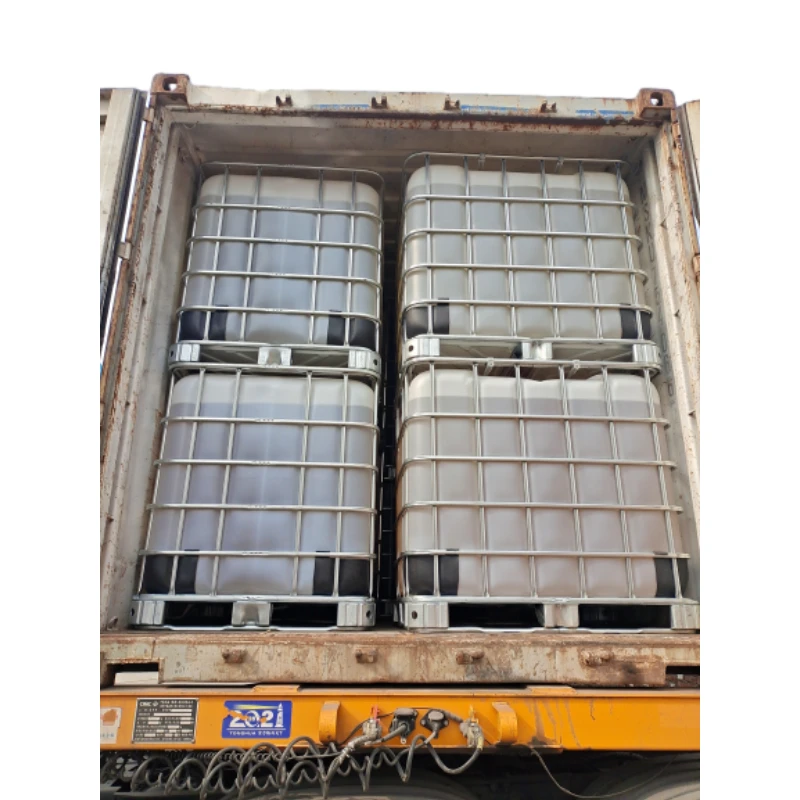
view more DiethanolisopropanolamineIn the ever-growing field of chemical solutions, diethanolisopropanolamine (DEIPA) stands out as a versatile and important compound. Due to its unique chemical structure and properties, DEIPA is of interest to various industries including construction, personal care, and agriculture. -
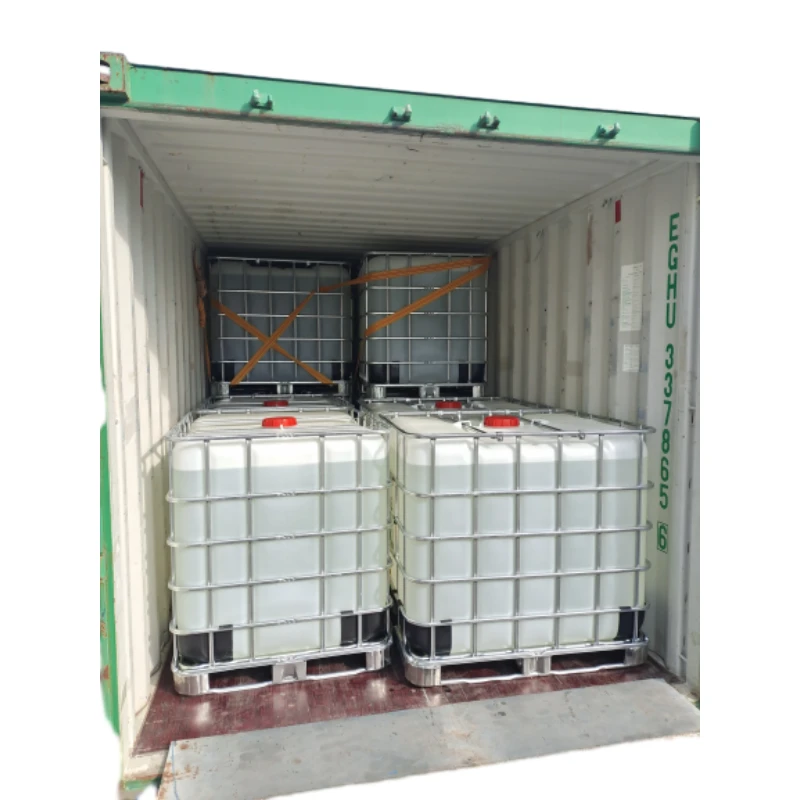
view more TriisopropanolamineTriisopropanolamine (TIPA) alkanol amine substance, is a kind of alcohol amine compound with amino and alcohol hydroxyl, and because of its molecules contains both amino and hydroxyl. -

view more Tetramethyl Thiuram DisulfideTetramethyl thiuram disulfide, also known as TMTD, is a white to light-yellow powder with a distinct sulfur-like odor. It is soluble in organic solvents such as benzene, acetone, and ethyl acetate, making it highly versatile for use in different formulations. TMTD is known for its excellent vulcanization acceleration properties, which makes it a key ingredient in the production of rubber products. Additionally, it acts as an effective fungicide and bactericide, making it valuable in agricultural applications. Its high purity and stability ensure consistent performance, making it a preferred choice for manufacturers across various industries.