





Understanding Acidulant in Food: Global Role, Benefits & Future Trends
What is an Acidulant in Food and Why It Matters Globally
Acidulants in food might not be the star of the show when you bite into your favorite snack or sip a refreshing drink, but they quietly play a crucial role. Simply put, acidulants are substances added to foods to give them a tangy taste or to adjust their acidity levels, enhancing flavor, preserving freshness, or improving texture.
They matter globally because more than just taste, acidulants help ensure food safety, extend shelf life, and support nutrition preservation—critical concerns as the world faces challenges in food security, supply chain unpredictability, and sustainably feeding a growing population. A better understanding of acidulants unlocks smarter formulations and healthier products, benefiting producers and consumers alike.
The Global Importance of Acidulants in Food
Worldwide, the food industry continues to expand rapidly—estimated by the FAO to grow by around 3–5% annually. Acidulants play a foundational role here, especially in processed foods which make up a growing portion of diets everywhere from bustling urban centers to remote regions. The ISO standards also recognize acidulants for helping balance product safety with consumer preferences.
But here's a thought: with global supply chains becoming more volatile due to climate events or geopolitical unrest, having reliable preservation methods—like acidulants—is more of a necessity than ever.
Defining Acidulant in Food: A Simple Explanation
Acidulants are ingredients—usually organic or mineral acids or their salts—that lower or stabilize the pH of food. Common ones include citric acid, lactic acid, and malic acid. Besides flavoring, they prevent microbial growth and help maintain the product’s texture and color.
In humanitarian contexts, acidulants contribute to longer-lasting food rations or ready-to-eat meals, addressing nutrition in disaster zones or during long transport. So, acidulants aren't just chemical additives; they're part of a bigger system supporting modern life and relief efforts.
Mini Takeaway:
Think of acidulants as humble guardians of taste and safety, critical not just for flavor but for feeding a complex, fragile world.
Core Components: What Makes Acidulants Effective?
1. Flavor Enhancement
It's more than sourness—acidulants brighten and balance flavors, often masking undesirable tastes in processed foods and beverages.
2. Preservation & Safety
By lowering pH, acidulants inhibit the growth of bacteria and molds, extending shelf life and reducing spoilage-related waste.
3. Texture & Stability
They help stabilize proteins and improve dough handling in baked goods, contributing to the product's mouthfeel and structure.
4. Nutritional Impact
Some acidulants assist nutrient bioavailability; vitamin C (ascorbic acid), for example, doubles as an acidulant and antioxidant.
5. Cost Efficiency
Using acidulants can reduce the need for refrigeration or expensive preservatives, controlling production costs while maintaining quality.
6. Regulatory Compliance
Manufacturers must select acidulants approved by food safety authorities like the FDA or EFSA, ensuring consumer trust and legal market access.
Mini Takeaway:
- Acidulants bring multi-layered benefits beyond just sourness: preservation, texture, safety, and cost-saving.
Global Applications & Real-World Use Cases
Acidulants find homes in continents and contexts far and wide:
- Asia: In fermented pickles and drinks, acidulants balance flavor and promote desirable fermentation.
- Europe: Widely used in dairy products and confectionery, acidulants regulate acidity to perfect textures and shelf life.
- North America: Acidulants are vital in soft drinks and snack foods, supporting large-scale industrial production.
- Humanitarian aid: Packaged ready meals for disaster zones include acidulants to keep foods safe and palatable over months.
For example, in remote industrial zones, where refrigeration may be limited, acidulants help maintain food safety and nutrition across transport and storage. The U.N. World Food Programme relies on such additives to package durable food aid supplies that withstand harsh conditions.
Mini Takeaway:
From gourmet kitchens to emergency relief, acidulants are unsung heroes in keeping food edible and enjoyable worldwide.
Advantages & Long-Term Value of Using Acidulants
The tangible benefits often circle back to safety and sustainability. Let's look at them:
- Cost reduction: By reducing spoilage, acidulants help avoid food waste which is, frankly, expensive at both business and societal levels.
- Environmental sustainability: Less waste, fewer preservatives, and extended shelf life reduce carbon footprints and resource consumption.
- Safety & trust: Properly applied acidulants assure consumers of product reliability and hygiene.
- Innovation & consumer satisfaction: Acidulants allow product developers to harmonize flavors and technology, meeting evolving tastes.
- Social impact: Acidulants in humanitarian food aid contribute to equitable nutrition under difficult circumstances, preserving dignity and health.
In a world demanding more sustainable and trustworthy food, acidulants have quietly been part of that solution.
Future Trends: Innovations in Acidulants for Food
Looking ahead, the acidulant landscape is evolving:
- Natural & clean-label acids: Consumer demand for "clean" ingredients has spurred new sources, like fermented organic acidulants.
- Biotechnological advances: Tailored microbial strains enable more efficient production of acidulants with less environmental impact.
- Digital formulation tools: AI and big data help fine-tune acidulant blends for specific flavor profiles and shelf life targets.
- Sustainability policies: Regulations encourage low-carbon, plant-based acidulants to replace synthetic ones.
What excites me is how acidulants, once a simple additive, are becoming part of a broader green transformation in food tech.
Challenges and Innovative Solutions
Not everything is rosy. Acidulants can cause formulation challenges—over-acidification can spoil flavor, and ingredient sourcing sometimes hits bottlenecks.
Expert formulators often solve this by blending acids carefully, using encapsulation techniques to control release, or innovating with local natural sources to reduce dependence on limited imports.
Also, regulatory complexity across countries means companies must navigate a patchwork of approvals. Collaborations between food chemists and legal teams are essential to ensure compliance without compromise.
FAQ: Frequently Asked Questions About Acidulant in Food
- What are the most common acidulants used in the food industry?
- The most widely used acidulants include citric acid, lactic acid, malic acid, acetic acid, and tartaric acid. Each offers unique flavor profiles and preservation qualities depending on the food application.
- How do acidulants affect food safety?
- By lowering the pH, acidulants inhibit the growth of bacteria, yeasts, and molds, thus preventing spoilage and foodborne illnesses. This makes products safer and extends their shelf life.
- Are acidulants safe for children and sensitive individuals?
- Yes, acidulants approved by regulatory bodies like the FDA and EFSA are generally recognized as safe (GRAS). However, consumption should be moderate, as excessive acidity can cause discomfort.
- Can acidulants replace traditional preservatives in all cases?
- While acidulants improve preservation by controlling pH, they may not fully replace preservatives in all foods. Their effectiveness depends on food type, packaging, and storage conditions.
- How can food manufacturers choose the right acidulant?
- Manufacturers consider factors like flavor impact, required pH level, interaction with other ingredients, cost, and regulatory approval when selecting acidulants.
Product Specification Table: Typical Acidulant Properties
| Acidulant | pH Range (1% solution) | Typical Use | Flavor Profile | Solubility |
|---|---|---|---|---|
| Citric Acid | 2.2 - 2.5 | Beverages, candies, dairy | Bright, tart | Highly soluble in water |
| Lactic Acid | 2.4 - 2.6 | Fermented foods, baked goods | Mild, creamy | Soluble in water |
| Malic Acid | 2.2 - 3.0 | Candies, beverages | Sharp, fruity | Soluble in water |
Vendor Comparison Table: Popular Acidulant Suppliers
| Supplier | Product Range | Global Reach | Sustainability Initiatives | Price Competitiveness |
|---|---|---|---|---|
| Tenger Chemical | Citric, lactic, malic acid | Asia, Europe, Americas | Green sourcing & waste reduction | Mid-range, volume discounts |
| Global Acid Solutions | Organic acids, stabilizers | Worldwide, 50+ countries | Renewable energy usage | Premium pricing |
| PureFood Additives | Wide acidulant and preservative range | Europe, North America | Eco-conscious packaging | Competitive mid-tier prices |
Wrapping Up: Acidulants Are More Than You Think
Ultimately, acidulants in food are fascinating if you pause to consider their crucial impacts—from extending shelf life to preserving human dignity in food relief. They quietly but effectively shape what we eat.
If you want to explore the nuances of acidulants further or source quality products for your next food formulation, don't hesitate to visit Tenger Chemical's site. Their offerings and expertise reflect the very best traditions and innovations in acidulant technology.
References & Further Reading
-
The Essential Guide to Sorbates as Food Preservatives for SafetyNewsApr.16,2026
-
The Ultimate Guide to Sorbate Preservative in Modern IndustryNewsApr.09,2026
-
Comprehensive Guide to Sodium Stearoyl Lactylate Emulsifier Applications and BenefitsNewsApr.07,2026
-
Comprehensive Guide to Sodium Cyclamate Sweetener Properties and ApplicationsNewsApr.04,2026
-
Comprehensive Guide to Sodium Citrate Food Additive and Its ApplicationsNewsMar.31,2026
-
Comprehensive Guide to Sodium Bicarbonate Food Additive Applications and BenefitsNewsMar.28,2026
-
Understanding Sodium Benzoate Preservative in Cosmetics and Its ApplicationsNewsMar.26,2026
Hebei Tenger Chemical Technology Co., Ltd. focuses on the chemical industry and is committed to the export service of chemical raw materials.
-
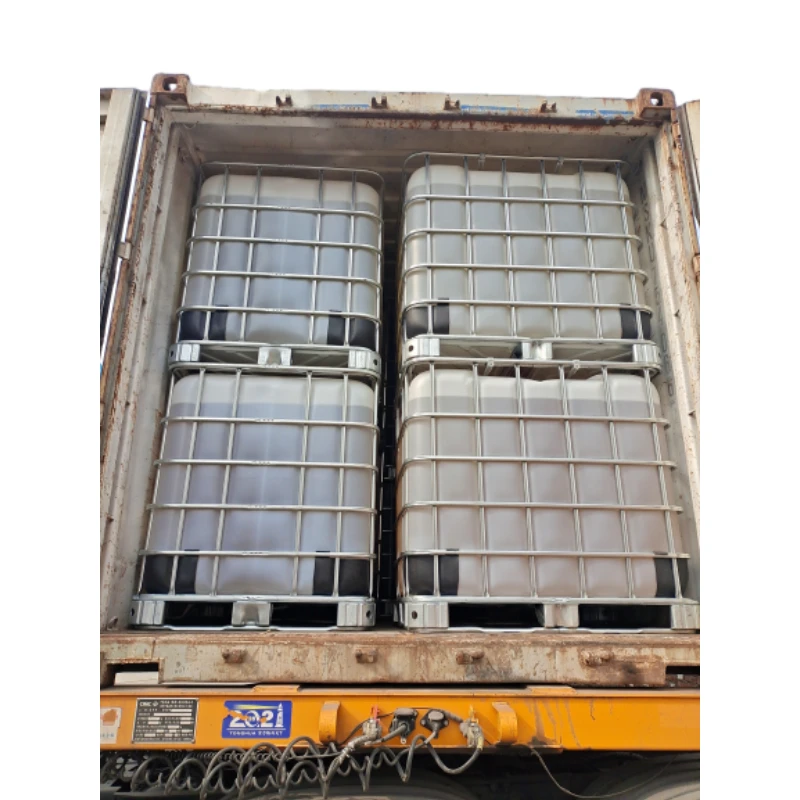
view more DiethanolisopropanolamineIn the ever-growing field of chemical solutions, diethanolisopropanolamine (DEIPA) stands out as a versatile and important compound. Due to its unique chemical structure and properties, DEIPA is of interest to various industries including construction, personal care, and agriculture. -
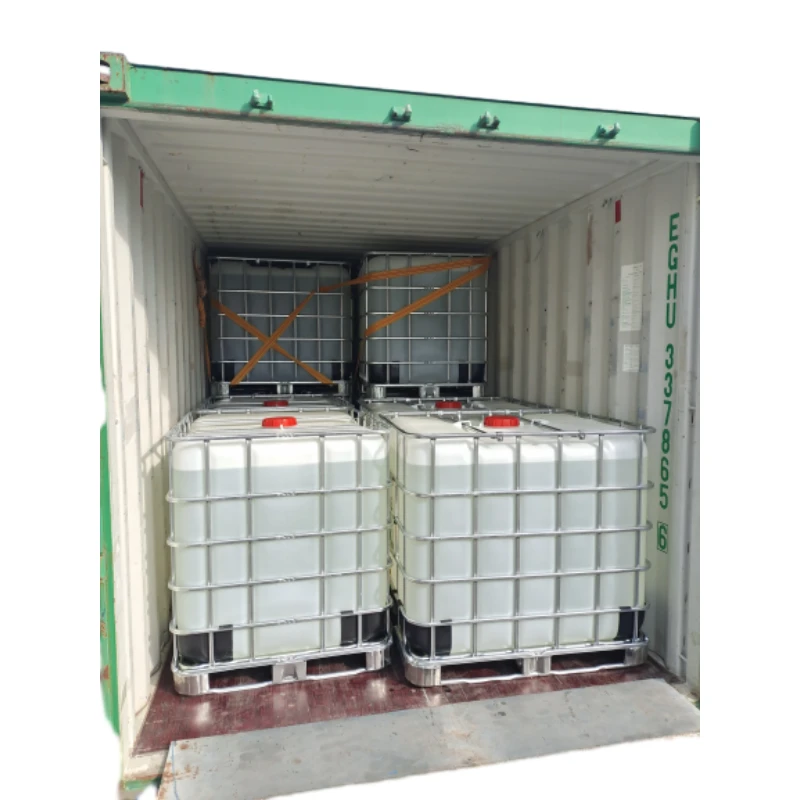
view more TriisopropanolamineTriisopropanolamine (TIPA) alkanol amine substance, is a kind of alcohol amine compound with amino and alcohol hydroxyl, and because of its molecules contains both amino and hydroxyl. -

view more Tetramethyl Thiuram DisulfideTetramethyl thiuram disulfide, also known as TMTD, is a white to light-yellow powder with a distinct sulfur-like odor. It is soluble in organic solvents such as benzene, acetone, and ethyl acetate, making it highly versatile for use in different formulations. TMTD is known for its excellent vulcanization acceleration properties, which makes it a key ingredient in the production of rubber products. Additionally, it acts as an effective fungicide and bactericide, making it valuable in agricultural applications. Its high purity and stability ensure consistent performance, making it a preferred choice for manufacturers across various industries.