





Understanding Artificial Sweeteners in Food: Benefits, Uses & Global Trends
Artificial Sweeteners in Food: A Sweet Solution for a Complex World
Artificial sweeteners in food have become a hot topic in nutrition and food technology circles worldwide over the last few decades. As more people seek healthier lifestyles without compromising the taste or enjoyment of food, artificial sweeteners offer a tantalizing alternative to traditional sugar. But beyond just a calorie swap, they raise bigger questions about health, sustainability, and the future of food manufacturing globally.
Understanding artificial sweeteners is important not only for consumers worried about blood sugar or weight but also for food scientists, policymakers, and humanitarian organizations responding to pressing global nutritional needs. Let’s dig into what these compounds really are, why they matter across continents, and how their use is reshaping what ends up on our plates.
The Global Importance of Artificial Sweeteners in Food
Artificial sweeteners are no niche product anymore. According to the World Health Organization (WHO), worldwide obesity rates have nearly tripled since 1975, prompting nutritional shifts. Meanwhile, the UN has highlighted the need for sustainable food sources that minimize the environmental impact linked with sugar production.
Artificial sweeteners help tackle issues like excessive sugar consumption leading to diabetes and heart disease, especially in countries where traditional diets shift towards processed foods. Also, the food industry benefits economically and environmentally from these low-calorie substitutes—it's a matter of public health and resource management.
However, consumer awareness and skepticism remain a challenge, particularly regarding safety and taste profiles, raising an ongoing need for education and transparent regulation.
Mini Takeaway:
Artificial sweeteners are global players in the fight against sugar-related health issues and environmental challenges — but balancing benefits with public trust continues to be critical.
What Exactly Are Artificial Sweeteners?
In simple terms, artificial sweeteners (sometimes called non-nutritive sweeteners) are synthetic compounds that mimic the sweetness of sugar but with little to no calories. They are many times sweeter than regular sugar, so only tiny amounts are needed to achieve the desired taste.
Common types include aspartame, sucralose, saccharin, and acesulfame potassium. Unlike naturally derived sweeteners such as stevia, these are typically created through chemical processes. Their ability to provide sweetness without calories has revolutionized how foods and beverages are formulated, especially diet sodas, sugar-free snacks, and diabetic-friendly products.
Beyond just taste, artificial sweeteners address humanitarian needs where reducing disease burden is a priority, helping populations who otherwise have limited diet options.
Core Aspects of Artificial Sweeteners in Food
1. Safety and Regulation
All artificial sweeteners undergo rigorous safety testing before approval by organizations like the FDA, EFSA, and WHO. Acceptable Daily Intakes (ADI) are established to guide safe consumption levels. The science here is complex, but regulatory oversight ensures artificial sweeteners don’t pose significant risks when used appropriately.
2. Sweetness Intensity
The sweetness potency of these additives varies widely — some are 200 to 600 times sweeter than sucrose (table sugar). This intensity allows manufacturers to use less product, reducing costs and caloric content.
3. Stability and Heat Resistance
In food production, how sweeteners behave under heat or acidic conditions is crucial. For example, sucralose is heat-stable, making it suitable for baking, whereas aspartame breaks down under high temperatures, limiting its use.
4. Taste Profile & Aftertaste
Not all artificial sweeteners taste identical — some have a metallic or bitter aftertaste that formulators work hard to mask using blends or flavor enhancers.
5. Cost Efficiency
The low quantities required make artificial sweeteners cost-effective at scale, giving food producers attractive margins while catering to sugar-conscious consumers.
6. Environmental Impact
Artificial sweeteners typically require less land, water, and energy than sugar cane or beet farming, suggesting a smaller environmental footprint, though lifecycle analyses vary across types.
Mini Takeaway:
From robust safety standards to cost and flavor considerations, these factors shape how artificial sweeteners are chosen and used in various food products worldwide.
Widespread Uses: Where Artificial Sweeteners Make a Difference Globally
Artificial sweeteners appear everywhere—from diet sodas in the Americas to sugar-free chewing gums in Europe and low-calorie desserts across Asia. Here are a few real-world applications:
- Diabetes Management: Artificial sweeteners enable diabetics to enjoy sweet tastes without blood sugar spikes.
- Weight Control: Increasingly popular in Western countries combating obesity epidemics by reducing sugar intake.
- Humanitarian Relief: Organizations supplying nutrient-fortified foods use sweeteners to improve acceptance without adding sugar calories.
- Food Industry Innovation: Asian beverage giants incorporate artificial sweeteners in ready-to-drink teas and coffees, driving consumer preference toward healthier options.
Product Specification Table: Popular Artificial Sweeteners
| Sweetener | Sweetness Relative to Sugar | Heat Stability | Caloric Value | Common Uses |
|---|---|---|---|---|
| Aspartame | ~200x | Low (not for baking) | ~4 kcal/g | Soft drinks, tabletop sweeteners |
| Sucralose | ~600x | High (suitable for baking) | 0 kcal/g | Baked goods, beverages |
| Saccharin | ~300x | Moderate | 0 kcal/g | Canned goods, chewing gum |
| Acesulfame K | ~200x | High | 0 kcal/g | Beverages, baked goods |
The Long-Term Advantages of Artificial Sweeteners
Switching to artificial sweeteners doesn’t just reduce calories; it also offers broader societal benefits:
- Health Improvements: Lower sugar intake correlates with fewer cases of obesity, diabetes, and cavities.
- Environmental Sustainability: Synthetic sweeteners generally consume fewer natural resources compared to farming sugar crops.
- Food Industry Adaptability: Products with sweeteners can cater to diverse dietary needs, improving access and inclusion.
- Consumer Trust & Satisfaction: Longer shelf life and consistent taste profiles help brands create loyal followings.
Vendor Comparison: Popular Artificial Sweetener Providers
| Vendor | Product Range | Geographic Reach | Certification & Compliance | Notable Clients |
|---|---|---|---|---|
| Tenger Chemical | Aspartame, Sucralose, Blend Formulations | Asia, Europe, Americas | FDA, ISO 9001, HACCP | Global beverage brands, pharma |
| SweetTech Corp | Sucralose, Acesulfame K | North America, Europe | FDA, EFSA Approved | Food & beverage SMEs |
| Global Sweeteners Ltd. | Saccharin, Neotame | Europe, Asia | ISO 14001, GMP | Bakery, confectionery brands |
Emerging Trends and Innovations
Looking ahead, artificial sweeteners in food are evolving alongside technology to meet even stricter sustainability and health demands. Companies are exploring bioengineered sweeteners using microbial fermentation, creating “clean-label” options without artificial chemistry perceptions.
Digital transformation is helping manufacturers optimize sweetener blends to better match consumer preferences while minimizing costs. There’s also a push for regulatory frameworks encouraging transparency and stricter labeling, giving consumers more informed choices.
Green chemistry principles and carbon footprint reduction are becoming fundamental in sweetener development, which aligns well with global sustainability goals—a sweet spot where innovation meets ethics.
Challenges and How to Address Them
Of course, artificial sweeteners aren’t without their controversies or challenges:
- Public Skepticism: Misinformation and lingering doubts about safety create barriers to acceptance.
- Aftertaste Issues: Some sweeteners leave undesirable flavors, requiring complex blends or additives.
- Regulatory Differences: Varied international standards complicate global trade and formulation.
- Environmental Impact Studies: Limited data on long-term environmental effects demand more lifecycle analyses.
Solutions involve educating consumers via clear, science-based messaging; investing in R&D to refine taste and functionality; harmonizing global regulatory frameworks; and conducting comprehensive environmental assessments.
FAQs: What People Often Ask About Artificial Sweeteners in Food
- Are artificial sweeteners safe for daily consumption?
- Yes, when consumed within the established Acceptable Daily Intake (ADI) levels set by agencies like FDA and EFSA, artificial sweeteners are considered safe for most people.
- Do artificial sweeteners cause weight loss?
- They can assist weight management by reducing calorie intake, but they are most effective as part of a balanced diet and lifestyle rather than a magic bullet.
- Can people with diabetes use artificial sweeteners?
- Absolutely. Artificial sweeteners don’t impact blood glucose levels, making them a useful tool for people managing diabetes.
- Is there an aftertaste with artificial sweeteners?
- Some, like saccharin, may have a slight metallic aftertaste, but advancements in blending have minimized this in many products.
- Where can I find high-quality artificial sweeteners for food manufacturing?
- Companies like Tenger Chemical offer a range of certified sweeteners suitable for various food applications globally.
In Conclusion: Why Artificial Sweeteners Matter More Than Ever
The long-term benefits of artificial sweeteners in food stretch from improving public health to reducing environmental strain—an impressive double-win in these complicated times. Embracing these alternatives allows food creators to innovate responsibly and helps consumers indulge smartly without guilt or risk.
If you’re a food business looking to explore high-quality, compliant artificial sweeteners, or simply curious about this sweetener world, I encourage you to visit our website. There’s a whole landscape of solutions awaiting discovery—and maybe your next product’s secret ingredient.
References:
-
The Essential Guide to Sorbates as Food Preservatives for SafetyNewsApr.16,2026
-
The Ultimate Guide to Sorbate Preservative in Modern IndustryNewsApr.09,2026
-
Comprehensive Guide to Sodium Stearoyl Lactylate Emulsifier Applications and BenefitsNewsApr.07,2026
-
Comprehensive Guide to Sodium Cyclamate Sweetener Properties and ApplicationsNewsApr.04,2026
-
Comprehensive Guide to Sodium Citrate Food Additive and Its ApplicationsNewsMar.31,2026
-
Comprehensive Guide to Sodium Bicarbonate Food Additive Applications and BenefitsNewsMar.28,2026
-
Understanding Sodium Benzoate Preservative in Cosmetics and Its ApplicationsNewsMar.26,2026
Hebei Tenger Chemical Technology Co., Ltd. focuses on the chemical industry and is committed to the export service of chemical raw materials.
-
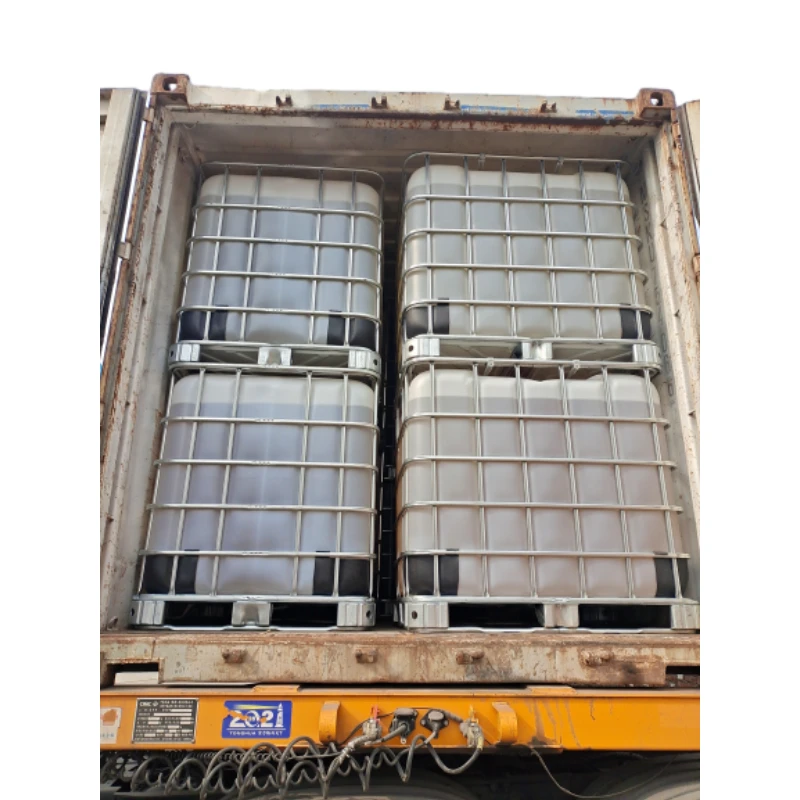
view more DiethanolisopropanolamineIn the ever-growing field of chemical solutions, diethanolisopropanolamine (DEIPA) stands out as a versatile and important compound. Due to its unique chemical structure and properties, DEIPA is of interest to various industries including construction, personal care, and agriculture. -
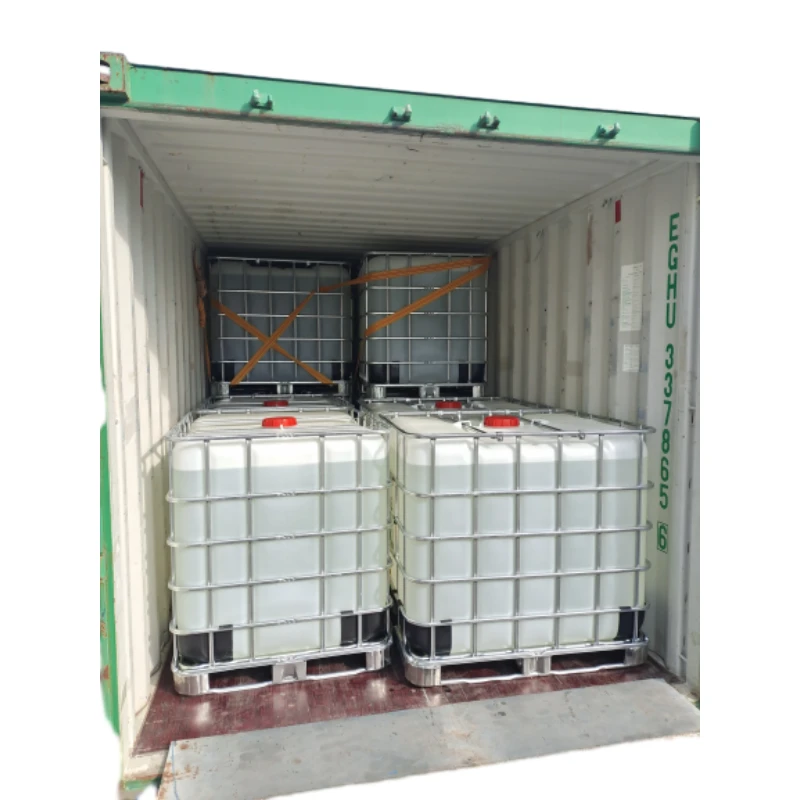
view more TriisopropanolamineTriisopropanolamine (TIPA) alkanol amine substance, is a kind of alcohol amine compound with amino and alcohol hydroxyl, and because of its molecules contains both amino and hydroxyl. -

view more Tetramethyl Thiuram DisulfideTetramethyl thiuram disulfide, also known as TMTD, is a white to light-yellow powder with a distinct sulfur-like odor. It is soluble in organic solvents such as benzene, acetone, and ethyl acetate, making it highly versatile for use in different formulations. TMTD is known for its excellent vulcanization acceleration properties, which makes it a key ingredient in the production of rubber products. Additionally, it acts as an effective fungicide and bactericide, making it valuable in agricultural applications. Its high purity and stability ensure consistent performance, making it a preferred choice for manufacturers across various industries.