





Comprehensive Guide to Acidity Regulator E260 — Benefits & Applications
Understanding Acidity Regulator E260: Why It Matters Worldwide
Ever wondered why some foods stay fresh longer, or why certain beverages have that crisp, balanced taste? At the heart of it lies something called acidity regulator E260, a humble yet crucial food additive. Though it sounds like a technical snooze, this little compound plays a giant role globally — ensuring food safety, enhancing shelf life, and even aiding nutrition. In a world where food demand surges alongside concerns about waste, spoilage, and safety, understanding what acidity regulators do isn’t just for chemists — it’s for everyone who enjoys a meal. And frankly, the more you know, the better you appreciate the invisible helpers humbling your favourite foods.
The Global Context: Why Acidity Regulator E260 is Essential Today
The global food industry, valued at trillions of dollars, depends heavily on additives that ensure products are stable, safe, and consistent. According to reports by the Food and Agriculture Organization (FAO), food spoilage accounts for roughly one-third of all produced food going to waste worldwide — a staggering statistic. Acid regulators, like E260, play an unsung role in combating this waste by controlling pH levels, inhibiting microbial growth, and preserving taste. Particularly in regions with challenging climates or less reliable refrigeration, acidity regulators become key allies.
Oddly enough, the impact goes beyond food safety. Regulatory bodies such as the European Food Safety Authority (EFSA) and Codex Alimentarius have listed E260 as safe within defined limits, which has helped standardize food processing globally. The tricky challenge? Balancing effective usage without compromising natural flavor or nutritional value.
So, What Exactly is Acidity Regulator E260?
Simply put, acidity regulator E260 is acetic acid, or more commonly — vinegar in its purest form. It’s a naturally occurring acid used to adjust or stabilize the acidity (pH) in foods. That’s why it appears frequently on ingredient labels, often hidden behind the "E" code to comply with international food additive classifications. The “260” actually comes from its assigned number in the European Union food additive list.
Modern food processing owes plenty to E260 because it’s versatile, biodegradable, and generally recognized as safe (GRAS) by the FDA. Beyond preserving food, it also works in humanitarian aid, where shelf-stable, nutrition-preserving foods are critical in disaster relief or emergency rations.
Main Components & Practical Roles of Acidity Regulator E260
1. pH Control
E260 helps maintain a consistent pH in food, crucial because many bacteria and molds can’t survive or multiply in acidic environments. This is why pickles, sauces, and canned products often owe their longevity to this chemical balancing act.
2. Food Preservation
Through inhibition of spoilage organisms and pathogens, acetic acid extends shelf life. It's a natural alternative to synthetic preservatives, which is attractive for organic or “clean label” products.
3. Flavor Enhancement
Besides safety, E260 adds that mild tang you find in salad dressings or marinades. It’s subtle, but it balances sweetness and bitterness nicely.
4. Industrial Versatility
Beyond food, E260 sees use in industrial processes like leather tanning and as a cleaning agent, showcasing its multifunctionality.
5. Safety Profile
Regulatory bodies worldwide approve E260 for use, provided consumption stays within recommended limits — usually low enough not to pose any risk.
Mini takeaway:
Acidity regulator E260 isn’t just vinegar on paper—it's a multi-role player vital to food safety, flavor, and shelf life worldwide.
Applications of Acidity Regulator E260 Across the Globe
It's fascinating how something so simple is woven into diverse scenarios globally. In Southeast Asia, acid regulation helps keep tropical fruits fresher during transport. European fermented foods like sauerkraut lean on its preservative qualities. Camping-friendly packaged meals in North America rely on E260 for a longer and safer shelf life.
In humanitarian contexts — think post-disaster relief operations in regions like sub-Saharan Africa or South Asia — acidity regulators ensure food aid can survive harsh conditions without refrigeration. Even countries with remote industrial zones where supply chains are patchy depend on acidity regulators in processed foods.
Mini takeaway:
From artisan kitchens to disaster relief camps, acidity regulator E260’s reach translates into safer, tastier, and longer-lasting foods practically everywhere.
Advantages and Long-Term Benefits of Using Acidity Regulator E260
- Cost-Effectiveness: Its relatively low price and effectiveness make food production more affordable.
- Sustainability: Being biodegradable limits environmental footprint versus synthetic additives.
- Health & Safety: Helps reduce foodborne illness risks thanks to controlled acidity.
- Consumer Trust: Familiar, naturally derived ingredient, enhancing brand loyalty.
- Innovation Catalyst: Enables development of clean-label, naturally preserved foods.
Beyond dollars and cents, these intangible values play into how companies differentiate themselves in the ever-crowded food market. Consumers want transparency, safety, and a connection to tradition — and acidity regulator E260 helps deliver that.
Product Specification Table: Typical Acidity Regulator E260 Properties
| Property | Specification |
|---|---|
| Chemical Name | Acetic Acid |
| E Number | E260 |
| Purity | ≥ 99.8% |
| Appearance | Colorless liquid |
| Solubility | Miscible with water |
| Odor | Pungent vinegar-like |
| Density (20°C) | 1.05 g/cm³ |
Comparing Key Vendors of Acidity Regulator E260
| Vendor | Purity (%) | Certifications | Typical Price | Global Shipping |
|---|---|---|---|---|
| Tenger Chemical | ≥ 99.9 | ISO 22000, FDA | Competitive | Yes |
| Global Additives Inc. | ≥ 99.7 | GMP, Halal | Moderate | Limited |
| Eco Food Chemicals | ≥ 99.5 | Organic Certification | Higher | Yes |
Emerging Trends & The Future of Acidity Regulation
Industry insiders hint at a rising trend toward "natural" and "clean label" additive solutions — meaning acidity regulators sourced from organic materials or produced via greener methods. Digital tracking technologies and blockchain are also being explored to ensure quality and origin verification within supply chains, particularly for critical food additives like E260.
Moreover, blending traditional additives like E260 with natural preservatives (e.g., rosemary extracts or citric acid) is gathering momentum to reduce the total chemical load. Surprisingly, biotechnological advances allow microbial production of acetic acid at scale, promising lower environmental impact. These innovations mean safer, greener, and smarter food manufacturing could be just around the corner.
Challenges and How Industry Experts Overcome Them
Despite many upsides, using acidity regulator E260 is not without complexities. Over-acidification can spoil taste or texture; underusing it risks ineffective preservation. Batch variability or supplier inconsistency sometimes cause headaches. Plus, regulatory compliance across countries can be a maze.
Experts suggest rigorous quality testing, partnering with certified suppliers (like Tenger Chemical), and investing in process automation as key solutions. That way, manufacturers maintain consistent acidity levels, optimization, and compliance without breaking a sweat.
FAQ: Practical Questions About Acidity Regulator E260
Q1: Is acidity regulator E260 safe for daily consumption?
Yes, when used within internationally accepted limits, acetic acid (E260) is considered safe. Most countries regulate maximum levels to prevent adverse effects. It’s the same acid found in vinegar, commonly consumed worldwide.
Q2: How does E260 affect food taste?
E260 adds a mild, tangy flavor that can enhance food products like sauces and dressings. However, improper use can lead to excessive sourness, so manufacturers carefully balance the quantity.
Q3: Can acidity regulator E260 be used in organic foods?
Yes, but the source and processing methods must comply with organic certification standards. Some producers rely on naturally derived acetic acid to meet organic criteria.
Q4: Does E260 require special storage conditions?
Being a liquid acid, it should be stored in airtight containers away from heat and sunlight to maintain purity and effectiveness.
Q5: How do I purchase high-quality acidity regulator E260 for my business?
Contact reputable suppliers with industry certifications. For example, Tenger Chemical offers high purity and global shipping options for various industries.
Wrapping It Up: Why Acidity Regulator E260 Deserves Your Attention
So, next time you enjoy a tangy pickle or a crisp salad dressing, remember E260’s quiet but crucial contribution. It’s more than a food additive—it's a global ingredient helping reduce waste, enhance flavors, and improve food safety in industries and households worldwide.
For businesses aiming to harness the benefits of quality acidity regulation, partnering with trusted suppliers like acidity regulator e260 specialists can make all the difference. Explore more, stay informed, and keep your products safe and delicious.
References
-
The Essential Guide to Sorbates as Food Preservatives for SafetyNewsApr.16,2026
-
The Ultimate Guide to Sorbate Preservative in Modern IndustryNewsApr.09,2026
-
Comprehensive Guide to Sodium Stearoyl Lactylate Emulsifier Applications and BenefitsNewsApr.07,2026
-
Comprehensive Guide to Sodium Cyclamate Sweetener Properties and ApplicationsNewsApr.04,2026
-
Comprehensive Guide to Sodium Citrate Food Additive and Its ApplicationsNewsMar.31,2026
-
Comprehensive Guide to Sodium Bicarbonate Food Additive Applications and BenefitsNewsMar.28,2026
-
Understanding Sodium Benzoate Preservative in Cosmetics and Its ApplicationsNewsMar.26,2026
Hebei Tenger Chemical Technology Co., Ltd. focuses on the chemical industry and is committed to the export service of chemical raw materials.
-
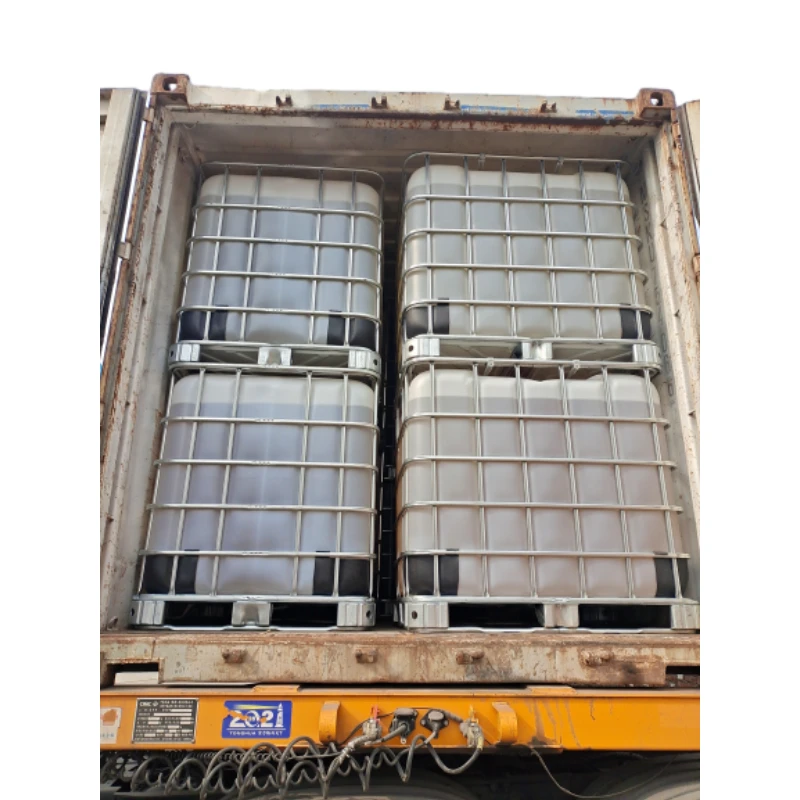
view more DiethanolisopropanolamineIn the ever-growing field of chemical solutions, diethanolisopropanolamine (DEIPA) stands out as a versatile and important compound. Due to its unique chemical structure and properties, DEIPA is of interest to various industries including construction, personal care, and agriculture. -
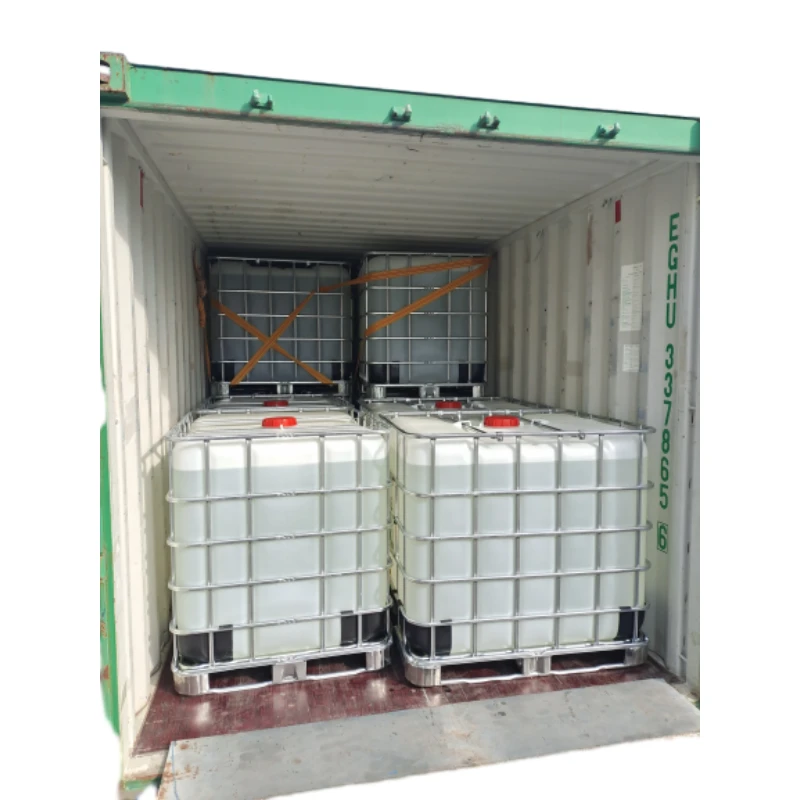
view more TriisopropanolamineTriisopropanolamine (TIPA) alkanol amine substance, is a kind of alcohol amine compound with amino and alcohol hydroxyl, and because of its molecules contains both amino and hydroxyl. -

view more Tetramethyl Thiuram DisulfideTetramethyl thiuram disulfide, also known as TMTD, is a white to light-yellow powder with a distinct sulfur-like odor. It is soluble in organic solvents such as benzene, acetone, and ethyl acetate, making it highly versatile for use in different formulations. TMTD is known for its excellent vulcanization acceleration properties, which makes it a key ingredient in the production of rubber products. Additionally, it acts as an effective fungicide and bactericide, making it valuable in agricultural applications. Its high purity and stability ensure consistent performance, making it a preferred choice for manufacturers across various industries.