





Comprehensive Guide to Additives and Preservatives Used in Food Processing
Understanding Additives and Preservatives Used in Food Processing: Why They Matter Worldwide
At first glance, additives and preservatives used in food processing might seem like just chemical names on labels, but their impact spans the globe in ways we often overlook. With a growing population and evolving food demands, keeping food safe, fresh, and nutritious during transportation and storage is critical — and that’s where these substances step in. Simply put, they extend shelf life, maintain quality, and prevent contamination. Yet, the complexity of their role, especially in different cultures and regulatory environments, makes understanding them a vital part of global food security.
Global Context: The Growing Role of Food Additives and Preservatives
According to the United Nations' Food and Agriculture Organization (FAO), nearly a third of all food produced worldwide is lost or wasted. One big culprit—spoilage during transport and storage—can be minimized by effective use of additives and preservatives. These compounds help keep food viable from farm to table, especially important as global food supply chains become longer and more complex. Food manufacturers worldwide use these substances not just for convenience, but as a crucial tool to meet regulations and reduce waste.
To put this into perspective, the global market for food preservatives alone was valued at over $4.4 billion in 2022 and is expected to exceed $6 billion by 2027 (source: Mordor Intelligence). This growth is fueled by demand in Asia-Pacific, North America, and Europe, where consumers prefer longer-lasting, ready-to-eat products that remain safe for consumption.
However, it’s not all smooth sailing. There's rising consumer skepticism and stricter food safety regulations that challenge the industry to innovate smarter, cleaner, and safer alternatives.
Mini Takeaway:
Additives and preservatives are critical for reducing food waste globally and ensuring food safety, especially in an increasingly complex supply chain. The industry faces a balancing act between demand, regulation, and consumer trust.
What Exactly Are Additives and Preservatives Used in Food Processing?
Simply put, food additives are substances added to food to enhance flavor, appearance, texture, or storage life. Preservatives are a subtype that specifically prevent spoilage from microbes or chemical changes. Think of them as the behind-the-scenes guardians of your groceries, working quietly to keep things from going bad. Common examples include antioxidants like ascorbic acid (Vitamin C), antimicrobials such as sodium benzoate, and stabilizers like lecithin.
In the modern food industry, these compounds aren’t just for convenience; they also play humanitarian roles. For instance, in famine-prone regions or disaster relief efforts, preservatives can ensure food remains nutritious and edible for longer periods when refrigeration is limited. They bridge the gap between harvesting and consumption, especially in remote or underserved areas.
Core Factors of Additives and Preservatives and What They Mean for Industry Use
1. Durability and Shelf-Life Extension
Preservatives delay microbial growth and oxidation, effectively extending the useful life of food products. This means less spoilage and fewer returns or waste—a practical advantage for food producers and retailers.
2. Regulatory Compliance
The type and amount of additives used must adhere to international and local regulations (like those from the FDA, EFSA, or Codex Alimentarius). Navigating this ensures products can be marketed worldwide without legal issues.
3. Safety and Acceptability
While safety standards are strict, consumer perception of "chemical additives" can be wary. Choosing additives with proven safety profiles, or naturally-derived options, helps maintain trust.
4. Cost Efficiency
Effective additives can reduce costs by lowering product loss and improving storage logistics. However, premium natural preservatives may increase cost, requiring an informed business decision.
5. Sensory Attributes
Effective additives preserve or enhance taste, color, texture—ensuring consumers still enjoy the product’s intended qualities.
6. Scalability and Versatility
Additives and preservatives need to be adaptable for different food types and production scales, from artisanal to industrial.
Mini Takeaway:
Choosing the right additives balances durability, safety, consumer preference, and cost—each one a pillar supporting successful food processing.
Common Additives and Preservatives: Specification Overview
| Additive/Preservative | Purpose | Common Food Applications | Safety Status |
|---|---|---|---|
| Sodium Benzoate | Antimicrobial | Beverages, sauces, pickles | Generally Recognized As Safe (GRAS) |
| Ascorbic Acid (Vitamin C) | Antioxidant | Fruit juices, canned fruits | Allowed globally, natural origin |
| Citric Acid | Acidity regulator, preservative | Soft drinks, jams | Safe per FDA and EU |
| Calcium Propionate | Mold inhibitor | Baked goods | Approved by most regulators |
Global Applications: Real-World Examples of Additive and Preservative Use
The reach of these food-processing aids transcends borders and food types. For instance, large-scale food manufacturers in North America rely heavily on antimicrobials to keep pre-packaged meals edible during multi-day shipments. In Europe, natural preservatives like rosemary extracts are gaining popularity as “clean label” alternatives. Meanwhile, in Asia-Pacific, where tropical climates accelerate spoilage, antioxidants and mold inhibitors are a staple to safeguard staples like noodles and snacks.
Humanitarian organizations working in disaster relief often use nutrient-fortified foods containing preservatives that ensure long shelf life and minimal spoilage — critical in places lacking refrigeration. Similarly, military rations rely heavily on these compounds to maintain safety and taste over extended periods.
Vendor Comparison of Popular Food Preservatives
| Supplier | Products Offered | Sustainability Focus | Global Reach | Typical Clients |
|---|---|---|---|---|
| Tenger Chemical | Wide range: antimicrobials, antioxidants | Yes – eco-friendly options | Asia, Europe, Americas | Food processors, exporters |
| Sigma-Aldrich | Specialty preservatives, research grade | Moderate | Worldwide | R&D labs, specialty food producers |
| Cargill | Natural additives & preservatives | High – focus on natural products | Global | Large food brands |
Benefits and Long-Term Value of Food Additives and Preservatives
There’s a lot to gain from using additives and preservatives:
- Cost savings: Less discarded food means less wasted money and resources.
- Food safety: Preventing harmful bacteria growth protects consumers’ health.
- Environmental sustainability: By extending shelf life, additives reduce food waste, indirectly lowering environmental pressure.
- Brand integrity: Consistently good quality fosters consumer trust and loyalty.
- Social impact: Reliable food availability upholds dignity and nutrition, especially in vulnerable communities.
It’s a fascinating blend of technology and humanity—a chemical shield that quietly supports wellbeing worldwide.
Emerging Trends and Innovations in Food Additives and Preservatives
The future is green and digital. Scientists are developing natural preservatives extracted from plants, algae, and microbes to replace synthetic options, motivated by consumer demand for “clean labels.” Meanwhile, advances in nanotechnology offer potential for better-targeted preservation techniques, increasing efficiency and reducing quantities needed.
Automation and AI are starting to help manufacturers optimize additive levels tailored to product types, packaging, and expected transport conditions. Additives linked to health benefits, such as probiotics or nutraceuticals, blur the boundary between preservation and nutrition.
Challenges in the Industry and How They’re Being Tackled
Despite progress, the industry faces hurdles:
- Consumer mistrust: Greater education and transparency can help demystify additives.
- Regulatory hurdles: Global harmonization of rules is slow but necessary for smoother trade.
- Technical limitations: Some natural preservatives have shorter shelf lives or different sensory impacts, requiring formulation tweaks.
Leading companies invest heavily in R&D to create safer, more natural, and cost-effective additives, moving most promising experimental technologies into commercial use.
FAQ: Common Questions About Additives and Preservatives Used in Food Processing
Q: Are all food additives harmful?
A: Not at all. Many additives and preservatives are thoroughly tested and approved by regulatory agencies worldwide. They are used in small amounts that are safe for human consumption. However, consumers concerned about synthetic additives can often find natural alternatives.
Q: Can preservatives cause allergic reactions?
A: In rare cases, some individuals may have sensitivities or allergies to specific additives. It is important to check product labels and consult healthcare providers if you have concerns.
Q: How do additives affect the taste and texture of food?
A: Good-quality additives are designed to maintain or improve sensory qualities, ensuring that taste, smell, and texture stay close to natural or desired states even after long storage.
Q: How important is regulation in controlling additives?
A: Extremely important. Regulations ensure that only safe additives at defined levels are allowed, protecting public health and harmonizing international trade standards.
Q: Can I find organic or natural preservatives easily?
A: Yes, the market is expanding rapidly for natural and organic food preservatives, with suppliers like Tenger Chemical offering eco-conscious options that meet rising demand.
Wrapping Up: Why Additives and Preservatives Are Vital in Today’s Food World
From battling spoilage to enhancing food safety, additives and preservatives used in food processing form the backbone of how modern societies enjoy fresh, safe, and nutritious food every day. While challenges remain, the trajectory is optimistic: toward safer, greener, and smarter solutions. For manufacturers, understanding the delicate balance of cost, efficacy, consumer preference, and regulation is key to staying competitive and ethical.
Curious to learn more or source quality additives? Visit Tenger Chemical for in-depth expertise and solutions tailored to your needs.
References
-
The Essential Guide to Sorbates as Food Preservatives for SafetyNewsApr.16,2026
-
The Ultimate Guide to Sorbate Preservative in Modern IndustryNewsApr.09,2026
-
Comprehensive Guide to Sodium Stearoyl Lactylate Emulsifier Applications and BenefitsNewsApr.07,2026
-
Comprehensive Guide to Sodium Cyclamate Sweetener Properties and ApplicationsNewsApr.04,2026
-
Comprehensive Guide to Sodium Citrate Food Additive and Its ApplicationsNewsMar.31,2026
-
Comprehensive Guide to Sodium Bicarbonate Food Additive Applications and BenefitsNewsMar.28,2026
-
Understanding Sodium Benzoate Preservative in Cosmetics and Its ApplicationsNewsMar.26,2026
Hebei Tenger Chemical Technology Co., Ltd. focuses on the chemical industry and is committed to the export service of chemical raw materials.
-
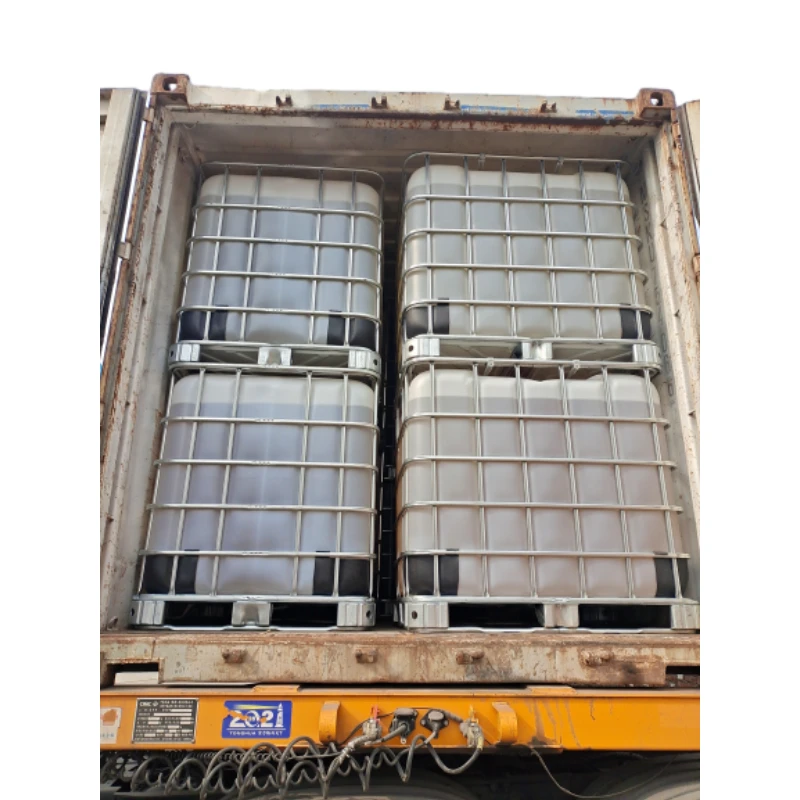
view more DiethanolisopropanolamineIn the ever-growing field of chemical solutions, diethanolisopropanolamine (DEIPA) stands out as a versatile and important compound. Due to its unique chemical structure and properties, DEIPA is of interest to various industries including construction, personal care, and agriculture. -
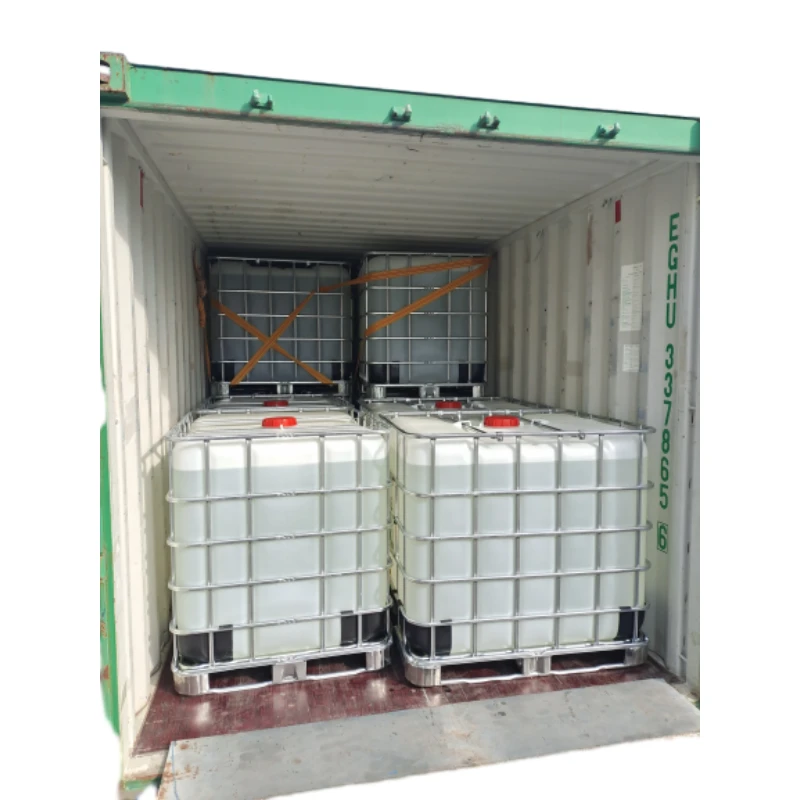
view more TriisopropanolamineTriisopropanolamine (TIPA) alkanol amine substance, is a kind of alcohol amine compound with amino and alcohol hydroxyl, and because of its molecules contains both amino and hydroxyl. -

view more Tetramethyl Thiuram DisulfideTetramethyl thiuram disulfide, also known as TMTD, is a white to light-yellow powder with a distinct sulfur-like odor. It is soluble in organic solvents such as benzene, acetone, and ethyl acetate, making it highly versatile for use in different formulations. TMTD is known for its excellent vulcanization acceleration properties, which makes it a key ingredient in the production of rubber products. Additionally, it acts as an effective fungicide and bactericide, making it valuable in agricultural applications. Its high purity and stability ensure consistent performance, making it a preferred choice for manufacturers across various industries.