





Comprehensive Guide to Additives in Food Processing and Preservation
Understanding Additives in Food Processing and Preservation: Why It Matters Worldwide
Food additives in processing and preservation might sound like a technical niche, but they actually weave through the daily lives of every one of us. Globally, these ingredients help keep our food safe, tasty, and accessible, especially as supply chains stretch across continents and fresh food demands rise. From preventing spoilage in humid tropical climates to enhancing nutritional value on grocery shelves, the benefits run deep.
Why should you pay attention? Well, aside from personal health—which is top priority—understanding the role and regulation of additives can clear up myths and fears. It’s not just about chemicals lurking in food but about how the food industry sustains billions of people, reduces food waste, and innovates to feed a growing planet. Oddly enough, without these additives, your favorite chocolate bar might not last beyond a few weeks, or that fresh salad mix might turn mushy fast.
So, yeah, getting a grip on additives in food processing and preservation is kind of essential whether you’re a consumer, professional, or just curious about global food systems.
Global Relevance: The Food Industry’s Secret Weapon
According to the Food and Agriculture Organization (FAO) of the UN, roughly one-third of food produced globally—about 1.3 billion tons—is wasted annually. A big chunk of that comes down to spoilage and degradation during storage, transport, or sale. This is where additives become lifesavers.
Worldwide, from bustling urban markets in Asia to remote villages in Africa, additives keep food edible longer, often without refrigeration. The World Bank also notes that as populations urbanize and demand more processed foods, manufacturers increasingly rely on preservatives, stabilizers, and texture enhancers to meet sustainability and safety goals.
Yet, the topic is not without challenges. Over-processing and unclear labeling have led to consumer skepticism, while regulators continue to balance innovation with public safety. This makes understanding additives not just an industry concern but a societal dialogue.
What Exactly Are Additives in Food Processing and Preservation?
In simple terms, food additives are substances added intentionally to food during processing to perform specific functions—like prolonging shelf life, improving texture, enhancing flavor, or preventing microbial growth. They can be natural (think: ascorbic acid aka Vitamin C) or synthetic (like certain preservatives).
Modern food production, especially to feed huge urban populations and emergencies, depends on these compounds. Without additives, it’d be practically impossible to deliver fresh steamed rice from a factory in Thailand to a supermarket in London with the same qualities.
Mini Takeaway:
- Food additives serve multiple roles: preservation, safety, sensory appeal.
- They are vital for both everyday convenience and large-scale humanitarian food aid.
Key Factors in Using Additives Effectively
1. Durability and Shelf Life Extension
Preservatives like sorbates and nitrites inhibit microbial growth and oxidation, keeping products safe longer. This reduces food waste significantly, especially in warm climates where spoilage is swift.
2. Scalability for Mass Production
Because food production often runs at massive scale, additives must be reliable and consistent across batches—from sauces to baked goods—ensuring quality remains uniform.
3. Cost Efficiency
Additives help manufacturers reduce product loss and optimize supply chains. In turn, some of these savings can translate to lower food prices for consumers.
4. Regulatory Compliance and Safety
Strict legislation by ISO, FDA, and EFSA means additives are rigorously tested for safety. Manufacturers must stay up to date with changing standards and avoid substances banned or limited in certain countries.
5. Sensory Impact: Taste, Texture, Appearance
Beyond preservation, additives improve food’s appeal—think emulsifiers creating creamy dressings or colorants restoring natural hues lost during processing.
Mini Takeaway:
- Effectiveness of additives is judged not just by preservation but functional benefits like scaling and consumer acceptance.
Global Applications and Real-World Examples
It’s fascinating how additives shape food availability across diverse contexts:
- Post-disaster relief: In emergency rations, preservatives allow nutrient-dense meals to last months without refrigeration, critical in areas with compromised infrastructure.
- Developing countries: Salt, sugar, and simple antioxidants extend shelf life where cold chains aren’t reliable. This supports food security for vulnerable populations.
- Processed snacks in North America and Europe: Stabilizers and flavor enhancers keep products consistent and enjoyable, thriving in competitive, taste-driven markets.
- Organic and "clean label" trends: Natural additives like rosemary extract or citric acid gain popularity as consumers seek “simpler” ingredient lists without compromising safety.
Additives’ Advantages and Long-Term Value
Frankly, the benefits are huge:
- Cost Savings: Less wasted food means more affordable groceries, especially in developing regions.
- Sustainability: Extending product life reduces landfill waste and conserves resources.
- Safety and Trust: Proper use avoids contamination risks and builds consumer confidence.
- Social Impact: Enables stable food supplies during crises, supporting dignity and health.
- Innovation: New additives allow cutting-edge products—fortified foods, better flavors, and textures—opening fresh markets.
Looking Ahead: Trends and Innovations in Food Additives
We’re in the middle of a transformation. The future of food preservatives and processing aids will increasingly revolve around sustainability and technology:
- Green additives: Biodegradable and plant-based preservatives are replacing synthetic chemicals.
- Digital food safety monitoring: Sensors and blockchain trace additives’ impact in real-time.
- Personalized nutrition: Additives tailored to specific dietary needs or allergies.
- Automation & AI: Optimizing additive use to minimize waste and maximize safety.
Challenges in Additive Usage and Potential Solutions
Not everything about additives is rosy, though. Common issues include:
- Consumer mistrust: Some people fear “chemical” additives without understanding their role.
- Regulatory complexity: Diverse rules make multinational production tricky.
- Health concerns: Overuse or improper labeling can cause allergic reactions or sensitivity.
Industry insiders advocate for transparent labeling and education campaigns. Also, innovations in testing and natural ingredient sourcing help alleviate these concerns.
Product Specification Table: Typical Food Additives Example
| Additive | Function | Example Use | Source | Regulatory Status |
|---|---|---|---|---|
| Ascorbic Acid (Vitamin C) | Antioxidant | Preserving color in cured meats | Natural or synthetic | Generally recognized as safe (GRAS) |
| Sodium Benzoate | Preservative (antimicrobial) | Soft drinks, fruit juices | Synthetic | Approved in many regions, max limit applies |
| Lecithin | Emulsifier | Chocolate, baked goods | Natural (soy, egg) | Generally recognized as safe |
| Citric Acid | pH control, antioxidant | Beverages, jams | Natural fermentation | Widely approved |
Vendor Comparison Table: Leading Additive Suppliers
| Supplier | Specialty | Global Reach | Certifications | Sustainability Initiatives |
|---|---|---|---|---|
| Tenger Chemical | Natural antioxidants and preservatives | Asia, Europe, Americas | ISO 9001, FSSC 22000 | Biodegradable sourcing, low emission plants |
| Global Food Additives Inc. | Artificial preservatives, emulsifiers | Global | FDA, EFSA approvals | Recycling programs, energy efficiency |
| Nature’s Mix Ltd. | Organic-certified preservatives | Europe, North America | Organic, Non-GMO | Sustainable farming partnerships |
Frequently Asked Questions About Additives in Food Processing and Preservation
- Q: Are food additives safe for regular consumption?
- A: Most additives used today are rigorously tested by regulatory agencies like FDA or EFSA to ensure safety at specified levels. However, moderation is key, and it’s advisable to check product labels if you have allergies or sensitivities.
- Q: How do additives help reduce food waste?
- Additives like preservatives slow down spoilage caused by microbes and oxidation, extending shelf life and reducing the chances that food has to be discarded due to mold or taste deterioration.
- Q: Are natural additives better than synthetic ones?
- Not necessarily. Both natural and synthetic additives can be safe and effective. Natural additives may appeal more to some consumers, but synthetic options often have more consistent quality and cost-effectiveness.
- Q: Can additives help with emergency food supplies?
- Absolutely. Additives allow emergency rations to remain stable without refrigeration for long periods, which is vital in disaster relief scenarios where storage infrastructure is limited.
- Q: How can I learn more about additives used in food manufacturing?
- Many reputable sources exist—organizations like the ISO, FAO, and scientific publications offer extensive materials. Also, companies like Tenger Chemical provide detailed product info and insights.
Wrapping It Up: Why Additives Matter Now and For the Future
In real terms, without additives in food processing and preservation, modern life would look very different. They bolster food security, reduce waste, and deliver consistent quality to markets worldwide. As innovation continues, especially toward green chemistry and smarter monitoring, their role will only grow.
If you want to dive deeper into the fascinating world of additives, or you’re a food manufacturer looking for reliable suppliers and solutions, consider visiting our website for comprehensive resources and products that put safety and sustainability first.
References
-
The Essential Guide to Sorbates as Food Preservatives for SafetyNewsApr.16,2026
-
The Ultimate Guide to Sorbate Preservative in Modern IndustryNewsApr.09,2026
-
Comprehensive Guide to Sodium Stearoyl Lactylate Emulsifier Applications and BenefitsNewsApr.07,2026
-
Comprehensive Guide to Sodium Cyclamate Sweetener Properties and ApplicationsNewsApr.04,2026
-
Comprehensive Guide to Sodium Citrate Food Additive and Its ApplicationsNewsMar.31,2026
-
Comprehensive Guide to Sodium Bicarbonate Food Additive Applications and BenefitsNewsMar.28,2026
-
Understanding Sodium Benzoate Preservative in Cosmetics and Its ApplicationsNewsMar.26,2026
Hebei Tenger Chemical Technology Co., Ltd. focuses on the chemical industry and is committed to the export service of chemical raw materials.
-
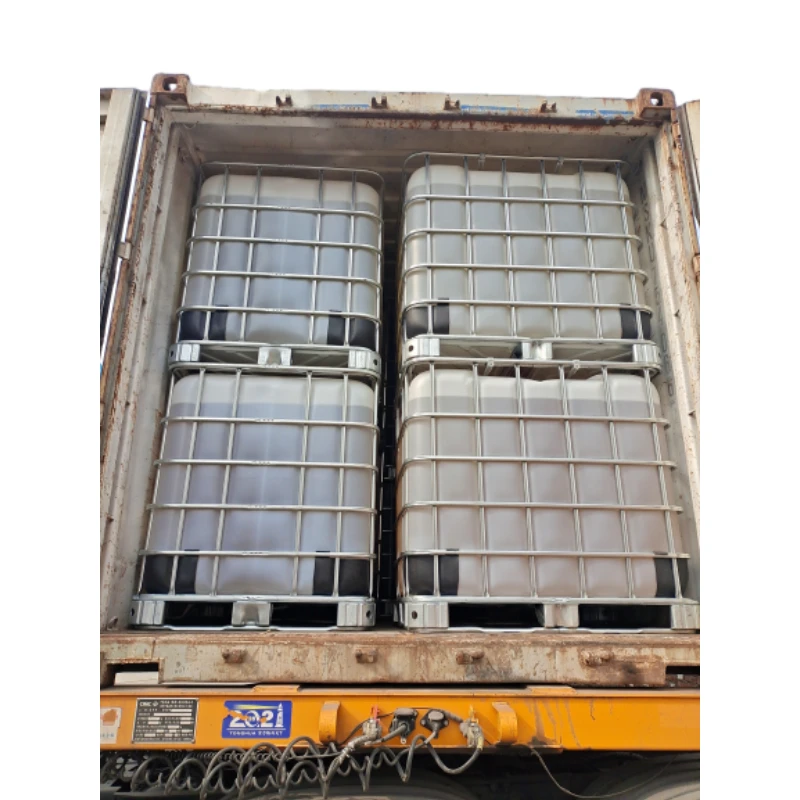
view more DiethanolisopropanolamineIn the ever-growing field of chemical solutions, diethanolisopropanolamine (DEIPA) stands out as a versatile and important compound. Due to its unique chemical structure and properties, DEIPA is of interest to various industries including construction, personal care, and agriculture. -
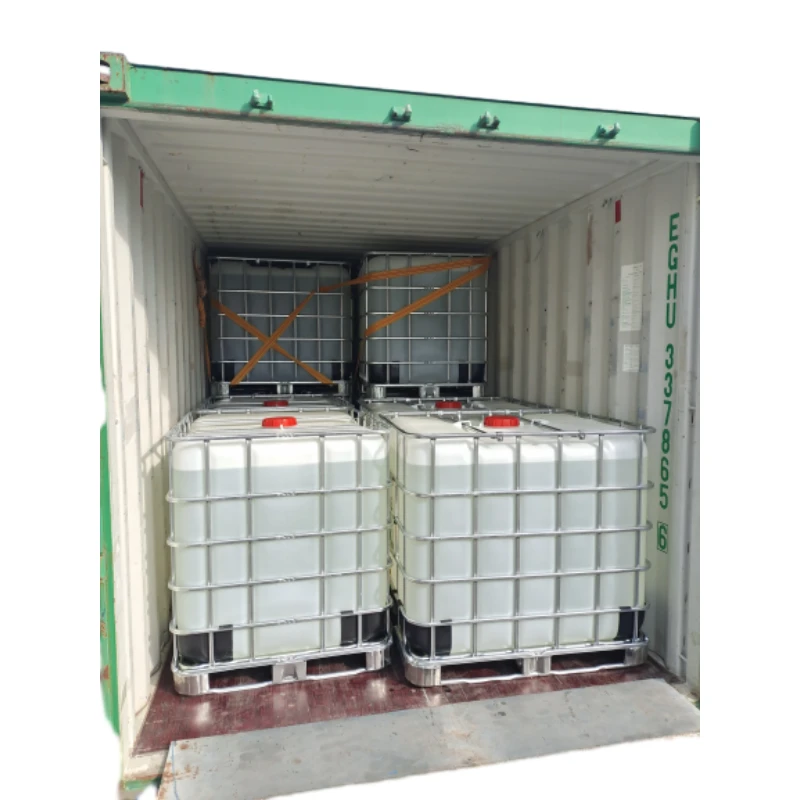
view more TriisopropanolamineTriisopropanolamine (TIPA) alkanol amine substance, is a kind of alcohol amine compound with amino and alcohol hydroxyl, and because of its molecules contains both amino and hydroxyl. -
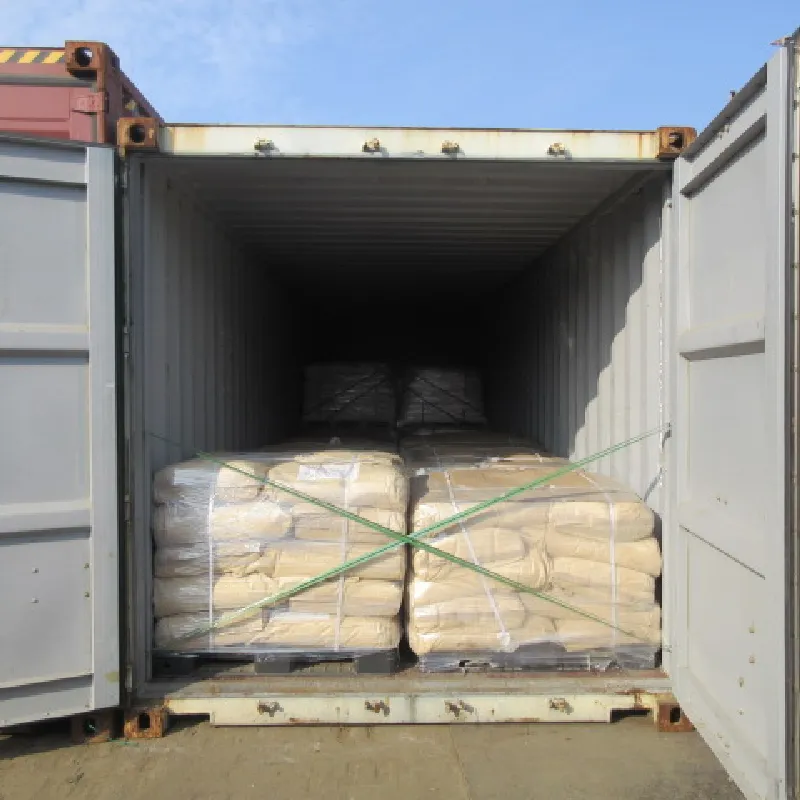
view more Tetramethyl Thiuram DisulfideTetramethyl thiuram disulfide, also known as TMTD, is a white to light-yellow powder with a distinct sulfur-like odor. It is soluble in organic solvents such as benzene, acetone, and ethyl acetate, making it highly versatile for use in different formulations. TMTD is known for its excellent vulcanization acceleration properties, which makes it a key ingredient in the production of rubber products. Additionally, it acts as an effective fungicide and bactericide, making it valuable in agricultural applications. Its high purity and stability ensure consistent performance, making it a preferred choice for manufacturers across various industries.