





Comprehensive Guide to Antioxidant Preservatives: Benefits, Applications, and Trends
Why Antioxidant Preservatives Matter in Our Global Industry
At first glance, “antioxidant preservative” might sound like something only chemists or food scientists worry about, but it’s actually a cornerstone concept with ripple effects across countless industries worldwide. Simply put, antioxidant preservatives slow down the oxidation process—think of it as a rust inhibitor for food, cosmetics, plastics, and even pharmaceuticals. Given that oxidation drives spoilage, discoloration, and loss of efficacy, understanding these preservatives isn’t just a lab technique; it represents enormous savings, sustainability gains, and safety improvements on a global scale.
From the global food supply chains that feed 8 billion people to the delicate medications needed for healthcare worldwide, antioxidant preservatives secure quality and extend product life. So, you’re not just preventing food waste or stabilizing chemicals—you’re also playing a role in climate-friendly practices and economic efficiency.
The Global Context: Why Antioxidant Preservatives Are More Relevant Than Ever
World production and consumption trends underscore a surging reliance on antioxidant preservatives. According to ISO standards and Food and Agriculture Organization (FAO) statistics, approximately 30-40% of global food waste occurs during storage and transportation, much of which could be mitigated by effective antioxidant use. Meanwhile, the global cosmetics and pharmaceutical industries—which together are expected to surpass $1.5 trillion by 2027—depend heavily on these preservatives to maintain product integrity during shipping and shelf life.
But here’s the catch: oxidation doesn't just spoil products; it can create harmful byproducts, raising safety and environmental concerns. So, we’re in a bit of a race to design antioxidant preservatives that are not only effective but also sustainable and legally compliant across various regions.
antioxidant preservative solutions today address multiple challenges—ranging from temperature fluctuations in remote supply chains to meeting stricter regulations on chemical additives. Without them, much of the modern supply chain might falter or become wasteful.
What Exactly Is an Antioxidant Preservative?
Put simply, an antioxidant preservative is a substance added to products to delay oxidation. Oxidation is a chemical reaction where molecules lose electrons, often to oxygen, causing degradation such as rancidity in oils or browning in fruits. This reaction not only spoils products but can also reduce their efficacy and safety.
Antioxidant preservatives act by neutralizing free radicals or oxygen, effectively pausing or slowing down that destructive process. In food, these compounds preserve freshness, flavor, and nutritional value. In cosmetics or plastics, they prevent discoloration and material brittleness. And in pharmaceuticals, they help maintain medicinal potency.
Considering the supply chain complexities and long storage durations in today’s world, antioxidant preservatives serve as silent guardians behind many products we rely on daily.
Core Aspects of Antioxidant Preservatives
1. Efficacy and Stability
The primary metric is how well the antioxidant preservative delays oxidation, especially under variable storage conditions like humidity, heat, or light exposure. High-efficacy antioxidants can extend shelf life by months or even years, which is pivotal for products shipped internationally.
2. Compatibility with Product Types
Not all antioxidants suit every substrate. For example, lipid-soluble antioxidants work best in oils and fats, while water-soluble variants target aqueous systems. Choosing the right preservative based on product chemistry is critical to avoiding unwanted reactions.
3. Regulatory Compliance
Different countries and industries impose strict regulations on allowable preservatives. For instance, the FDA and EU have lists of approved antioxidant preservatives with concentration limits. Navigating this regulatory maze is part science, part art.
4. Safety and Environmental Impact
Increasing focus on “green chemistry” means that antioxidants must not only be effective but also environmentally benign, non-toxic, and biodegradable wherever possible. I noticed that newer formulations often replace controversial chemicals with natural plant-derived antioxidants like tocopherols.
5. Cost Efficiency
Obviously, the preservative must be cost-effective to make commercial sense. This includes evaluating dosage requirements, integration into production processes, and the cost savings from reduced waste.
6. Scalability and Availability
For global industries to rely on a preservative consistently, the supply chain must scale without interruption—something that requires coordination between chemical manufacturers and distributors.
Real-World Applications of Antioxidant Preservatives
In practical terms, antioxidant preservatives are everywhere:
- Food Processing: Oils, snacks, meat products often contain antioxidants like BHA, BHT, or natural tocopherols to delay rancidity.
- Pharmaceuticals: Preservation of vitamins and active ingredients, e.g., in multivitamins or injectable solutions.
- Cosmetics: Skin creams, lotions, and perfumes use antioxidants to maintain product stability and color.
- Plastics and Polymers: Prevents oxidative degradation during molding and product life.
- Remote Relief Operations: In disaster zones, antioxidant preservatives help keep medical and food supplies viable during long transport.
For example, NGOs distributing food in unpredictable climates rely on antioxidant preservatives to maintain nutritional quality, reducing spoilage and ensuring dignity for recipients. Similarly, in industrial hubs like Southeast Asia and Europe, large-scale manufacturers optimize antioxidant formulas to balance performance and cost.
Typical Specifications of a Commercial Antioxidant Preservative
| Specification | Typical Range | Notes |
|---|---|---|
| Active Ingredient Content | 85-98% | Depends on antioxidant type |
| Solubility | Oil-soluble / Water-soluble | Important for application fit |
| Dosage | 100-1000 ppm | Typical use level depending on product |
| Appearance | Powder / Liquid | Form factor varies by supplier |
| Shelf Life | 2-3 years | Storage conditions affect longevity |
Vendor Comparison: Selecting the Right Antioxidant Preservative Partner
| Vendor | Product Range | Regulatory Certifications | Sustainability Focus | Global Distribution |
|---|---|---|---|---|
| Tenger Chemical | Wide (natural & synthetic) | FDA, EU, ISO 9001 | Strong emphasis on green products | Asia, Europe, Americas |
| ChemPro Industries | Selective synthetic specialties | FDA, REACH | Moderate sustainability initiatives | North America, Europe |
| NaturGuard Extracts | Mostly plant-based antioxidants | EU Organic, ISO 14001 | High — eco-conscious focus | Europe, Asia |
Why Does This Matter? The Advantages & Long-Term Value of Antioxidant Preservatives
When manufacturers choose the right antioxidant preservative, the gains are myriad. First, they slash spoilage rates—which decreases waste and saves money. Beyond economics, extending freshness supports sustainability goals by reducing the carbon footprint associated with discard and remake cycles.
Socially, safer food and stable pharmaceuticals mean better health outcomes and dignity for consumers in all corners of the world. Customers trust products that “feel” fresh and perform consistently, fostering brand loyalty.
In the end, we’re not just looking at chemical additives; we’re seeing a vital component of innovation, safety, and responsibility in global commerce.
Emerging Trends to Watch in the Antioxidant Preservative Space
Several developments are pushing the field forward: enhanced natural antioxidants derived from superfood extracts, nanotechnology to boost antioxidant delivery inside products, and smart packaging that signals product degradation.
Due to rising environmental awareness, regulators and industries now favor “clean label” antioxidants that avoid synthetic additives. Automation and digital monitoring also allow companies to optimize antioxidant dosages precisely for each batch, balancing cost with performance.
Ultimately, it feels like the future of antioxidant preservatives is intertwined with sustainability and precision technology. I’m curious how the next decade will reshape supply chains as these tools mature.
Common Challenges and How Industry Experts Overcome Them
It’s not all smooth sailing. Challenges like potential allergenicity, interactions with other product ingredients, and variable supply costs can complicate preservative choice. Moreover, balancing antioxidant efficacy with consumer demand for all-natural ingredients is tricky.
Experts often incorporate robust testing aligned with ISO protocols to understand these interactions. Plus, modular preservative systems that combine synthetic and natural antioxidants achieve performance without compromising sustainability.
Companies that invest in R&D and maintain transparent dialogue with regulators tend to stay ahead of these hurdles.
FAQ: Quick Answers to Common Questions About Antioxidant Preservatives
- Q: Are antioxidant preservatives safe for use in baby food and pharmaceuticals?
A: Yes, as long as they comply with regulatory approvals like FDA or EFSA. Many natural antioxidants are preferred for sensitive uses, but safety profiles must always be verified through rigorous testing. - Q: Can antioxidant preservatives help in extreme temperature storage?
A: Absolutely. They are crucial in mitigating oxidation accelerated by heat, which helps maintain product integrity during hot-weather shipping or storage. - Q: How do natural antioxidants compare with synthetic ones?
A: Natural antioxidants tend to be milder and preferred in “clean label” products, though synthetic variants can offer stronger, longer-lasting protection. Often, blends are used for best results. - Q: What is the typical cost impact when adding antioxidants to a product?
A: While costs vary widely, antioxidant addition usually represents a small percentage of total manufacturing costs, often offset by reduced waste and longer shelf life benefits. - Q: How do I ensure international regulatory compliance for antioxidant preservatives?
A: Collaborate with suppliers who provide certifications and documentation, and consult local regulatory guidelines early in the product development process.
Summing It Up: The Last Word on Antioxidant Preservatives
Antioxidant preservatives might seem like a niche chemical specialty, but they are quietly integral to global food security, health, and industry sustainability. They offer tangible economic, environmental, and social benefits by combating oxidation-related spoilage and degradation — which translates to safer, longer-lasting products.
If you want to stay ahead in your products, keeping up with innovations and trusting expert vendors can make all the difference. For reliable, cutting-edge antioxidant preservative solutions, I recommend visiting Tenger Chemical’s website. You might notice that with the right partnership, even a small molecule can hold the world together a little better.
References:
-
The Essential Guide to Sorbates as Food Preservatives for SafetyNewsApr.16,2026
-
The Ultimate Guide to Sorbate Preservative in Modern IndustryNewsApr.09,2026
-
Comprehensive Guide to Sodium Stearoyl Lactylate Emulsifier Applications and BenefitsNewsApr.07,2026
-
Comprehensive Guide to Sodium Cyclamate Sweetener Properties and ApplicationsNewsApr.04,2026
-
Comprehensive Guide to Sodium Citrate Food Additive and Its ApplicationsNewsMar.31,2026
-
Comprehensive Guide to Sodium Bicarbonate Food Additive Applications and BenefitsNewsMar.28,2026
-
Understanding Sodium Benzoate Preservative in Cosmetics and Its ApplicationsNewsMar.26,2026
Hebei Tenger Chemical Technology Co., Ltd. focuses on the chemical industry and is committed to the export service of chemical raw materials.
-
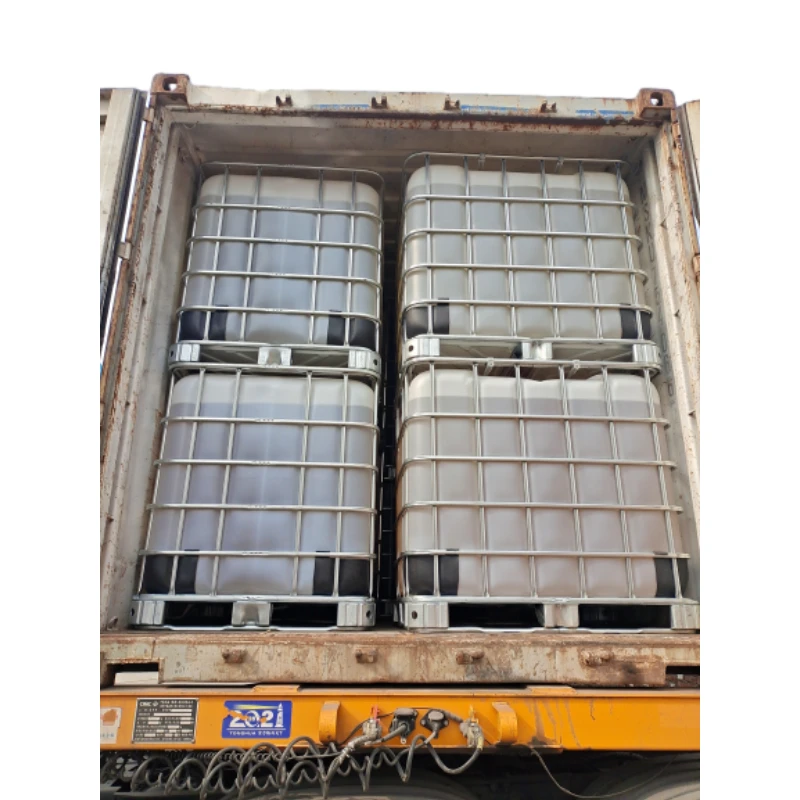
view more DiethanolisopropanolamineIn the ever-growing field of chemical solutions, diethanolisopropanolamine (DEIPA) stands out as a versatile and important compound. Due to its unique chemical structure and properties, DEIPA is of interest to various industries including construction, personal care, and agriculture. -
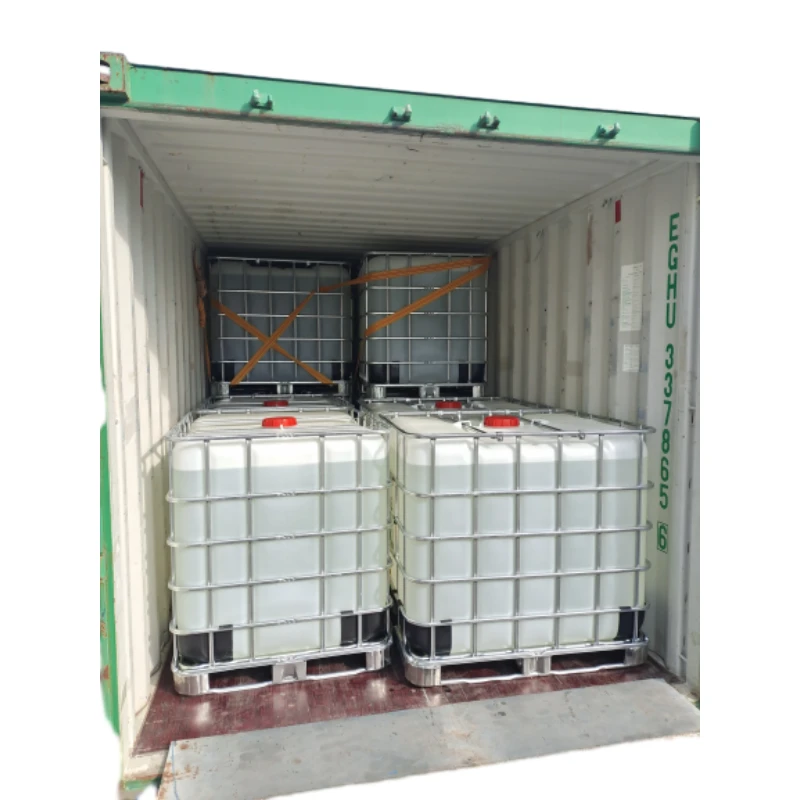
view more TriisopropanolamineTriisopropanolamine (TIPA) alkanol amine substance, is a kind of alcohol amine compound with amino and alcohol hydroxyl, and because of its molecules contains both amino and hydroxyl. -

view more Tetramethyl Thiuram DisulfideTetramethyl thiuram disulfide, also known as TMTD, is a white to light-yellow powder with a distinct sulfur-like odor. It is soluble in organic solvents such as benzene, acetone, and ethyl acetate, making it highly versatile for use in different formulations. TMTD is known for its excellent vulcanization acceleration properties, which makes it a key ingredient in the production of rubber products. Additionally, it acts as an effective fungicide and bactericide, making it valuable in agricultural applications. Its high purity and stability ensure consistent performance, making it a preferred choice for manufacturers across various industries.