





Comprehensive Guide to Artificial Sweeteners 950 and 951 – Benefits, Risks & Applications
Why artificial sweeteners 950 951 are more than just diet aids
Artificial sweeteners 950 and 951 — more commonly known as Acesulfame K and Aspartame — often get boxed into the "diet food" category. Yet, their global importance extends way beyond just helping people reduce calories or avoid sugar spikes. Understanding these compounds sheds light on some fascinating food science, public health trends, and even international food industry practices. Pretty much everywhere from bustling urban markets to remote ration packs, these sweeteners quietly shape what millions consume daily.
Considering the scale — the World Health Organization estimates that non-communicable diseases like diabetes and obesity impact over 400 million adults worldwide — artificial sweeteners step in as safer alternatives to sugar. They help reduce caloric intake while maintaining sweetness, which is no small feat. Plus, the food and beverage sectors increasingly rely on these additives to meet evolving consumer demands for healthier, low-calorie options. So yes, they matter — deeply — for public health, industry dynamics, and agriculture supply chains.
The global stage for artificial sweeteners 950 951
So, what makes artificial sweeteners 950 and 951 such hotspots in global conversation? For starters, these additives rank among the most widely used non-nutritive sweeteners. According to the International Food Information Council, artificial sweeteners represent a multi-billion-dollar industry growing steadily, propelled by health trends and regulation shifts worldwide.
In regions like North America and Europe, up to 20% of beverages contain these sweeteners, whereas developing economies are rapidly catching up as urbanization and lifestyle changes fuel demand for sugar alternatives. Yet, the challenge remains balancing taste, safety, and consumer trust — not a small juggling act given the controversies that occasionally swirl around them.
In real terms, these compounds address a serious challenge: how to provide sweetness without the adverse effects of sugar—which include dental decay, weight gain, and metabolic issues—while maintaining product stability and flavor profiles.
Artificial Sweeteners 950 and 951 — What exactly are they?
Simply put, artificial sweeteners 950 (Acesulfame Potassium, or Acesulfame K) and 951 (Aspartame) are synthetic substances engineered to taste sweet like sugar but with negligible calories. Both are approximately 200 times sweeter than sucrose, so only tiny amounts are required.
Acesulfame K is known for its heat stability, making it useful in baking and processed foods. Aspartame, on the other hand, is valued for mimicking sugar's taste profile closely but has limitations with heating since it can break down under high temperatures. Both revolutionized sweetener options since their approvals by ISO and FDA, providing viable sugar substitutes for millions managing caloric intake.
Beyond just taste, these sweeteners represent a convergence of chemistry, nutrition science, and food technology, designed to meet modern dietary needs without sacrifice.
Key aspects that define artificial sweeteners 950 951
1. Sweetness Potency and Taste Profile
While both sweeteners deliver intense sweetness, their taste nuances differ. Aspartame is often preferred in beverages and dairy because of its conventional sugar-like flavor, whereas Acesulfame K may impart a slight aftertaste, though modern blends minimize this.
2. Heat Stability and Usage
Acesulfame K's heat resistance allows incorporation into baked goods and confectionaries, unlike Aspartame which degrades under high heat, limiting its application mostly to cold foods and beverages.
3. Regulatory Approvals and Safety Limits
Bodies like the FDA, EFSA, and WHO have rigorously evaluated these sweeteners, assigning acceptable daily intake (ADI) levels (e.g., 15 mg/kg for Acesulfame K, 40 mg/kg for Aspartame), ensuring consumer safety worldwide.
4. Synergistic Effects in Blends
Industry experts often combine 950 and 951 to mask each other's weaknesses and produce a more balanced sweetness, enhancing consumer acceptance and reducing aftertaste.
5. Metabolic Impact and Dietary Role
Neither sweetener impacts blood glucose levels significantly, making them suitable for diabetics and those monitoring carb intake.
Artificial Sweeteners 950 951 in the real world: applications across industries
These sweeteners show up everywhere—packaged low-calorie sodas in the United States, sugar-free chewing gum across Europe, tabletop sweetener sticks in cafes, and even meal replacement powders for humanitarian aid. Developing countries have seen rising use in food product reformulations aiming to curb rising obesity rates.
For example, in post-disaster relief operations overseen by organizations like the UN World Food Programme, sugar-reduced or sugar-free supplies help manage health risks among vulnerable populations while ensuring palatability and shelf stability.
In manufacturing hubs of Southeast Asia, many beverage producers utilize artificial sweeteners 950 951 extensively to cater to shifting consumer preferences without sacrificing production efficiency or shelf life.
Advantages and the bigger picture value
- Cost Efficiency: Tiny quantities needed reduce raw material costs even if unit prices appear higher.
- Sustainability: Less reliance on sugar crops can help reduce agricultural strain and water use.
- Health Benefits: Enables calorie reduction in diets, assisting diabetes and weight management.
- Social Impact: Helps maintain dignity for dietary-restricted individuals by offering sweet treats.
- Food Innovation: Inspires new product development in low-calorie and functional foods.
Fact is, artificial sweeteners 950 and 951 don't just serve technical functions; they touch lives in subtle yet meaningful ways. Something as “simple” as sweetness holds emotional value — comfort, celebration, even cultural identity. That’s why the trust placed in these additives is profound.
Looking forward: Innovations shaping artificial sweeteners
The future is pretty exciting here. Development in green synthesis methods aims to reduce production environmental impact. Advances in digital flavor technologies help perfect taste profiles more precisely, reducing “off-tastes.” Plus, regulatory frameworks evolve with science, reassuring consumers and expanding approved applications.
Interestingly, some companies experiment with blending these with natural sweeteners like stevia, aiming for hybrid products that appease both health-conscious and “clean-label” buyers.
Challenges and innovative solutions
Of course, no product is without hurdles. Sensory perception still poses challenges—some consumers detect aftertastes or question “artificial” origins. Manufacturing complexity and cost also fluctuate with feedstock availability and regulatory changes.
Experts recommend ongoing consumer education, transparent labeling, and continual research to refine formulations. Novel encapsulation techniques can mask unwanted flavors, and supply chain diversification boosts reliability.
Artificial sweeteners 950 951: Your quick FAQ
- What makes artificial sweeteners 950 951 popular alternatives to sugar?
- They provide intense sweetness with almost no calories, helping reduce sugar intake while maintaining taste, which supports weight and blood sugar management.
- Are these sweeteners safe for daily consumption?
- Yes, regulatory authorities worldwide have set safe daily intake levels, and typical diet use stays well within those limits.
- Can artificial sweeteners 950 and 951 be used in cooking?
- Acesulfame K (950) is heat stable and suitable for baking, while Aspartame (951) breaks down with heat and is better for cold products.
- Do these artificial sweeteners affect diabetic diets?
- No significant impact on blood glucose makes them appropriate sugar substitutes for people with diabetes.
- How do manufacturers combine sweeteners 950 and 951 effectively?
- Blending them balances taste profiles and masks aftertastes, enhancing overall sweetness quality.
Summary and where to next?
Artificial sweeteners 950 and 951 remain crucial players in the global movement toward healthier eating options and sustainable food production. They provide practical, scientifically backed solutions that help millions achieve dietary goals without losing the joy of sweetness. Their expanding applications and ongoing innovations promise even greater roles in public health and industry advancements.
If you’re curious about how these sweeteners might fit into your product line or nutritional plans, visit our website to explore detailed technical data, sourcing options, and support.
| Property | Acesulfame K (950) | Aspartame (951) |
|---|---|---|
| Sweetness relative to sucrose | ~200× | ~180–200× |
| Heat Stability | Heat stable | Heat sensitive |
| Caloric Content (per gram) | 0 kcal (non-caloric) | 4 kcal (but used in minute amounts) |
| Maximum ADI (Acceptable Daily Intake) | 15 mg/kg body weight | 40 mg/kg body weight |
| Common Applications | Baked goods, beverages, dairy | Soft drinks, tabletop sweeteners, yogurt |
| Aspect | Vendor A (Global Supplier) | Vendor B (Regional Specialist) | Vendor C (Eco-Friendly Producer) |
|---|---|---|---|
| Range of Products | Broad (both 950 & 951, blends) | Focus on 951 (Aspartame) | Primarily 950 (Acesulfame K) |
| Certifications | ISO 9001, FDA, EFSA | FDA, Halal | Organic synthesis, ISO 14001 |
| Pricing | Competitive, volume discounts | Mid-range, reliable supply | Premium (green process) |
| Lead Times | 2-4 weeks | 1-3 weeks | 4-6 weeks |
| Sustainability Focus | Standard | Limited | High (green chemistry) |
Mini takeaway: If you’re navigating supplier options, balance cost with your brand’s sustainability goals and desired certifications. It’s rarely only about price.
Honestly, the world of artificial sweeteners 950 951 is a bit like a backstage pass into food science — a place where chemistry meets consumer habits and public health priorities. They solve tricky problems but also pose challenges we keep refining.
If you want to dive deeper, technical sheets and application notes are often just a click away on company sites like artificial sweeteners 950 951, which offer solid starting points for R&D and procurement.
References
-
The Essential Guide to Sorbates as Food Preservatives for SafetyNewsApr.16,2026
-
The Ultimate Guide to Sorbate Preservative in Modern IndustryNewsApr.09,2026
-
Comprehensive Guide to Sodium Stearoyl Lactylate Emulsifier Applications and BenefitsNewsApr.07,2026
-
Comprehensive Guide to Sodium Cyclamate Sweetener Properties and ApplicationsNewsApr.04,2026
-
Comprehensive Guide to Sodium Citrate Food Additive and Its ApplicationsNewsMar.31,2026
-
Comprehensive Guide to Sodium Bicarbonate Food Additive Applications and BenefitsNewsMar.28,2026
-
Understanding Sodium Benzoate Preservative in Cosmetics and Its ApplicationsNewsMar.26,2026
Hebei Tenger Chemical Technology Co., Ltd. focuses on the chemical industry and is committed to the export service of chemical raw materials.
-
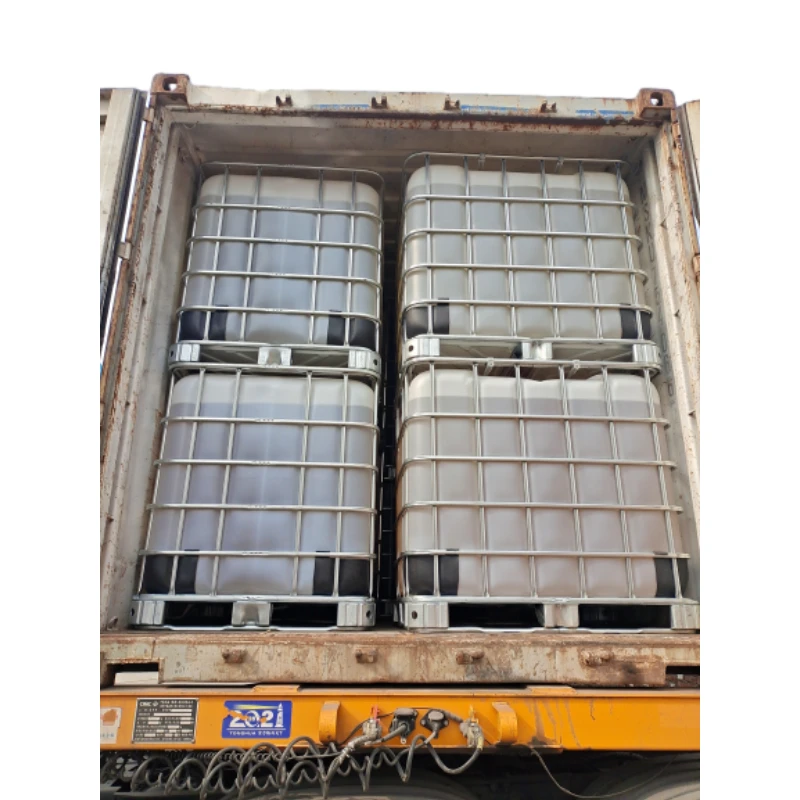
view more DiethanolisopropanolamineIn the ever-growing field of chemical solutions, diethanolisopropanolamine (DEIPA) stands out as a versatile and important compound. Due to its unique chemical structure and properties, DEIPA is of interest to various industries including construction, personal care, and agriculture. -
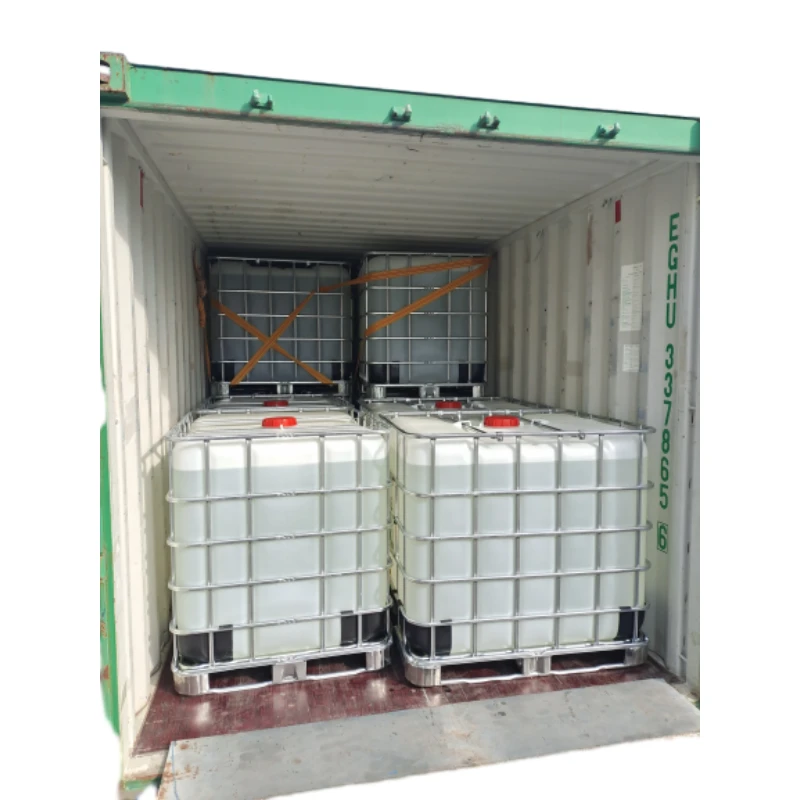
view more TriisopropanolamineTriisopropanolamine (TIPA) alkanol amine substance, is a kind of alcohol amine compound with amino and alcohol hydroxyl, and because of its molecules contains both amino and hydroxyl. -
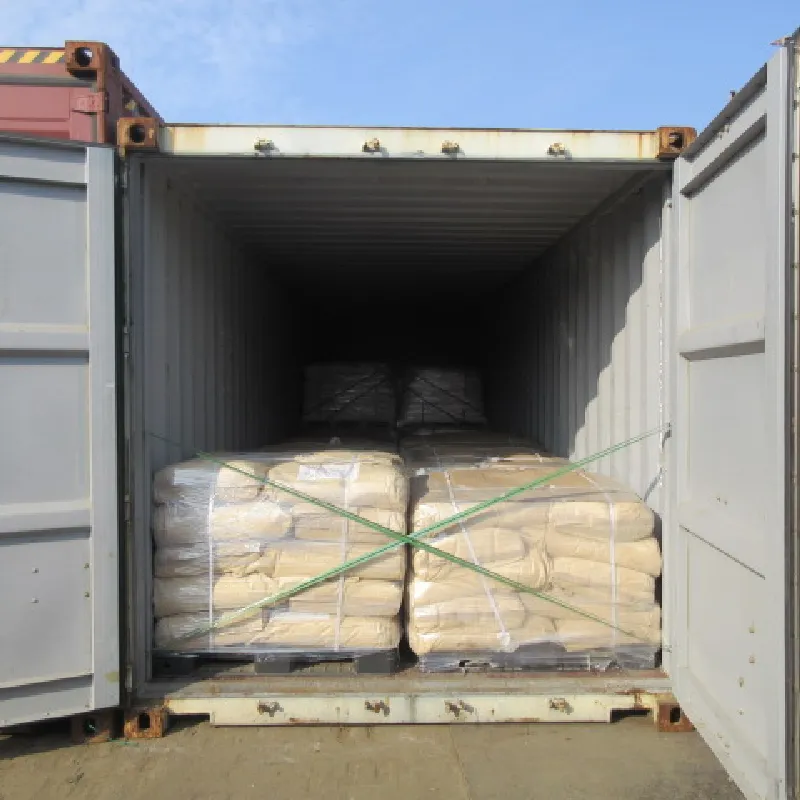
view more Tetramethyl Thiuram DisulfideTetramethyl thiuram disulfide, also known as TMTD, is a white to light-yellow powder with a distinct sulfur-like odor. It is soluble in organic solvents such as benzene, acetone, and ethyl acetate, making it highly versatile for use in different formulations. TMTD is known for its excellent vulcanization acceleration properties, which makes it a key ingredient in the production of rubber products. Additionally, it acts as an effective fungicide and bactericide, making it valuable in agricultural applications. Its high purity and stability ensure consistent performance, making it a preferred choice for manufacturers across various industries.