





Comprehensive Guide to Food Additive 330 (Citric Acid) and Its Global Impact
Understanding Food Additive 330: A Global Perspective on Citric Acid
Food additive 330, better known by most as citric acid, isn’t just the stuff that gives lemons their zing. It’s a pivotal ingredient woven into a vast array of global industries, from food preservation to pharmaceuticals. Understanding its multifaceted roles helps us appreciate how something so small can have such a massive impact—particularly when it comes to extending shelf life, improving flavor, and maintaining product safety worldwide.
Why does food additive 330 matter globally? For starters, the global citric acid market was estimated to be worth over $3.8 billion USD in 2023 and is expected to keep growing robustly (sources include Statista). Its application has a ripple effect on everything from reducing food waste to enabling better formulation of medicines. That means better nutrition, less spoilage, and ultimately, enhanced well-being across diverse populations.
Introduction: The Global Relevance of Food Additive 330
Citric acid is everywhere—hidden in your soda, your canned tomatoes, even your household cleaners. Globally, it’s produced primarily through microbial fermentation of carbohydrates, mainly by mold species like Aspergillus niger. According to United Nations data, food additives contribute significantly to food security by extending shelf life, especially important for regions struggling with food shortages or inconsistent cold chains.
But a key challenge remains: how to ensure that food additive 330 is sustainably produced to meet rising consumer demands, without driving excessive waste or environmental damage. This means shifting toward greener production processes and optimizing efficiency—a global industry imperative.
What Is Food Additive 330?
Simply put, food additive 330 is the European Food Safety Authority (EFSA) and FDA identifier for citric acid. It is an organic acid naturally found in citrus fruits but industrially manufactured for broad applications. Its main function? Acting as a natural preservative and acidulant—meaning it adjusts acidity levels in products, which helps inhibit microbial growth.
Given its natural origin and versatile use, food additive 330 represents the blending of traditional food chemistry with modern industrial needs—spanning nourishment, safety, and regulatory compliance in food and pharmaceutical sectors.
Key Factors of Food Additive 330 and Their Practical Implications
- Preservation: Citric acid lowers pH in foods, creating an inhospitable environment for bacteria and mold, which extends shelf life.
- Flavor Enhancement: It delivers a pleasant tanginess and balances sweetness, widely used in beverages and confectionery.
- pH Regulation: Crucial for controlling acidity in pharmaceuticals and cosmetics, ensuring product stability and efficacy.
- Antioxidant Properties: It helps prevent oxidation, maintaining the color and freshness of packaged goods.
- Biodegradability: Unlike many synthetic additives, citric acid biodegrades quickly, reducing environmental impact.
- Cost Efficiency: Thanks to efficient microbial fermentation, it's highly affordable compared to alternative preservatives.
Each of these factors ties directly into why manufacturers worldwide choose food additive 330—it’s effective, versatile, and relatively eco-friendly.
Global Applications & Use Cases
Food additive 330’s reach is vast:
- Food and Beverage Industry: Used to stabilize canned goods, carbonated drinks, dairy products, and confectionery worldwide—China, the US, and Europe lead in both production and consumption.
- Pharmaceuticals: Citric acid acts as an excipient to adjust pH or to improve drug stability.
- Cleaning Products: Its natural acidity allows for effective limescale removal, widely popular in household cleaners in the EU and North America.
- Emergency Food Relief: In disaster zones where refrigeration isn’t guaranteed, citric acid helps preserve nutrient-rich foods longer—organizations like the Red Cross rely on it for food packs.
It’s undeniable: food additive 330 plays a quiet but critical role in keeping essentials safe and accessible.
Advantages & Long-Term Value
So what’s the long haul benefit of using food additive 330?
- Reduced Food Waste: Prolonged shelf life means fewer discarded products, which cuts down environmental strain.
- Affordable Safety: Keeping food safe with citric acid is cost-effective, which benefits producers and consumers alike.
- Eco-Friendly: Its biodegradability and sustainable fermentation production align with rising environmental consciousness.
- Consumer Trust: Being a naturally derived, well-studied additive assures buyers, regulators, and industries of its safety.
And frankly, the peace of mind in knowing what goes into your products makes a difference.
Future Trends & Innovations
Looking ahead, industry insiders expect:
- Green Bioproduction: Advanced fermentation processes will use renewable feedstocks and reduce water use.
- Digital Quality Control: AI-driven monitoring will optimize citric acid purity and consistency.
- Functional Additives: Combining food additive 330 with natural antimicrobials for enhanced preservation.
- Policy Evolution: More stringent regulations pushing for ecological sustainability and transparency.
These innovations could transform the additive’s footprint from production to end-user impact.
Challenges & Solutions
But it’s not all perfect. Challenges include:
- Resource Use: Traditional production can be water and energy intensive.
- Quality Variation: Inconsistent raw materials can affect product performance.
- Consumer Skepticism: Despite natural origins, some consumers remain wary of additives.
Solutions? Improved fermentation methods, tighter supply chain transparency, and better education about food additive 330’s safety help overcome these hurdles.
Product Specification: Common Industrial Citric Acid Grades
| Parameter | Food Grade | Pharmaceutical Grade | Industrial Grade |
|---|---|---|---|
| Purity (%) | ≥ 99.5 | ≥ 99.7 | ≥ 98 |
| Appearance | White crystalline powder | White crystalline powder | White powder or granules |
| Moisture (%) | ≤0.5 | ≤0.3 | ≤1.0 |
| Heavy Metals (ppm) | ≤10 | ≤5 | ≤20 |
Vendor Comparison: Leading Citric Acid Suppliers
| Supplier | Origin | Production Method | Certifications | Price Range (per ton) |
|---|---|---|---|---|
| Tenger Chemical | China | Fermentation-based | ISO 9001, FDA, HACCP | $900 - $1100 |
| Cargill | USA | Fermentation-based | ISO 22000, Kosher | $1000 - $1200 |
| Brenntag | Germany | Chemical synthesis & fermentation | REACH, ISO 9001 | $950 - $1150 |
FAQ: Common Questions About Food Additive 330
- Is food additive 330 safe for children and pregnant women?
- Yes, citric acid is generally recognized as safe (GRAS) by multiple regulatory bodies, including the FDA and EFSA. It’s naturally occurring in many fruits and used in controlled amounts in foods and medicines suitable for all ages.
- Can food additive 330 cause allergies or intolerances?
- Citric acid allergies are very rare, but some individuals with mold sensitivities might experience reactions since it’s historically sourced via fungal fermentation. However, purified forms used in foods are considered hypoallergenic.
- How does food additive 330 help prevent food spoilage?
- Its acidity lowers the pH of food products, creating an environment that inhibits the growth of harmful bacteria and molds, thereby extending shelf life.
- Is citric acid sustainable, and are there greener alternatives?
- Sustainability efforts are underway to make fermentation more eco-friendly, including using agricultural waste as feedstocks. While alternatives exist, citric acid’s biodegradability and natural origin keep it favorable.
Conclusion and Call to Action
Food additive 330, or citric acid, may seem like a humble ingredient, but it’s a cornerstone of modern food safety and product stability worldwide. Thanks to its multifunctional properties, affordability, and evolving production innovations, it addresses both practical industry challenges and the higher goal of global food security.
If you’re looking to explore high-quality food additive 330 products or want to learn more about sustainable sourcing, I highly recommend visiting Tenger Chemical. They combine experience with responsible innovation to serve diverse global markets.
Ultimately, understanding additives like food additive 330 helps us make smarter, healthier food choices—and that’s a win for everyone.
Takeaway: Citric acid’s unique blend of natural origin, industrial scalability, and safety make it a quietly indispensable player in global food and pharmaceutical systems.
References
-
The Essential Guide to Sorbates as Food Preservatives for SafetyNewsApr.16,2026
-
The Ultimate Guide to Sorbate Preservative in Modern IndustryNewsApr.09,2026
-
Comprehensive Guide to Sodium Stearoyl Lactylate Emulsifier Applications and BenefitsNewsApr.07,2026
-
Comprehensive Guide to Sodium Cyclamate Sweetener Properties and ApplicationsNewsApr.04,2026
-
Comprehensive Guide to Sodium Citrate Food Additive and Its ApplicationsNewsMar.31,2026
-
Comprehensive Guide to Sodium Bicarbonate Food Additive Applications and BenefitsNewsMar.28,2026
-
Understanding Sodium Benzoate Preservative in Cosmetics and Its ApplicationsNewsMar.26,2026
Hebei Tenger Chemical Technology Co., Ltd. focuses on the chemical industry and is committed to the export service of chemical raw materials.
-
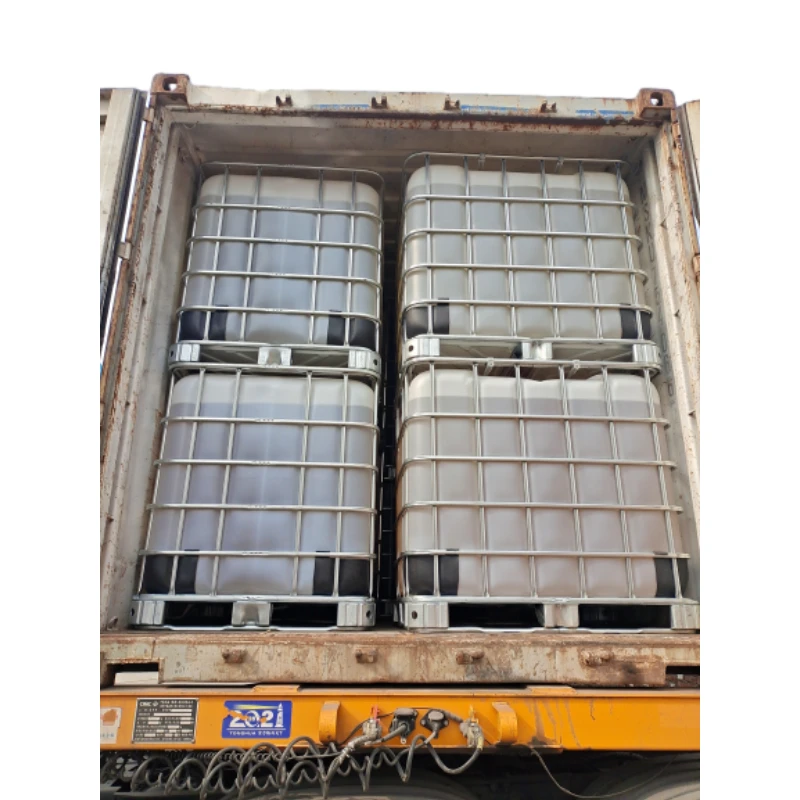
view more DiethanolisopropanolamineIn the ever-growing field of chemical solutions, diethanolisopropanolamine (DEIPA) stands out as a versatile and important compound. Due to its unique chemical structure and properties, DEIPA is of interest to various industries including construction, personal care, and agriculture. -
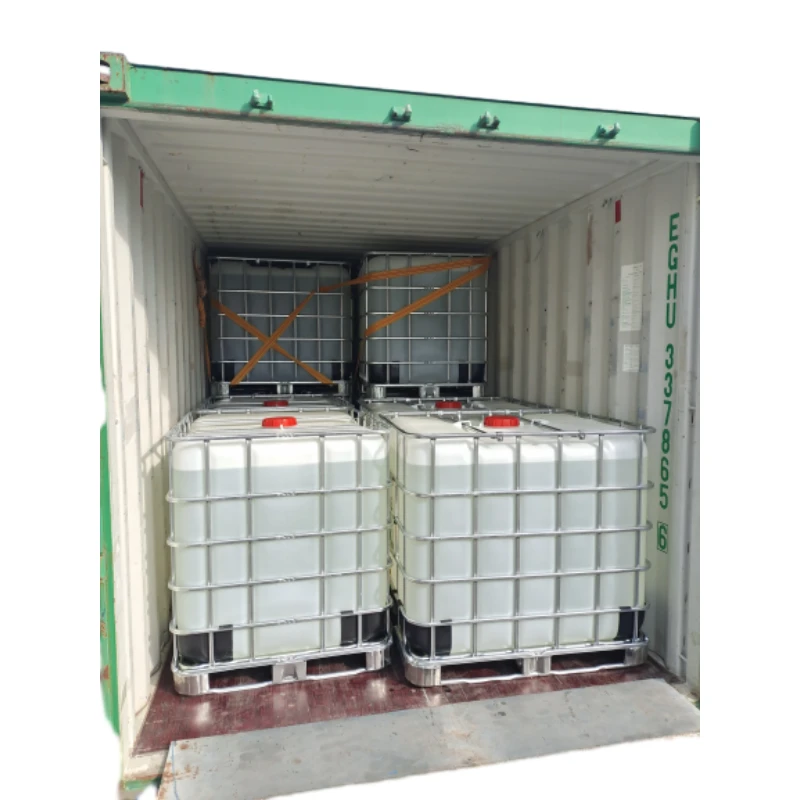
view more TriisopropanolamineTriisopropanolamine (TIPA) alkanol amine substance, is a kind of alcohol amine compound with amino and alcohol hydroxyl, and because of its molecules contains both amino and hydroxyl. -

view more Tetramethyl Thiuram DisulfideTetramethyl thiuram disulfide, also known as TMTD, is a white to light-yellow powder with a distinct sulfur-like odor. It is soluble in organic solvents such as benzene, acetone, and ethyl acetate, making it highly versatile for use in different formulations. TMTD is known for its excellent vulcanization acceleration properties, which makes it a key ingredient in the production of rubber products. Additionally, it acts as an effective fungicide and bactericide, making it valuable in agricultural applications. Its high purity and stability ensure consistent performance, making it a preferred choice for manufacturers across various industries.