





Comprehensive Guide to Sodium Benzoate Preservative Applications and Safety
Sodium Benzoate Preservative: A Comprehensive Guide
Sodium benzoate is a widely used preservative in food, beverages, cosmetics, and pharmaceuticals. Its effectiveness in inhibiting the growth of bacteria, yeast, and mold makes it a crucial ingredient for extending product shelf life and maintaining quality. This article will delve into the properties, applications, safety considerations, and sourcing of sodium benzoate, offering a thorough understanding for businesses and consumers alike. Understanding its role in preservation is essential for those involved in product formulation and supply chains.
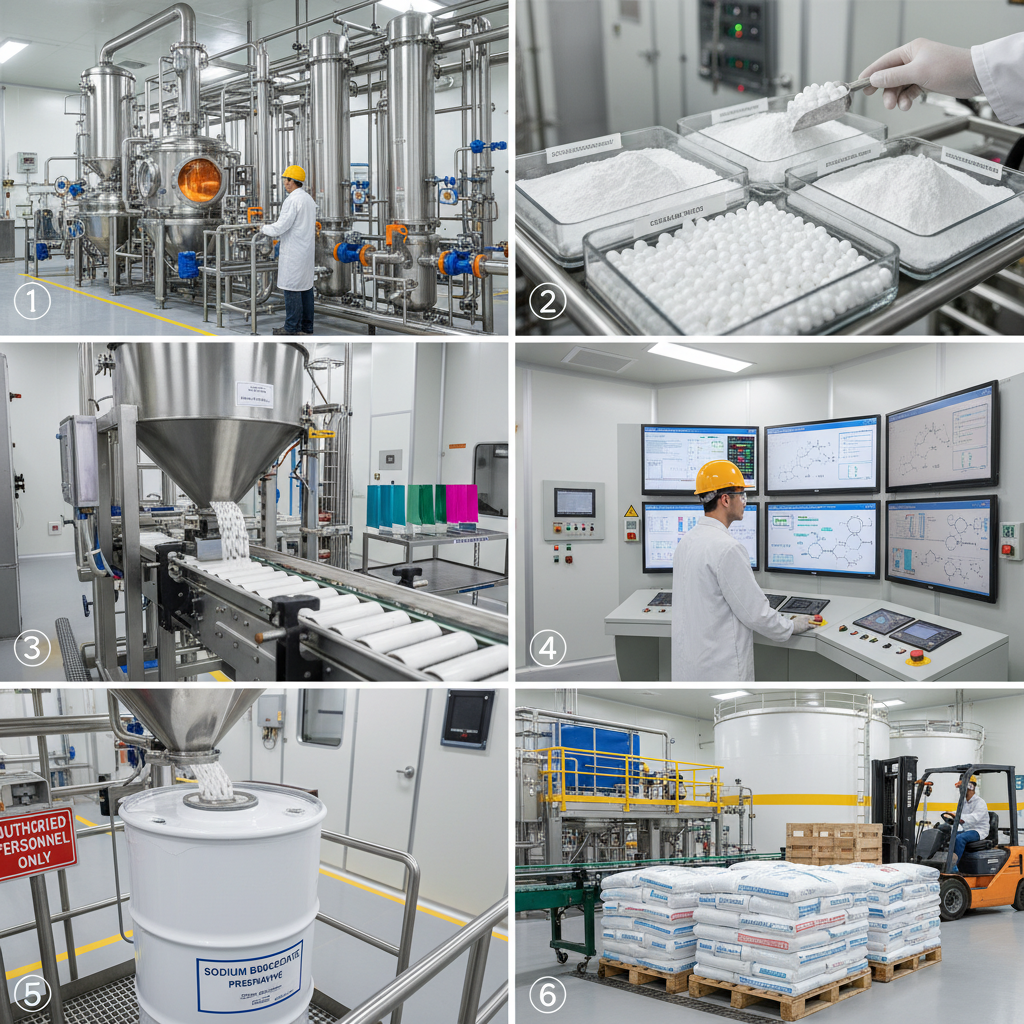
What is Sodium Benzoate and How Does it Work?
Sodium benzoate (C₇H₅NaO₂) is the sodium salt of benzoic acid. It functions as a preservative by lowering the pH level within a product, creating an environment unfavorable for microbial growth. Specifically, it penetrates the cell membranes of microorganisms, interfering with their ability to function and reproduce. It is most effective at acidic pH levels (below 4.5). Tenger Chemical provides high-quality sodium benzoate suitable for diverse applications. The chemical’s ability to inhibit a broad spectrum of microorganisms makes it a versatile preservative choice.
Key Highlights: Effective at acidic pH levels, inhibits bacteria, yeast and mold, widely used in various industries.
Applications of Sodium Benzoate Preservative
The applications of sodium benzoate are extensive. In the food and beverage industry, it's commonly found in acidic foods such as carbonated drinks, salad dressings, pickles, fruit juices, and jams. It prevents spoilage and maintains flavor. In cosmetics and personal care products, like shampoos, lotions, and sunscreens, it inhibits microbial growth, extending shelf life and ensuring product safety. Pharmaceutical companies also utilize sodium benzoate as a preservative in liquid medications and syrups. It’s even found in some cleaning products to prevent bacterial contamination.
Application Areas:
• Food & Beverage: Soft drinks, pickles, fruit juices
• Cosmetics: Shampoos, lotions, sunscreens
• Pharmaceuticals: Liquid medications, syrups
• Cleaning Products: Prevents bacterial contamination
Sodium Benzoate: Comparing with Other Preservatives
While several preservatives are available, sodium benzoate stands out due to its cost-effectiveness and broad-spectrum activity. Compared to sorbic acid, it’s generally more effective at lower concentrations. Potassium sorbate is another common alternative, often used in combination with sodium benzoate for synergistic effect. However, sodium benzoate’s pH dependency means it performs best in acidic environments, whereas potassium sorbate can be more effective in less acidic applications. Selecting the correct preservative requires understanding the specific product formulation and desired shelf life. Contact us for guidance on choosing the right preservative for your needs.
Safety Considerations and Regulations
Sodium benzoate is generally recognized as safe (GRAS) by the FDA when used within specified limits. However, concerns have been raised regarding potential formation of benzene, a known carcinogen, when sodium benzoate interacts with ascorbic acid (vitamin C) in certain beverages. Regulatory bodies closely monitor these levels, and manufacturers often adjust formulations to minimize benzene formation. Tenger Chemical ensures its sodium benzoate meets all relevant safety standards and provides documentation for compliance.

Sourcing High-Quality Sodium Benzoate from Tenger Chemical
When sourcing sodium benzoate, quality and reliability are paramount. Tenger Chemical is a trusted supplier offering pharmaceutical-grade and food-grade sodium benzoate that meets stringent quality control standards. We provide comprehensive documentation, including Certificates of Analysis (COA) and Material Safety Data Sheets (MSDS). Our commitment to consistent quality, competitive pricing, and timely delivery makes us an ideal partner for businesses across various industries.
Conclusion: Ensuring Product Integrity with Sodium Benzoate
Sodium benzoate remains a vital preservative in numerous applications, offering a cost-effective and reliable solution for extending product shelf life and maintaining quality. Choosing a reputable supplier like Tenger Chemical ensures access to high-quality sodium benzoate that meets industry standards and regulatory requirements. Prioritizing quality preservation safeguards both your products and your customers.
Frequently Asked Questions (FAQs)
What is the typical shelf life of sodium benzoate?
Sodium benzoate itself has a long shelf life when stored properly in a cool, dry place, protected from light and moisture. Generally, it can remain stable for several years. However, its effectiveness as a preservative decreases over time, especially once it’s incorporated into a product. The final product's shelf life will depend on factors such as formulation, packaging, and storage conditions. Always refer to the manufacturer’s specifications for the product in which it’s used.
What are the permissible levels of sodium benzoate in food?
The FDA limits the use of sodium benzoate in food to a maximum of 0.1% (1000 ppm) by weight. These regulations vary slightly by country, so it’s crucial to adhere to local guidelines. It's important to note that this limit is for the finished product, not just the amount of sodium benzoate added during formulation. Manufacturers must carefully calculate the concentration to ensure compliance.
Can sodium benzoate be used in organic products?
The use of sodium benzoate in certified organic products is generally restricted. Organic standards typically prohibit synthetic preservatives like sodium benzoate. However, there are exceptions in some cases, often involving temporary use with prior approval from organic certification bodies. Regulations regarding organic certification vary significantly, so it's essential to verify the specific requirements for the target market.
What packaging options does Tenger Chemical offer for sodium benzoate?
Tenger Chemical provides sodium benzoate in various packaging options to meet diverse customer needs, including 25kg bags, 500kg jumbo bags, and customized packaging solutions. We ensure all packaging meets industry standards for safety and containment, protecting the product's integrity during transportation and storage. We are dedicated to providing the best packaging to meet client’s demands.
-
The Essential Guide to Sorbates as Food Preservatives for SafetyNewsApr.16,2026
-
The Ultimate Guide to Sorbate Preservative in Modern IndustryNewsApr.09,2026
-
Comprehensive Guide to Sodium Stearoyl Lactylate Emulsifier Applications and BenefitsNewsApr.07,2026
-
Comprehensive Guide to Sodium Cyclamate Sweetener Properties and ApplicationsNewsApr.04,2026
-
Comprehensive Guide to Sodium Citrate Food Additive and Its ApplicationsNewsMar.31,2026
-
Comprehensive Guide to Sodium Bicarbonate Food Additive Applications and BenefitsNewsMar.28,2026
-
Understanding Sodium Benzoate Preservative in Cosmetics and Its ApplicationsNewsMar.26,2026
Hebei Tenger Chemical Technology Co., Ltd. focuses on the chemical industry and is committed to the export service of chemical raw materials.
-
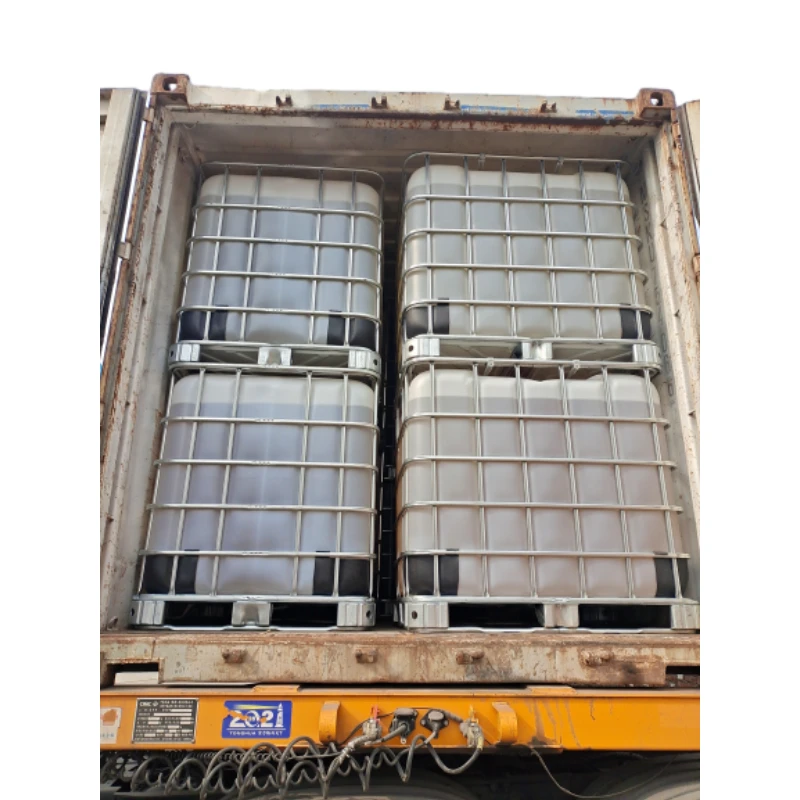
view more DiethanolisopropanolamineIn the ever-growing field of chemical solutions, diethanolisopropanolamine (DEIPA) stands out as a versatile and important compound. Due to its unique chemical structure and properties, DEIPA is of interest to various industries including construction, personal care, and agriculture. -
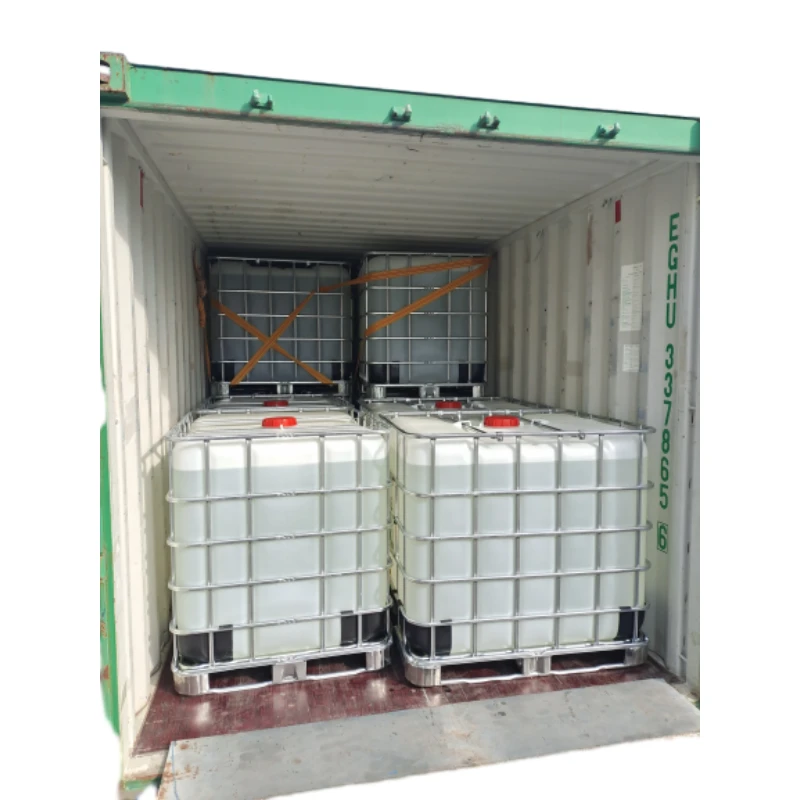
view more TriisopropanolamineTriisopropanolamine (TIPA) alkanol amine substance, is a kind of alcohol amine compound with amino and alcohol hydroxyl, and because of its molecules contains both amino and hydroxyl. -
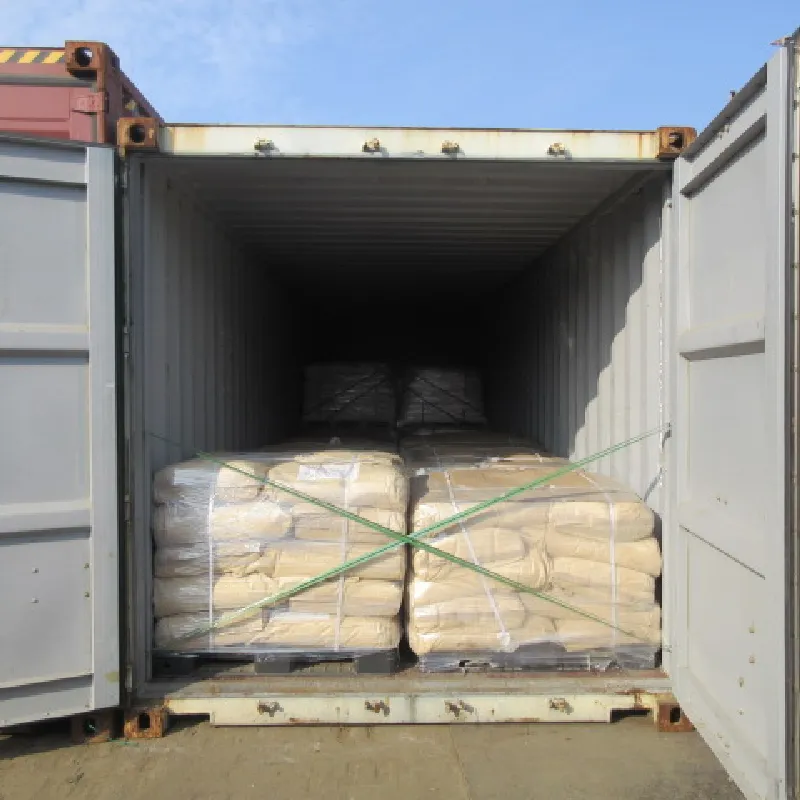
view more Tetramethyl Thiuram DisulfideTetramethyl thiuram disulfide, also known as TMTD, is a white to light-yellow powder with a distinct sulfur-like odor. It is soluble in organic solvents such as benzene, acetone, and ethyl acetate, making it highly versatile for use in different formulations. TMTD is known for its excellent vulcanization acceleration properties, which makes it a key ingredient in the production of rubber products. Additionally, it acts as an effective fungicide and bactericide, making it valuable in agricultural applications. Its high purity and stability ensure consistent performance, making it a preferred choice for manufacturers across various industries.