





Essential Guide to Anti Caking Agents in Food – Ingredients That Keep Powdered Foods Free-Flowing
Understanding Anti Caking Agents in Food: Why They Matter Worldwide
At first glance, the phrase anti caking agent in food might sound like something only chemists worry about. Yet, these humble additives have a surprisingly big role — from ensuring powdered spices sprinkle smoothly onto your favorite dish, to preventing large-scale food spoilage during shipping. With a growing global food market and challenges like climate change affecting storage conditions, understanding what these agents do and why they matter is key for food safety and quality.
Globally, food waste is a staggering issue: the UN estimates nearly one-third of all food produced goes to waste (UNEP Food Waste Report). Anti caking agents play a subtle but vital role in reducing such waste by keeping dry food powders free-flowing and preventing clumping that leads to spoilage.
Why Anti Caking Agents Are More Than Just Additives
When we talk about an anti caking agent in food, we mean substances added to powdered foods to prevent the particles from sticking together. This sticky business can ruin food texture, cause blockage of packaging machines, or even complicate portion control for consumers.
Industrially and even humanitarian-wise, these agents support efficient food distribution and shelf life extension, which is no small deal when you consider remote regions and disaster relief scenarios where reliable food storage can be a matter of life and dignity.
Breaking Down the Core Components of Effective Anti Caking Agents
1. Moisture Control
One of the big culprits that cause powder clumping is moisture. Anti caking agents work by absorbing or repelling moisture, helping powders stay dry and free-flowing. Silica and calcium silicate are common players here, used across many food industries.
2. Particle Size and Shape
The physical traits of anti caking agents themselves — particularly particle size — influence how well they coat food powders and prevent lumping. Smaller, uniformly shaped particles tend to provide better coverage and protection.
3. Food Safety & Regulatory Compliance
Since these agents go into food, it’s critical that they meet global safety standards. Materials like tricalcium phosphate or magnesium carbonate often get the green light from authorities such as the FDA or EFSA.
4. Compatibility with Food Types
Different powders have different needs. Salts, powdered milk, spices, and sugar might each require tailored anti caking strategies. That’s why ingredient specificity matters when selecting an agent.
5. Cost Efficiency and Production Scalability
Companies look for agents that are affordable but won’t compromise quality. Given the huge volumes involved in food production, scalability becomes a practical factor — what works in a lab must work in a tanker, too.
Mini takeaway: Anti caking agents juggle chemistry, regulations, and practical manufacturing challenges to maintain food quality worldwide.
How The World Uses Anti Caking Agents: Real-Life Applications
From spice traders in India to food aid organizations delivering to hard-to-reach camps, these agents support several industries:
- Food Manufacturing: Powdered seasoning blends rely on them to maintain mixability.
- Emergency Food Supplies: Dry rations in UN and NGO packs often include anti caking agents to guarantee long shelf life under suboptimal conditions.
- Retail Food Packaging: Salt and sugar producers use these agents so the powders pour freely at home, avoiding those annoying clumps.
- Pharmaceutics: Nutrition supplements in powdered form benefit similarly (though that’s a slightly different kettle of fish).
In harsh climates, such as sub-Saharan Africa or humid Southeast Asia, anti caking agents help extend food usability beyond what would otherwise be a very short window.
Product Specification: Typical Food-Grade Anti Caking Agent
| Parameter | Typical Value | Unit |
|---|---|---|
| Appearance | White powder | - |
| Particle Size (D50) | 3 - 5 | micrometers |
| Moisture Absorption | Up to 25% | w/w |
| FDA Approval | Yes (GRAS) | - |
| Typical Usage Rate | 0.1 - 2.0 | % weight of food |
Why Invest in Anti Caking Agents? Advantages & Long-Term Impacts
Some benefits of using anti caking agents transcend the technical. Of course, they cut down waste and maintain product quality. But in a world increasingly focused on sustainability and ethical food distribution, their value climbs:
- Reduced Food Waste: Less clumping means less spoiled powder, reducing environmental impact.
- Consumer Convenience: Nobody enjoys fishing out hardened lumps from salt shakers or sugar bowls.
- Enhanced Shelf Stability: Making foods last longer means fewer rejected batches and lower costs.
- Support for Humanitarian Efforts: Stable food supplies in disaster zones help maintain dignity and nutrition.
- Food Safety Assurance: Preventing clumps reduces microbial growth hotspots.
Ultimately, anti caking agents create trust — customers know their food will be as expected, every single time.
A Peek into the Future: Trends and Innovations
As sustainable packaging and clean labeling gain traction, the anti caking landscape is evolving. Here’s a few developments to keep an eye on:
- Natural and Plant-Based Alternatives: Sourcing anti caking agents from natural minerals or plant extracts to satisfy “clean label” demands.
- Nanotechnology: Engineering particles at nanoscale to improve dispersion and reduce ingredient amounts needed.
- Smart Packaging Integration: Using sensors that detect moisture build-up and trigger moisture-control release.
- Regenerative Sourcing: Extracting mineral ingredients with minimized environmental footprints.
Challenges & Expert Solutions to Ensuring Effective Anti Caking
Not everything is sunshine and sprinkles. Some common issues include:
- Overuse Leading to Texture Changes: Too much agent can alter food mouthfeel.
- Compatibility Issues: Some agents work better with certain powders, so mismatches occur.
- Regulatory Variance: Different countries have diverse approvals and limits.
Experts suggest blending agents or tailoring particle engineering to specific powders. Continuous product testing and knowledge-sharing remain critical.
FAQ: Your Questions on Anti Caking Agents in Food Answered
- Q1: Are anti caking agents safe to consume in daily food products?
- A: Yes, most food-grade anti caking agents are approved by regulatory bodies like the FDA and EFSA. They are added in very small amounts and extensively tested to ensure safety.
- Q2: How do anti caking agents differ from preservatives?
- A: While preservatives prevent microbial growth and spoilage, anti caking agents specifically prevent powder clumping and moisture absorption without extending shelf life in the same way.
- Q3: Can anti caking agents affect the flavor of food?
- A: Generally, they are tasteless and odorless at recommended usage levels. However, overuse might cause subtle changes to texture and taste.
- Q4: Are natural anti caking agents as effective as synthetic ones?
- A: Natural options are gaining popularity and can work well, but effectiveness depends on the food matrix. Sometimes blends of both are used for optimal results.
- Q5: Where can I find suppliers for food-grade anti caking agents?
- A: Many reputable chemical suppliers offer certified food-grade products. Comparing based on certification, particle size, and pricing is key. For example, anti caking agent in food suppliers provide detailed product datasheets and support.
Comparing Top Vendors of Food Anti Caking Agents
| Vendor | Product Range | Certifications | Typical Lead Time | Price Range |
|---|---|---|---|---|
| Tenger Chemical | Silica, Tricalcium Phosphate, Magnesium Stearate | FDA, ISO, Kosher | 2-3 weeks | $$$ |
| Global Ingredients Ltd. | Calcium Silicate, Silicon Dioxide | FDA, ISO | 3-4 weeks | $$ |
| NatureCote | Natural Plant-Based Powders | Organic, Non-GMO | 1-2 weeks | $$$$ |
In Conclusion: The Quiet Champions of Food Quality
While they often go unnoticed, anti caking agents in food are crucial for global food stability, reducing waste, and enhancing consumer experience. From the powdered salt shaker on your table to emergency relief food packets, these agents quietly ensure food is safe, stable, and easy to use.
Want to explore trusted anti caking solutions with proven track records? Visit https://www.tengerchemical.com to learn more about their range of food-grade agents.
References:
1. UNEP Food Waste Index Report 2021
2. FDA Food Additive Status List: https://www.fda.gov
3. EFSA Guidance on Food Additives: https://www.efsa.europa.eu
-
The Essential Guide to Sorbates as Food Preservatives for SafetyNewsApr.16,2026
-
The Ultimate Guide to Sorbate Preservative in Modern IndustryNewsApr.09,2026
-
Comprehensive Guide to Sodium Stearoyl Lactylate Emulsifier Applications and BenefitsNewsApr.07,2026
-
Comprehensive Guide to Sodium Cyclamate Sweetener Properties and ApplicationsNewsApr.04,2026
-
Comprehensive Guide to Sodium Citrate Food Additive and Its ApplicationsNewsMar.31,2026
-
Comprehensive Guide to Sodium Bicarbonate Food Additive Applications and BenefitsNewsMar.28,2026
-
Understanding Sodium Benzoate Preservative in Cosmetics and Its ApplicationsNewsMar.26,2026
Hebei Tenger Chemical Technology Co., Ltd. focuses on the chemical industry and is committed to the export service of chemical raw materials.
-
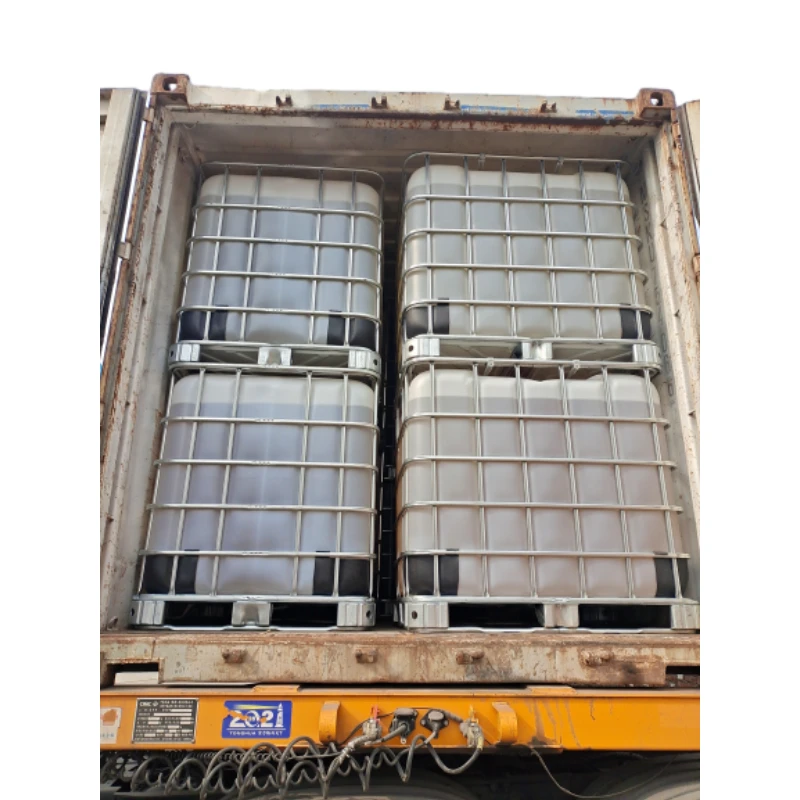
view more DiethanolisopropanolamineIn the ever-growing field of chemical solutions, diethanolisopropanolamine (DEIPA) stands out as a versatile and important compound. Due to its unique chemical structure and properties, DEIPA is of interest to various industries including construction, personal care, and agriculture. -
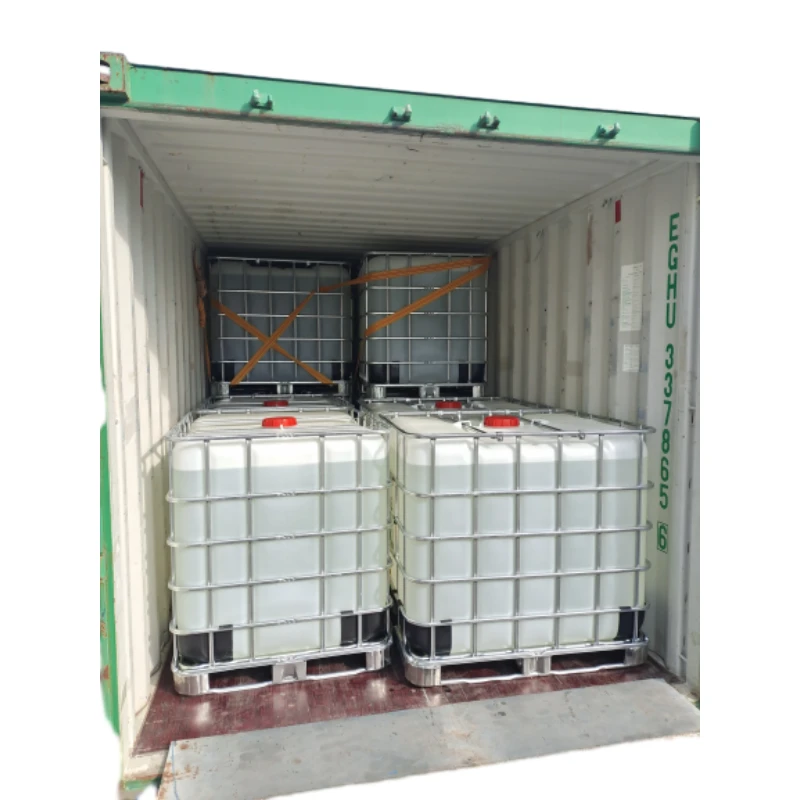
view more TriisopropanolamineTriisopropanolamine (TIPA) alkanol amine substance, is a kind of alcohol amine compound with amino and alcohol hydroxyl, and because of its molecules contains both amino and hydroxyl. -
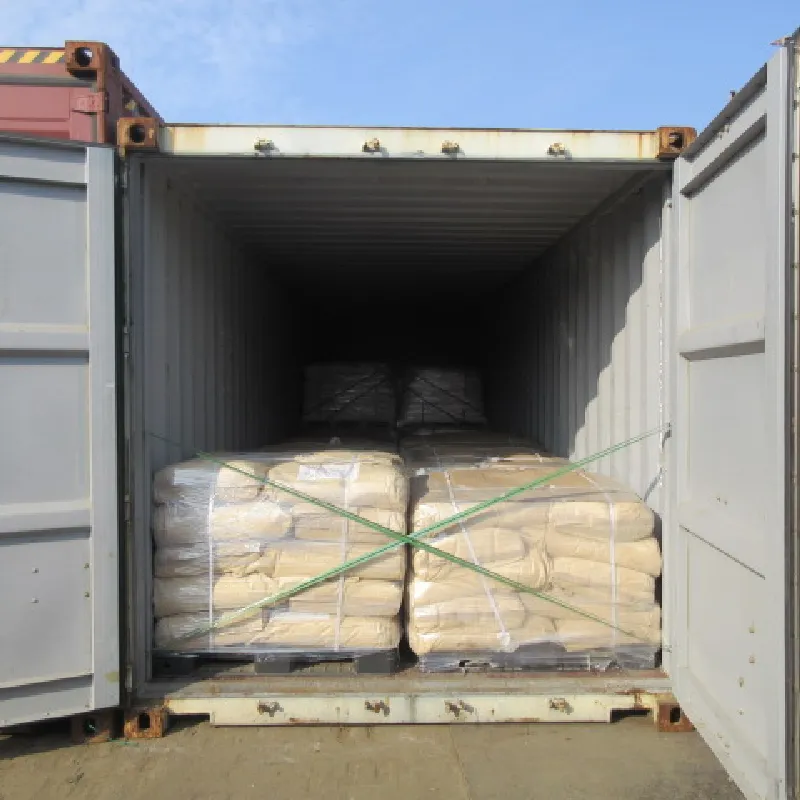
view more Tetramethyl Thiuram DisulfideTetramethyl thiuram disulfide, also known as TMTD, is a white to light-yellow powder with a distinct sulfur-like odor. It is soluble in organic solvents such as benzene, acetone, and ethyl acetate, making it highly versatile for use in different formulations. TMTD is known for its excellent vulcanization acceleration properties, which makes it a key ingredient in the production of rubber products. Additionally, it acts as an effective fungicide and bactericide, making it valuable in agricultural applications. Its high purity and stability ensure consistent performance, making it a preferred choice for manufacturers across various industries.