





Flavour Additives for Industrial Applications | Trusted Supplier Guide
Flavour Additives: The Unsung Heroes of Industrial Taste Solutions
Having spent well over a decade in the industrial equipment sector, I’ve come to appreciate how seemingly small components can make or break an entire product line. Flavour additives are a perfect example. You hardly notice them—until they’re missing or subpar. Frankly, these chemical marvels do a lot of the heavy lifting for manufacturers in food processing, pharmaceuticals, and even pet foods. They help deliver consistent taste profiles, mask off-notes, and even enhance shelf life in ways that aren’t always obvious.
In my early days, I remember working with a client who struggled to nail down a flavour profile for a new energy bar. After switching to a higher-grade flavour additive sourced from a reputable supplier, the difference was night and day. Not just in taste but in uniformity from batch to batch. It feels like investing in a good flavour additive sets manufacturers up for consistent success.
Now, when I talk about industry trends, there’s been a noticeable move towards “clean label” additives—more natural, less synthetic. This isn’t just marketing fluff. Regulatory bodies are tightening standards worldwide, and consumers are demanding transparency. In real terms, this pushes formulation chemists to innovate beyond traditional chemical blends, incorporating plant extracts, essential oils, and sophisticated encapsulation techniques to protect and release flavour effectively.
What Makes a Good Flavour Additive?
You might think it’s all about taste, but product design and materials matter just as much. The base carrier, solubility, volatility, and compatibility with other ingredients are critical factors. I’ve seen additives fail simply because they reacted poorly with stabilizers or didn’t survive the heat treatment process. So, thorough testing—including thermal stability, sensory evaluation, and shelf-life analysis—is non-negotiable. Many engineers I've talked with swear by GC-MS (Gas Chromatography-Mass Spectrometry) to truly understand the additive’s profile and potential impurities.
| Specification | Typical Value | Notes |
|---|---|---|
| Solubility | Water soluble / Oil soluble variants | Customizable as per formulation |
| Thermal Stability | Up to 150°C | Suits baked & processed goods |
| Shelf Life | 12-18 months | Depending on storage conditions |
| pH Range | 3.0 - 8.5 | Stable in acidic to neutral systems |
| Additive Types | Natural & Synthetic blends | Custom formulations available |
Comparing Top Flavour Additive Vendors
When picking a supplier, I always weigh reliability, customization, and regulatory compliance highest on the list. It’s easy to get dazzled by price, but long-term trust in source quality and technical support often pays off better. Here’s a quick rundown of vendors I’ve dealt with:
| Vendor | Customization | Regulatory Compliance | Lead Time | Price Range (per kg) |
|---|---|---|---|---|
| Tenger Chemical | High - custom blends available | FDA, EU, ISO certified | 2-4 weeks | $$$ (mid-range) |
| Vendor B | Medium - standard ranges | FDA compliant | 3-6 weeks | $$ (budget) |
| Vendor C | Low - stock formulas only | Partial certifications | 1-2 weeks | $$$ (premium) |
Oddly enough, some of the best flavour additives aren’t the flashiest, but those backed by solid technical teams and stringent quality control. I found that being open with suppliers about your manufacturing challenges often leads to tailored solutions—and those turn out better than off-the-shelf, one-size-fits-all blends.
To sum it up, if you’re involved with producing consumables or even certain pharmaceutical formulations, don’t underestimate the role of carefully chosen flavour additives. They can transform your product from bland to memorable. And in this sector, that counts for a lot.
My takeaway? Partner with a supplier who listens, experiments, and evolves with your needs. It’s not just about flavours — it’s about trust and expertise.
References:
1. Industry sensory panel reports, 2022.
2. Regulatory guidelines - FDA & EU Food Additive Standards.
3. Internal testing data, Tenger Chemical (2023).
-
The Essential Guide to Sorbates as Food Preservatives for SafetyNewsApr.16,2026
-
The Ultimate Guide to Sorbate Preservative in Modern IndustryNewsApr.09,2026
-
Comprehensive Guide to Sodium Stearoyl Lactylate Emulsifier Applications and BenefitsNewsApr.07,2026
-
Comprehensive Guide to Sodium Cyclamate Sweetener Properties and ApplicationsNewsApr.04,2026
-
Comprehensive Guide to Sodium Citrate Food Additive and Its ApplicationsNewsMar.31,2026
-
Comprehensive Guide to Sodium Bicarbonate Food Additive Applications and BenefitsNewsMar.28,2026
-
Understanding Sodium Benzoate Preservative in Cosmetics and Its ApplicationsNewsMar.26,2026
Hebei Tenger Chemical Technology Co., Ltd. focuses on the chemical industry and is committed to the export service of chemical raw materials.
-
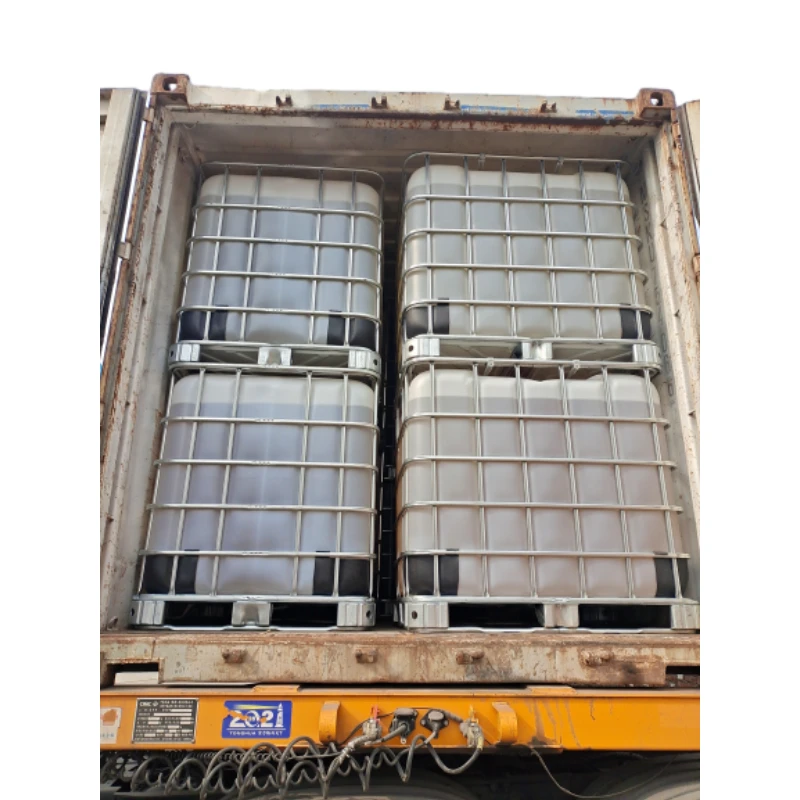
view more DiethanolisopropanolamineIn the ever-growing field of chemical solutions, diethanolisopropanolamine (DEIPA) stands out as a versatile and important compound. Due to its unique chemical structure and properties, DEIPA is of interest to various industries including construction, personal care, and agriculture. -
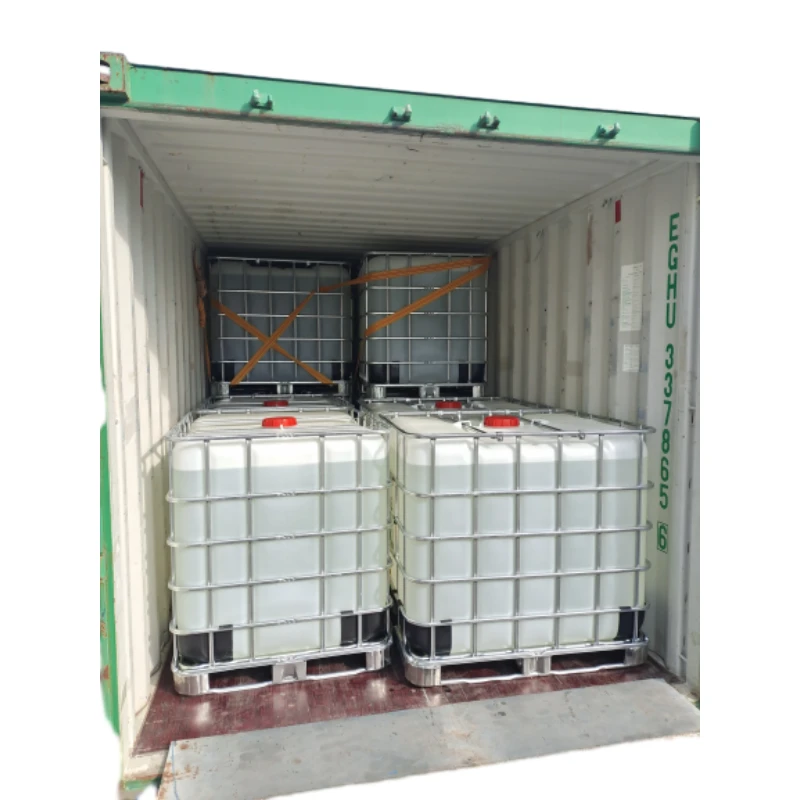
view more TriisopropanolamineTriisopropanolamine (TIPA) alkanol amine substance, is a kind of alcohol amine compound with amino and alcohol hydroxyl, and because of its molecules contains both amino and hydroxyl. -

view more Tetramethyl Thiuram DisulfideTetramethyl thiuram disulfide, also known as TMTD, is a white to light-yellow powder with a distinct sulfur-like odor. It is soluble in organic solvents such as benzene, acetone, and ethyl acetate, making it highly versatile for use in different formulations. TMTD is known for its excellent vulcanization acceleration properties, which makes it a key ingredient in the production of rubber products. Additionally, it acts as an effective fungicide and bactericide, making it valuable in agricultural applications. Its high purity and stability ensure consistent performance, making it a preferred choice for manufacturers across various industries.