





Healthy Food Additives for Modern Industrial Use | Insights & Specs
Healthy Food Additives: A Veteran’s Perspective
Having clocked over a decade working in industrial equipment—often alongside food-grade chemical manufacturers—I’ve witnessed how the landscape of healthy food additives has evolved. Frankly, it’s more than just about making food last longer or taste better. There’s a whole world of chemistry behind the scenes, and a growing demand for additives that not only preserve but genuinely promote health.
Oddly enough, when you dig into product specs, you find that many so-called “natural” additives undergo rigorous testing and refinement to ensure they’re safe, effective, and stable during processing. Food-grade antioxidant agents, emulsifiers, and thickeners now come with certifications that wouldn’t have passed muster 15 years ago. I suppose it mirrors the industry-wide push towards transparency and sustainability, lessons we learned the harder way in machinery design and manufacturing quality control.
From a practical standpoint, the key advantage of modern healthy food additives is their dual role: enhancing shelf life while improving nutritional qualities. Take antioxidants, for example. Back in the day, synthetic antioxidants were common. Today, there’s a shift towards natural extracts like rosemary or tocopherols, carefully standardized to deliver consistent performance. In real terms, that means fewer preservatives and better nutrient retention, which customers deeply appreciate.
Here’s a quick glance at typical product specifications you might encounter with these additives:
| Product | Type | Purity (%) | Application | Stability (months) |
|---|---|---|---|---|
| Tenger Food-Grade Tocopherol | Natural Antioxidant | 98+ | Oils, Beverages | 12 |
| Tenger Lecithin Emulsifier | Emulsifier | 95 | Bakery, Dairy | 18 |
| Tenger Natural Thickener XG | Thickener | 99 | Soups, Sauces | 24 |
When I’ve chatted with colleagues or clients, one recurring theme pops up: how vendors stack up. Not every supplier offers the same consistency or certifications. Some cut corners, while others invest heavily in R&D and quality controls. Based on years of sourcing additives for robust industrial lines, here’s a rough vendor comparison that reflects reliability and product focus in this space:
| Vendor | Product Range | Certifications | R&D Investment | Customer Support |
|---|---|---|---|---|
| Tenger Chemical | Extensive (Antioxidants, Emulsifiers, Thickeners) |
ISO, FDA, EFSA | High | 24/7 Technical |
| Generic Additives Co. | Moderate (Mostly Antioxidants) |
FDA Only | Low | Business Hours Only |
| Natural Boosters Ltd. | Specialized (Plant-Based Emulsifiers) |
ISO, Organic | Moderate | Limited |
Speaking from firsthand experience, working with a supplier like Tenger Chemical means having the confidence in product consistency, documentation, and support that often makes or breaks a batch. I remember one client who struggled for months with emulsifier clumping until we switched to a more stable grade. That switch didn’t just improve their product texture—it cut down on rejects by nearly 15%. Sometimes small changes in additive quality ripple into big operational wins.
One more thing that’s worth mentioning: customization. Many additive manufacturers now offer tailored solutions — whether tweaking viscosity, purity, or solubility — to meet specific product formulations. It feels like a nod to how complex food processing has become. No two processing lines are identical, and additives need to be almost “bespoke.”
So, to wrap things up (and maybe sound a bit like a broken record), when it comes to healthy food additives, it’s not just the chemistry but also the trustworthiness and expertise behind the product that matters most. You can buy something cheap today, but the peace of mind knowing it’s backed by real science and solid supply chains? That’s priceless, especially if you’re scaling up or navigating strict regulatory environments.
Hopefully, this rundown gives you a sense of what makes an additive truly “healthy” and reliable from my industrial vantage point. If I could leave you with one nugget of advice: always look beyond the label and dig into supplier credentials — it pays off in the long run.
— Tom, Industrial Equipment Specialist & Food Additive Enthusiast
References:
1. “Food Additive Safety and Regulations,” Journal of Food Science, 2022.
2. “Antioxidants in Food Processing,” Chemical Industry Review, 2023.
3. Tenger Chemical Official Documentation, 2024.
-
The Essential Guide to Sorbates as Food Preservatives for SafetyNewsApr.16,2026
-
The Ultimate Guide to Sorbate Preservative in Modern IndustryNewsApr.09,2026
-
Comprehensive Guide to Sodium Stearoyl Lactylate Emulsifier Applications and BenefitsNewsApr.07,2026
-
Comprehensive Guide to Sodium Cyclamate Sweetener Properties and ApplicationsNewsApr.04,2026
-
Comprehensive Guide to Sodium Citrate Food Additive and Its ApplicationsNewsMar.31,2026
-
Comprehensive Guide to Sodium Bicarbonate Food Additive Applications and BenefitsNewsMar.28,2026
-
Understanding Sodium Benzoate Preservative in Cosmetics and Its ApplicationsNewsMar.26,2026
Hebei Tenger Chemical Technology Co., Ltd. focuses on the chemical industry and is committed to the export service of chemical raw materials.
-
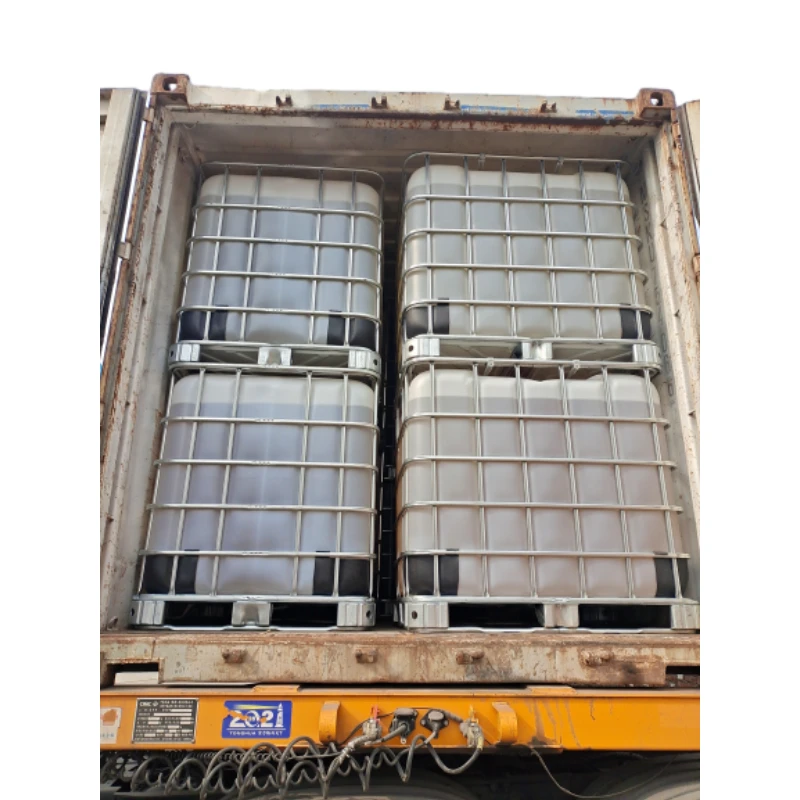
view more DiethanolisopropanolamineIn the ever-growing field of chemical solutions, diethanolisopropanolamine (DEIPA) stands out as a versatile and important compound. Due to its unique chemical structure and properties, DEIPA is of interest to various industries including construction, personal care, and agriculture. -
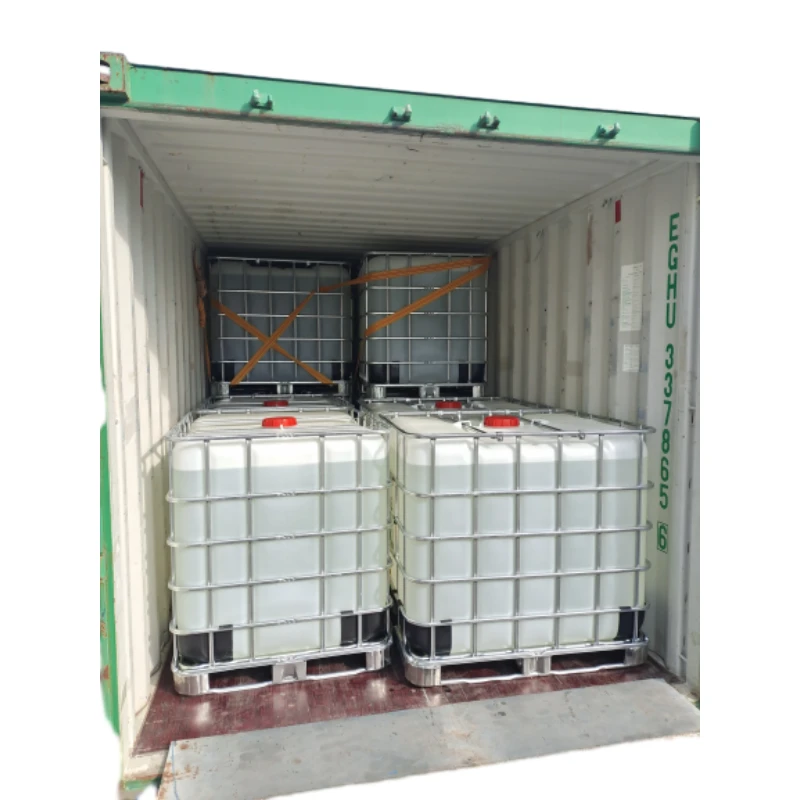
view more TriisopropanolamineTriisopropanolamine (TIPA) alkanol amine substance, is a kind of alcohol amine compound with amino and alcohol hydroxyl, and because of its molecules contains both amino and hydroxyl. -

view more Tetramethyl Thiuram DisulfideTetramethyl thiuram disulfide, also known as TMTD, is a white to light-yellow powder with a distinct sulfur-like odor. It is soluble in organic solvents such as benzene, acetone, and ethyl acetate, making it highly versatile for use in different formulations. TMTD is known for its excellent vulcanization acceleration properties, which makes it a key ingredient in the production of rubber products. Additionally, it acts as an effective fungicide and bactericide, making it valuable in agricultural applications. Its high purity and stability ensure consistent performance, making it a preferred choice for manufacturers across various industries.