





Reliable & Safe Food Additive 450 - Industrial Insights & Supplier Comparison
Understanding Food Additive 450: Insights from the Industrial Trenches
If you’ve been around the industrial food processing sector for a while, you’ve likely come across Food Additive 450—more formally known as diphosphates. It’s one of those unsung heroes in food technology. I mean, it’s not something the average consumer thinks about, but those of us in the know appreciate its versatility and reliability.
Oddly enough, the way additive 450 works fascinates me every time. It acts as an emulsifier, a stabilizer, and even a leavening agent in some formulations. For companies making baked goods, processed meats, or cheeses, Food Additive 450 helps maintain texture and moisture. Frankly, it’s tricky to find a multifunctional compound that’s as cost-effective and compliant with food safety regulations as this one.
In practical terms, when you handle it on the production floor, you notice it’s easy to blend with other ingredients without clumping. This is crucial because consistency means less downtime and fewer rejects. From my experience, that’s a huge win in an industry where delays ramp up costs quickly.
| Property | Specification |
|---|---|
| Chemical Name | Sodium Diphosphate (E450) |
| Appearance | White crystalline powder |
| Purity | ≥ 95% |
| PH (5% solution) | 8.0 - 10.0 |
| Moisture | ≤ 3% |
| Solubility | Water-soluble |
| Packaging | 25 kg kraft bags or jumbo bags |
Comparing vendors for Food Additive 450 can reveal some significant differences—and not just in price. I’ve worked with several suppliers over the years, and beyond the baseline specs, factors like delivery reliability, batch-to-batch consistency, and technical support really set some apart. Here’s a quick rundown I jotted down from recent projects.
| Vendor | Purity (%) | Delivery Time | Technical Support | Price per kg |
|---|---|---|---|---|
| Tenger Chemical | ≥ 95% | 3-5 days | Excellent, responsive | $$$ |
| Vendor B | 90-94% | 7-10 days | Average | $$ |
| Vendor C | ≥ 95% | 14+ days | Limited | $ |
I once saw a mid-sized bakery switch to a brand of Food Additive 450 sourced from Tenger Chemical. The results were impressive—the dough handled better, proofing was more consistent, and they actually reduced waste by a few percent. For the plant manager, these incremental improvements made a noticeable dent in operating costs over the quarters that followed. You don’t often hear that kind of enthusiasm about an additive, but it’s well deserved here.
Testing protocols for additive 450 are tough but necessary. Consistent pH values, moisture content, and granule uniformity must align with food safety standards, naturally. Many engineers I chat with emphasize the importance of supplier certifications and traceability, especially when products end up in large-scale food manufacturing lines. Trust me, skimping on quality here can cause headaches down the road.
I’d say if you’re in the food additives game—or sourcing ingredients for food production—you owe it to yourself to check out suppliers like Tenger Chemical. Their blend of solid technical knowledge and dependable logistics makes it easier to focus on product innovation rather than chasing supply chain hiccups.
At the end of the day, Food Additive 450 isn’t flashy. It doesn’t headline marketing campaigns. But in real terms, it’s a quietly powerful ingredient that keeps food products performing as expected. And honestly? That reliability is priceless.
References:
1. Food Chemicals Codex (FCC) - Purity standards for diphosphates
2. European Food Safety Authority (EFSA) - Additive E450 safety evaluation
3. Practical experiences from industrial food processing lines (anonymous sources)
-
The Essential Guide to Sorbates as Food Preservatives for SafetyNewsApr.16,2026
-
The Ultimate Guide to Sorbate Preservative in Modern IndustryNewsApr.09,2026
-
Comprehensive Guide to Sodium Stearoyl Lactylate Emulsifier Applications and BenefitsNewsApr.07,2026
-
Comprehensive Guide to Sodium Cyclamate Sweetener Properties and ApplicationsNewsApr.04,2026
-
Comprehensive Guide to Sodium Citrate Food Additive and Its ApplicationsNewsMar.31,2026
-
Comprehensive Guide to Sodium Bicarbonate Food Additive Applications and BenefitsNewsMar.28,2026
-
Understanding Sodium Benzoate Preservative in Cosmetics and Its ApplicationsNewsMar.26,2026
Hebei Tenger Chemical Technology Co., Ltd. focuses on the chemical industry and is committed to the export service of chemical raw materials.
-
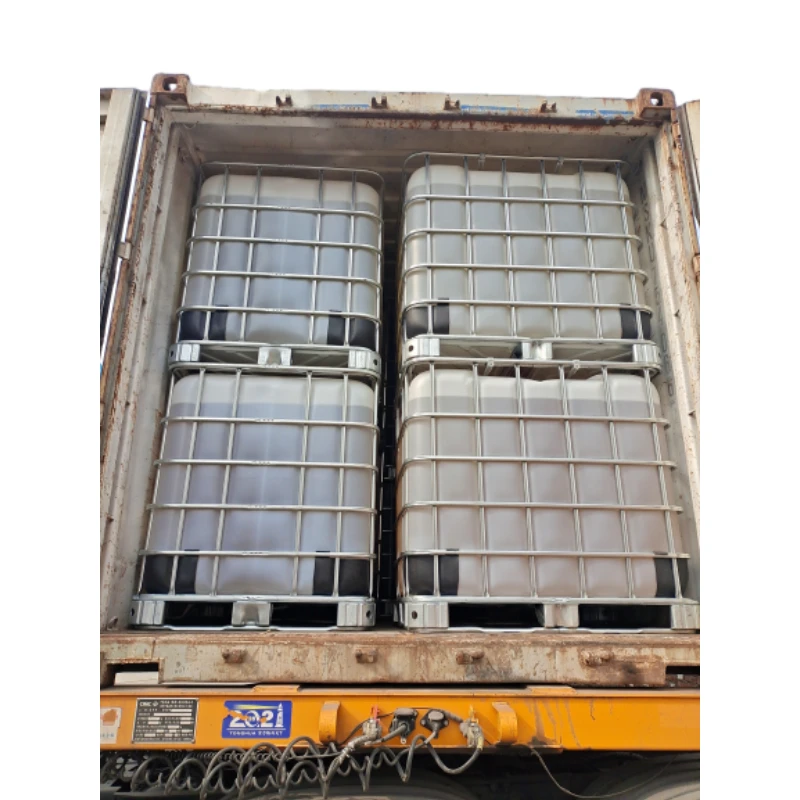
view more DiethanolisopropanolamineIn the ever-growing field of chemical solutions, diethanolisopropanolamine (DEIPA) stands out as a versatile and important compound. Due to its unique chemical structure and properties, DEIPA is of interest to various industries including construction, personal care, and agriculture. -
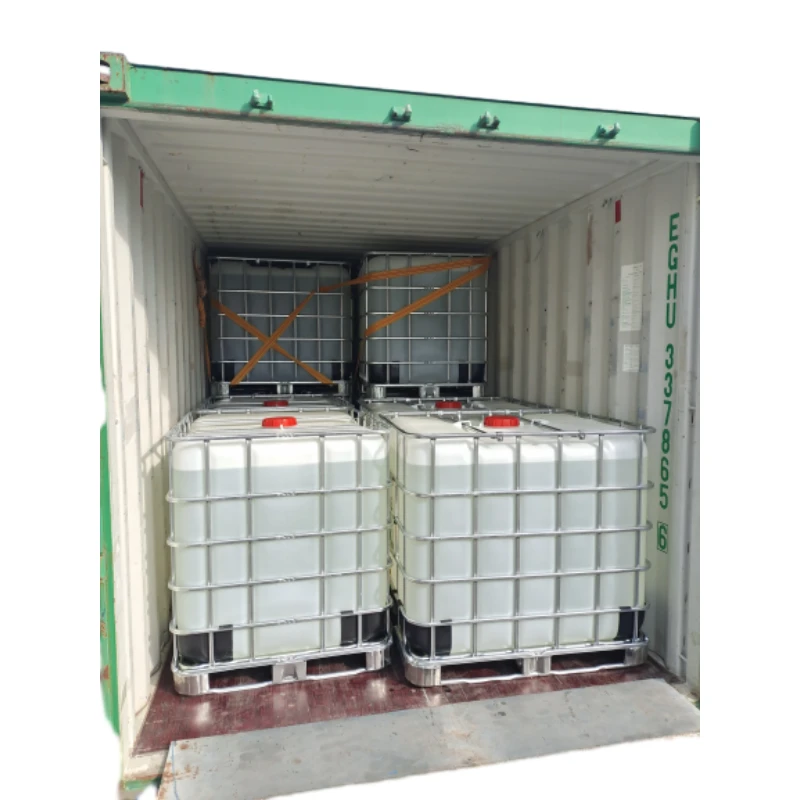
view more TriisopropanolamineTriisopropanolamine (TIPA) alkanol amine substance, is a kind of alcohol amine compound with amino and alcohol hydroxyl, and because of its molecules contains both amino and hydroxyl. -

view more Tetramethyl Thiuram DisulfideTetramethyl thiuram disulfide, also known as TMTD, is a white to light-yellow powder with a distinct sulfur-like odor. It is soluble in organic solvents such as benzene, acetone, and ethyl acetate, making it highly versatile for use in different formulations. TMTD is known for its excellent vulcanization acceleration properties, which makes it a key ingredient in the production of rubber products. Additionally, it acts as an effective fungicide and bactericide, making it valuable in agricultural applications. Its high purity and stability ensure consistent performance, making it a preferred choice for manufacturers across various industries.