





Sodium Benzoate is a Preservative A Comprehensive Guide to Applications and Safety
Sodium Benzoate is a Preservative: A Comprehensive Guide
In the world of food science, pharmaceuticals, and even cosmetics, preserving product integrity is paramount. Sodium benzoate is a widely used preservative, playing a crucial role in extending shelf life and maintaining quality. This article will explore the properties, applications, safety aspects, and regulatory status of sodium benzoate, providing a thorough overview for businesses and consumers alike. Understanding this versatile compound is key to ensuring product safety and longevity.
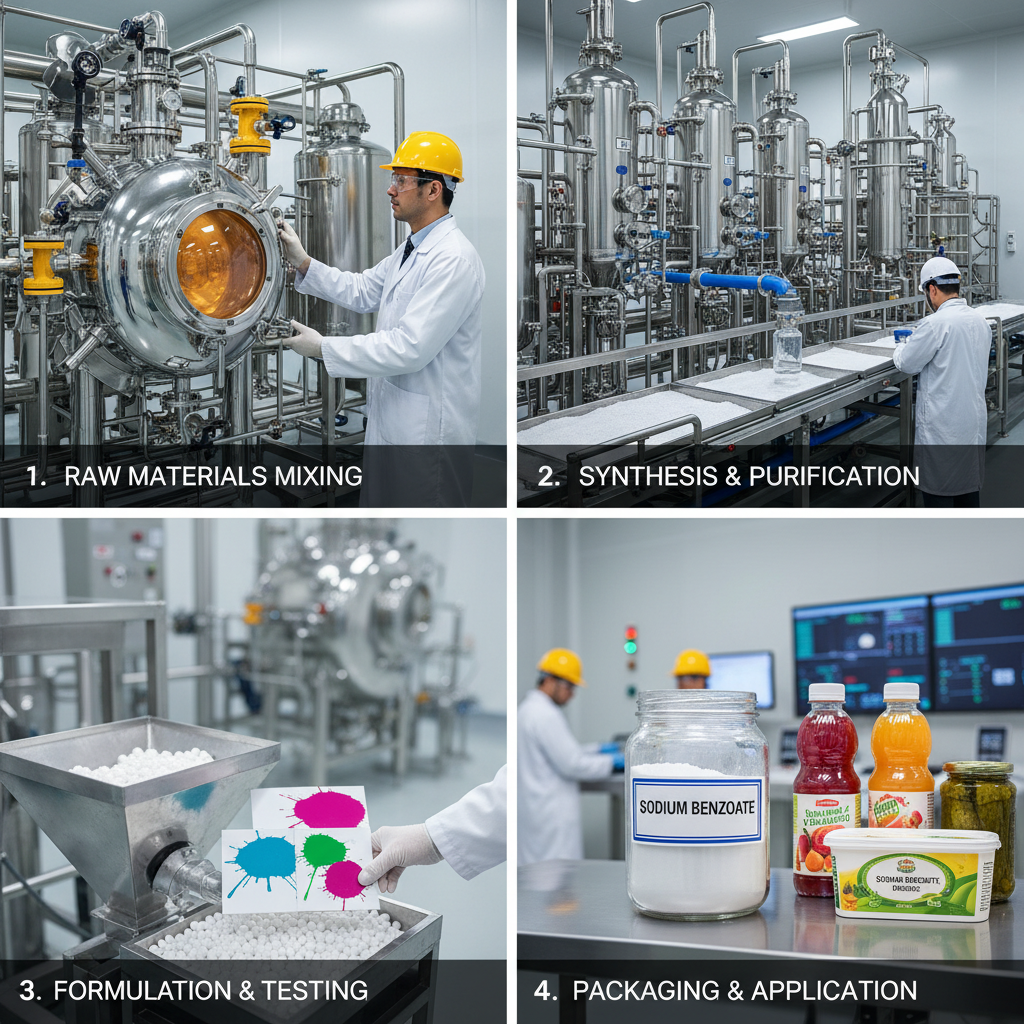
What Exactly is Sodium Benzoate?
Sodium benzoate is the sodium salt of benzoic acid. It’s a white, crystalline powder with a slight, characteristic odor. Crucially, it’s highly soluble in water. Its primary function is to inhibit the growth of mold, yeast, and some bacteria, thereby preventing spoilage. This makes it a popular choice in a diverse range of products. The effectiveness of sodium benzoate is pH-dependent, functioning best in acidic environments (pH below 4.5). It is an incredibly effective tool when used correctly, and Tenger Chemical provides high-quality sodium benzoate for a variety of industrial needs.
Key Highlights: Sodium benzoate is the sodium salt of benzoic acid and highly soluble in water. It is most effective in acidic environments and prevents the growth of mold, yeast, and some bacteria.
Applications of Sodium Benzoate: A Versatile Preservative
The applications of sodium benzoate are incredibly diverse. It's commonly found in acidic foods such as carbonated drinks, fruit juices, pickles, salad dressings, jams, and jellies. Beyond food, it’s used in pharmaceuticals as a preservative in syrups, creams, and lotions. The cosmetic industry utilizes it in shampoos, conditioners, and other personal care products to prevent microbial growth. It even finds applications in industrial settings, like corrosion inhibitors and as a component in some adhesives. The widespread use demonstrates its versatility and efficacy.
Common Applications:
• Carbonated beverages
• Pickled foods
• Pharmaceuticals (syrups, creams)
• Cosmetics (shampoos, lotions)
Sodium Benzoate vs. Other Preservatives: A Comparison
While several preservatives are available, sodium benzoate holds a unique position due to its effectiveness and cost-efficiency. Compared to sorbic acid, sodium benzoate generally requires lower concentrations for similar preservation effects. Potassium sorbate, another common preservative, works better in higher pH environments. However, sodium benzoate is more effective in highly acidic conditions. Formaldehyde-releasing preservatives are potent but often face increasing scrutiny due to health concerns. Sodium benzoate, when used within approved limits, offers a safer alternative for many applications.
Safety Considerations and Regulations
While generally recognized as safe (GRAS) by the FDA within specified limits (typically up to 0.1% by weight), sodium benzoate has been subject to scrutiny due to potential health concerns. Some studies have suggested a possible link between sodium benzoate and hyperactivity in children when combined with artificial food colors. However, these findings remain controversial. Regulatory bodies worldwide, including the FDA and EFSA, continue to monitor research and set acceptable daily intake (ADI) levels to ensure consumer safety. Always check product labeling and adhere to recommended usage guidelines.

Sourcing High-Quality Sodium Benzoate from Tenger Chemical
For businesses seeking a reliable source of sodium benzoate, Tenger Chemical offers a commitment to quality, purity, and consistent supply. We adhere to stringent quality control measures throughout the production process, ensuring our sodium benzoate meets or exceeds industry standards. Our comprehensive product specifications and dedicated customer support make us a trusted partner for businesses across various sectors. Partner with us for reliable, high-quality solutions.
Conclusion: A Vital Component for Product Preservation
Sodium benzoate remains an essential preservative across diverse industries. Its efficacy, cost-effectiveness, and established safety profile (when used correctly) make it a valuable tool for extending product shelf life and maintaining quality. By understanding its properties, applications, and regulatory status, businesses and consumers can make informed decisions. Tenger Chemical is dedicated to providing high-quality sodium benzoate to meet the evolving needs of the market.
Frequently Asked Questions (FAQs)
What is the maximum permissible level of sodium benzoate in food products?
The maximum permissible level of sodium benzoate in food products varies by country and specific food type. In the United States, the FDA generally allows up to 0.1% (1000 ppm) by weight. However, regulations differ for specific products like fruit juices and beverages. It’s crucial for manufacturers to consult with the relevant food safety authorities in their target markets to ensure compliance. Adhering to these limits is essential for consumer safety and legal compliance.
Can sodium benzoate be used in organic products?
Generally, sodium benzoate is not permitted in certified organic products. Organic standards typically prioritize natural preservation methods. While benzoic acid can occur naturally in some fruits, the synthesized sodium benzoate is not allowed. Some exceptions may exist depending on specific organic certification programs and local regulations, but the vast majority of organic standards prohibit its use.
Does sodium benzoate affect the taste or odor of food products?
At typical usage levels, sodium benzoate generally does not significantly alter the taste or odor of food products. However, at higher concentrations, it can impart a slightly salty or bitter taste. Careful formulation and adherence to recommended dosage levels are crucial to avoid any noticeable sensory impact.
What are the proper storage conditions for sodium benzoate?
Sodium benzoate should be stored in a cool, dry, and well-ventilated area, away from direct sunlight and incompatible materials such as strong oxidizing agents. It’s important to keep the container tightly closed to prevent moisture absorption, which can cause clumping. Proper storage will maintain the product's purity and effectiveness.
-
The Essential Guide to Sorbates as Food Preservatives for SafetyNewsApr.16,2026
-
The Ultimate Guide to Sorbate Preservative in Modern IndustryNewsApr.09,2026
-
Comprehensive Guide to Sodium Stearoyl Lactylate Emulsifier Applications and BenefitsNewsApr.07,2026
-
Comprehensive Guide to Sodium Cyclamate Sweetener Properties and ApplicationsNewsApr.04,2026
-
Comprehensive Guide to Sodium Citrate Food Additive and Its ApplicationsNewsMar.31,2026
-
Comprehensive Guide to Sodium Bicarbonate Food Additive Applications and BenefitsNewsMar.28,2026
-
Understanding Sodium Benzoate Preservative in Cosmetics and Its ApplicationsNewsMar.26,2026
Hebei Tenger Chemical Technology Co., Ltd. focuses on the chemical industry and is committed to the export service of chemical raw materials.
-
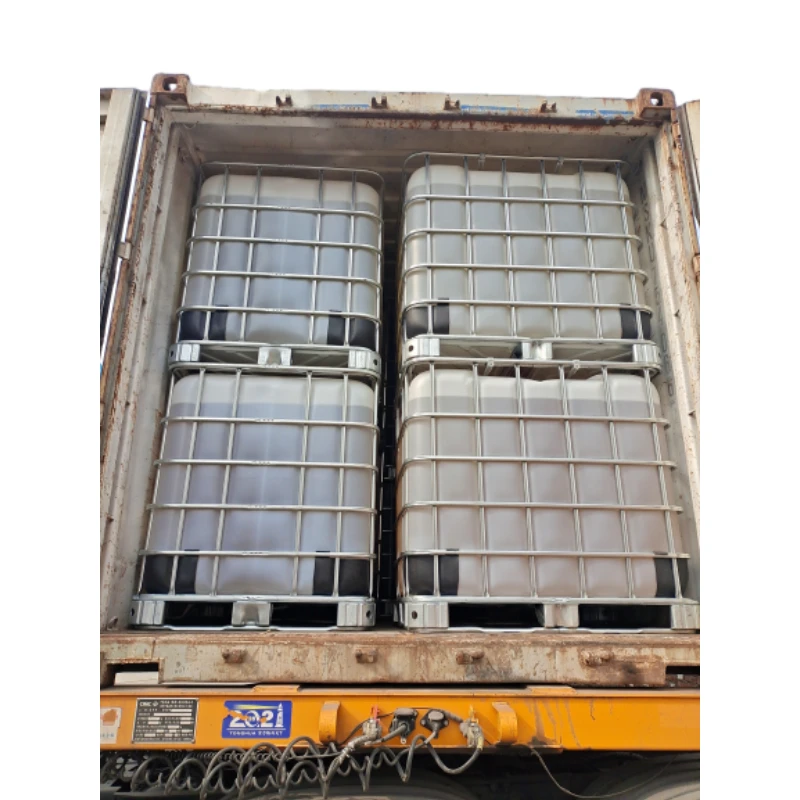
view more DiethanolisopropanolamineIn the ever-growing field of chemical solutions, diethanolisopropanolamine (DEIPA) stands out as a versatile and important compound. Due to its unique chemical structure and properties, DEIPA is of interest to various industries including construction, personal care, and agriculture. -
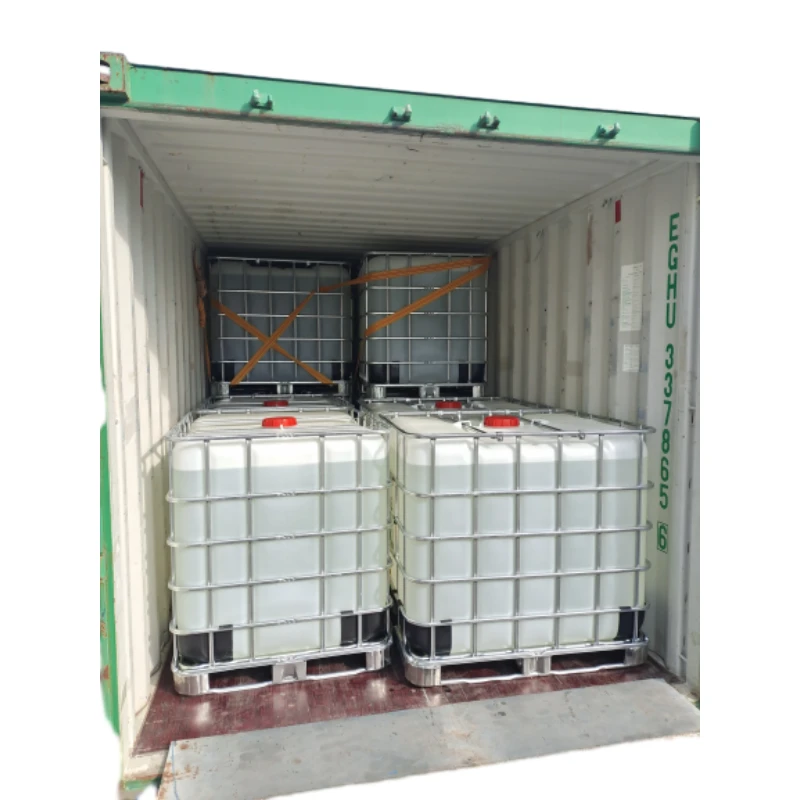
view more TriisopropanolamineTriisopropanolamine (TIPA) alkanol amine substance, is a kind of alcohol amine compound with amino and alcohol hydroxyl, and because of its molecules contains both amino and hydroxyl. -

view more Tetramethyl Thiuram DisulfideTetramethyl thiuram disulfide, also known as TMTD, is a white to light-yellow powder with a distinct sulfur-like odor. It is soluble in organic solvents such as benzene, acetone, and ethyl acetate, making it highly versatile for use in different formulations. TMTD is known for its excellent vulcanization acceleration properties, which makes it a key ingredient in the production of rubber products. Additionally, it acts as an effective fungicide and bactericide, making it valuable in agricultural applications. Its high purity and stability ensure consistent performance, making it a preferred choice for manufacturers across various industries.