





What Are Additives and Why They Matter in Industry Today | Tenger Chemical
The Role of Additives: Enhancing Quality and Efficiency Worldwide
When you hear the word additives, your mind probably drifts to the food aisle or chemical labs. But these substances have an incredibly broad impact, extending deep into industries vital for global development, sustainability, and modernization. From construction materials to plastics and fuels, additives unlock properties that raw materials alone can't achieve — improved durability, enhanced color, safety, and performance.
Understanding additives isn't just for scientists or factory operators — its ripple effect touches everything from infrastructure resilience in disaster-prone regions to innovations in green technology. Oddly enough, additives can be the quiet heroes helping to reduce waste or lower carbon footprints as industries strive toward sustainability goals.
Mini takeaway: Additives aren’t just minor ingredients — they’re strategic enhancers embedded in materials worldwide to improve quality, safety, and sustainability.
How Additives Matter in a Global Context
According to the International Organization for Standardization (ISO), global industries increasingly rely on additive technologies to meet rising demands for efficiency and safety. The World Bank also reports that infrastructure development — heavily dependent on advanced materials — is forecasted to grow by nearly 4% annually worldwide over the next decade.
Yet, these evolving demands present challenges. Consider the explosive pace of urbanization paired with climate change. Traditional building materials often fail to cope with extreme weather or rapid wear. Here, additives become critical, offering solutions that improve material resistance or speed up construction cycles. Without them, many breakthroughs simply wouldn’t be viable.
Mini takeaway: Additives solve pressing global challenges by supporting industries in adapting materials to new environmental and technological demands.
What Are Additives, Really?
Simply put, additives are substances added in small amounts to a material or mixture to modify its properties without drastically changing the main composition. Think of them as seasoning in cooking — a pinch can transform flavor or texture profoundly.
In industry, additives can be plasticizers that make plastics flexible, colorants that enhance visual appeal, stabilizers that prolong shelf life, or flame retardants for safety. The connection to humanitarian needs is also strong: additives improve durability in shelter materials for emergency housing, or enhance fuel additives that reduce emissions, contributing toward cleaner air.
Mini takeaway: Simplified, additives are the ‘modifiers’ that bring enhanced functionality to materials, making modern industry possible.
Key Factors Behind Effective Additives
1. Durability
Adding durability-focused additives to building materials can vastly extend lifespan, decreasing maintenance and replacement costs. Engineers swear by corrosion inhibitors or UV stabilizers to protect infrastructure in harsh climates.
2. Scalability
Scalability is crucial — an additive should integrate easily across production volumes without sacrificing consistency or adding complexity. This ensures businesses can meet market demands reliably.
3. Cost Efficiency
Cost might seem obvious, but it’s a balancing act. Additives must improve performance while maintaining or reducing overall costs. Some high-performance additives, like nanomaterials, are pricier upfront but offer savings long term.
4. Environmental Impact
More than ever, environmental friendliness drives additive choice. Biodegradable or low-toxicity additives help products align with green policies and consumer expectations.
Mini takeaway: Four pillars — durability, scalability, cost, environment — shape additive development and selection.
Global Applications & Use Cases of Additives
Let’s get real-world: in Southeast Asia, additives that improve concrete’s resistance to humidity help coastal cities battle rapid corrosion. In northern Europe, flame retardant additives in household insulation are standard due to strict fire safety codes.
Remote industrial zones, like mining sites in South America, use specialty additives to ensure fuel quality doesn’t degrade over long storage times — preventing costly downtime. Humanitarian groups delivering emergency shelters to earthquake survivors rely on lightweight additive-enhanced materials for faster setup and greater resilience.
Mini takeaway: Applications of additives span continents and sectors, adapting materials to varied climate, safety, and logistical challenges worldwide.
Product Specifications of Typical Industrial Additives
| Additive Type | Typical Use | Concentration Range (%) | Environmental Profile |
|---|---|---|---|
| Plasticizers | Increase plastic flexibility | 1-5% | Varies: some bio-based options |
| Corrosion inhibitors | Protect metals from oxidation | 0.5-3% | Mostly low toxicity |
| Flame retardants | Reduce flammability | 2-10% | Some concerns, growing bio-based |
| UV stabilizers | Protects from UV damage | 0.1-1% | Generally eco-friendly |
Advantages & Long-Term Value of Using Additives
Frankly, the benefits stretch beyond technical specs. Additives reduce material waste by increasing lifespan, which means fewer replacements and less raw material consumption overall. This saves money but also lessens environmental strain, a win-win we don’t see often.
On a social level, additives enable safer, more reliable construction and products. They promote innovation by allowing manufacturers to experiment with new formulations while maintaining trust in performance. Many companies I’ve spoken to highlight confidence in additives as a key to maintaining brand integrity — their customers notice the difference.
Mini takeaway: The blend of economic savings, sustainability, and improved product trust makes additives a long-term value driver.
Looking Ahead: Future Trends & Innovations in Additives
Digital transformation influences additive development too. We’re seeing automated ingredient blending with AI ensuring ultra-precise formulations that optimize performance while reducing waste. Plus, the focus on green energy and circular economy is pushing bio-based and recyclable additive materials forward.
New materials like nanomaterials and enzyme-based additives could redefine what products are capable of — stronger, self-healing, or fully biodegradable. It feels like we're on the cusp of a materials revolution all powered by smarter additives.
Challenges and Practical Solutions
Of course, not everything is perfect. Some additives present environmental risks if misused or over-applied, and regulatory hurdles remain complex across regions. Cost barriers for cutting-edge additives can also deter smaller businesses.
Experts recommend integrated lifecycle assessments and investment in biobased alternatives to mitigate impact. Industry consortia and organizations like ASTM International have been instrumental in harmonizing standards that ease trade and safety concerns.
Mini takeaway: Overcoming additive challenges demands collaboration, innovation, and strict standards enforcement.
Frequently Asked Questions about Additives
-
Q: How do additives improve the durability of construction materials?
A: Additives like corrosion inhibitors and UV stabilizers strengthen materials by preventing degradation caused by weather, chemicals, or sunlight, which extends the lifespan of structures significantly. -
Q: Are additives safe for the environment?
A: Many modern additives are designed to be low-toxicity and environmentally friendly, especially bio-based options. However, some traditional additives may have environmental concerns if not managed properly. -
Q: How can manufacturers balance cost and performance when choosing additives?
A: By analyzing lifecycle costs and potential savings from enhanced material properties, manufacturers can select additives that provide the best long-term value rather than just upfront savings. -
Q: What industries rely most heavily on additives?
A: Construction, plastics, automotive, packaging, and fuel industries all depend on additives to meet safety standards, improve performance, and comply with regulations. -
Q: Can additives help make products more sustainable?
A: Absolutely. Additives increase durability, reduce waste, and enable use of recyclables or bio-materials, aiding sustainability goals.
Vendor Comparison: Leading Additive Suppliers
| Vendor | Key Strength | Product Range | Sustainability Focus | Typical Industries Served |
|---|---|---|---|---|
| Tenger Chemical | Advanced bio-additives | Plasticizers, Stabilizers, Corrosion inhibitors | Strong — bio-based & low VOC | Plastics, construction |
| GlobalChem Corp. | Wide international supply | Flame retardants, UV stabilizers, additives for fuels | Moderate — working on greener lines | Automotive, packaging, fuels |
| PureAdd Solutions | High-performance specialty additives | Nanomaterial-based stabilizers, plasticizers | High — pioneering green nanotech | Electronics, aerospace, construction |
Wrapping It Up: Why Additives Will Remain Central to Industry
Additives are more than just small additions. They’re often the reason products perform safely and sustainably as expected. As industries face evolving challenges from climate to consumer expectations, these subtle enhancers will play an even bigger role.
Curious to explore effective additive solutions tailored to your industry? Visit our website: Tenger Chemical to find innovative additives designed to boost durability, sustainability, and performance.
References:
-
The Essential Guide to Sorbates as Food Preservatives for SafetyNewsApr.16,2026
-
The Ultimate Guide to Sorbate Preservative in Modern IndustryNewsApr.09,2026
-
Comprehensive Guide to Sodium Stearoyl Lactylate Emulsifier Applications and BenefitsNewsApr.07,2026
-
Comprehensive Guide to Sodium Cyclamate Sweetener Properties and ApplicationsNewsApr.04,2026
-
Comprehensive Guide to Sodium Citrate Food Additive and Its ApplicationsNewsMar.31,2026
-
Comprehensive Guide to Sodium Bicarbonate Food Additive Applications and BenefitsNewsMar.28,2026
-
Understanding Sodium Benzoate Preservative in Cosmetics and Its ApplicationsNewsMar.26,2026
Hebei Tenger Chemical Technology Co., Ltd. focuses on the chemical industry and is committed to the export service of chemical raw materials.
-
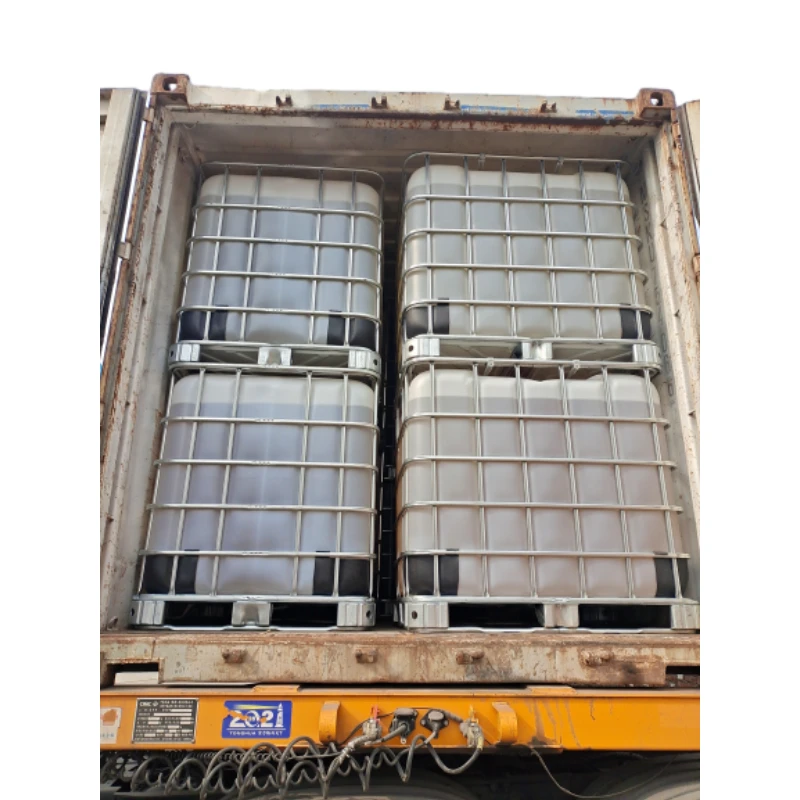
view more DiethanolisopropanolamineIn the ever-growing field of chemical solutions, diethanolisopropanolamine (DEIPA) stands out as a versatile and important compound. Due to its unique chemical structure and properties, DEIPA is of interest to various industries including construction, personal care, and agriculture. -
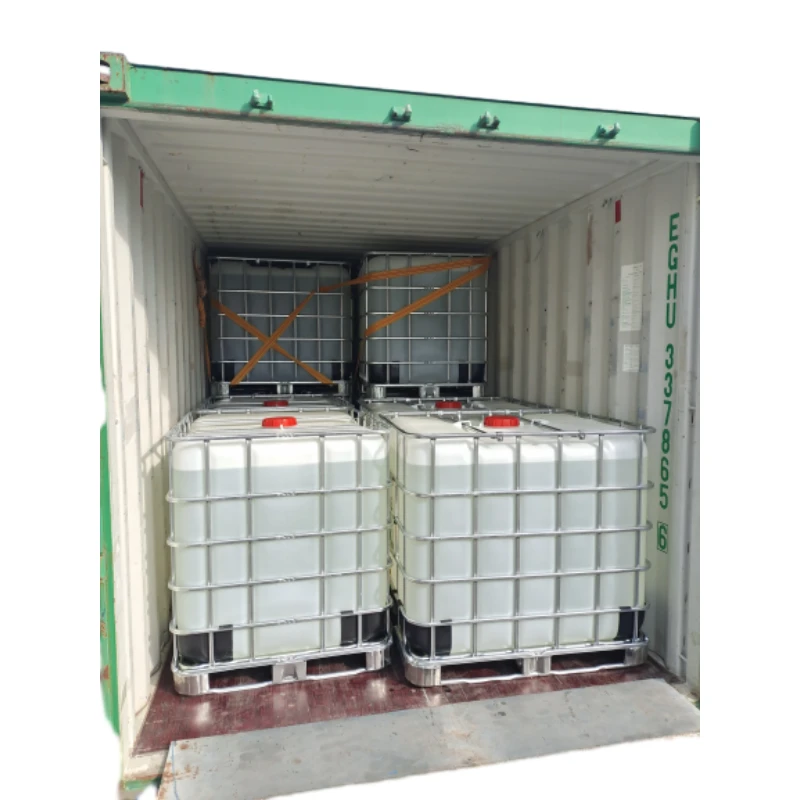
view more TriisopropanolamineTriisopropanolamine (TIPA) alkanol amine substance, is a kind of alcohol amine compound with amino and alcohol hydroxyl, and because of its molecules contains both amino and hydroxyl. -
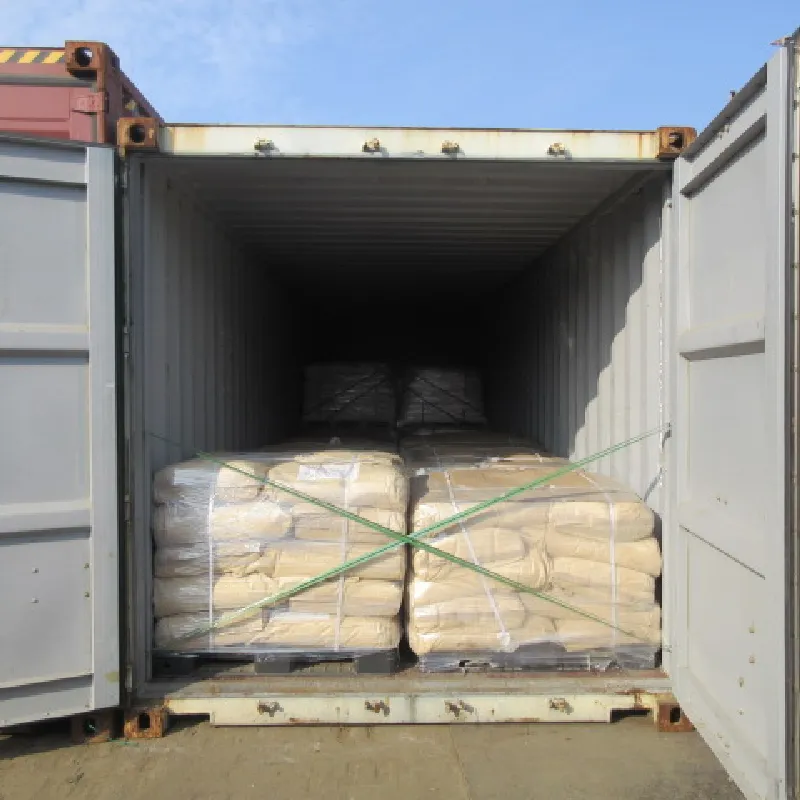
view more Tetramethyl Thiuram DisulfideTetramethyl thiuram disulfide, also known as TMTD, is a white to light-yellow powder with a distinct sulfur-like odor. It is soluble in organic solvents such as benzene, acetone, and ethyl acetate, making it highly versatile for use in different formulations. TMTD is known for its excellent vulcanization acceleration properties, which makes it a key ingredient in the production of rubber products. Additionally, it acts as an effective fungicide and bactericide, making it valuable in agricultural applications. Its high purity and stability ensure consistent performance, making it a preferred choice for manufacturers across various industries.