





Ammonium Bicarbonate Buy – Food-Grade Powder, Best Price
Ammonium Bicarbonate: Real-World Buying Guide, Specs, and Vendor Insights
If you’re scanning for [ammonium bicarbonate buy] information you can trust, here’s the short version: the market is steady, quality varies by producer, and smart buyers ask for data—actual COA numbers, not just “99%.” Now, the longer story (and the more useful one).
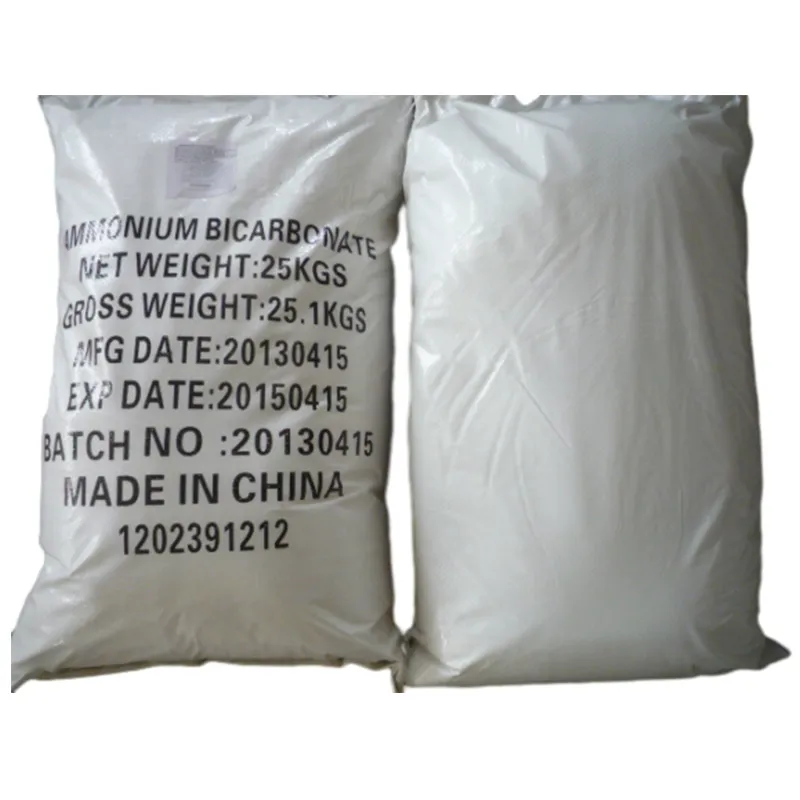
What’s moving the market
Ammonium bicarbonate—also known as ABC or “baker’s ammonia”—is seeing steady demand from biscuit/cracker lines and certain pharma intermediates. There’s a quiet trend toward low-residue, low-sulfate grades for export bakeries, and—interestingly—ag-input blenders want tighter particle-size control to tame dust. Prices track ammonia and carbon dioxide availability; logistics (especially bag breakage) matters more than most folks admit.
At-a-glance specifications (typical)
| Product | Ammonium Bicarbonate (E503(i)) |
| Chemical Formula | NH4HCO3 |
| Purity (NH4HCO3) | ≥ 99.0% (typical COA: 99.2%) |
| Moisture | ≤ 0.4% (typical 0.2%) |
| Sulfate (SO4) | ≤ 0.007% (typical 0.005–0.006%) |
| Particle Size | Crystalline powder/granules, D50 ≈ 200–600 μm (customizable) |
| Decomposition | Releases NH3 + CO2 around 36–60°C; fully decomposes with heat |
| Packaging | 25 kg PE-lined bags; jumbo options on request |
| Shelf/Service Life | 12 months sealed, cool/dry; real-world use may vary |
| Standards | FCC; E503(i); GB 1886.x; EU 231/2012 specs |
How it’s made (process flow, simplified)
Materials: anhydrous ammonia + carbon dioxide + purified water. Method: gas absorption → precipitation → crystallization → centrifuge/drying → sieving → packaging. QC tests typically follow FCC/GB protocols: assay, moisture, sulfate, chloride, non-volatile residue, and sensory checks (odor). Batches get stability checks because ABC is a bit fussy with humidity.
Where it’s used—and why
- Food: low-moisture bakery (crackers, cookies) for crisp texture and rapid gas release; labeled as E503(i).
- Agriculture: nitrogen source in blends; some greenhouse uses.
- Pharma/intermediates: CO2/NH3 donor in niche syntheses; lab-grade leavening studies.
Advantages include clean decomposition (no sodium residue) and strong leavening power at low temperatures. Many customers say they notice crisper bite in thin biscuits versus sodium bicarb alone.
Vendor comparison (quick reality check)
| Vendor | MOQ | Lead Time | Certs | QC/COA Detail | Customization |
|---|---|---|---|---|---|
| Tenger Chemical (Origin: 3-2-501, West District, Jiuli Courtyard, Yuhua District, Shijiazhuang, Hebei, China) | 1 MT | ≈ 7–14 days | ISO 9001; food-grade docs (HACCP/Kosher/Halal on request) | Full FCC/GB panel with lot traceability | Particle size, anti-caking, packaging print |
| Marketplace Supplier A | 500 kg | 10–20 days | Basic | Assay + moisture only | Limited |
| Local Trader | As available | Stock-based | Varies | COA may be 3rd-party | Usually none |
Customization and testing
Common requests: tighter D50 for low-dust handling, anti-caking agents (food-grade), and low-sulfate grades for export. Testing against FCC/EU 231/2012/GB limits plus sensory (odor) is routine. For pharma-adjacent use, ask for elemental impurities screening and an ammonia odor-release curve (I know, niche—but helpful).
Case study: bakery line optimization
A Southeast Asian cracker maker switched to a low-sulfate ABC and tweaked bake temp by +8°C. Results after 3 weeks: spread uniformity improved ≈ 6%, breakage down ≈ 3%, and panelists noted “cleaner snap.” They also cited fewer ammonia-odor complaints post-bake—likely from better venting and a narrower particle band.
Buying tips (from the trenches)
- Ask for a current COA with sulfate, moisture, and non-volatile residue shown.
- Confirm storage: cool, dry, sealed. ABC is hygroscopic and decomposes with heat.
- For food use, align labels to FCC/E503(i) and local regulations; keep SDS on file.
If you’re pursuing ammonium bicarbonate buy for food production, ensure the vendor states compliance to FCC and EU 231/2012 specs. For agriculture, ammonium bicarbonate buy decisions often hinge on dust and caking—granulation pays off. For pharma-adjacent intermediates, ammonium bicarbonate buy usually pairs with tighter impurity control and smaller lot sizes.
Note: Certifications (ISO/HACCP/Kosher/Halal) may be available upon request and should be verified per lot or at least annually.
Authoritative citations
- FCC (Food Chemicals Codex) Monograph: Ammonium Bicarbonate, latest edition.
- Commission Regulation (EU) No 231/2012: Specifications for food additives—E503(i).
- JECFA Compendium of Food Additive Specifications: Ammonium Bicarbonate.
- GB 1886 (China) Food Additive Standards series—Ammonium Bicarbonate specification.
-
The Essential Guide to Sorbates as Food Preservatives for SafetyNewsApr.16,2026
-
The Ultimate Guide to Sorbate Preservative in Modern IndustryNewsApr.09,2026
-
Comprehensive Guide to Sodium Stearoyl Lactylate Emulsifier Applications and BenefitsNewsApr.07,2026
-
Comprehensive Guide to Sodium Cyclamate Sweetener Properties and ApplicationsNewsApr.04,2026
-
Comprehensive Guide to Sodium Citrate Food Additive and Its ApplicationsNewsMar.31,2026
-
Comprehensive Guide to Sodium Bicarbonate Food Additive Applications and BenefitsNewsMar.28,2026
-
Understanding Sodium Benzoate Preservative in Cosmetics and Its ApplicationsNewsMar.26,2026
Hebei Tenger Chemical Technology Co., Ltd. focuses on the chemical industry and is committed to the export service of chemical raw materials.
-
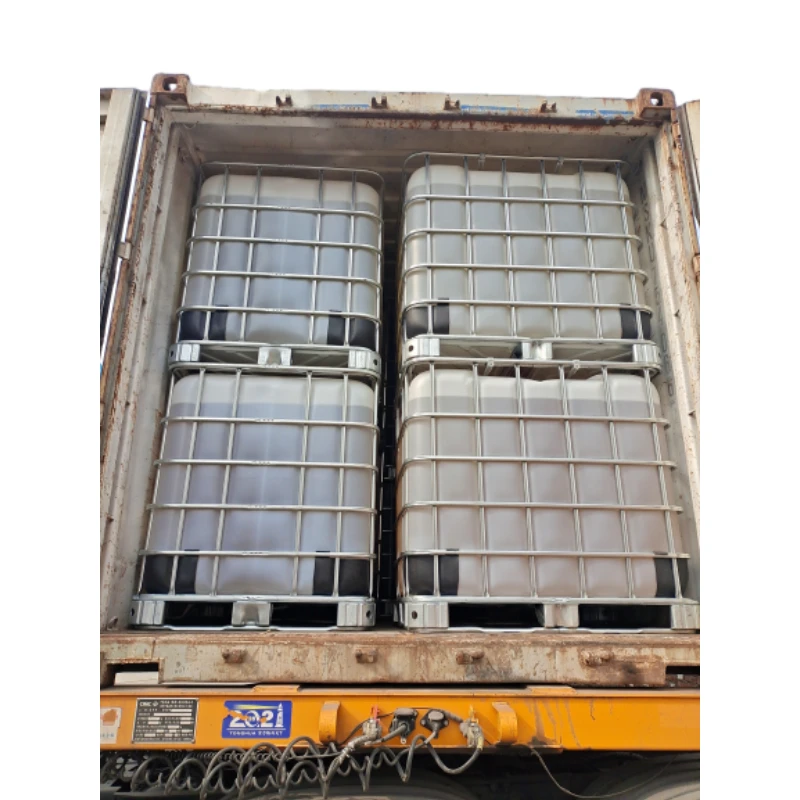
view more DiethanolisopropanolamineIn the ever-growing field of chemical solutions, diethanolisopropanolamine (DEIPA) stands out as a versatile and important compound. Due to its unique chemical structure and properties, DEIPA is of interest to various industries including construction, personal care, and agriculture. -
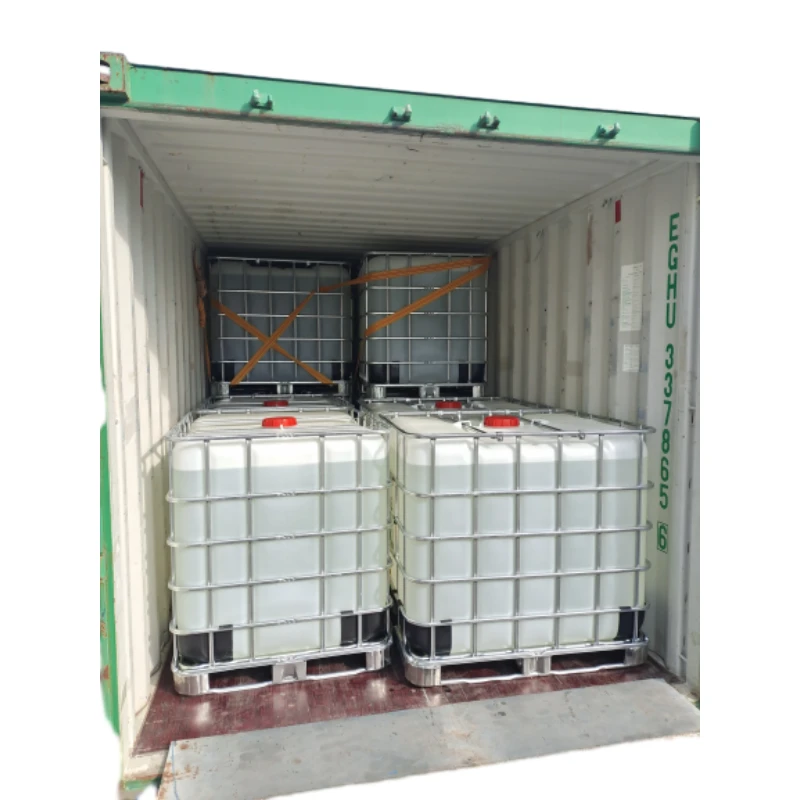
view more TriisopropanolamineTriisopropanolamine (TIPA) alkanol amine substance, is a kind of alcohol amine compound with amino and alcohol hydroxyl, and because of its molecules contains both amino and hydroxyl. -
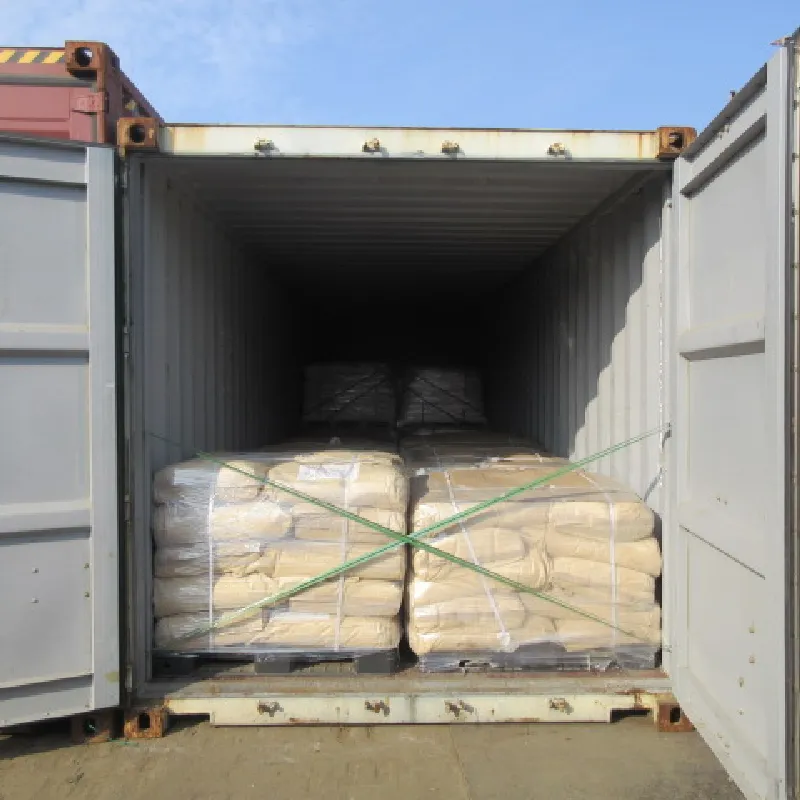
view more Tetramethyl Thiuram DisulfideTetramethyl thiuram disulfide, also known as TMTD, is a white to light-yellow powder with a distinct sulfur-like odor. It is soluble in organic solvents such as benzene, acetone, and ethyl acetate, making it highly versatile for use in different formulations. TMTD is known for its excellent vulcanization acceleration properties, which makes it a key ingredient in the production of rubber products. Additionally, it acts as an effective fungicide and bactericide, making it valuable in agricultural applications. Its high purity and stability ensure consistent performance, making it a preferred choice for manufacturers across various industries.