





Cake Additives – Enhancing Taste, Texture & Shelf Life in Modern Baking
Understanding Cake Additives: More Than Just an Ingredient
At first glance, cake additives might sound like a niche topic reserved for bakers with precise recipes or chemists tinkering with flour blends. But the reality is broader — it spans industries, touches on food security, sustainability, and even global supply chains. Cake additives aren’t just about making your birthday sponge softer or sweeter. They’re fundamental components that influence shelf life, texture, nutrition, and food safety across millions of households and businesses worldwide.
Why does paying attention to these ingredients matter globally? Because behind the sweet tables and bakery shelves, cake additives are a gateway to innovations that tackle everything from waste reduction to healthier eating in undernourished regions. Considering how much cake and baked goods permeate cultures everywhere, understanding additives offers insight into food technology, regulation, and even socioeconomic trends.
The Global Importance of Cake Additives in Today’s Food Industry
It might surprise you, but the market for food additives — and specifically cake additives — is booming. According to the International Organization for Standardization (ISO) and the Food and Agriculture Organization (FAO), food production today increasingly relies on additives to ensure consistent product quality amid rising demand and complex supply chains.
The global baked goods market alone hit a staggering $451 billion in 2023 (Statista), and additives play a key role there. Challenges like reducing food waste by extending freshness, meeting nutritional requirements, and catering to varied dietary preferences all turn back to the careful choice of additives. For example, in regions facing food scarcity or strict importation regulations, additives can support longer shelf lives or compensate for lost freshness during transport.
In real terms, cake additives address a big problem: how do you make desserts, snacks, and staple baked goods reliable, tasty, and safe no matter where they end up? Without additives, shelf life shrinks, costs rise, and consumer satisfaction drops — a tricky combination in a world that’s both globalized and hyper-localized.
What Exactly Are Cake Additives?
At their core, cake additives are substances intentionally added to cake batter or finished cakes to improve specific properties — texture, volume, preservation, flavor, or appearance. These can be natural ingredients like emulsifiers derived from soy lecithin or synthetic compounds designed to control moisture or delay staling.
Think of additives as silent partners in baking. They don’t steal the show like sugar or flour, but without them, the final product would often be disappointing or impractical. Modern food industries rely on clever formulations of these additives not only for taste and texture but to meet regulatory standards and consumer expectations worldwide.
Oddly enough, cake additives tie closely into humanitarian needs as well. For instance, nutrient-fortifying additives can help populations with malnutrition, while preservatives ensure safe food supplies in disaster zones or regions with limited refrigeration.
Key Factors That Define Effective Cake Additives
1. Preservation and Shelf Life Extension
One of the biggest uses is to keep cakes fresh longer, reducing spoilage and waste. Ingredients like antioxidants or antimicrobials help inhibit mold growth and prevent rancidity, essential for mass production and logistics.
2. Texture and Volume Enhancement
Nothing ruins a cake like dryness or collapse. Additives such as emulsifiers and stabilizers improve crumb softness, moisture retention, and aeration — making cakes fluffy and satisfying.
3. Flavor and Appearance Optimization
Color enhancers, flavor stabilizers, and fat replacers help maintain that ‘just-baked’ appeal. Consumers expect visual and taste consistency, especially in commercial products.
4. Nutritional Fortification
Some additives enrich cakes with vitamins, minerals, or fiber to boost their health profile — an increasingly important trend in health-conscious markets.
5. Cost Efficiency and Scalability
Effective cake additives allow bakers to maximize ingredient utility without sacrificing quality, reducing overall production costs and enabling scalable production.
Mini Takeaway:
In essence, cake additives are indispensable tools that balance science and art. Their capabilities touch everything from preserving flavor to extending shelf life, meeting both commercial demands and consumer needs.
Global Applications: Where Cake Additives Shine
It’s fascinating to see how cake additives reveal different faces depending on geography and use case. Western markets often prioritize nutritional enhancement and clean labeling — think organic emulsifiers or natural preservatives. Meanwhile, in fast-growing economies like India or Brazil, additives focus more on cost efficiency and shelf stability due to logistical challenges.
In humanitarian contexts, organizations working in disaster relief rely on fortified, shelf-stable cakes as quick nourishment. For example, agencies distributing food aid in refugee camps include additives that extend shelf life without refrigeration, ensuring food remains safe and nutritious after transport delays.
In industrial food production hubs such as Europe or North America, additives help automate large-batch production lines by controlling batter flow, preventing oxidation during storage, and guaranteeing batch consistency. Smaller bakeries might rely on simpler additive blends to maintain freshness over a few days.
| Cake Additive Type | Primary Function | Typical Sources | Application Example |
|---|---|---|---|
| Emulsifiers | Improve texture, increase volume | Soy lecithin, mono- and diglycerides | Fluffy sponge cakes |
| Preservatives | Extend shelf life | Calcium propionate, sorbic acid | Packaged cakes for export |
| Flavor Enhancers | Maintain fresh taste | Natural extracts, MSG (occasionally) | Ready-to-eat pastries |
| Nutrient Fortifiers | Add vitamins/minerals | Iron, folic acid, vitamin D | Health-focused bakery lines |
The Tangible Benefits of Cake Additives: More Than Just Sweetness
We often underestimate the real value cake additives bring beyond flavor and appearance. Cost savings are significant because longer-lasting products reduce waste — an environmental win. Plus, consumers benefit from safer cakes with lower microbial risks. It’s kind of like investing in peace of mind.
From a social viewpoint, fortification helps those with limited access to balanced diets. I recall a community nutrition project where fortified cake additives contributed to improved childhood iron levels across a region. Plus, the trust brands build by consistently delivering moist, tasty cakes fosters loyalty — a subtle but powerful emotional benefit.
Looking Ahead: Innovations and Trends Shaping Cake Additives
There’s a green revolution underway for cake additives. Natural and plant-based emulsifiers are rising in popularity thanks to consumer demand for “clean labels.” Some companies experiment with enzyme technology to tailor dough behavior without synthetic chemicals. Oddly enough, digital baking systems now enable precise additive dosing, reducing waste and improving reproducibility.
Forward-thinking vendors are also exploring biodegradable packaging coupled with additives that help preserve freshness — a holistic sustainability approach. And as automation increases in bakeries globally, standardized additive blends designed for robotic processes become crucial.
Facing Challenges: Limitations and Smarter Solutions
Despite all progress, cake additive formulation isn’t without hurdles. Regulatory barriers vary. Some additives face regional bans or strict labeling requirements. There’s also challenges balancing natural ingredients with cost and efficacy. No one wants a cake that falls flat or spoils fast just because it’s “natural.”
Innovations like microencapsulation help protect sensitive additives, and multi-functional compounds simplify ingredient lists. Greater cross-industry collaboration between chemists, bakers, and nutritionists fosters smarter additive blends that respect both food safety and consumer preferences.
FAQ: Quick Answers About Cake Additives
- What are the most common cake additives used by commercial bakers?
- Emulsifiers like lecithin, preservatives such as calcium propionate, and texture enhancers like starch derivatives are the most widely used. They ensure consistent volume, softness, and longevity.
- Are cake additives safe for children and sensitive consumers?
- Yes, most additives approved by regulatory bodies like the FDA and EFSA have been thoroughly tested for safety. However, some individuals may prefer products free from certain additives for personal reasons.
- Can cake additives help reduce food waste?
- Absolutely. By extending shelf life and maintaining freshness, additives prevent premature spoilage, reducing waste across supply chains and households.
- Do natural cake additives perform as well as synthetic ones?
- Natural additives often perform well, but sometimes synthetic variants offer superior stability or cost advantages. Many products now combine both to balance efficacy and consumer demand.
- How can small bakeries access reliable cake additives?
- Smaller enterprises can source from specialized suppliers that offer tailored blends, often with technical support. Exploring local distributors or companies known for customized solutions is a good start.
Choosing the Right Supplier: Comparing Leading Cake Additive Vendors
| Vendor | Product Range | Quality Certifications | Global Reach | Special Features |
|---|---|---|---|---|
| Tenger Chemical | Wide range, including natural & synthetic emulsifiers | ISO 9001, FSSC 22000 | Strong global distribution, especially Asia & Europe | Custom formulation, R&D support |
| BakerTech Solutions | Focus on natural & clean-label additives | Organic certification, GMP | Mainly North America & EU | Sustainability advisory, small batch options |
| GlobalFood Additives | Broad portfolio, heavy on preservatives | ISO, FDA approval | Worldwide | Fast supply chain, competitive pricing |
Final Thoughts: Why Cake Additives Deserve Your Attention
In many ways, cake additives are the unsung heroes of the baking world — quietly making sure every slice satisfies, stays fresh, and supports wider goals like sustainability and nutrition. Whether you’re a baker, a food scientist, or a curious consumer, keeping them on your radar helps you appreciate the invisible craftsmanship behind your favorite treats.
If you’re interested in exploring premium cake additives that blend innovation and tradition, I encourage you to check out the latest offering from Tenger Chemical — quality meets expertise, right where you need it.
References
-
The Essential Guide to Sorbates as Food Preservatives for SafetyNewsApr.16,2026
-
The Ultimate Guide to Sorbate Preservative in Modern IndustryNewsApr.09,2026
-
Comprehensive Guide to Sodium Stearoyl Lactylate Emulsifier Applications and BenefitsNewsApr.07,2026
-
Comprehensive Guide to Sodium Cyclamate Sweetener Properties and ApplicationsNewsApr.04,2026
-
Comprehensive Guide to Sodium Citrate Food Additive and Its ApplicationsNewsMar.31,2026
-
Comprehensive Guide to Sodium Bicarbonate Food Additive Applications and BenefitsNewsMar.28,2026
-
Understanding Sodium Benzoate Preservative in Cosmetics and Its ApplicationsNewsMar.26,2026
Hebei Tenger Chemical Technology Co., Ltd. focuses on the chemical industry and is committed to the export service of chemical raw materials.
-
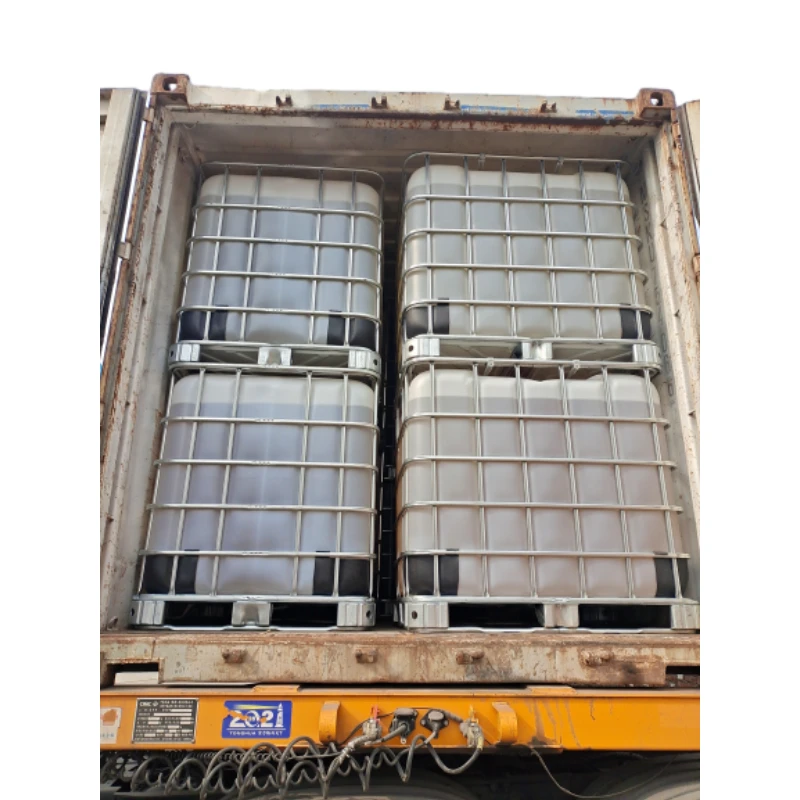
view more DiethanolisopropanolamineIn the ever-growing field of chemical solutions, diethanolisopropanolamine (DEIPA) stands out as a versatile and important compound. Due to its unique chemical structure and properties, DEIPA is of interest to various industries including construction, personal care, and agriculture. -
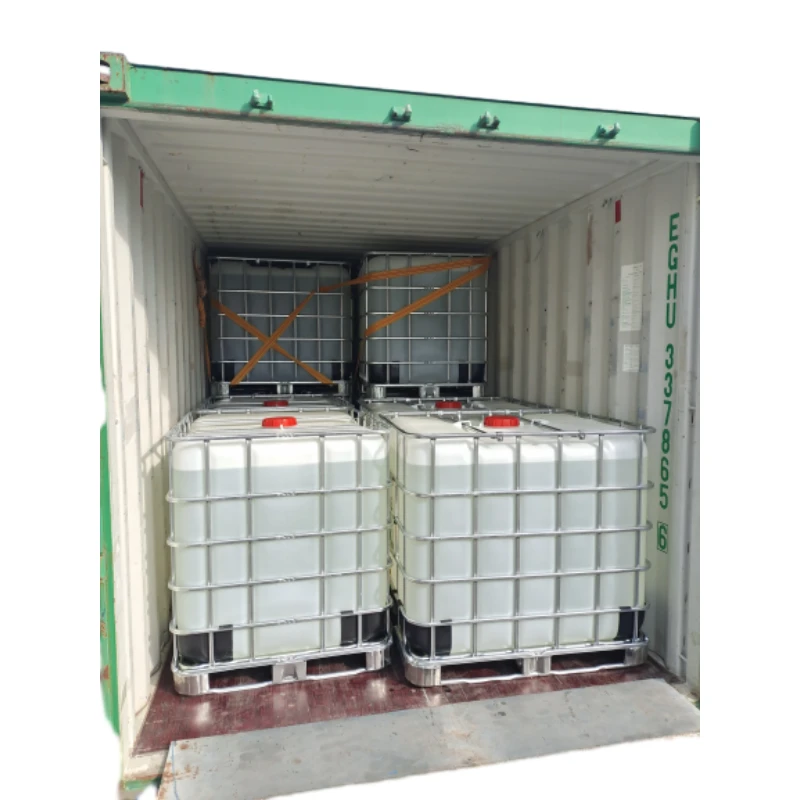
view more TriisopropanolamineTriisopropanolamine (TIPA) alkanol amine substance, is a kind of alcohol amine compound with amino and alcohol hydroxyl, and because of its molecules contains both amino and hydroxyl. -
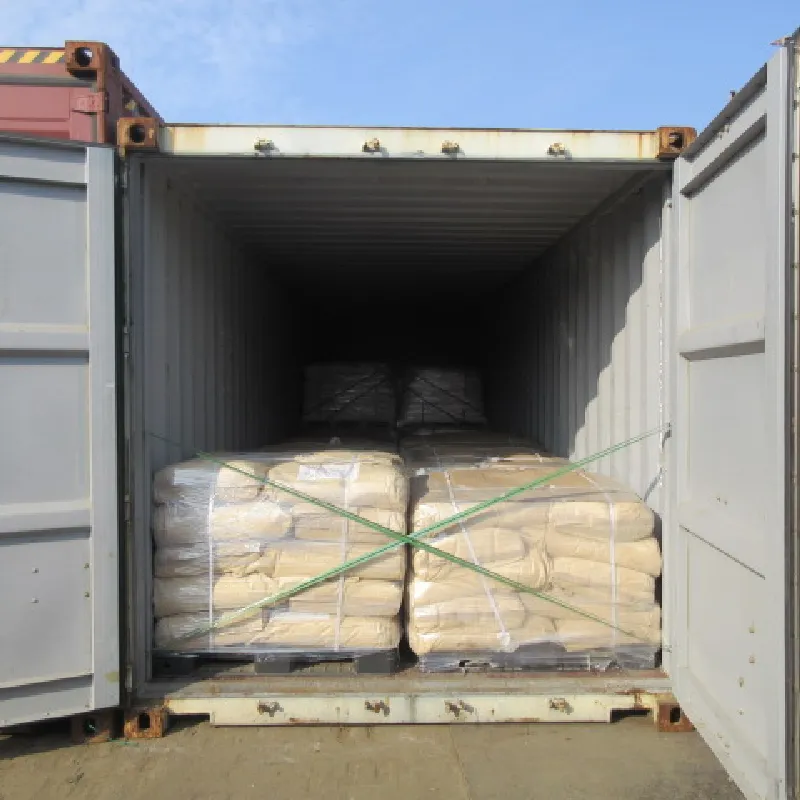
view more Tetramethyl Thiuram DisulfideTetramethyl thiuram disulfide, also known as TMTD, is a white to light-yellow powder with a distinct sulfur-like odor. It is soluble in organic solvents such as benzene, acetone, and ethyl acetate, making it highly versatile for use in different formulations. TMTD is known for its excellent vulcanization acceleration properties, which makes it a key ingredient in the production of rubber products. Additionally, it acts as an effective fungicide and bactericide, making it valuable in agricultural applications. Its high purity and stability ensure consistent performance, making it a preferred choice for manufacturers across various industries.