





Chelating Agent in Food: Why It Matters for Food Safety and Shelf Life
Unlocking the Role of Chelating Agents in Food: What You Need to Know
Whenever you bite into a piece of fruit salad, enjoy fortified cereals, or simply savor your morning cup of tea, there's a quiet hero working behind the scenes to make sure that the flavors, nutrients, and safety standards hold steady. That hero is often a chelating agent in food. If you're wondering why this sounds important beyond the technical terms, it very much is—on a global scale. Understanding chelating agents not only unravels a crucial piece of food science but also reveals how we safeguard nutrition and food shelf life worldwide.
Introduction: Why Chelating Agents Matter in the Global Food Industry
The global food supply chain is a complex web, stretching from farms in developing countries to bustling urban supermarkets thousands of miles away. According to the Food and Agriculture Organization (FAO), food loss and degradation account for nearly a third of all food produced globally—a staggering number by any measure. One subtle but effective tool in reducing this loss are chelating agents applied in food processing and preservation. They help stabilize food by managing mineral ions that could otherwise spoil quality or cause discoloration. The challenge is ensuring food stays safe and nutritious through transportation and storage, which often happens in sub-optimal conditions. And that's where these agents come into their own.
Mini Takeaway: Chelating agents are indispensable to decreasing food spoilage by controlling minerals that impact food quality globally.
What Exactly Are Chelating Agents in Food?
Simply put, chelating agents are molecules that can bind to metal ions tightly, to "lock" them out of the way so they don't cause problems. Metals like iron or copper, which might sound harmless, actually catalyze oxidation reactions. In layman's terms, that's the process that ruins your food's taste, color, and nutritional value. By grabbing onto these metals, chelating agents prevent those unwanted changes. They’re widely used in everything from baby formula to canned vegetables and beverages.
This chemical "handshake" fundamentally aids in food safety and extends shelf life. Frankly, without chelating agents, much of the global food we enjoy would be less fresh and more prone to spoilage, especially on long shipping journeys.
Core Components and Critical Aspects of Chelating Agents
1. Metal Ion Binding Capacity
At the heart of every chelating agent's function lies its capacity to bind different metal ions, including iron, calcium, magnesium, and copper. Stronger binding affinity usually means better protection against oxidation.
2. Safety and Regulatory Compliance
Since these agents go into foods, they must meet strict standards by bodies such as the US FDA or the European Food Safety Authority (EFSA). Safety testing ensures they don't introduce toxicity or unwanted side effects.
3. Solubility and Stability in Food Products
Many food products are complex mixtures, so chelating agents must dissolve well and remain effective during processing and shelf life, whether in dry or liquid foods.
4. Cost Efficiency and Scalability
For food manufacturers large and small, balancing efficacy with cost is crucial. Chelating agents need to be affordable, especially when used at scale in mass production.
5. Environmental Impact
More companies today expect their supply chains to be sustainable. Some newer chelating agents are biodegradable or sourced from renewable materials, which is an exciting shift in the industry.
Mini Takeaway: Successful chelating agents carefully balance functionality, safety, cost, and sustainability to meet industry demands.
Product Specification Table: Common Chelating Agents in Food
| Agent | Common Uses | Binding Metals | Regulation Status |
|---|---|---|---|
| EDTA (Ethylenediaminetetraacetic acid) | Beverages, canned foods | Calcium, Iron, Copper | FDA, EFSA approved |
| Citric Acid | Juices, jams, dairy | Calcium, Iron | Generally Recognized As Safe (GRAS) |
| Phytic Acid | Whole grain products | Iron, Zinc | Natural, regulated as food additive |
Global Applications and Use Cases of Chelating Agents in Food
Chelating agents appear in food industries worldwide—from packaged foods in North America to canned seafood in Southeast Asia. Take post-disaster relief operations, for example. Ready-to-eat meals often rely on these agents to maintain freshness over long storage periods in challenging environments. Similarly, in remote industrial zones where refrigeration may be limited or intermittent, chelating agents contribute significantly to keeping nutrient levels stable.
Regions prone to food spoilage due to humidity or metal-rich water—like parts of Africa or South America—also use chelating compounds extensively. Organizations such as the World Health Organization acknowledge their role indirectly by promoting food safety standards encompassing additives like chelating agents.
Mini Takeaway: Chelating agents help preserve food quality in varied environments globally, from disaster zones to tropical climates.
Advantages and Long-Term Value of Using Chelating Agents in Food
- Extended Shelf Life: More stable food means less waste and better food security.
- Enhanced Nutritional Value: Preventing mineral degradation preserves micronutrients essential for health.
- Cost Savings: Reduced spoilage cuts down product loss across supply chains.
- Consumer Trust and Safety: Provides a safeguard ensuring food meets regulatory and quality standards.
- Environmental Sustainability: Emerging biodegradable agents reduce ecological footprints.
Vendor Comparison Table: Popular Chelating Agents Suppliers
| Supplier | Product Range | Certifications | Lead Time | Sustainability Initiatives |
|---|---|---|---|---|
| Tenger Chemical | EDTA, Citric Acid, Phytic Acid | ISO 9001, FDA | 2–4 weeks | Biodegradable options, waste reduction |
| Global Chem Supply | EDTA, Other Chelants | FDA, REACH | 3–5 weeks | Standard sustainability compliance |
| EcoBind Naturals | Natural Chelating Agents | Organic, FDA Approved | 1–3 weeks | Fully biodegradable, renewable materials |
Looking Ahead: Trends and Innovations in Chelating Agents
The future is looking greener and smarter. For instance, ongoing research is targeting chelating agents derived from natural plant extracts, which tend to be less harsh chemically. Plus, there's a push toward integrating these agents within automated food processing systems equipped with digital sensors, tracking freshness in real time. It’s an exciting intersection of chemistry and technology.
Sustainability remains a core trend. Policies across regions encourage renewable sourcing and minimal environmental impact, pushing suppliers and manufacturers to innovate rapidly.
Challenges and Solutions in Using Chelating Agents
Naturally, there are challenges. For one, overuse or misuse of chelating agents may change taste profiles or interact unexpectedly with certain food ingredients. Also, not all agents are universally effective against every metal ion, which calls for careful selection based on product type. Another common concern is consumer perception—the word “chemical” sometimes raises eyebrows. Clear communication and labeling help ease this.
Experts suggest blending synthetic and natural chelating agents can often balance efficacy and consumer acceptance, while ongoing R&D is striving to identify new, non-toxic compounds with broader metal affinity.
FAQ: Common Questions About Chelating Agents in Food
- What is the primary purpose of adding a chelating agent in food?
- They primarily bind metal ions such as iron and copper to prevent oxidation, thereby preserving food freshness and nutritional quality.
- Are chelating agents safe for consumption?
- Yes, chelating agents approved by regulatory authorities like FDA or EFSA undergo rigorous testing to confirm safety at specified usage levels.
- Which foods commonly contain chelating agents?
- Commonly in beverages, canned fruits, dairy products, and ready-to-eat meals where metal-induced spoilage is a concern.
- Can natural chelating agents replace synthetic ones?
- Natural alternatives are gaining ground but may have limitations in binding strength or cost; often blending is preferred for optimal results.
- How do you choose the right chelating agent for my product?
- Consider the metal ions present, food type, processing conditions, and regulatory compliance. Consulting suppliers such as Tenger Chemical can help tailor solutions.
Conclusion: The Quiet Backbone of Global Food Stability
Chelating agents in food might not be headline-grabbers, but they quietly underpin food safety, longevity, and quality worldwide. From industrial production lines to humanitarian food relief, their role is irreplaceable. In the long run, their benefits ripple through reduced waste, improved nutrition, and better consumer experiences—alongside growing sustainability. If you want to dive deeper or explore tailored solutions, visit our website at https://www.tengerchemical.com.
A little chemistry goes a long way—sometimes, protecting the bite you take means understanding what's inside that’s unseen.
References
-
The Essential Guide to Sorbates as Food Preservatives for SafetyNewsApr.16,2026
-
The Ultimate Guide to Sorbate Preservative in Modern IndustryNewsApr.09,2026
-
Comprehensive Guide to Sodium Stearoyl Lactylate Emulsifier Applications and BenefitsNewsApr.07,2026
-
Comprehensive Guide to Sodium Cyclamate Sweetener Properties and ApplicationsNewsApr.04,2026
-
Comprehensive Guide to Sodium Citrate Food Additive and Its ApplicationsNewsMar.31,2026
-
Comprehensive Guide to Sodium Bicarbonate Food Additive Applications and BenefitsNewsMar.28,2026
-
Understanding Sodium Benzoate Preservative in Cosmetics and Its ApplicationsNewsMar.26,2026
Hebei Tenger Chemical Technology Co., Ltd. focuses on the chemical industry and is committed to the export service of chemical raw materials.
-
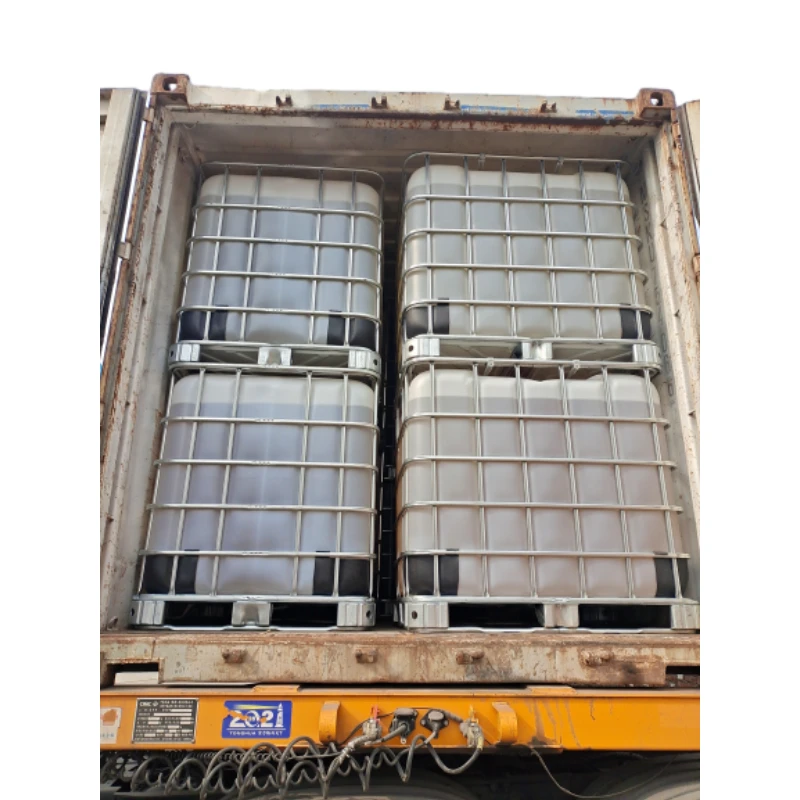
view more DiethanolisopropanolamineIn the ever-growing field of chemical solutions, diethanolisopropanolamine (DEIPA) stands out as a versatile and important compound. Due to its unique chemical structure and properties, DEIPA is of interest to various industries including construction, personal care, and agriculture. -
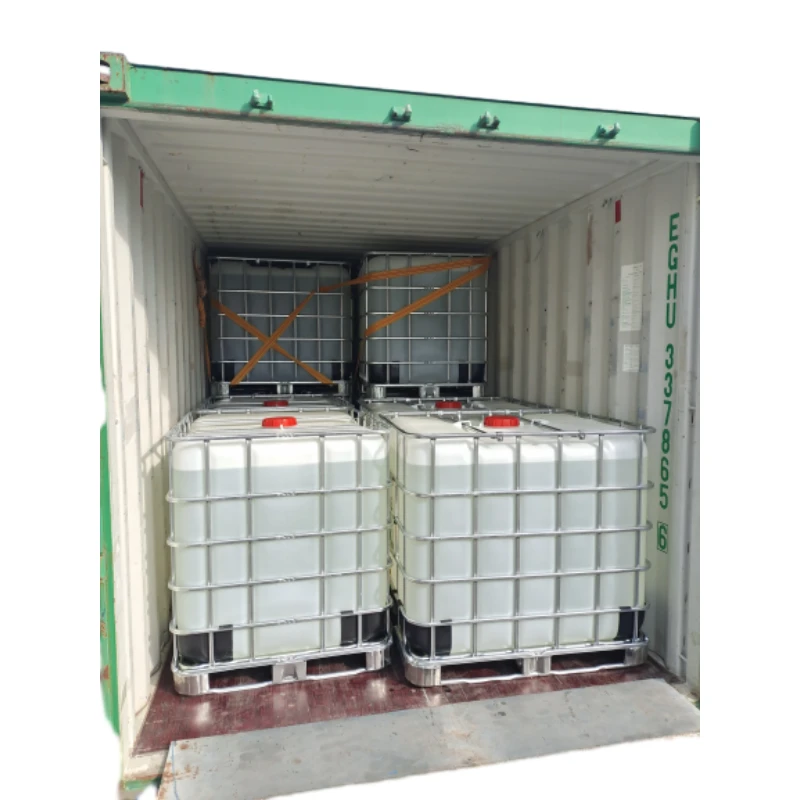
view more TriisopropanolamineTriisopropanolamine (TIPA) alkanol amine substance, is a kind of alcohol amine compound with amino and alcohol hydroxyl, and because of its molecules contains both amino and hydroxyl. -
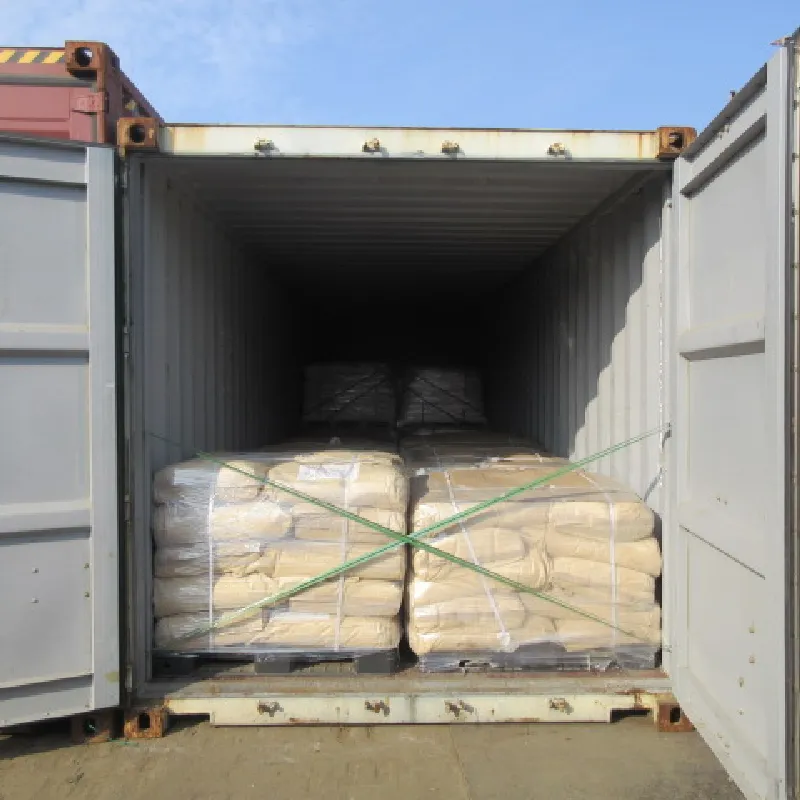
view more Tetramethyl Thiuram DisulfideTetramethyl thiuram disulfide, also known as TMTD, is a white to light-yellow powder with a distinct sulfur-like odor. It is soluble in organic solvents such as benzene, acetone, and ethyl acetate, making it highly versatile for use in different formulations. TMTD is known for its excellent vulcanization acceleration properties, which makes it a key ingredient in the production of rubber products. Additionally, it acts as an effective fungicide and bactericide, making it valuable in agricultural applications. Its high purity and stability ensure consistent performance, making it a preferred choice for manufacturers across various industries.